






SUMMARY

Key takeaways
A bloated, hard belly is most often caused by gas, bloating, slow digestion, constipation, or stress.
Diet (heavy meals, FODMAPs, carbonated drinks), hormones (PMS, pregnancy), and certain conditions (IBS, intolerances, endometriosis) play a key role.
Common symptoms include: abdominal distension, pain/cramps, gas, alternating diarrhea–constipation, digestive heaviness.
What causes a bloated, hard belly?
The causes of a bloated, hard belly or lower abdominal pain during perimenopause are numerous and often involve the digestive system. Here are the main explanations, presented clearly to help you better understand what may be affecting you:
- Bloating (difficult digestion, gas): Slow digestion, often due to meals that are too rich, fatty, or sugary, can lead to an accumulation of gas in the intestine. This is especially common with fermentable foods such as legumes or cabbage, or when chewing is insufficient.
- Water retention (linked to diet, hormonal changes): Excessive salt intake or hormonal fluctuations—for example during premenstrual syndrome—can cause abdominal distension and create the feeling of a tight belly.
- Constipation and lack of fibre: When intestinal transit slows down due to a lack of fibre in the diet, it can lead to digestive issues and a painful bloated belly.
- Underlying conditions (irritable bowel syndrome, food intolerance, etc.): Certain conditions such as irritable bowel syndrome (IBS), lactose or gluten intolerance, or endometriosis in women, can cause chronic abdominal pain and persistent bloating.
Bloated and painful stomach: what are the possible causes?

A bloated and painful stomach can be a sign of issues specific to the stomach. Here are the most common causes associated with these symptoms:
- Indigestion: Slow digestion after large meals or poorly chewed food can cause a feeling of heaviness and stomach cramps. These symptoms are often made worse by eating too quickly.
- Acid reflux: Gastroesophageal reflux occurs when stomach acid rises, causing burning and a painful bloated sensation in the upper abdomen.
- Stomach ulcers: Often caused by an infection such as H. pylori, these ulcers lead to intense abdominal pain, persistent burning, and a tight stomach.
- Stress and anxiety: Through the gut–brain axis, these factors can tighten abdominal muscles and disrupt gastric motility, increasing pain and bloating.
- An unbalanced diet: A diet high in fats, sugars, or irritating foods can overload the stomach, leading to inflammation and painful distension.
The link between diet and stomach pain
Your diet plays an important role in your stomach health. Targeted fermented foods or irritants, such as carbonated drinks and fried foods, promote gas build-up and painful spasms. In addition, an imbalanced gut microbiome can worsen these reactions. Choose lighter meals to relieve this discomfort!
What symptoms can accompany a bloated, hard belly?
Beyond distension, other signs can indicate the severity of digestive issues. Although these symptoms vary depending on the cause, they are among the most common:
- A feeling of abdominal tightness with increased sensitivity to touch, making the belly hard to the touch.
- Digestive pain or cramps, whether diffuse or localized, often worse at the end of the day or after meals.
- Frequent intestinal gas, rumbling, and a visible change in abdominal volume throughout the day.
- Alternating diarrhea and constipation, sometimes associated with nausea, vomiting, or loss of appetite.
- Unusual fatigue, fever, or a burning sensation, which may indicate underlying inflammation.
Natural solutions to relieve a bloated, hard belly
You can reduce belly bloating and soothe this discomfort day to day with simple, effective tips. Discover solutions for bloating during menopause inspired by traditional remedies, to get your digestive system back on track:
- Diet: Limit foods high in fermentable sugars (FODMAPs) such as onions, garlic, or wheat. Adopt a morning routine with lemon water on an empty stomach to stimulate digestion. Gradually introduce soluble fibre found in foods like oats or bananas to support intestinal transit.
- Herbs and herbal teas: Use the benefits of plants known for their soothing action. For example, chamomile calms spasms, ginger reduces inflammation, peppermint relaxes the small intestine, and fennel helps expel gas. A cup of herbal tea after meals can provide quick, lasting relief.
- Exercise: Aim for a 10–15 minute walk after meals or try yoga poses such as a seated twist. These activities support intestinal motility, helping to reduce bloating while preventing stagnation.
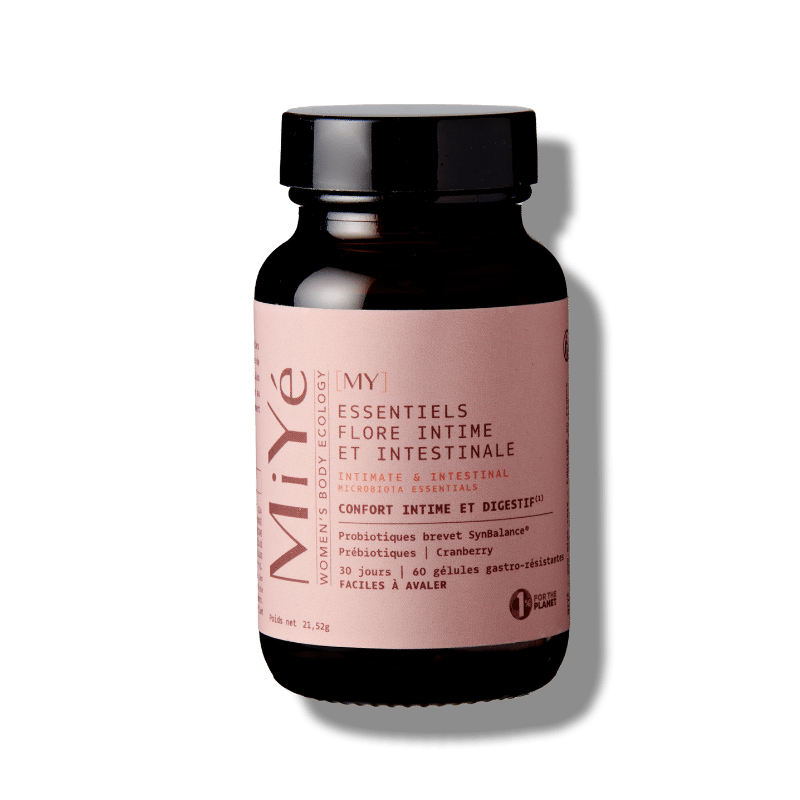
- Probiotics and dietary supplements for better digestion: Support your gut microbiome with probiotics to improve digestion. The products we offer support the intestinal barrier, help manage inflammation, and effectively reduce bloating and abdominal distension over the long term.
RECOMMENDED PRODUCT
Patented SynbAEctive® probiotics targeted to help restore and maintain the balance of vaginal and digestive flora
Prebiotics that promote the growth of beneficial bacteria
Symptoms: Intimate discomfort, recurring urinary issues, disrupted digestion and transit
When should you see a doctor for a bloated, hard belly or a painful stomach?
Bloating and digestive pain are often manageable with natural solutions. However, certain warning signs require a prompt consultation with a healthcare professional to prevent complications.
Seek medical advice quickly if you experience:
- Persistent or intense abdominal pain that does not improve after a few days, or that starts suddenly and acutely.
- Blood in the stool (bright red or black) or in the urine, which may indicate intestinal inflammation or infection.
- Fever associated with bloating, abdominal pain or digestive issues, which may be a sign of a severe infection.
- Persistent nausea and vomiting or uncontrollable vomiting, especially if it prevents you from staying hydrated or eating.
- Unexplained weight loss or a marked decrease in appetite over a prolonged period.
- Inability to pass gas or stools, which may signal an intestinal obstruction—an absolute medical emergency.
- A “board-like” abdomen, meaning very tight and rigid, or sharp pain during pregnancy.
- Persistent unusual fatigue accompanying chronic digestive issues.
If you are pregnant, severe abdominal pain or an abnormally hard, bloated belly must be assessed urgently. A doctor can identify the cause (for example, irritable bowel syndrome, food intolerance, or inflammatory disease) and offer appropriate treatment.
FAQ
Are there any positions to relieve a bloated belly?
Yes, several yoga poses can help relieve a bloated belly. For example, the happy baby pose (knees toward the chest with gentle side-to-side rocking), the all-fours position, or the wind-relieving pose (knees hugged into the belly) are particularly effective. These movements massage the abdomen and help release gas, providing fast relief.
Which foods should you avoid to relieve bloating?
To reduce bloating, it is recommended to avoid certain foods such as cruciferous vegetables (cabbage), legumes, dairy products in case of lactose intolerance, as well as excess salt which can worsen water retention. Consider a temporary low-FODMAP approach to reduce swelling and digestive discomfort.
Can pregnancy cause a bloated, hard belly?
Yes. In pregnant women, hormones like progesterone slow digestion, while the uterus compresses the intestine. This can lead to a bloated, hard belly, especially in the third trimester. Sleeping on the left side may help ease these symptoms and improve comfort.
What’s the difference between a bloated belly and stomach pain?
A bloated belly affects the entire abdomen, often due to gas or intestinal distension. In contrast, stomach pain is usually located in the upper abdomen, often with burning linked to acid reflux or indigestion.
How can you relieve stomach pain?
To soothe stomach pain, you can try a few simple, effective techniques. Apply a warm heat pack to your abdomen to relax muscles and reduce spasms. Then gently massage your belly clockwise to stimulate digestive flow. Finally, adopt the knee-to-chest position while breathing deeply—this helps release tension and supports digestive comfort.
SOURCES:
- “Bloating” — Livi Santé — A simple explanation of the mechanisms that cause abdominal bloating (gas, aerophagia, constipation, intolerances). Bloating: what are the causes?
- Bloating, flatulence and aerophagia — Santé.fr — Public health guide on the causes and symptoms of bloating. Bloating, flatulence and aerophagia (Santé.fr)
- Bloating: causes, solutions and when to consult — Clear explanations of the main causes (diet, intestinal gas, stress) and first-line advice. Bloating: causes, solutions and when to consult



Share:
Why do we talk about the "big belly syndrome" in women ?
How to naturally hydrate dry skin during menopause ?