



SUMMARY

































Key Takeaways
PCOS is not a single disease but a spectrum: there are different forms with varied hormonal and metabolic causes, which explains symptoms that differ greatly from one woman to another
Two ways to classify it:
→ the A/B/C/D phenotypes (based on medical criteria: androgens, ovulation, ovaries)
→ the functional subtypes (based on the dominant cause: insulin, inflammation, adrenals, post-pill).
4 main functional types of PCOS:
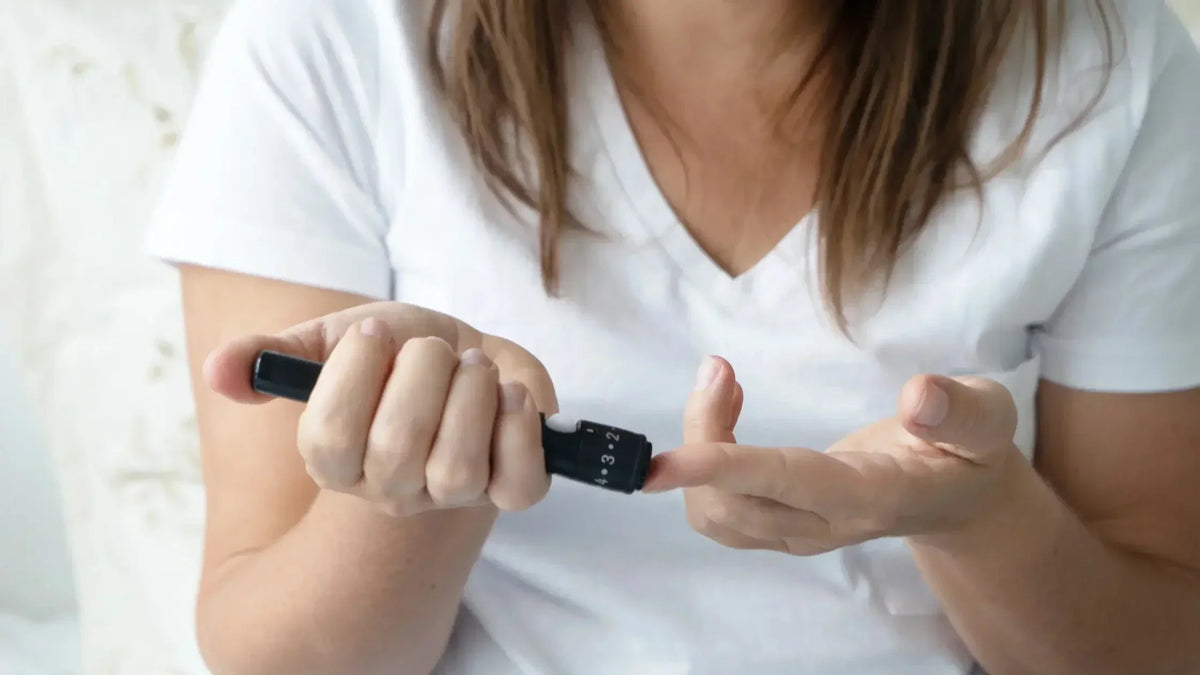
→ insulin-resistant (the most common, linked to blood sugar and metabolism)
→ inflammatory (linked to chronic inflammation)
→ adrenal (linked to stress and adrenal hormones)
→ post-pill (temporary after stopping birth control).
The key challenge: personalizing care: identifying your type of PCOS allows you to adapt the management strategy (diet, lifestyle, medical care) and improve symptoms in a targeted manner.
What Are the 4 Different Types of PCOS?
You have probably heard of PCOS (polycystic ovary syndrome) and might be wondering about the four profiles that define it. It is important to understand that PCOS is not a "one-size-fits-all" diagnosis: it is a spectrum of hormonal and metabolic manifestations.
The 4 types of PCOS are now described in scientific literature: the insulin-resistant form (affecting about 65% of women concerned), the inflammatory form (30% to 35%), the post-pill form (15% to 20%), and the form of adrenal origin (10% to 15%). These subtypes can overlap in the same person, which explains why the total percentages exceed 100%. Each involves specific mechanisms of hyperandrogenism, inflammation, or metabolic dysfunction.
Two Classification Approaches: Medical Phenotypes (A/B/C/D) and Functional Subtypes
In clinical practice and research, two major methods are used to structure PCOS:
Medical phenotypes A, B, C, and D are based on the presence or absence of three diagnostic criteria:
- hyperandrogenism (clinical or biochemical),
- ovulatory dysfunction (irregular cycles or anovulation),
- polycystic ovarian morphology on ultrasound.
Functional subtypes seek to explain PCOS through underlying mechanisms, such as ovarian sensitivity to gonadotropins or a dominant metabolic profile (insulin resistance, inflammation, etc.).
They explain the dominant cause of PCOS:
- Insulin-resistant PCOS
- Inflammatory PCOS
- Adrenal PCOS
- Post-pill PCOS
In practice, phenotypes A/B/C/D are most often used to make a standardized diagnosis, and the analysis is then refined using the physiological subtype to offer a personalized management plan.
| Phenotype | Hyperandrogenism | Ovulatory dysfunction | Polycystic ovaries | Metabolic risk | Associated functional profile |
|---|---|---|---|---|---|
| A (Complete) | Yes | Yes | Yes | High (insulin resistance, abdominal weight gain, up to 60% risk of metabolic syndrome) | High ovarian response to LH |
| B (Non-PCO) | Yes | Yes | No | High (insulin resistance in 50%) | "Metabolic" profile |
| C (Ovulatory) | Yes | No (regular cycles) | Yes | Intermediate (moderate cardiovascular risk) | Predominant hyperandrogenism |
| D (Non-hyperandrogenic) | No | Yes | Yes | Low to moderate | "Mild" or atypical form |
Support your daily balance with the right active ingredients
Whatever your dominant profile, two needs frequently arise for women dealing with PCOS: supporting nervous balance and accompanying overall hormonal balance
- [MY] SERENITY ESSENTIALS contributes to nervous balance and better sleep quality.
- [MY] WOMEN'S BALANCE ESSENTIALS accompanies hormonal balance with natural active ingredients targeting physical comfort throughout cycles.
These dietary supplements are not a substitute for medical follow-up. Consult your healthcare professional for any questions regarding your health.
The Four Phenotypes of PCOS
To better support each patient, it is essential to detail these four configurations according to the Rotterdam criteria:
Phenotype A (Complete)
This profile meets all three criteria: hyperandrogenism, anovulation, and polycystic morphology. It is the most frequently reported form, representing nearly 40% of cases. Clinical signs include persistent acne, hirsutism, and irregular cycles. On the metabolic level, abdominal weight gain and insulin resistance are noted in 70% to 80% of patients. Fertility can be compromised, sometimes requiring more intensive ovarian stimulation.
Phenotype B (Non-PCO)
In this case, hyperandrogenism and dysovulation are present, but without a polycystic appearance on ultrasound. This profile represents about 20% of patients. Despite the absence of visible cysts, metabolic disorders (insulin resistance, overweight) are comparable to those of phenotype A, highlighting the importance of personalized follow-up.
Phenotype C (Ovulatory)
This subgroup combines hyperandrogénie and cysts, while maintaining regular cycles. It concerns nearly 25% of diagnosed women. Skin symptoms (acne, mild hirsutism) are dominant, while fertility often remains preserved. Metabolic monitoring is still recommended, as 30% can develop insulin resistance in the long term.
Phenotype D (Non-hyperandrogenic)
This so-called "mild" form accounts for 15% of patients. Ovaries are polycystic and cycles are irregular, but without clinical or biochemical hyperandrogenism. The metabolic profile is generally close to normal, but gynecological and endocrine follow-up is necessary in case of pregnancy desire or circulatory complications. Some women also report occasional tingling sensations, usually related to hormonal imbalances.
The Functional Subtypes of PCOS
Insulin-Resistant PCOS
In this subtype, insulin resistance is at the heart of the mechanism. According to a 2018 meta-analysis, 65% of patients with PCOS present with clinically significant insulin resistance. Hyperinsulinemia leads to an overproduction of androgens, worsening anovulation and weight gain.
Specific Symptoms
- Abdominal weight gain even with a moderate diet.
- Excessive hunger or difficulties losing weight despite effort.
- Acne and hirsutisme (facial or body hair).
- Frequent fatigue, attempts at sleep are unrefreshing.
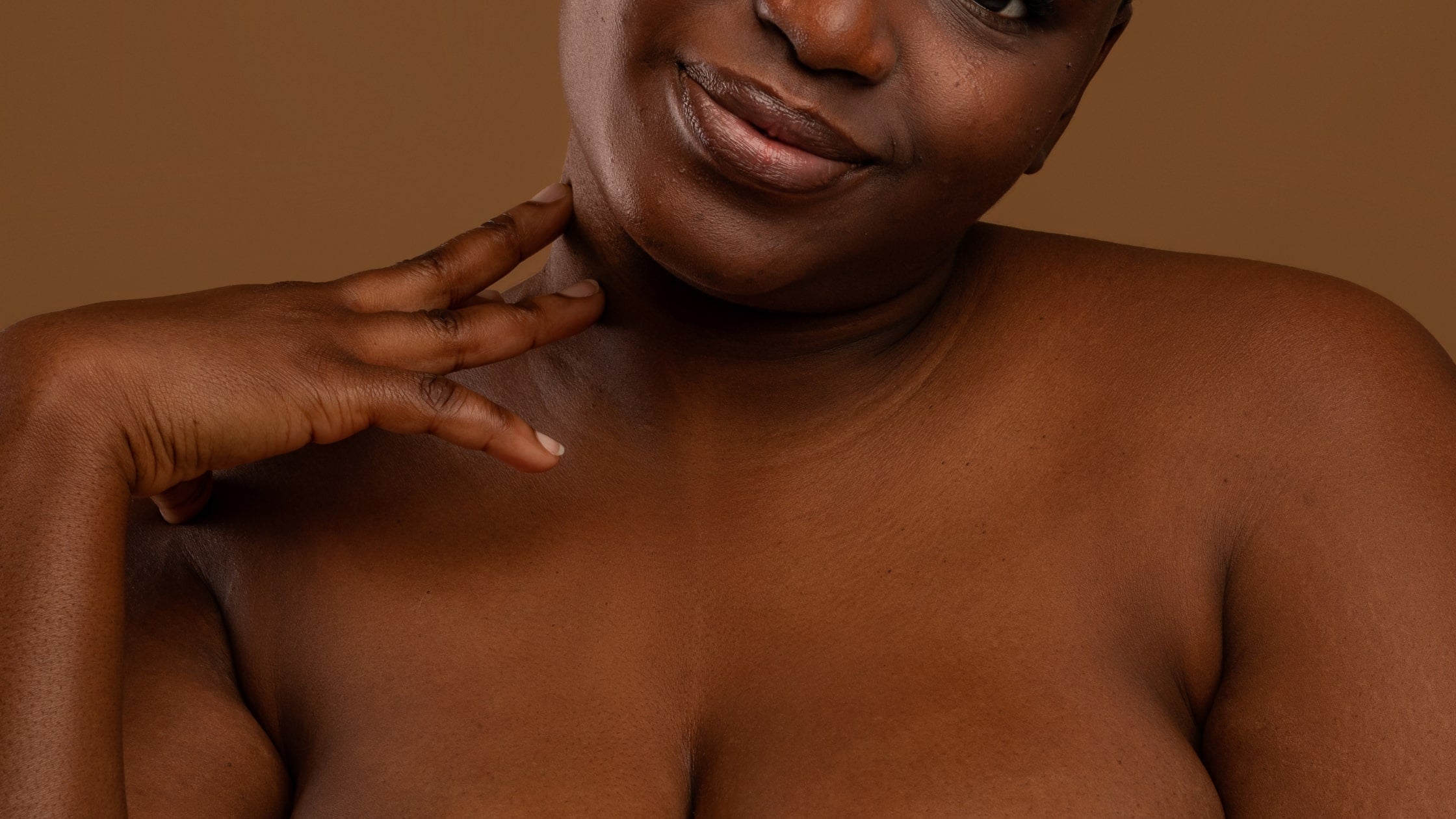
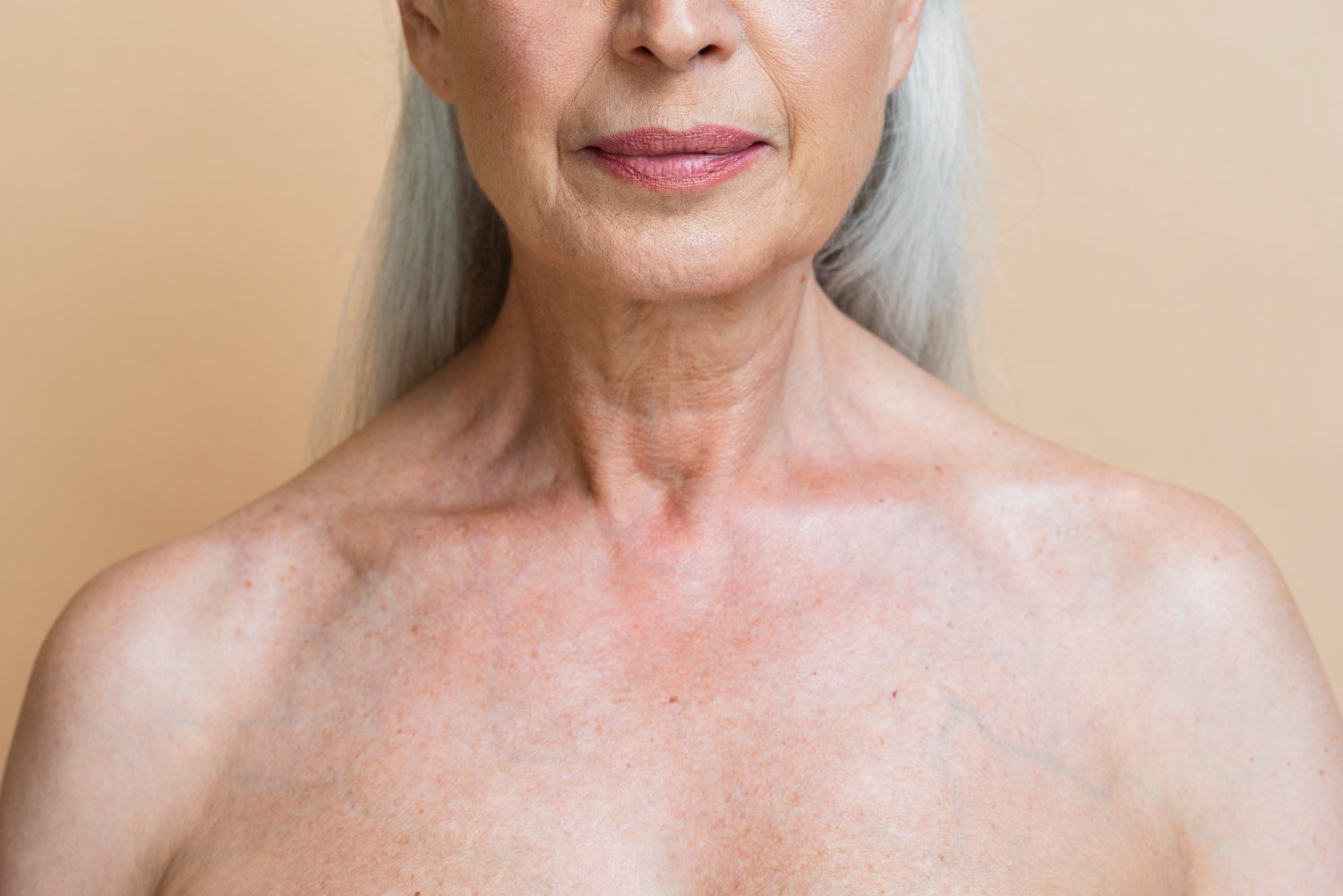
- Acanthosis nigricans (darkened areas of skin on the neck and armpits).
Diagnosis
The workup includes fasting blood glucose, fasting insulin, HbA1c, and often a glucose tolerance test. The HOMA-IR score helps evaluate the severity of insulin resistance. Clinical examination looks for an elevated waist circumference (> 88 cm) and signs of hyperandrogenism.
Management
Metformin, a first-line insulin sensitizer, improves cycle regularity and fertility. A low-glycemic index diet rich in fiber and omega-3s, combined with 150 minutes of moderate physical activity per week, is recommended. Recent studies show that GLP-1 analogs can reduce body weight by 5% to 10% and improve insulin resistance.
Post-Pill PCOS
In 15% to 20% of women, stopping hormonal contraception triggers a temporary phase of irregular cycles, increased androgens, and a polycystic appearance on ultrasound. This phenomenon generally lasts 3 to 6 months while the hypothalamic-pituitary axis regains its balance.
Insulin resistance is rarely a factor here. Symptomatic support (dietary regulation, stress management) is sufficient in most cases. If symptoms persist beyond 6 months, a complete hormonal workup is required to rule out persistent PCOS.
Inflammatory PCOS
Low-grade inflammation is implicated in 30% to 35% of PCOS cases. Chronic activation of the immune system, measured by high levels of C-reactive protein (CRP) and pro-inflammatory cytokines, promotes insulin resistance and excess androgens.
Diagnosis
In addition to the Rotterdam criteria, CRP, IL-6, and TNF-α are measured. Clinically, symptoms include persistent fatigue, joint pain, digestive issues, and inflammatory acne.
Management
An anti-inflammatory diet (colorful fruits, green vegetables, omega-3s) decreases CRP by an average of 20% after 3 months. Regular practice of stress management techniques (meditation, cardiac coherence) improves the hormonal profile.
Supplements adapted for PCOS, such as inositol (2 g/day), have shown in some studies a decrease in IL-6 and an improvement in insulin sensitivity.
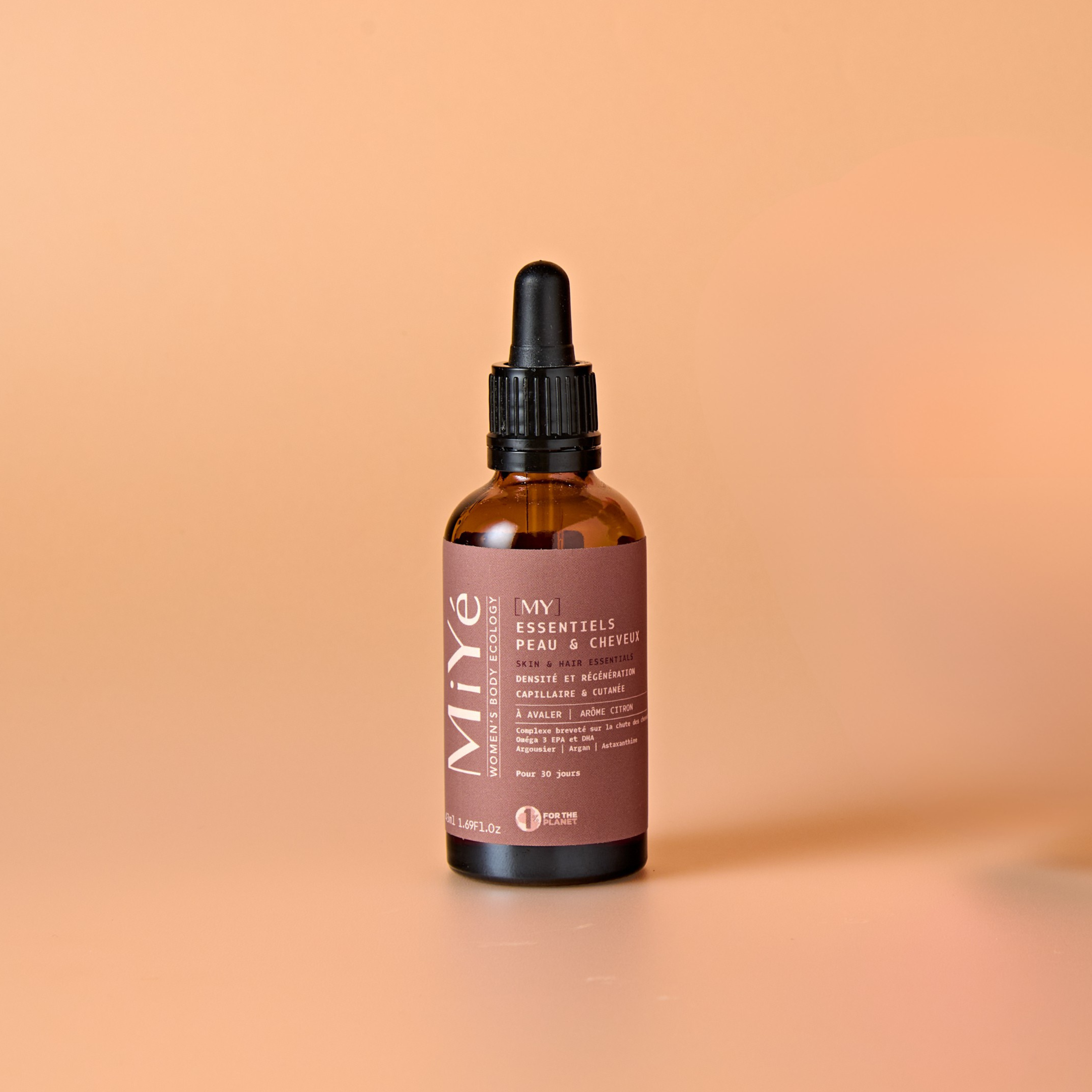
Our supplement [MY] ESSENTIELS ACTIVATEURS DE MÉTABOLISME contains Myo-inositol:
A key natural compound for cellular metabolism, it promotes better insulin sensitivity and actively participates in hormonal regulation. Particularly useful for PCOS, it helps stabilize and harmonize hormonal cycles.
Adrenal PCOS
In this form (10% to 15% of cases), the overproduction of DHEA-S by the adrenal glands is predominant. Chronic stress and activation of the corticotropic axis explain this androgenic excess.
Symptoms
- Irregular cycles or amenorrhea.
- Hirsutism, acne resistant to conventional treatments.
- Anxiety, insomnia, mood disorders.
- Weight gain that is difficult to lose.
Diagnosis
After excluding other forms of PCOS, DHEA-S, DHEA, and 17-OHP are measured to confirm the adrenal origin. An elevated DHEA-S level of > 7 µmol/L points toward this subtype.
Management
A lifestyle centered on quality sleep, stress management (yoga, sophrology), and a balanced diet can help support adrenal balance. From a medical standpoint, a healthcare professional can guide you toward options adapted to your situation.
How to Identify Your Type of PCOS?
Quick Symptoms Checklist
Type of PCOS Associated Symptoms
| Type of PCOS | Associated Symptoms |
|---|---|
| Insulin-resistant PCOS |
|
| Inflammatory PCOS |
|
| Adrenal PCOS |
|
| Post-pill PCOS |
|
Biological Tests to Request
- Fasting blood glucose
- Fasting insulin
- Metabolic tests: fasting glucose, insulinemia, HOMA-IR, HbA1c.
- Total and free testosterone
- DHEA-S (> 7 µmol/L pointing toward adrenal origin)
- Inflammatory markers: CRP, cytokines (IL-6, TNF-α) if inflammatory PCOS is suspected.
- Complete hormonal workup: androgens (testosterone, DHEA-S), SHBG.
FAQ
What are the distinctive symptoms of each type of PCOS?
-
Insulin-resistant: abdominal weight gain, fatigue, acanthosis nigricans.
-
Post-pill: temporary onset or flare-up of acne, hirsutism, and cycle disruptions after stopping the pill.
-
Inflammatory: inflammatory acne, diffuse joint pain, chronic fatigue.
-
Adrenal: elevated DHEA-S levels, anxiety, sleep disturbances, persistent hirsutism.
Can PCOS evolve from one type to another?
Yes. For example, a case of PCOS initially classified as post-pill may reveal underlying insulin resistance over the long term, especially if metabolic factors (such as being overweight or a family history of diabetes) manifest themselves.
Which tests can confirm each subtype of PCOS?
-
Complete hormonal workup: androgens (testosterone, DHEA-S), SHBG.
-
Metabolic tests: fasting glucose, insulinemia, HOMA-IR, HbA1c.
-
Inflammatory markers: CRP, cytokines (IL-6, TNF-α) if inflammatory PCOS is suspected.
-
Pelvic ultrasound to check for the polycystic appearance of the ovaries.
By combining this data, your practitioner can establish an accurate assessment and guide you toward the care plan most suited to your situation.
Sources:
- PCOS Network, Monash University (2023), International evidence-based guideline for the assessment and management of polycystic ovary syndrome
- Rosenfield R.L., Ehrmann D.A. (2016), The Pathogenesis of Polycystic Ovary Syndrome: The Hypothesis of Functional Ovarian Hyperandrogenism Revisited
- Bozdag G. et al. (2016), The prevalence and phenotypic features of polycystic ovary syndrome: a systematic review and meta-analysis
- González F. (2012), Inflammation in Polycystic Ovary Syndrome: underpinning of insulin resistance and ovarian dysfunction
- Kumar A. et al. (2006), Adrenal contribution to circulating androgens and cardiovascular risk profile in polycystic ovary syndrome

![Pilulier [MY] Essentiels équilibre féminin sur fond transparent](http://www.miye.care/cdn/shop/files/Visuels-shop-25.png?v=1747987949&width=800)
![Pot [MY] Essentials Metabolism Activators](http://www.miye.care/cdn/shop/files/packshots_86dd545d-161d-497e-a63d-a060992bffd8.png?v=1757058744&width=1080)
Share:
Period Blood Color: What Does Your Flow Reveal Each Month?
Period Blood Color: What Does Your Flow Reveal Each Month?