









Menopause can promote a bloated belly because of the decline in oestrogen and progesterone, which modifies fat distribution, slows bowel transit and promotes water retention.
A slowing metabolism, insulin resistance, stress and sometimes an overburdened liver can intensify abdominal fat accumulation and bloating.
Certain habits worsen the situation: ultra-processed foods, excess salt, alcohol, fizzy drinks, hard-to-digest foods and sedentary behaviour.
For natural relief, it is helpful to adopt a fibre-rich diet, stay well hydrated, engage in regular physical activity, better manage stress and support the microbiome with probiotics.
Why do we get a bloated belly during menopause?

Menopause brings about various hormonal and physiological changes that are at the root of abdominal bloating. The decline in oestrogen and progesterone levels plays a key role in this phenomenon, influencing women's bodies in several ways.
Hormonal disruptions and belly swelling
The decline in oestrogens during menopause causes a redistribution of body fat, favouring its accumulation in the abdominal area. This change contributes significantly to belly swelling. Furthermore, hormonal variations affect fluid balance, leading to water retention and bloating. Other signs such as swollen or congested breasts are also important points to check.
Slowing metabolism
Another aspect of menopause is the slowing of metabolism, reducing the body's capacity to burn calories. This promotes fat storage around the abdomen, worsening abdominal bloating. Insulin resistance, a low glycaemic index diet and an overburdened liver are the main contributing factors. Excess cortisol is also a significant factor in the general slowing of metabolism.
Impact on the digestive system
Hormonal upheaval also disrupts the functioning of the digestive system. The decline in oestrogens can slow bowel transit, causing bloating, flatulence and abdominal pain. Stress and hot flushes, which are frequent during this period, can also disrupt the gut flora, intensifying these discomforts.
Fluid balance and stress
Oestrogen dominance during menopause can induce water retention, contributing to belly swelling. Stress, exacerbated by sleep disturbances and hot flushes, can also compromise digestion and promote constipation and abdominal distension. The body will need supplementation in proteins and amino acids to prevent muscle loss, which is closely linked to the slowing of basal metabolism.
Understanding these factors is essential for developing effective strategies to reduce abdominal bloating and flatulence during menopause.
How to deflate the belly during menopause?
Bloating at menopause is one of the most frequent and least well-explained symptoms. It has several simultaneous origins: the decline in oestrogens disrupts the gut microbiome and slows bowel transit, cortisol — which is often elevated during hormonal transition — promotes water retention, and falling progesterone levels accentuate intestinal fermentation.
The most effective daily levers: reducing highly fermentable foods (cabbage, poorly prepared legumes, sweeteners), splitting meals, taking the time to chew, and supporting the gut microbiome with appropriate prebiotics and probiotics. Magnesium contributes to intestinal muscle relaxation and digestive comfort.
Water retention and bloating: how does it work?
Water retention and bloating are two frequent and uncomfortable symptoms during menopause. Understanding their mechanisms is essential for developing effective relief strategies.
Water retention: the impact of hormonal fluctuations
The decline in oestrogen levels during menopause affects the regulation of water in the body. Oestrogen helps maintain the balance of bodily fluids. Without this balance, the body tends to retain more water, causing swelling, particularly in the hands, feet, ankles and belly.
Nervous system and adrenal glands
The decline in oestrogens also disrupts the nervous system and the adrenal glands, which play a role in fluid regulation. This hormonal imbalance can increase the production of hormones that promote water retention, worsening swelling symptoms.
Diet and potassium deficiency
A diet rich in salt and meat can exacerbate water retention by causing potassium deficiency. This mineral is vital for electrolyte balance and the regulation of the body's acid-base balance. A potassium deficiency can encourage water retention and bloating. Magnesium supplementation is strongly recommended.
Bloating and digestive disorders
Bloating and digestive disorders — such as flatulence and belching — are often due to a slowing of bowel transit during menopause. The decline in oestrogens slows metabolism and affects digestion, leading to bloating and a sensation of a swollen belly.
Stress and hot flushes
Stress and hot flushes during menopause can disrupt the gut flora and worsen symptoms of bloating and constipation. These factors contribute to an environment favourable to water retention and abdominal bloating.
By understanding these mechanisms, you can better direct your efforts to reduce water retention and bloating, thereby improving your digestive and physical comfort.
Do women gain weight during menopause?
Menopause is often seen as a period associated with weight gain — a situation that causes concern for many women. But is it inevitable? What are the factors that contribute to this weight gain?
Average weight gain
Typically, women can expect to gain between 3 and 7 kilograms during menopause, although the experience varies greatly from one individual to another. This weight gain is not solely linked to menopause itself, but also to age and the lifestyle changes that may accompany this stage.
Fat redistribution
The decline in oestrogen levels during menopause leads to a redistribution of body fat. Unlike earlier periods of life when fat is primarily stored around the hips and buttocks, during menopause it tends to concentrate in the abdominal area. This abdominal fat — known as visceral fat — is a cause for concern as it increases the risk of cardiovascular disease and metabolic disorders.
Contributing factors
Several elements play a role in weight gain during menopause. The reduction in basal metabolism, resulting from the cessation of ovarian activity, leads to a decrease in the number of calories burned at rest. Combined with an unchanged diet, this promotes fat accumulation. Furthermore, sleep disturbances, anxiety and depression — frequently encountered during this period — can encourage weight gain by modifying dietary habits and reducing physical activity.
Health consequences
The accumulation of abdominal fat during menopause is not merely an aesthetic concern; it is also linked to increased health risks. Visceral fat is notably associated with a higher risk of cardiovascular disorders, insulin resistance and metabolic syndrome. It is therefore essential to take measures to limit this weight gain and maintain a healthy body composition.
By being aware of these factors, women can prepare themselves and act proactively to effectively manage menopause-related weight gain.
Good habits to adopt for easing bloating
To reduce bloating and the sensation of a swollen belly during menopause, incorporating simple and effective habits into your daily routine can make all the difference. Discover practical tips for improving your digestive comfort.
Balanced diet and wise food choices
Adopting a balanced diet is essential for easing bloating. It is advisable to reduce the consumption of foods high in salt, refined carbohydrates and fats. Favour the consumption of vegetables, fruit and lean proteins. Avoid foods that promote fermentation, such as raw vegetables, fried and fatty foods, pasta, cereals, alcohol, spices and coffee.
Discover our recipe book, which is full of healthy recipes that help maintain a healthy hormonal balance.
Eating calmly and in small meals
Taking the time to eat calmly and chew each mouthful thoroughly can prevent aerophagia — the accumulation of air in the digestive system. Organise your meals into several small portions spread throughout the day to improve digestion and reduce bloating.
Drinks and hydration
Drinking enough water — ideally between meals — is essential for good hydration and to avoid water retention. Limit your consumption of fizzy drinks and alcohol, and avoid using straws, as they can increase the ingestion of air.
Regular physical activity
Regular physical activity, even moderate, helps stimulate digestion and maintain a stable weight. Activities such as brisk walking, cycling or swimming are particularly beneficial. Muscle-strengthening exercises such as yoga or Pilates also help strengthen the abdominal muscles and improve posture.
Stress management
Stress can worsen bloating and digestive symptoms. Adopt relaxation techniques such as meditation, deep breathing or yoga to better manage stress and improve your digestive wellbeing.
Why do we get a big belly at menopause?
This is a genuine physiological transformation, not simply a matter of willpower or diet. At menopause, the decline in oestrogens changes fat distribution: the body shifts from peripheral accumulation (hips, thighs) to abdominal, visceral accumulation. This mechanism is well documented and linked to the evolution of hormonal metabolism.
At the same time, insulin resistance increases naturally with age and the decline of oestrogens, encouraging abdominal fat storage. Cortisol — which is often elevated during hormonal transition — amplifies this phenomenon.
Bloated belly at menopause: natural solutions
Use of plants
The use of certain plants contained in natural products for menopause can help ease bloating. Infusions of chamomile, lemon balm and sage are recognised for their soothing effects on digestion. Essential oils of peppermint and clary sage, applied as an abdominal massage, can also help reduce gas and bloating.

[MY] ESSENTIELLE INFUSION CONCENTRÉE
By putting these tips into practice, you can significantly improve your digestive comfort and reduce the bloating and swollen belly associated with menopause.
Foods to avoid to stop feeling bloated
To minimise bloating and a swollen belly during menopause, it is essential to identify and limit the foods that exacerbate these symptoms. Here are some categories of foods you should avoid or consume in moderation.
Ultra-processed foods and foods rich in refined sugars
Ultra-processed products — such as biscuits, pastries, ready meals and diet sodas — are particularly harmful. These foods are loaded with sugars, unhealthy fats and additives that raise blood sugar levels, push the body to store the surplus as abdominal fat, and promote water retention.
High-salt foods
Excessive salt consumption can worsen water retention and contribute to abdominal swelling. It is recommended to reduce salt intake and choose foods that are naturally low in salt or prepared with salt alternatives.
Gassy foods and fizzy drinks
Fizzy drinks and sparkling sodas take up space in the digestive tract and can cause bloating. It is advisable to favour still drinks and to save sparkling water and sodas for special occasions.
Foods rich in fructose
Fructose, found in foods such as jam, honey, liquid caramel, chocolate bars, fruit syrups and raisins, can be harmful to sensitive digestive systems. It increases the production of hydrogen gas, causing a sensation of bloating. If you are intolerant to fructose, it is recommended to limit or avoid these foods.
Raw and hard-to-digest foods
Raw foods, although nutritious, can be difficult to digest — particularly during menopause. It is advisable to balance your diet between raw and cooked foods to ease digestion and reduce bloating.
Alcohol
Alcohol, which is high in calories, can contribute to weight gain and abdominal swelling. Reducing alcohol consumption is an effective measure for alleviating these symptoms and limiting weight gain.
By avoiding or limiting these foods, you can significantly reduce the bloating and swollen belly associated with menopause, thereby improving your digestive comfort and quality of life.
What are the natural, hormone-free solutions for deflating the belly during menopause?
To ease the belly and reduce digestive symptoms linked to menopause, there are several natural, hormone-free solutions. Discover effective methods for improving your digestive comfort and refining your figure.
A fibre-rich diet including legumes
Adopting a diet rich in fibre and legumes promotes digestion and stimulates bowel transit. Fibre is found in fruit, vegetables, whole grains and legumes, contributing to faster digestion and a reduction in bloating. It is recommended to consume 30 grams of fibre daily for optimal digestive balance.
Natural food supplements
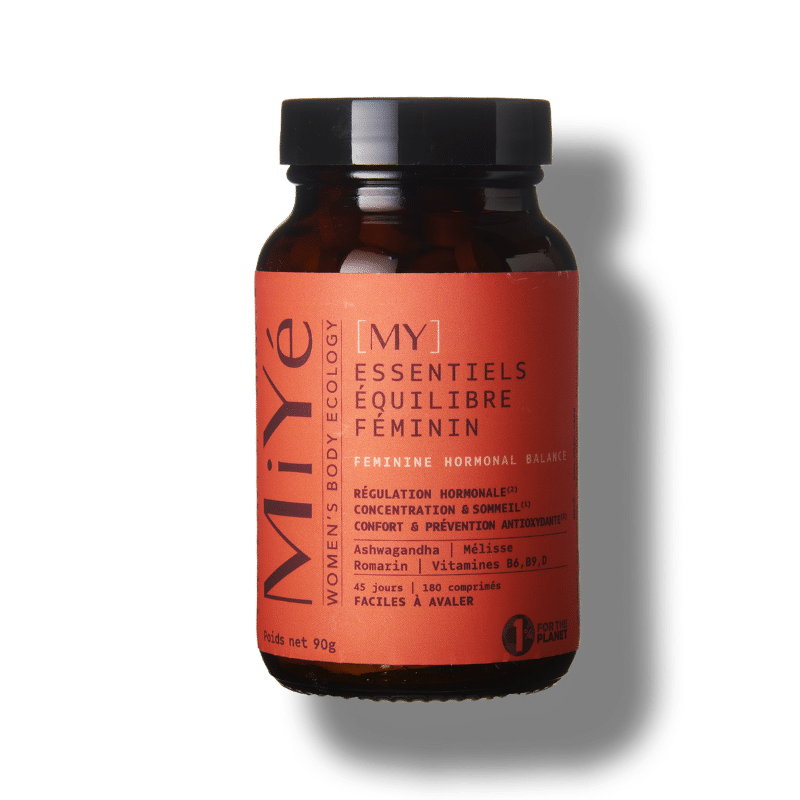
Incorporating food supplements for menopause — such as omega-3, vitamin D, and those containing ashwagandha, rosemary, lemon balm, blackcurrant and adaptogenic plants — can support detoxification and fat management, and may help reduce abdominal fat.

Probiotics and gut flora balance
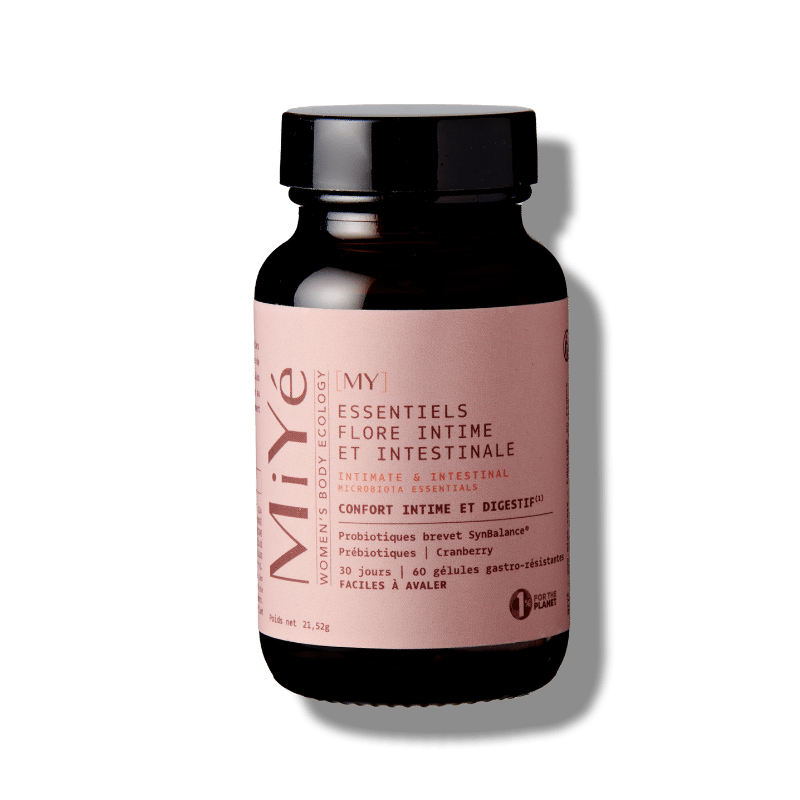
Probiotics are essential for gut flora balance, contributing to better digestive comfort and a reduction in bloating. Prebiotic complexes and chicory inulin are also effective at easing the sensation of a bloated belly, thanks to their respective properties.

Herbal infusions and teas
Drinking herbal infusions and teas — such as those based on lemon balm or blackcurrant — can be beneficial for digestion. These natural drinks help combat water retention and stimulate metabolism, thereby facilitating the elimination of fats.
Essential oils and massage
Essential oils — such as clary sage oil and lavender oil — are ideal for abdominal massages that promote the elimination of toxins and reduce water retention. Practising self-abdominal massage can also bring notable benefits.
Stress management and physical activity
Good stress management and regular physical activity are essential for maintaining overall balance and promoting abdominal reduction. Brisk walking, cycling, swimming, Pilates and yoga are particularly recommended. Meditation and deep breathing techniques are also useful for reducing stress and improving sleep quality.
By incorporating these natural solutions into your daily routine, you can significantly improve your digestive comfort and achieve a flatter belly, thereby contributing to a better quality of life during menopause.
When should you see a doctor?
Although natural solutions and lifestyle changes can greatly help relieve menopause symptoms, it is important to know when to consult a doctor for an appropriate assessment and follow-up. Here are some situations where a medical consultation is necessary.
Regular preventive visits
It is recommended to consult your GP at least once a year for comprehensive preventive check-ups. These visits allow your general state of health to be assessed, your vaccinations to be kept up to date, and any deficiencies or health problems to be detected.
Appearance of new symptoms
If you notice the appearance of new symptoms or changes in your state of health, it is important to consult your doctor without delay. This includes symptoms such as:
- fever (above 38°C),
- infections,
- abdominal pain,
- nausea,
- vomiting,
- black or bloody stools,
- excessively rapid weight gain due to hyperthyroidism or hypothyroidism
Worsening menopause symptoms
If menopause symptoms — such as very intense hot flushes, sleep disturbances or bloating — worsen and significantly affect your quality of life, a medical consultation is necessary. Your doctor can direct you towards specific treatments or recommend specialists if needed.
Chronic health conditions
People suffering from chronic conditions — such as diabetes, heart disease or pulmonary conditions — should consult their doctor more frequently for check-up examinations. If new symptoms appear or existing symptoms change, it is essential not to wait and to seek advice immediately.
Medical emergencies
In the event of a genuine emergency — such as a heart attack, stroke, breathing difficulties or any other life-threatening symptom — call the emergency services (999 or 112) immediately for urgent medical assistance.
By remaining vigilant and consulting your doctor when necessary, you can better manage menopause symptoms and maintain good overall health.
Menopause is a period that can present challenges due to its many symptoms. Fortunately, there are a variety of natural solutions that can help improve your wellbeing. Understanding the underlying causes of symptoms such as a bloated belly, water retention and bloating is the first step towards adopting effective relief strategies. Adopting a balanced diet, enriched with fibre and phyto-oestrogens, while avoiding ultra-processed foods and fizzy drinks, plays an important role in this process.
Plant-based remedies — such as clary sage and soy isoflavones — can offer notable benefits for reducing hot flushes, improving mood and easing digestive symptoms. MiYé also provides detailed information on natural remedies for menopause symptoms. It is also important to highlight the beneficial role of regular exercise and stress management techniques for maintaining overall balance. Consulting a healthcare professional for personalised and appropriate monitoring is equally essential.
Start taking steps today for a flatter belly, better overall health and a more fulfilling life during menopause.
Sources
-
Santé Magazine – Bloating at menopause: causes and solutions
https://www.santemagazine.fr/sante/maladies/maladies-gynecologiques/menopause-ballonnements-177366
➤ (hormones, digestion and bloated belly) -
Doctissimo – Menopause and abdominal weight gain
https://www.doctissimo.fr/html/sante/femmes/menopause/sa_3840_ventre-menopause.htm
➤ (abdominal fat and digestion) -
Livi – Menopause: digestive symptoms
https://www.livi.fr/en-bonne-sante/menopause/
➤ (digestive disorders and discomfort)
How can you get a flat belly during menopause?
The question deserves to be reframed with kindness: at menopause, the body transforms and certain changes are physiological. The realistic goal is not necessarily a "flat belly" in the aesthetic sense, but a comfortable belly — free from bloating and digestive discomfort — with a healthy body shape.
The levers that genuinely work:
Diet: prioritise proteins at every meal (they preserve muscle mass and stabilise blood sugar), reduce fast sugars and alcohol which promote visceral storage, and incorporate soluble fibre for bowel transit.
Physical activity: strength training and muscle-strengthening exercises are particularly recommended after the age of 50 — they maintain muscle mass, improve insulin sensitivity and support basal metabolism.
Sleep: poor-quality sleep — frequent at menopause — raises cortisol and promotes abdominal fat storage. This is an often overlooked lever.
Micronutrition: magnesium, omega-3s and gut microbiome support are documented allies for reducing the low-grade inflammation associated with menopausal belly weight gain.
What are the signs that menopause is coming to an end?
Menopause is officially confirmed after 12 consecutive months without periods. The perimenopause that precedes it can last several years. The "end" of this transition manifests gradually through a stabilisation of symptoms.
The signs that the body is adapting: hot flushes decrease in frequency and intensity, sleep stabilises, mood swings become less frequent, and irregular cycles give way to established amenorrhoea.
Certain symptoms may, however, persist after menopause and deserve attention: vaginal dryness, persistent fatigue or stable abdominal weight gain. These do not signal the "end" of menopause but a new phase of hormonal balance that needs to be supported.

Share:
Cushing's syndrome: What is this disease ?
Menopause treatments