







Key Takeaways
Key female hormones: Estrogen and progesterone regulate your cycle, mood, energy, and metabolism.
Estrogen is involved in sexual development, ovulation, preparing the uterus, and also influences bones, skin, the nervous system, and the cardiovascular system.
Progesterone acts primarily after ovulation: it stabilizes the endometrium, prepares for a potential pregnancy, and has a rather soothing effect on mood.
Female hormones influence many areas: menstrual cycle, pregnancy, breastfeeding, menopause, mood, sleep, libido, weight, and overall health.
A holistic approach is essential: sleep, nutrition, movement, and stress management for long-term hormonal balance.
Knowing Our Body
Knowing your body is the most important step to avoid a hormonal imbalance. We will guide you along this journey to get familiar with it and help you understand how your female hormones function, as well as the organs responsible for producing and regulating them.
The primary female hormones are estrogen and progesterone, secreted by the ovaries in line with the menstrual cycle, of which periods are a visible manifestation. Notably, progesterone, also known as the calming hormone, plays a role in maintaining a good mood, while oxytocin, often called the cuddle hormone, contributes to a sense of relaxation and connection.
Estrogens, made up of estradiol, estrone, and estriol, play a crucial role in the development of female sexual characteristics such as breasts, hips, fat distribution, body hair, and voice modulation. They also influence numerous systems (skeletal, muscular, nervous, cutaneous, cardiovascular...) and offer protection against various conditions. Their action encompasses the growth and maturation of ovarian follicles and preparing the uterus to welcome a potential embryo by thickening the endometrium.
An estrogen peak, occurring two days before ovulation, triggers the release of the egg and the production of cervical mucus, thereby facilitating the progression of sperm.
Progesterone, on the other hand, complements the action of estrogen. Secreted by the corpus luteum after ovulation, it stabilizes the endometrium for embryo implantation, inhibits uterine contractions, and stimulates the vascularization of the uterine lining. It also prepares the mammary glands for lactation. In the absence of fertilization, the drop in progesterone leads to the shedding of the endometrium and triggers menstruation.
The brain, through the hypothalamus and the pituitary gland, regulates the production of estrogen and progesterone. The hypothalamus secretes gonadotropin-releasing hormone (GnRH), which prompts the pituitary gland to release follicle-stimulating hormone (FSH) and luteinizing hormone (LH). FSH stimulates the growth of ovarian follicles and estrogen production, while LH triggers ovulation and the formation of the corpus luteum. Estrogen and progesterone modulate the secretion of GnRH, FSH, and LH through a negative feedback mechanism, thereby preventing hormonal overproduction.
You now understand that the female hormonal system is a complex and dynamic network involving various organs and hormones, functioning according to a cyclical rhythm. It is sensitive to multiple internal and external factors that can disrupt it and cause hormonal imbalances.
For both men and women, maintaining hormonal balance is essential for good health. Hormones play a role in many different bodily functions, including mood, metabolism, reproduction, and more. When your hormones are out of balance, it can lead to a whole range of problems, including weight gain, fatigue, anxiety, and even chronic depression.
Fortunately, there are a number of things you can do to keep your hormones in check and preserve your hormonal balance naturally!
Our Hormones and Their Effects
Female hormones, such as estrogen and progesterone, play a crucial role in various aspects of our lives, affecting our development, reproductive capacity, health, and overall well-being.
Let's take a closer look at the impact of these female hormones on our body at different stages:
On sexual development: They are essential for the appearance of female sexual characteristics during puberty, such as breast and hip growth, as well as the emergence of pubic and underarm hair. They also contribute to the maturation of the reproductive organs.
On the menstrual cycle: They regulate the menstrual cycle, orchestrating the production and release of an egg by the ovaries, and preparing the uterus for a potential pregnancy. The variation of these hormones throughout the cycle directly influences this process, with a predominance of estrogen before ovulation and progesterone after it. The decrease in these hormones triggers menstruation.
On pregnancy: Indispensable for conception, maintenance, and the smooth progression of pregnancy, female hormones increase significantly during this period. Estrogen promotes fertilization, while progesterone prevents the rejection of the embryo, contributing to fetal development and preparation for breastfeeding.
On breastfeeding: Progesterone inhibits lactation during pregnancy, but its drop post-delivery promotes the arrival of milk. Estrogen and prolactin stimulate milk production, while oxytocin facilitates its let-down during breastfeeding.
On menopause: With age, the production of female hormones declines until the ovaries stop functioning, marking the onset of menopause, generally around age 50. This drop leads to various symptoms such as hot flashes, sleep and mood disturbances, and changes in libido, sometimes accompanied by imbalances in the adrenal glands.

On mood: Female hormones also influence our emotional state and behavior. Estrogens can have antidepressant and anxiolytic effects, while progesterone acts as a calming agent. Their variations can thus affect our mood and psychological well-being.
On sexuality: These hormones play a key role in sexual desire and pleasure, with estrogens stimulating libido and progesterone having the opposite effect. Their fluctuations can therefore impact our sex life.
On health: Estrogens offer protection against various diseases, contributing to bone, heart, and other organ health, while progesterone possesses anti-inflammatory and antioxidant properties. However, a hormonal imbalance can promote the onset of certain medical conditions.
Effective Solutions to Rebalance Our Hormones
Given the important role of female hormones on our health, well-being, mood, sleep, weight, and beauty, it is essential to understand that factors such as age, stress, pollution, diet, or menopause can disrupt their balance. Fortunately, there are natural approaches to restore this hormonal balance.
Here are some of the most effective methods to rebalance our hormones.

Why Is Sleep Important for Maintaining Hormonal Balance?
Sleep plays a crucial role in hormonal balance. When you don't get enough sleep, it disrupts your body's natural circadian rhythms and can lead to an increase in cortisol, the stress hormone. To protect your hormonal balance, try to get 7 to 8 hours of sleep each night. To stimulate the secretion of melatonin, the sleep hormone, it is also highly recommended not to eat dinner late (before 8 PM) and to avoid the blue light of screens at least 3 hours before going to bed.
Sleep stimulates the production of melatonin, known as the sleep hormone, secreted by the pineal gland in response to darkness. It plays a major role in synchronizing circadian rhythms, affecting sleep, wakefulness, body temperature, and digestion. Melatonin facilitates sleep by inducing relaxation and lowering body temperature, while also having antioxidant and anti-inflammatory properties. It also interacts with other hormones, thereby regulating the sleep cycle and contributing to our overall well-being. Furthermore, sleep regulates the production of insulin, which is essential for managing blood sugar levels. Adequate sleep helps maintain normal insulin levels, thereby preventing metabolic disorders such as diabetes or obesity.
To improve our sleep, here are some beneficial habits:
- Adopt a regular bedtime and waking schedule, even on weekends.
- Avoid artificial light sources before bed, opt for dim lighting, or use blackout curtains.
- Minimize noise sources that disrupt sleep, for example by using earplugs.
- Avoid stimulants like caffeine or alcohol before sleeping.
- Choose light meals in the evening to avoid digestive issues.
- Engage in regular physical activity, but not too late in the day.
- Create a bedtime ritual to relax and prepare for sleep.
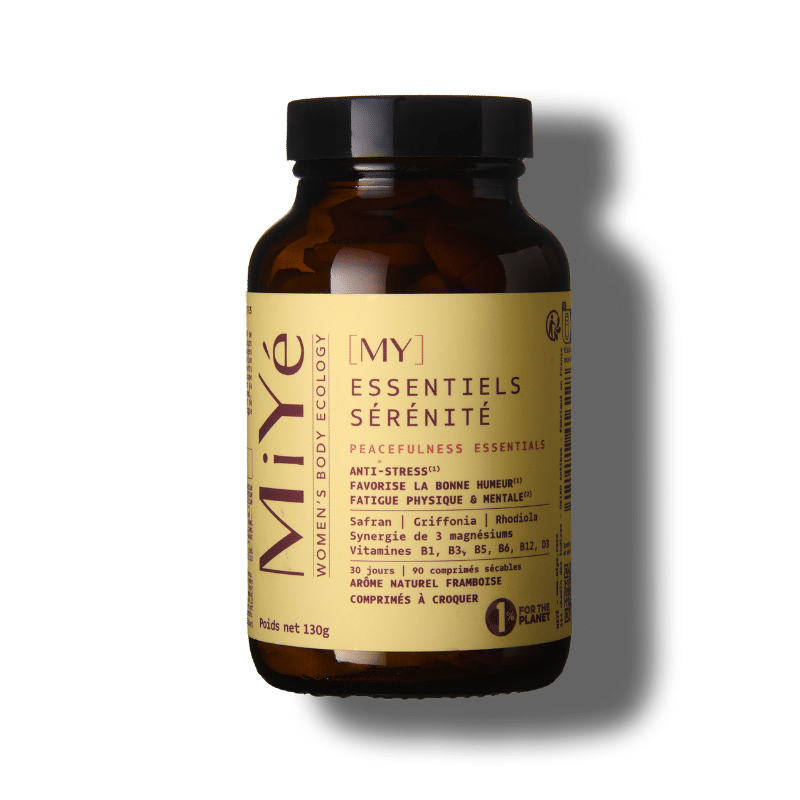
If you have trouble falling asleep or staying asleep, there are a number of natural products you can try, including taking dietary supplements containing magnesium such as [MY] Serenity Essentials.
How Does Stress Affect Our Hormones?
As we mentioned above, high levels of stress can lead to generalized hormonal disruption, with cortisol being a hormone that can be broken down from progesterone.
To reduce stress and keep your hormones in check, make sure to take time for yourself every day to relax and decompress. Whether it's taking a yoga class, reading your favorite book, or going for a long walk outdoors, find what works for you and make it a priority in your life. 30 minutes of brisk walking a day and/or 20 minutes of meditation can help you regulate your stress very effectively. Adaptogenic plants like ashwagandha have also shown benefits in modulating cortisol.
The effects of a stress-related hormonal imbalance can be diverse, notably affecting:
- The menstrual cycle, fertility, and libido in women, due to a decrease in estrogen and progesterone.
- Muscle mass, strength, and sperm quality in men, due to a decrease in testosterone.
- Weight and insulin resistance, due to an increase in blood sugar levels.
- Mental health, through alterations in brain function.
- Bone density, through increased bone fragility.
- The immune system, through lowered defenses.
- Sleep and the biological clock, due to a decrease in melatonin.
- The thyroid and development, through a disruption of thyroid hormones.
[MY] Women's Balance Essentials contains adaptogenic active ingredients, including ashwagandha, and key nutrients to support your rebalancing process.
Our products and advice are not intended to replace medical advice. In case of persistent symptoms, consult your doctor or a specialist in women's health. Only a healthcare professional can establish a diagnosis.
Which Foods Promote Hormonal Balance?
Hormonal balance plays a crucial role in our health, well-being, mood, libido, sleep, weight, and beauty. But which foods and nutrients can help us maintain this balance, and how can we integrate them effectively into our diet?
What you eat has a direct impact on your hormone levels. To naturally preserve your hormonal balance, it is important to adopt a diet rich in whole foods like fruits and vegetables, while avoiding processed foods as much as possible. Additionally, make sure to include a good amount of protein-rich foods as well as healthy fats like avocados and olive oil in your diet.
Here is a selection of key foods and nutrients to support the production and regulation of female hormones:
- Foods rich in zinc: Essential for the synthesis of sex hormones like estrogen and progesterone, zinc also helps with egg maturation and menstrual cycle regulation. It is mainly found in dark chocolate, peanuts, beef, veal, lamb, crab, and oysters. For women, the recommended daily dose is 10 mg, and 15 mg for pregnant or breastfeeding women.
- Foods rich in omega-3 fatty acids: These essential fatty acids, vital for proper cellular and hormonal function, are present in fatty fish, walnuts, eggs, sardines, trout, salmon, tuna, and oysters. It is advisable to consume at least two servings of fatty fish per week or to use fish oil or flaxseed oil supplements.
- Foods rich in fiber: Beneficial for intestinal transit, satiety, blood sugar control, and cholesterol, fiber also promotes the elimination of excess estrogen. Main sources include fruits and vegetables, whole grains, legumes, nuts, seeds, and broccoli. The recommended intake is 25 g per day for women and 30 g for men.
- Foods rich in iodine, selenium, vitamin D, and vitamin B12: These nutrients support the functioning of the thyroid, which produces thyroid hormones essential for metabolism. Iodine is found in seafood, milk, eggs, and seaweed. Selenium, which protects the thyroid, is present in Brazil nuts, seafood, and mushrooms. Vitamin D, available in dairy products and fatty fish, and vitamin B12, found in animal products, are also crucial.
How Does Physical Exercise Help Balance Our Hormones?
Exercise is not only excellent for your physical health; it also does wonders for your mental health and can help maintain your hormone levels and overall hormonal balance. When you exercise, you release endorphins which have positive effects on mood and help reduce stress levels. Furthermore, regular exercise can help regulate insulin levels and improve sleep quality, two important factors in preserving hormonal balance.
- Physical activity positively impacts our hormonal system, stimulating the production of certain hormones while regulating others. Here are some notable effects of exercise on our hormones:
- Physical exercise increases endorphins: These hormones, which reduce pain and generate well-being, pleasure, and euphoria, are released during physical exertion but also in response to stress, fear, joy, or laughter. They possess antidepressant, anxiolytic, and relaxing properties, and can improve sleep, libido, and self-confidence. Endorphins also influence sex hormones, increasing estrogen in women and testosterone in men.
- Physical exercise decreases cortisol: Known as the stress hormone, cortisol is produced in response to dangerous situations. While useful during acute stress, a long-term high cortisol level can inhibit the production of other hormones. Exercise helps reduce cortisol, promoting relaxation and the release of endorphins.
- Physical exercise regulates insulin: Essential for the utilization of glucose by cells, insulin production is regulated by exercise, which helps prevent or treat metabolic disorders like diabetes or obesity.
- Physical exercise influences sex hormones: It modifies the production of sex hormones, adjusting their levels according to the intensity and type of exercise.
As for the recommended types of exercise:
Cardiovascular exercises, such as running, cycling, or swimming, improve hormonal regulation by increasing endorphins, decreasing cortisol, and regulating insulin. A daily practice of 30 minutes at moderate intensity is advised.
- Muscle strengthening exercises, like weight training or Pilates, promote the production of growth hormones and testosterone, thereby contributing to hormonal balance. Ideally, they should be practiced at least twice a week, targeting different muscle groups.
- Flexibility and mobility exercises, such as yoga or tai chi, reduce cortisol and promote relaxation and sleep, while having a positive impact on hormonal balance. A weekly session is recommended to reap the benefits.
In conclusion, physical exercise is a pillar for hormonal balance, offering multiple benefits for our health and well-being. A regular, adapted, and varied physical activity routine is the key to optimizing this balance.
How to Avoid Toxins and Endocrine Disruptors to Maintain Hormonal Balance?
Environmental toxins can disrupt hormonal balance by mimicking or interfering with the action of hormones in the body. To protect yourself from these harmful toxins, avoid using synthetic chemicals as much as possible and make sure to choose organic fruits and vegetables when available. Also, be sure to consume filtered water to avoid drinking contaminants that could disrupt your hormone levels. Hormonal balance is vulnerable to the chemical substances present in our environment, known as toxins or endocrine disruptors (EDs).
Hormonal imbalances can wreak havoc on our physical and mental health, but fortunately, there are things we can do to prevent them from happening in the first place!
Toxins and EDs can influence hormones in several ways, including through:
- Hormone mimicry: substances like bisphenol A mimic or block the action of natural hormones.
- Hormonal interference: elements like phthalates disrupt the production and functioning of hormones.
- Hormonal modulation: compounds like omega-3s can adjust hormonal activity, compensating for imbalances.
To reduce our exposure to toxins and EDs, let's adopt simple daily practices:
- Filter water to remove contaminants and prefer bottles made of safe materials.
- Opt for organic products and natural foods, avoiding harmful chemicals.
- Prioritize safe packag
Frequently Asked Questions
Are plants alone enough to regulate my hormones?
No. Plants (like ashwagandha or magnesium) are effective supports, but only when integrated into a global healthy lifestyle: sleep, healthy diet, exercise, and emotional management. They do not compensate for poor nutrition or chronic stress.
Are there any foods that should be absolutely avoided to preserve hormonal balance?
Priority should be given to avoiding ultra-processed foods, excess refined sugars, and phthalates (found in certain plastics). Choose organic when possible to reduce exposure to endocrine disruptors.
When should I consult a doctor for a hormonal imbalance?
Consult a professional if you experience: persistent irregular cycles, extreme fatigue, severe mood swings, or unexplained infertility. A blood hormone test can help clarify your situation.
Sources
-
Livi – Hormonal imbalance: how to regulate it?
https://www.livi.fr/en-bonne-sante/desiquilibre-hormonal/
➤ (diet, sleep, stress management) -
Santé Magazine – Rebalancing hormones naturally
https://www.santemagazine.fr/sante/maladies/maladies-gynecologiques/desiquilibre-hormonal-comment-le-reguler-177346
➤ (practical daily solutions) -
Doctissimo – Hormonal disorders: natural solutions
https://www.doctissimo.fr/html/sante/femmes/sa_3902_troubles_hormonaux.htm
➤ (global approach to rebalancing)
![[MY] SMOOTHING BODY MASSAGE SERUM](http://www.miye.care/cdn/shop/files/Visuels_shop_82.png?v=1773304790&width=1000)
Share:
Endometriosis: solutions to relieve symptoms
Premenstrual syndrome: natural solutions to relieve it!
1 comment
Merci beaucoup pour toutes ces infos et surtout (gratuitement )