

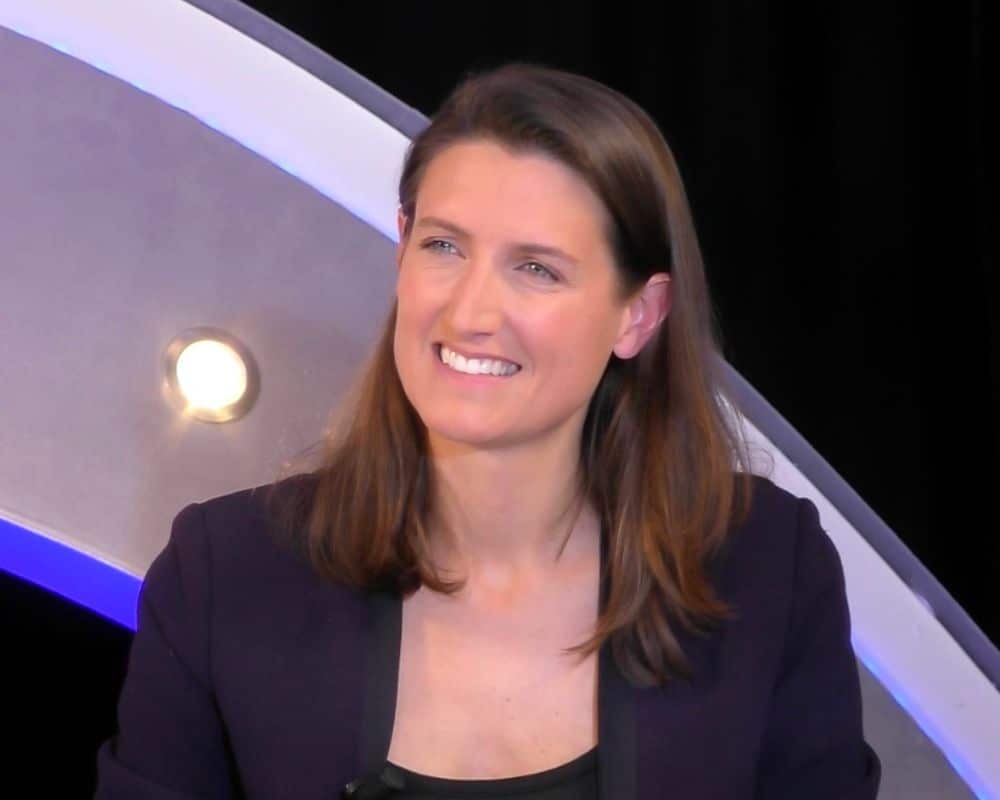
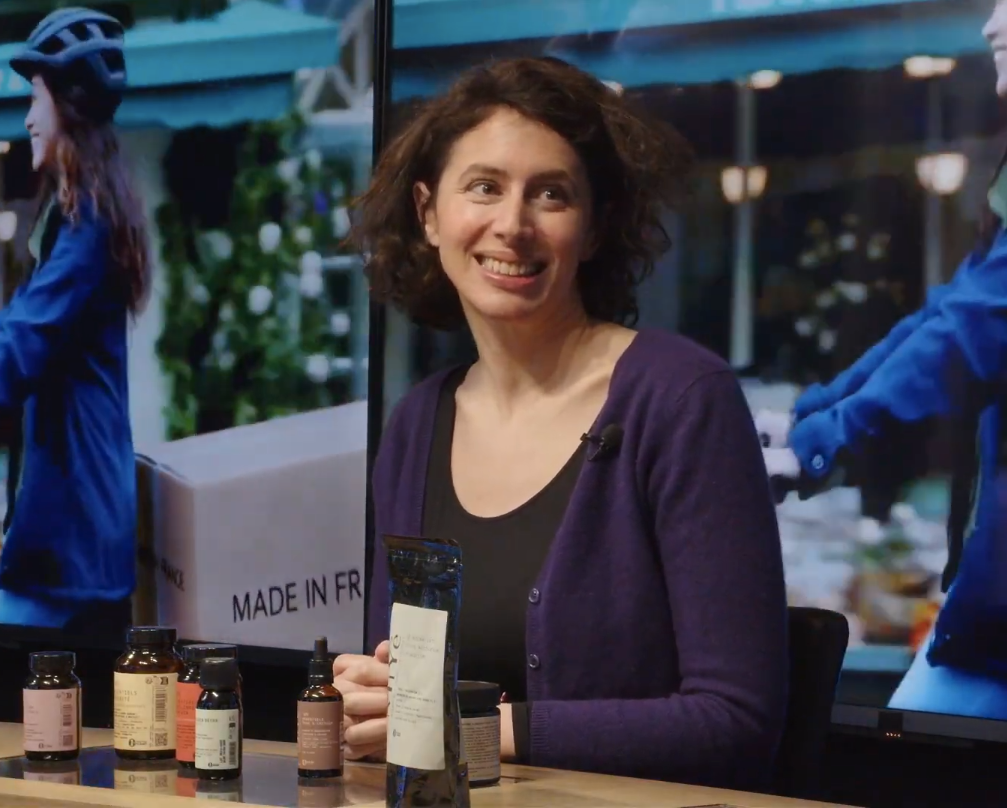

Véronique Liesse is a dietitian, nutritionist, and micronutritionist specializing in hormonal nutrition and co-author of the book “Hormones, arrêtez de vous gâcher la vie !”.
She turned to micronutrition to better support hormonal issues, convinced that nutrients (vitamins, minerals, antioxidants, etc.) play a key role in hormonal balance.
Her approach is based on the idea that diet and certain nutrients can support hormonal function, complementing—rather than opposing—medical treatments when these are necessary.
Hormonal nutritherapy aims, in particular, to support the thyroid, insulin, neurotransmitters, and the estrogen/progesterone balance in order to improve energy, mood, and certain hormonal symptoms.
Her goal is to help women better understand and manage their hormonal fluctuations through nutrition and lifestyle.
Author of the book “Hormones, arrêtez de vous gâcher la vie!”
Whom I highly recommend, Véronique was a valuable source of support for discussing the best essential nutrients for good hormonal balance.
Sharing the conviction that our environment (stress, pollution) harms our highly sensitive hormonal system, Véronique was of great help in sharing her experience and allowing me to move in the right direction.
What I really liked about Véronique? Her insight, her common sense, and her scientific rigor. A truly fascinating enthusiast!
A note from Véronique
Following the release of the book "Hormones, arrêtez de vous gâcher la vie!” co-authored with Vincent Renaud, Caroline contacted me to tell me about her project.
In all transparency, I didn’t know her, I had a very busy schedule, and therefore little time available. But in a few words, she managed to convey her desire to bring something new and sincere with such enthusiasm that I couldn't resist. I was won over by her main motivation: doing good for women naturally.
Why micronutrition?
A dietitian by training, I very quickly trained in micronutrition.
It seemed obvious to me... All these ingested foods are not just calories, proteins, carbohydrates, and lipids. They contain thousands of compounds (vitamins, minerals, antioxidants, various phytochemicals) that keep our internal chemistry at its best. But going from there to understanding the hormonal symphony in all its complexity...
For a long time, I felt helpless in the face of the hormonal troubles and disorders of some of my patients...
The suffering was real, but for many, they could not or did not wish to resort to hormonal treatment. For my part, it seemed impossible for me to provide them with any help, so deeply rooted was the belief that hormonal regulation could only be "medicinal." I felt powerless.
During my career, I had the chance to cross paths with many extraordinary nutritionists, such as Anne-Marie Roussel, Jacques Bassier, or Vincent Renaud, who passed on an additional tool through their teaching: hormonal nutritherapy.
Learning and understanding that nature overflows with treasures that are only there to improve our lives as women changed everything.
Of course, the use of hormones is sometimes essential. But the two approaches are not in opposition; they complement each other.
“Getting our energy factories running again”
Correcting a slight thyroid weakness to restore energy and get our energy factories running again to erase extra kilos and fatigue; getting insulin working properly to reduce inflammation and lose belly fat; boosting neurotransmitters to restore the joy of living, the desire to undertake projects, and facilitate sleep; promoting a balance between estrogen and progesterone to reduce the risk of cancer, breast cysts, fibrosis, hot flashes... All these keys have of course totally changed my approach and improved the quality of my support.
As a woman who has passed the half-century mark herself, it was also very useful not only for me personally but also to better understand the feelings of the women who came to see me.
It is therefore with great happiness and eagerness that I accepted to participate in this adventure.
Thank you to Caroline for inviting me to be a part of it.
Véronique Liesse
Dietitian, nutritionist, and micronutritionist
Author of the book “Hormones, Arrêtez de vous gâcher la vie!“
Which food regulates hormones?
There is no single miracle food, but some support hormonal balance:
-
fatty fish (omega-3)
-
cruciferous vegetables (broccoli, cabbage)
-
oilseeds and seeds (rich in healthy fats)
They help reduce inflammation and support hormonal metabolism.
What are the signs of a hormonal imbalance?
The most frequent are:
-
persistent fatigue
-
cycle disturbances
-
mood swings
-
acne or hair loss
These signs can be physical and emotional.
What is the best food for a hormonal imbalance?
There is no single “best” food.
But foods rich in fiber and healthy fats are essential:
-
legumes, whole grains
-
avocados, nuts, seeds
They stabilize blood sugar and participate in hormonal regulation.
How can I balance my hormones naturally?
The main levers are:
-
a low-sugar, nutrient-rich diet
-
regular physical activity
-
good sleep
-
stress management
For example, limiting sugar helps avoid insulin spikes, which disrupt hormonal balance.

Share:
Hormonal imbalance: What are the signs of a hormonal imbalance in women?
What nutrients are essential for proper hormonal function?
4 comments
Bonsoir Ana, celui qui vous conviendrait le mieux est “Equilibre Féminin”.
Bonjour,
Merci pour ce live si interessant. J’ai un souci de thyroïde, hyper pour le moment qui s’approche à l’hipo gentiment. Je me demandais si votre produit miyé/complément hormonal peut équilibrer le système hormonal et que la thyroïde se stabilise par la meme occasion ou pas ?
Merci beaucoup
Ana
Désolées mais nous n’avons pas de vocation de conseil médical, nous préférons vous orienter vers votre médecin traitant. En revanche, nous vous recommandons de boire une eau très faiblement minéralisée et beaucoup de fruits et légumes, peu de sucres et d’alcool.
Pourriez vous me conseiller pour une alimentation à suivre pour une insuffisance renale de type 4 merci