




OAT FLOUR
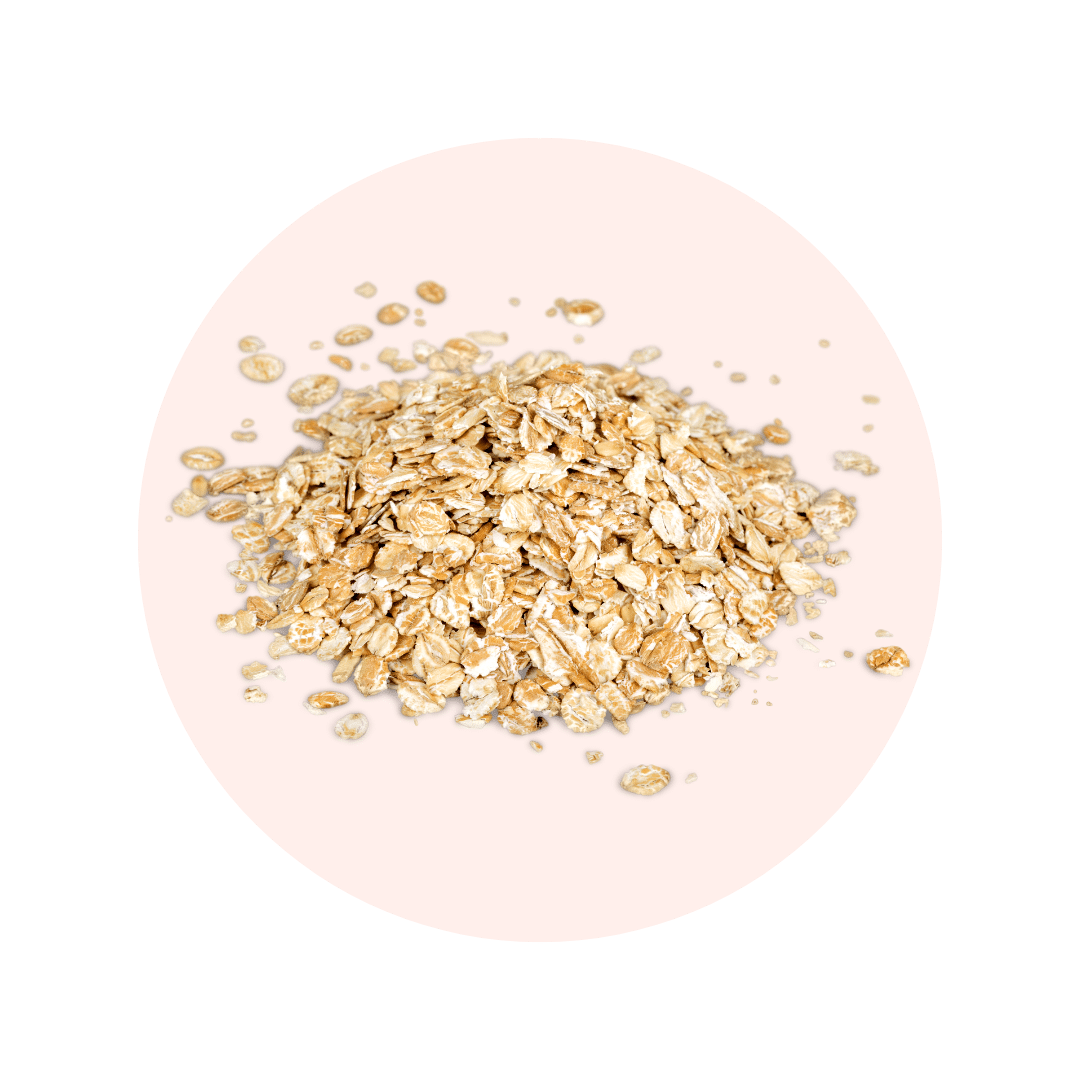
Oat flour is obtained by grinding oat grains (Avena sativa), a cereal appreciated for its nutritional richness and its multiple health benefits. It soothes dry scalp, reduces itching and strengthens and nourishes hair.

OAT FLOUR
HYDRATES ⎪ SOFTENS ⎪ SOOTHES
What is oatmeal ?
Oat flour is obtained by grinding oat grains (Avena sativa), a cereal appreciated for its nutritional richness and its multiple health benefits. Naturally gluten-free, it is ideal for people sensitive to this protein, although it is best to ensure its gluten-free certification, as it may be contaminated during its production. Rich in fiber, protein and essential nutrients, oat flour is used both in cooking and in cosmetics for its softening and nourishing properties.
This ingredient is rich in skin-beneficial compounds, such as proteins, lipids, vitamins and minerals. It is used in cosmetics for its soothing, moisturizing and softening properties. It can help reduce skin irritation, hydrate dry skin and make it softer and supple.
Concerning the hair, oatmeal helps tosoothe irritated scalp and reduce itching. It also has nourishing properties to strengthen hair and make it softer.
This ingredient is used in our hair densifying powder for its soothing and nourishing properties.
Where does oatmeal come from?
Oats are a cereal grain that has been cultivated for centuries, mainly in the temperate climates of Europe and North America. Its cultivation began around 2,000 years ago in European regions, and it quickly became an important food resource for northern populations due to its resistance to cold and humid climates. Today, oats are widely cultivated in many parts of the world for their nutritional benefits and various applications in food and cosmetics.
The oat grains are harvested, cleaned, then ground to obtain a fine, soft flour. This flour is used in a variety of recipes, from baked goods to skin care products.
Properties and active ingredients:
Oatmeal is a source of essential nutrients and bioactive compounds that make it a versatile ingredient for health and wellness. Here are its main components:
- Soluble fiber, including beta-glucans : The fiber in oatmeal helps regulate blood sugar, support digestive health, and reduce cholesterol.
- Plant proteins : Oatmeal contains an appreciable amount of protein, especially avenin, which helps build and repair body tissues.
- Vitamins and minerals : It is rich in B vitamins (notably B1 and B6), iron, zinc and magnesium, nutrients essential for the proper functioning of the body.
- Antioxidants (Avenanthramides) : These specific oat compounds have anti-inflammatory and antioxidant properties, beneficial for cardiovascular health and skin protection.
- Lipids and fatty acids : Oatmeal contains essential fatty acids, which contribute to maintaining cellular health and integrity of the skin.
Benefits of oatmeal:
Oatmeal is recognized for its many health benefits and is a popular ingredient in both nutrition and cosmetics.
Here are its main benefits:
- Soothes dry scalp.
- Reduces itching.
- Strengthens and nourishes hair.
- Cardiovascular health : Beta-glucans found in oatmeal help reduce cholesterol levels by forming a viscous gel in the intestine that helps trap and remove cholesterol, thereby supporting heart health.
- Blood sugar control : The soluble fiber in oats slows the digestion and absorption of carbohydrates, helping to regulate blood sugar levels and preventing blood sugar spikes, which is beneficial for people who have diabetes or want to maintain stable blood sugar levels.
- Digestive health : Oatmeal is rich in fiber, promoting good intestinal transit, and helps prevent constipation while supporting the intestinal flora.
- Satisfying effect and weight management : The fiber and protein in oatmeal provide a long-lasting satiety effect, which may be helpful for weight management by reducing cravings and promoting a balanced appetite.
- Benefits for the skin : When used topically, oatmeal is known for its soothing and moisturizing properties. It helps calm irritation, itching and soften the skin, making it a common ingredient in sensitive skin care and natural treatments for eczema.
How to consume oatmeal?
Oat flour is a versatile ingredient in cooking and cosmetics. Here are the main ways to use it:
- In the kitchen : Oat flour can be used as a partial or total substitute for wheat flour in baking recipes, such as muffins, pancakes, cookies, and cakes. It can also be mixed with other types of flour to obtain varied textures. Due to its richness in fiber, it can make preparations more filling and nutritional.
- Porridge and smoothies : For a healthy and nourishing breakfast, oatmeal can be added to porridges, smoothies or yogurts. It provides a creamy texture and an interesting nutritional contribution.
- In cosmetics : Mixed with water to form a paste, oatmeal can be applied directly to the skin as a mask. It can also be added to a bath to soothe skin irritations. For sensitive or eczema-prone skin, an oatmeal mask or bath can provide immediate relief.
Any side effects?
Oatmeal is generally well tolerated, but certain adverse effects may occur in certain special cases:
- Digestive sensitivity : Due to its high fiber content, excessive consumption may cause bloating, gas or a feeling of digestive heaviness in some people. It is therefore recommended to introduce oatmeal gradually if you are not used to consuming a lot of fiber.
- Cross contamination with gluten : Although naturally gluten-free, oats can be contaminated with gluten during cultivation or industrial processing. People with celiac disease or very sensitive to gluten should opt for certified gluten-free oat flour.
- Rare skin reactions : Although rare, some people may experience allergic skin reactions when using oatmeal products on the skin. It is recommended to do a test on a small area of the skin before first use.