




ORGANIC ACACIA GUM (GUM ARABIC)
Acacia gum, also called gum arabic, is a natural resin extracted from the bark of the acacia tree, a tree native to arid regions of Africa. It offers numerous benefits for the skin and cosmetic formulations, thanks to its moisturizing, film-forming and soothing properties.
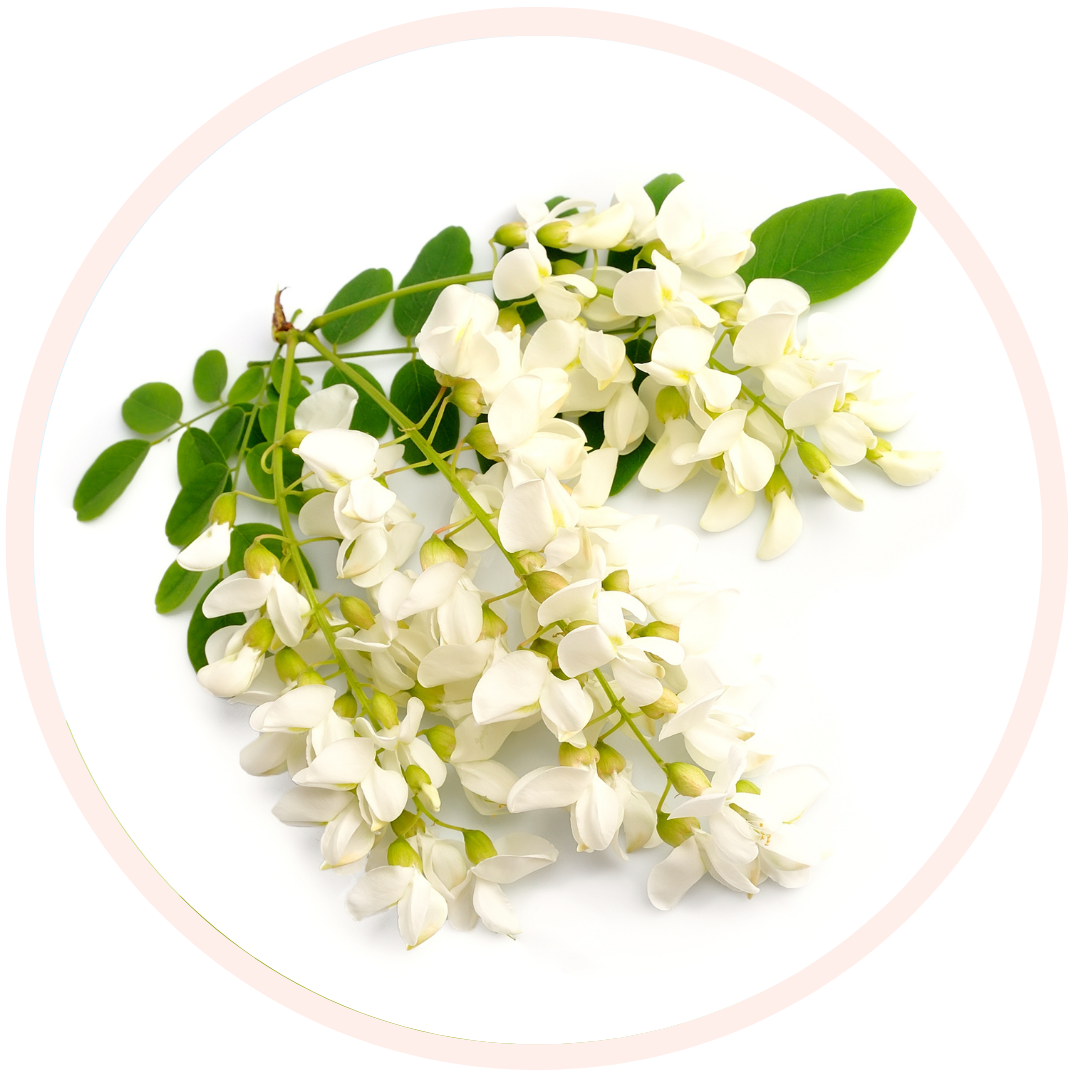

ORGANIC ACACIA GUM: support your digestion!
EXCIPIENT ⎪ THICKENER
What is organic acacia gum?
Acacia gum, also known as gum arabic, is a natural resin extracted from the bark of the acacia tree, native to Africa's arid regions. It is widely used in cosmetics, food and pharmaceuticals for its stabilising, thickening and film-forming properties. In cosmetics, organic acacia gum is prized for its hydrating and protective effects. Rich in polysaccharides, it forms a light, non-occlusive film on the skin's surface, helping retain moisture and bringing softness and elasticity. Thanks to its organic certification, organic acacia gum is also ideal for natural, environmentally friendly formulas.
It is a naturally derived product obtained from the sap of the acacia tree. We choose the organic form because it is grown without pesticides or chemicals that are harmful to the environment and to health.
It is used in our Women's Hormonal Balance supplement for its thickening, stabilising and prebiotic properties. It supports the growth of beneficial gut bacteria, aids digestion and supports the immune system. It belongs to the prebiotics family, alongside other fibres such as inulin.
Composition and active compounds
Organic acacia gum has several beneficial properties for skin and hair. Here are its main characteristics and actions:
- Film-forming effect: It forms a protective film on the skin, helping to retain moisture without clogging pores, while preserving the skin's natural balance.
- Hydration and softness: Rich in polysaccharides, it helps maintain hydration, leaving skin softer and more supple, ideal for dry and sensitive skin.
- Thickening and stabilising properties: It improves the texture of cosmetic products, allowing for a more pleasant, even application.
- Soothing properties: It calms irritated, red skin, thanks to its protective, non-occlusive effect.
- Light anti-ageing effect: Thanks to its natural tightening effect, organic acacia gum helps smooth the complexion and add firmness to the skin.
What are the benefits of organic acacia gum?
Organic acacia gum offers numerous benefits for the skin and for cosmetic formulas, thanks to its hydrating, film-forming and soothing properties. Here are its main benefits:
- Long-lasting hydration: By forming a light film, it helps maintain hydration, ideal for dry and sensitive skin that needs moisture retention.
- Protective effect against dehydration: Organic acacia gum protects the skin by creating a gentle barrier that prevents water loss, while still letting the skin breathe.
- Instant smoothing and firmness: Thanks to its tightening effect, it helps smooth fine lines and firm the skin, giving a more youthful appearance, a topic we cover in our Skin density loss and fine lines collection.
- Soothes irritation: It benefits skin prone to redness and irritation, thanks to its calming properties and its ability to protect without occluding.
- Improved texture of formulas: As a thickening agent, it makes cosmetic products more pleasant to apply, ensuring a silky, even texture.
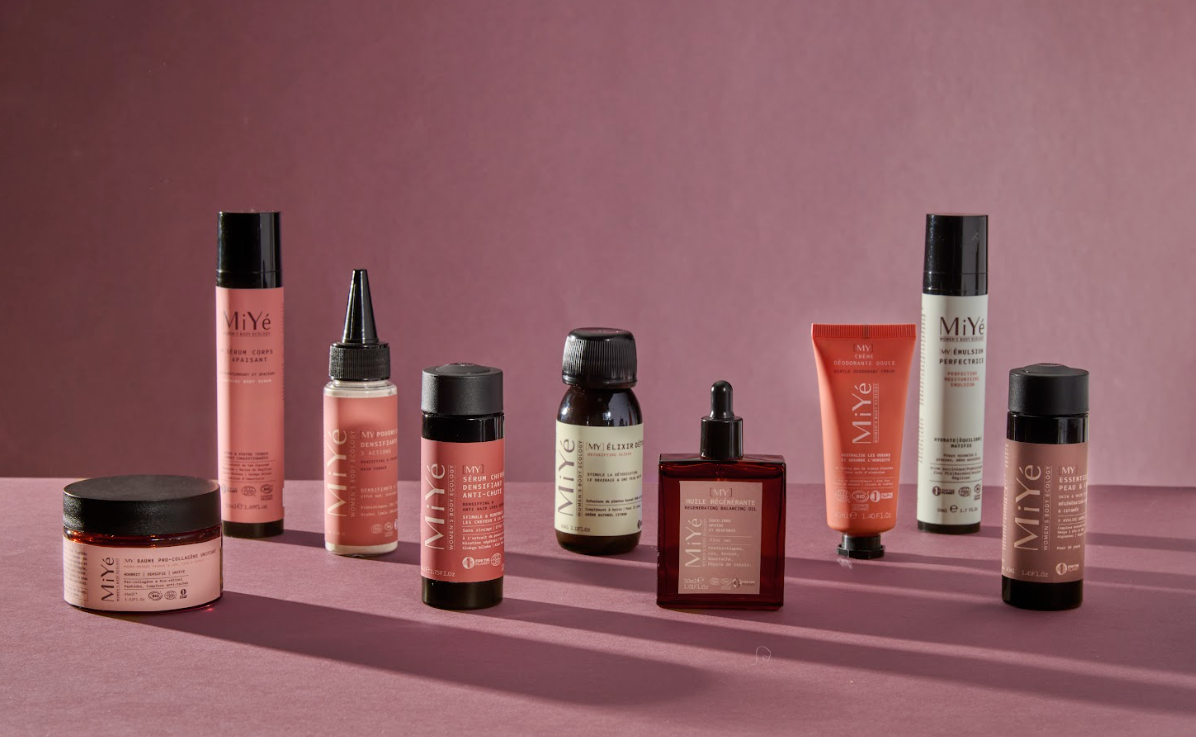
Organic acacia gum at the heart of MiYé products
[MY] WOMEN'S HORMONAL BALANCE
- Made with Ashwagandha, Rosemary, Lemon Balm, Vitamins B9, B12 and D
- 100% of testers reported a positive effect on their sleep*
- 100% of testers reported a positive effect on comfort during their cycle*
- Free from contraindicated phytohormones
Satisfaction tests carried out on 40 female beta-testers, average age 45.
Organic acacia gum is also found in [MY] Balance Pack and [MY] Holi Pack, which share the same tablet base as Women's Hormonal Balance.
How to use organic acacia gum
Organic acacia gum is mainly used topically in skincare and haircare products. Here are the main ways to benefit from this ingredient:
- Hydrating creams and lotions: It is often included in creams and lotions for its hydrating, film-forming effect, helping to prevent dehydration while softening the skin.
- Face masks: In masks, it helps form a protective layer that smooths the skin and provides a temporary lifting effect, as in our Natural & organic facial care collection.
- Serums and gels: Its light texture makes it an ideal ingredient for serums and gels, improving texture and giving a smooth, velvety finish.
- Hair products: It is also used in shampoos and hair care to improve texture, strengthen the hair fibre and add shine and softness.
- Makeup: In makeup, organic acacia gum is included to improve product texture and ease of application, ensuring better wear on the skin.
Note: Organic acacia gum is generally well tolerated by all skin types, including sensitive skin. It can be used daily without risk of irritation. A patch test is recommended for those with very reactive skin.
Any side effects?
Organic acacia gum is generally well tolerated, but some side effects may occur, although rare:
- Allergic reactions: In rare cases, an allergic reaction may occur. Symptoms include redness, itching or a mild rash. If a reaction occurs, stop use and consult a healthcare professional.
- Skin sensitivity: Very sensitive skin may experience mild irritation due to the film-forming effect. It is recommended to patch test before full use.
- Possible slight occlusion: On very oily skin, the film-forming effect may create a feeling of occlusion. In this case, it is advisable to use a small amount of acacia gum.
- Temporary tightening effect: The lifting effect is temporary and should not be mistaken for a lasting anti-ageing solution. Acacia gum is ideal for an instant cosmetic effect.
- Instability in DIY formulas: Acacia gum may cause texture variations in homemade cosmetic formulas. It is recommended to follow tried-and-tested recipes to ensure product stability.
Sources
Calame W., Weseler A.R., Viebke C., Flynn C., Siemensma A.D. "Gum arabic establishes prebiotic functionality in healthy human volunteers in a dose-dependent manner" British Journal of Nutrition, 2008. cambridge.org/core/journals/british-journal-of-nutrition