





INULIN
prebiotic fiber which helps improve digestive health during the female cycle. Not degraded by the body's enzymes, it helps to facilitate transit and to nourish and stimulate the activity of good bacteria in the intestinal and vaginal flora.


INULIN: Strengthen your immune system!
EXCIPIENT ⎪ ANTIOXIDANT
Definition: what is inulin?
Inulin is a natural soluble fiber, classified as a prebiotic, which is found in many plants, including chicory roots, artichokes, asparagus and onions. As a prebiotic, inulin nourishes beneficial bacteria in the gut, promoting a healthy microbiota and good digestion. It is also used in the food industry and dietary supplements to improve digestive health, regulate blood sugar levels and reduce calorie intake in low-fat products.
Inulin, found in the roots and rhizomes of plants such as chicory, Jerusalem artichokes and artichokes, is a fructose (sugar) polysaccharide, playing an essential role as a source of energy for plants.
In our body, it acts as a “prebiotic” soluble fiber and cannot be directly assimilated. Instead, it is fermented by the bacteria in our intestinal microbiota, promoting their growth and the production of Short Chain Fatty Acids (SCFA). These may have beneficial effects on blood sugar regulation, gut health and weight control. In addition, the presence of inulin in foods can contribute to a feeling of satiety, while being low in calories.
Finally, by promoting the growth of good intestinal bacteria, inulin helps maintain a balanced microbiome, which can strengthen our immune system.
In [MY] Serenity Essentials, the prebiotic action of inulin helps influence the glycemic index and reduce cravings.
In [MY] Essentials Intimate & intestinal flora, inulin helps improve digestive health by
promoting the growth of beneficial intestinal bacteria.
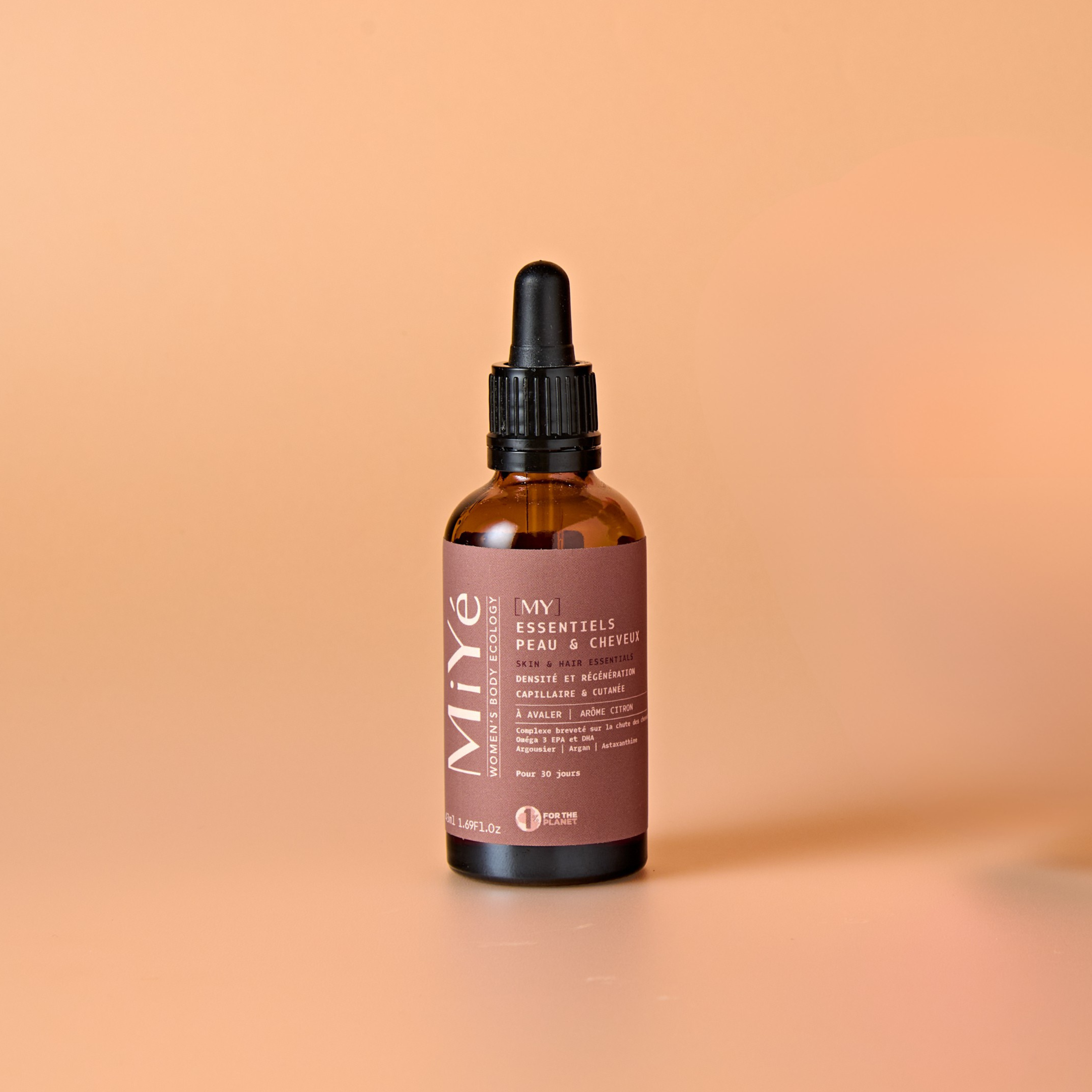
Inulin is also used for cosmetic treatments. In fact, it prevents dehydration and has softening properties for the skin and the hair. It is also a natural non-ionic hair conditioner, meaning it smoothes the hair fiber (without interaction with surfactants). It is used in our hair densifying powder.
Where does inulin come from?
Inulin occurs naturally in many vegetables and plants, particularly in chicory roots, from which it is commonly extracted for commercial use. Because of its natural sweetness and texture, inulin is often added to food products to replace sugar or fat while maintaining a pleasant texture. It is also transformed into a food supplement for its beneficial effects on the gut health and digestion.
Properties and active ingredients
Inulin has specific properties that make it beneficial for digestive and metabolic health. Here are its main characteristics and effects:
- Natural prebiotic : Inulin promotes the growth of good bacteria in the intestine, contributing to a balanced microbiota and healthy digestion.
- Soluble fiber : As a soluble fiber, inulin absorbs water and forms a viscous gel in the digestive system, helping to regulate digestion and intestinal transit.
- Low glycemic index : Inulin has a low impact on blood sugar levels, making it an ideal choice for people monitoring their blood sugar levels.
- Satiety effect : By slowing digestion, inulin can help prolong the feeling of fullness, which can be beneficial for weight control.
What are the benefits of inulin?
Inulin offers many health benefits, particularly for digestion, microbiota and metabolism. Here are the main benefits of this prebiotic fiber:
- Improved gut health : By nourishing beneficial bacteria in the intestine, inulin promotes a balanced microbiota, thereby reducing the risk of digestive disorders and improving nutrient absorption.
- Regulation of intestinal transit : Thanks to its ability to form a gel in the digestive system, inulin helps prevent constipation and regulate intestinal transit, promoting better digestive comfort.
- Blood sugar control : Inulin, with its low glycemic index, helps stabilize blood sugar levels, making it an excellent choice for people with diabetes or looking to reduce blood sugar spikes.
- Weight control support : By increasing the feeling of fullness, inulin can help reduce calorie consumption, contributing to weight management and reducing food cravings.
- Reduction of triglycerides : Some studies show that inulin can help reduce blood triglyceride levels, thereby contributing to cardiovascular health.
- Is a prebiotic, that is to say it nourishes the good bacteria present in our intestine.
- Contributes to blood sugar regulation and weight control.
- Helps reduce cravings by promoting a feeling of fullness.
- Smoothes the hair fiber.
How to consume inulin?
Inulin is included in many food products and supplements for its beneficial effects on digestive health. Here are the main ways to consume it:
- Food supplements : Inulin is available in powder or capsules as a supplement for digestive support. It can be added to water, smoothies or yogurts. The recommended dose ranges from 3 to 10 grams per day, depending on needs.
- Food products : Inulin is often added to dairy products, energy bars and low-fat products for its texturizing effect and its fiber intake.
- Cooking ingredient : In cooking, inulin powder can be added to recipes for pastries, sauces and drinks to increase fiber intake and promote satiety.
Note : It is recommended to start with small doses of inulin, as it can cause bloating and gas in some people. Gradually increasing the dose can help the digestive system adapt to it.
Any side effects?
Inulin is generally well tolerated, but certain side effects can occur, especially in case of excessive consumption or for people sensitive to fiber:
- Bloating and gas : Due to its fermentation in the intestine, inulin can cause bloating and gas, especially when consumed in large quantities.
- Digestive discomfort : Some people may experience abdominal cramps or digestive discomfort, especially when first starting to take inulin. It is advisable to start with a low dose.
- High dose laxative effect : Excessive consumption of inulin can cause diarrhea. It is therefore recommended to follow the recommended doses.
- Interactions with irritable bowel syndrome (IBS) : People with IBS may be sensitive to inulin because it can make digestive symptoms worse. It is best to consult a health professional before consuming it if you have this type of disorder.