




SUMMARY
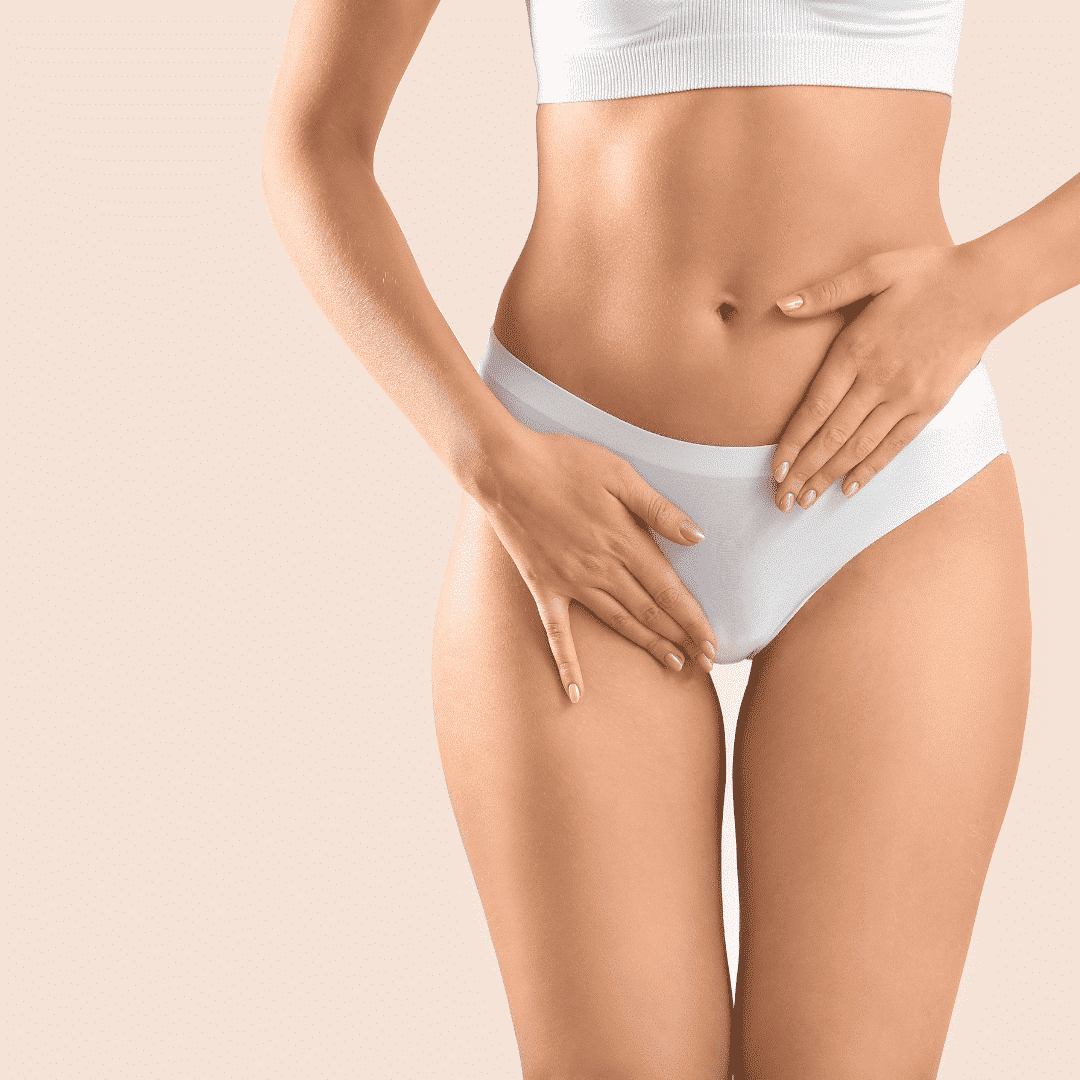
Intimate dryness refers to a reduction in the natural lubrication of the vagina, which can cause discomfort, irritation and pain during sexual intercourse.
It can be linked to various factors, including hormonal changes, certain medications, stress or an imbalance in the intimate microbiome.
The urogenital microbiome plays an essential role in the balance of the intimate area, as it helps maintain a protective pH and prevent infections.
Solutions exist to relieve intimate dryness, such as the use of suitable moisturising products, gentle hygiene practices and lifestyle habits that support intimate flora balance.
What is the physiology of the vulva and vagina?
The vulva
This is the external part of your genitals. There is no such thing as a NORMAL vulva! The goal is to feel comfortable with your vulva. We incorrectly use the terms "labia majora" and "labia minora" when we should say outer labia and inner labia, to avoid implying that the inner labia are always hidden by the outer ones. The most important thing is that your vulva feels comfortable and is always slightly moist.
The vulva may have a slight odour, and that is thanks to pheromones! It is a good thing! Do not try at all costs to mask this odour. If it bothers you, speak to your midwife or doctor. Intimate hygiene soaps are nothing but marketing! You can wash with whatever you like, as long as you only wash the area where, in theory, there is hair. Rinse with clean water and dry gently.
Comfortable in your vulva, comfortable in life!
The vagina
The vagina is a canal made up of a mucosa and a muscular layer, measuring on average 9.6 cm. It is capable of stretching under the effect of arousal. It must always be well lubricated to remain comfortable. It is home to our defence army: the lactobacilli that make up the Döderlein flora. The secretions produced by the vaginal walls serve the vagina's self-cleaning system! It is therefore unnecessary to wash the inside of the vagina during personal hygiene.
A secreting vagina is a healthy vagina!

The perineum
The perineum is a large muscle that closes the lower part of our abdomen. It is made up of several layers. It works like a trampoline: it is able to contract as it lifts and relax as it lowers. Everyone should know about it! It is used to hold in, of course, but most of the time it should be supple and well relaxed, otherwise it can cause issues such as difficulty inserting a tampon, or pain during penetrative intercourse...

Normal vaginal secretions
- Transudate fluid: Passage of serum through the vaginal mucosa following local haemodynamic changes: this is the vagina perspiring, which is a sign of healthy functioning.
- Cervical mucus: Secreted by the inside of the cervix, translucent, with the appearance and consistency of raw egg white; variable in quantity, at its greatest around ovulation under the influence of oestrogens; mechanical action through outward-directed flow (plug and flush effect); chemical action: antibacterial barrier.
- Secretions have a natural acidity that explains the discolouration of underwear. The routine use of panty liners is not recommended.
- Pay attention if secretions become thick, white, malodorous, or are accompanied by discomfort, pain or itching... You should consult a healthcare professional.
- Wash the vulva with water or a normal soap or one with a physiological pH (i.e. acidic, below 5), once a day, dry gently, and do not hesitate to apply sweet almond oil to the vulva if it is sensitive. No need for wipes or vulvar deodorants... You should feel comfortable with your vulva. Vulvar mantra: happy vulva, silky vulva!
Happy vulva, silky vulva!

The urogenital microbiome: why does it matter?
The microbiome is a community of micro-organisms living in a given environment. The urogenital microbiome is in fact made up of several microbiomes, all interconnected with one another. The vaginal microbiome, the most well-known, is made up predominantly of lactobacilli in healthy, non-menopausal women. The urogenital microbiome also includes the urinary microbiome, the endometrial microbiome, and the perineal and vulvar microbiome. The whole system is connected to the gut microbiome and interacts with the partner's microbiome. In the event of recurring urogenital conditions, a holistic approach to the patient's care is necessary.
A balanced urogenital microbiome is dominated by oestrogen-dependent lactobacilli. It is estimated that approximately 40% of potentially pathogenic agents exist within the microbiome and can develop when changes disrupt its balance. They can cause infections, vaginal dryness, dyspareunia (pain during intercourse), changes to the endometrium, as well as premature birth, miscarriages, IVF failures and possibly cancers.
The factors that disrupt intimate comfort are many: courses of antibiotics, smoking, a decrease in oestrogen levels at menopause or postpartum, frequent changes of sexual partners, diabetes, overweight, obesity, chronic stress, immunosuppression, as well as poor hygiene practices...
In which situations should we think about probiotics?
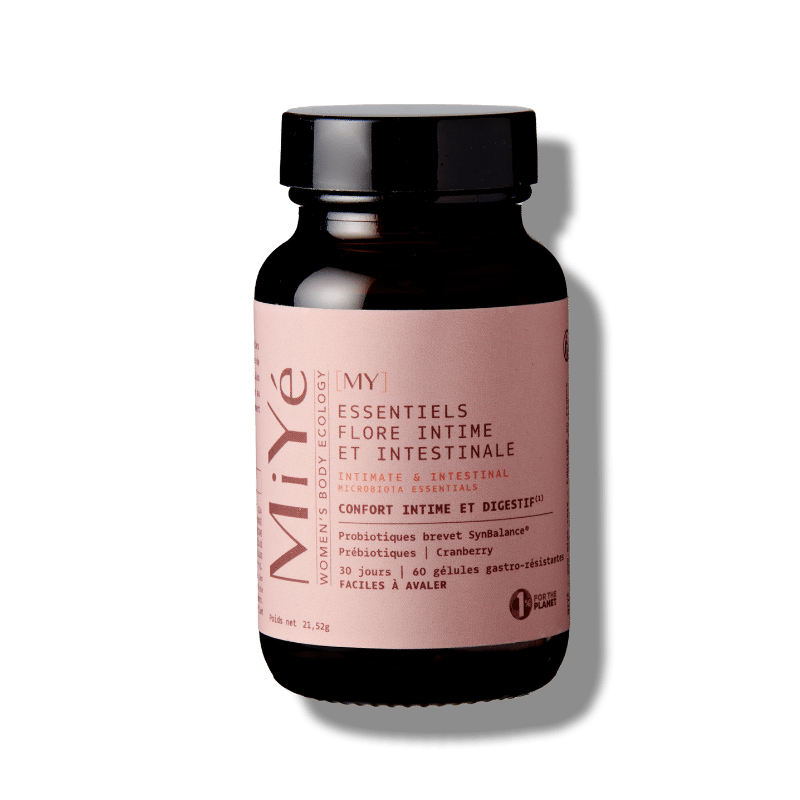
In any situation where there is a risk of urogenital microbiome imbalance, it is appropriate to use strains specific to the vaginal microbiome, primarily lactobacilli. When taking antibiotics, women at risk of candidiasis should be advised to take probiotics rather than being automatically prescribed antifungal pessaries as a preventive measure. Antibiotics can indeed cause yeast infections but also bacterial vaginosis, for which antifungals will have no effect. Vagina-specific probiotics can be taken orally during and for at least one week after the end of antibiotic treatment. Recent studies have shown that Saccharomyces yeasts, well known for their effectiveness on the gut microbiome, may also be active at vaginal level.
In the case of recurring infections, daily or divided intake of probiotics for at least three months, with a gradual reduction, may be advised, provided that other risk factors such as smoking, lack of physical exercise and stress are eliminated or reduced...
Probiotics are not magic. They should not become automatic but rather be used for specific indications. Formulas combining probiotics and herbal medicine can be interesting, for example in cases of frequent urinary tract infections, while also addressing other causes such as constipation, digestive issues and poor or inappropriate hygiene. Hence the importance of a personalised approach for each patient.
As oestrogen levels decline during menopause, changes in the urogenital microbiome manifest as vaginal dryness and pain during intercourse... Probiotic-based preparations, taken in courses 2 to 3 times a year during the perimenopause period, around the age of 45 to 47, give good results. According to some data, a woman who has sufficient vaginal lactobacilli at the onset of menopause will experience 10 times less dryness and 4 times less pain compared to a menopausal woman without lactobacilli. Menopause can therefore be prepared for with probiotics and vegetable oils such as evening primrose or borage!
What is vaginal and vulvar dryness?
A common phenomenon, vaginal and vulvar dryness is a taboo subject. Yet it is thought to affect more than one woman in six at different points in their lives. More common during menopause, it increases vulnerability to gynaecological infections and can disrupt a couple's sexual harmony. Solutions for intimate dryness exist, so do not hesitate to take action for your intimate comfort!
Intimate dryness: definition
We speak of intimate dryness (vaginal dryness or vulvovaginal dryness) when the vagina or vulva is not adequately hydrated. Vaginal dryness can disrupt the balance of the vaginal flora. The physical and psychological impact is not insignificant. Vaginal lubrication comes from the vaginal transudate and cervical mucus depending on the cycle. Vulvar lubrication comes from natural secretions produced by Skene's and Bartholin's glands. It is therefore possible to experience vulvar or vaginal dryness, or both.
According to some studies, pain during intercourse is present in 85% of patients experiencing dryness, as is a reduction in sexual activity (83%). 57% of women feel that this issue has been or is the cause of serious problems within their relationship. Again, patients over 40 are more affected. Among women who do not seek help, over 5% have stopped having sexual intercourse. Very common, vaginal dryness affects 25% of women before menopause and 30% to 55% after, at some point in their lives. Vaginal and vulvar dryness remains a largely taboo subject, often hidden from doctors, gynaecologists and midwives. Suitable solutions exist to help restore better comfort.
Vaginal secretions come from glands located at the entrance to the vulva and from a vaginal transudate. The glands secrete a slightly viscous fluid every day which serves to rid the vagina of dead cells and other impurities or germs. Vaginal secretions form, so to speak, a self-cleaning system for the uterus and vagina (dead cells, etc.). In the vulva, more precisely in the muscle that helps the vulva to contract, Bartholin's glands produce a flowing, colourless fluid that contributes to the hydration of the vagina and the inner labia. Arousal and pleasure trigger the lubrication of the vagina in preparation for sexual activity.
How to identify intimate dryness?
To identify intimate dryness, the doctor or midwife will try to learn more about their patient through a medical consultation: the symptoms described by the patient and their experience (absence of natural lubrication, feeling of dryness, daily discomfort, friction from clothing, vulvar itching...)
This is followed by a clinical and gynaecological examination (absence of vaginal and vulvar secretions and moisture). A vaginal swab may also be taken to assess the quality of the vaginal flora.
What are the symptoms and functional signs of intimate dryness?
- Burning sensations
- Irritation or local inflammation
- Vulvar itching: itching is more of a vulvar symptom, as vaginal itching is rare. There are not many itch receptors in the vagina. If a woman feels the urge to scratch, the issue originates in the vulva. The vulva is skin. It can therefore suffer from dehydration, lipid depletion, irritation caused by unsuitable soaps, or dry eczema.
- Redness of the external genitals
- Appearance of small fissures
This intimate dryness can lead to greater sensitivity to infections and can affect a couple's relationship, as it can cause pain during sexual intercourse (dyspareunia), as well as a reduction in libido and an impact on quality of life.
During certain periods of life, the vaginal mucosa changes and becomes more fragile. It can lose elasticity, as well as its moisturising and acidifying qualities and its self-cleaning capacity.
What are the contributing factors to intimate dryness?
- Hormonal causes: Menopause, hormonal changes and pregnancy.
Other main factors include psychological factors, vaginal infections, stress and medical treatments, as well as contraceptive methods. Further causes also exist: smoking, alcohol and inappropriate intimate hygiene can all affect lubrication.
Menopause is defined by the cessation of ovarian function, resulting in an oestrogen deficiency responsible for well-known clinical signs. For hormonal reasons, menopausal women are the most affected by vaginal and vulvar dryness. Furthermore, 40% of women taking hormone replacement therapy (HRT) may experience vaginal dryness.
- In the case of sicca syndrome: this manifests when the secretions of the body's mucous membranes are not optimal. It causes a range of symptoms: dry eyes, lack of saliva, dryness in the bronchi or skin... Vulvar dryness may also be observed.
It is sometimes caused by the use of medications (low-dose oestrogen contraceptive pills, antidepressants, anti-allergy medications, acne treatments, diuretics...) or certain autoimmune conditions, such as Sjögren's syndrome (in which antibodies attack the body's glands).
- In the case of a skin condition: lichen, eczema and psoriasis can affect various areas of the body, including the vulva.
- Vulvodynia, which manifests as burning sensations in the vulva, causing reflex muscle hypertonia.
- Intimate laser hair removal worsens vulvar irritation and vaginal dryness. Not only does laser hair removal of the genital area destroy the hair bulb, but it also destroys the sebaceous glands. These glands are responsible for producing the hydrolipidic film that moisturises and protects the skin of the vulva. On one hand, intimate laser hair removal damages this film; on the other, it removes the small cushion of hair that protects the vulva from friction, which is a source of irritation.
- All medications or substances that dry out the mouth and tongue are likely to dry out the vaginal mucosa, including antihypertensives and acne treatments (such as Roaccutane).
Differential assessment
Herpes outbreak, eczema, psoriasis, vaginal yeast infection (note that a key difference is the presence of heavy discharge during a yeast infection, which is not the case with vulvar dryness).
What solutions exist for intimate dryness?
- The very first thing to do is to talk about it. Talking will help in the first instance to release the stress that this discomfort causes.
- If the discomfort only occurs during intercourse, an intimate lubricant will be enough to bring relief. Consider a hyaluronic acid-based lubricant.
- If the discomfort persists throughout the day, a simple lubricant will not be sufficient. The best course of action would be to make an appointment with your gynaecologist or midwife, who will prescribe an appropriate solution. In the meantime, or if the discomfort is manageable, regularly apply an intimate zone cream ( Rebalancing Intimate Moisturising Gel) or a vegetable oil (sweet almond, jojoba, evening primrose, borage). These are often enriched with soothing plant extracts. You can enhance their effect by obtaining lubricating pessaries from the pharmacy, often plant-based, or evening primrose oil capsules that can be used intravaginally. Also consider probiotics specific to the intimate area, taken orally.
- Good hygiene: washing the vulva once a day in the shower is sufficient. It is not recommended to use soaps internally as they will dry out the fragile mucosa. Opt for a gentle cleanser or simply rinse with clean water, taking care to dry the area thoroughly (by patting rather than rubbing vigorously!). No vaginal douching!!
- A corticosteroid-based cream in cases of eczema or psoriasis, on prescription from your doctor or midwife.
- A female hormone-based cream (particularly for menopausal women), on prescription from your doctor or midwife.
- To help manage intimate dryness, it is important to avoid certain risk factors that can trigger it, which, in most cases, will restore normal hydration levels.
- Laser treatment: certain cancer treatments have a very damaging effect on the vaginal mucosa, to the point of causing intolerable pain. For women who cannot take hormones and are not sufficiently relieved by other methods, there is now the option of stimulating the mucosa with vaginal laser treatment (Mona Lisa laser). Sessions are costly (300 euros or more), but their effectiveness is remarkable when the indication is well established.
-
Plants to soothe irritation:
- Aloe vera, anti-inflammatory and moisturising, is found in many preparations.
- St John's wort oil can be used as a local application, morning and evening. It is nourishing, healing, anti-inflammatory, analgesic, antibacterial, antifungal and antiviral.
- Hyaluronic acid: this molecule exists naturally in the dermis and epidermis. It absorbs water and protects tissues against drying out. Hyaluronic acid creams and pessaries are sufficient for mild vaginal dryness. They plump up the mucosa and restore suppleness. Some studies suggest that over time, hyaluronic acid leads to re-epithelialisation of the mucosa. In other words, the simple act of moisturising supports a degree of mucosal regeneration.

[MY] Soothing Intimate Mist is a mist specifically designed to refresh, hydrate and relieve intimate discomfort, while contributing to the preservation of a healthy intimate flora.
Prevention and advice
To prevent vaginal dryness, it is important to maintain good local hygiene without overdoing it, and to avoid using overly aggressive products. Alcohol, tobacco and other substances should be avoided, and wearing underwear made from non-abrasive materials such as cotton is recommended. It is also important to maintain an excellent lifestyle in order to manage daily stress. Sexual intercourse should also take place after adequate vaginal lubrication, whether natural or with the help of lubricants.
What advice can you follow to maintain good intimate hygiene?
First and foremost, it is important to know that the vagina is self-cleaning and does not need to be cleaned internally. Vaginal douching is therefore to be avoided and is fortunately becoming less and less common. External cleansing remains essential, however, and has a strong influence on the balance of the urogenital microbiome. The reservoir of lactobacilli, which are the guardians of vaginal health, is located in the rectum. When vaginal lactobacilli decrease, lactobacilli migrate from the rectum to the vagina via the perineal skin. If antiseptics are used daily or during infections, there is a significant risk of reducing normal vaginal colonisation, leading to the risk of persistent infections. In addition, the migration of lactobacilli is facilitated by the hydrolipidic film located on the surface of the skin. Washing too frequently with water or with soaps and shower gels that are too stripping damages this endogenous hydrolipidic film and leads to dryness of the mucosa.
When does hygiene become too much?
Once a day is sufficient, provided the area is rinsed and dried properly. Women who wash after every urination or bowel movement should be cautioned, as too many washes over time have a damaging effect. For optimal hygiene, avoid washing with unsuitable products such as shower gels or standard soaps, like Marseille soap, which are too stripping and drying. It is worth remembering that this area is specific, sensitive and fragile. The intimate hygiene product should therefore respect the area's natural moisture on one hand, and the local microbiome on the other. Moisturising and superfatted products are particularly well suited to this anatomical area. Good hygiene habits can be learned from a young age, with young girls following their mother's example and using the same products as her.
The author:
Article written by Camille Tallet, midwife and osteopath, specialising in gynaecological pain. She is president of the "Périnée Bien-aimé" association, which brings together healthcare professionals to raise awareness of vulvar pain and its management.
Sources:
INSERM — Menopause and hormonal changes
https://www.inserm.fr/dossier/menopause/
Ameli (French Health Insurance) — Vaginal dryness: causes and management
https://www.ameli.fr/assure/sante/themes/menopause/secheresse-vaginale
Mayo Clinic — Vaginal dryness
https://www.mayoclinic.org/symptoms/vaginal-dryness
CNGOF (French National College of Gynaecologists and Obstetricians) — Vulvovaginal health and microbiome
https://www.cngof.fr/
NHS — Vaginal dryness
https://www.nhs.uk/conditions/vaginal-dryness/


![[MY] Gel intime hydratant rééquilibrant](http://www.miye.care/cdn/shop/files/Design_sans_titre_11.png?v=1788166395&width=3797)
Share:
The link between the menopause and osteoporosis in 5 questions
How can you reconnect with yourself and with others?
1 comment
Merci ces informations me sont très utiles.