







Key Takeaways
Hormones are synthesized from the nutrients we consume, making food the direct fuel for our endocrine system.
Healthy fats, such as omega-3s from fatty fish and avocados, are essential for sex hormone production and reducing inflammation.
Excessive consumption of refined sugars causes insulin spikes that disrupt ovulation and promote fat storage.
Cruciferous vegetables, such as broccoli, help the liver detoxify used estrogen, thereby preventing cycle imbalances.
Hormonal balance is vital for our overall health, influencing our mood swings, energy, cycle, and daily comfort. What we eat plays a much bigger role than we might think in how hormones are produced, regulated, and then eliminated by the body.
A tailored diet doesn't solve everything overnight, but it is one of the most accessible ways to support a better hormonal balance for the long term.
Hormones, acting as true chemical messengers, regulate numerous bodily functions. A hormonal imbalance, often caused by a stressful lifestyle or a poor diet, can lead to symptoms like fatigue, sleep disorders, skin problems, and even serious complications like PMS or fertility issues since diet and cycles are deeply connected.
Learning how to adjust your nutrition is therefore essential for optimal hormonal health. This article will reveal the foods to prioritize, those to avoid, and the dietary habits needed for a hormonal rebalancing in women.
Why Does Our Diet Impact Our Hormonal Balance?
The Role of Nutrients in Hormone Production
Diet plays a significant role in the production and regulation of the body's hormones. These hormones are synthesized from specific nutrients, notably proteins, healthy fats, as well as essential vitamins and minerals.
For instance, proteins serve as building blocks for hormones by providing the amino acids necessary for their synthesis. On the other hand, healthy fats, such as omega-3s, play a key role in sex hormone production and the regulation of inflammation, both of which are essential for maintaining an optimal hormonal balance.
How Nutritional Deficiencies or Excesses Disrupt Hormones
Nutritional deficiencies or excesses can have a major impact on hormonal balance. A diet high in refined sugars and trans fats, for example, can cause blood sugar spikes followed by sudden crashes. This triggers cravings, mood swings, and disrupts the regulation of insulin and estrogen, two vital pillars of hormonal equilibrium.
Conversely, a deficiency in essential nutrients like magnesium, zinc, and B vitamins can hinder hormone production and regulation. These shortages can lead to symptoms such as menstrual cramps, irritability, or sleep disturbances.
The Importance of Macronutrients and Micronutrients in Hormonal Metabolism
Both macronutrients (proteins, carbohydrates, and fats) and micronutrients (vitamins and minerals) are essential for the proper functioning of hormonal metabolism. Low glycemic index carbohydrates, such as legumes and whole grains, stabilize blood sugar levels and prevent energy spikes followed by emotional crashes.
Plant proteins, meanwhile, support ovulation and the production of sex hormones. Finally, micronutrients like magnesium and zinc act as real superheroes: they soothe muscles, reduce menstrual cramps, regulate hormones, and boost immunity.
Foods That Promote Good Hormonal Balance
To maintain optimal hormonal balance, it is crucial to incorporate foods rich in specific nutrients into your diet. Here are a few food families and concrete examples that can help you:
Nuts and Seeds
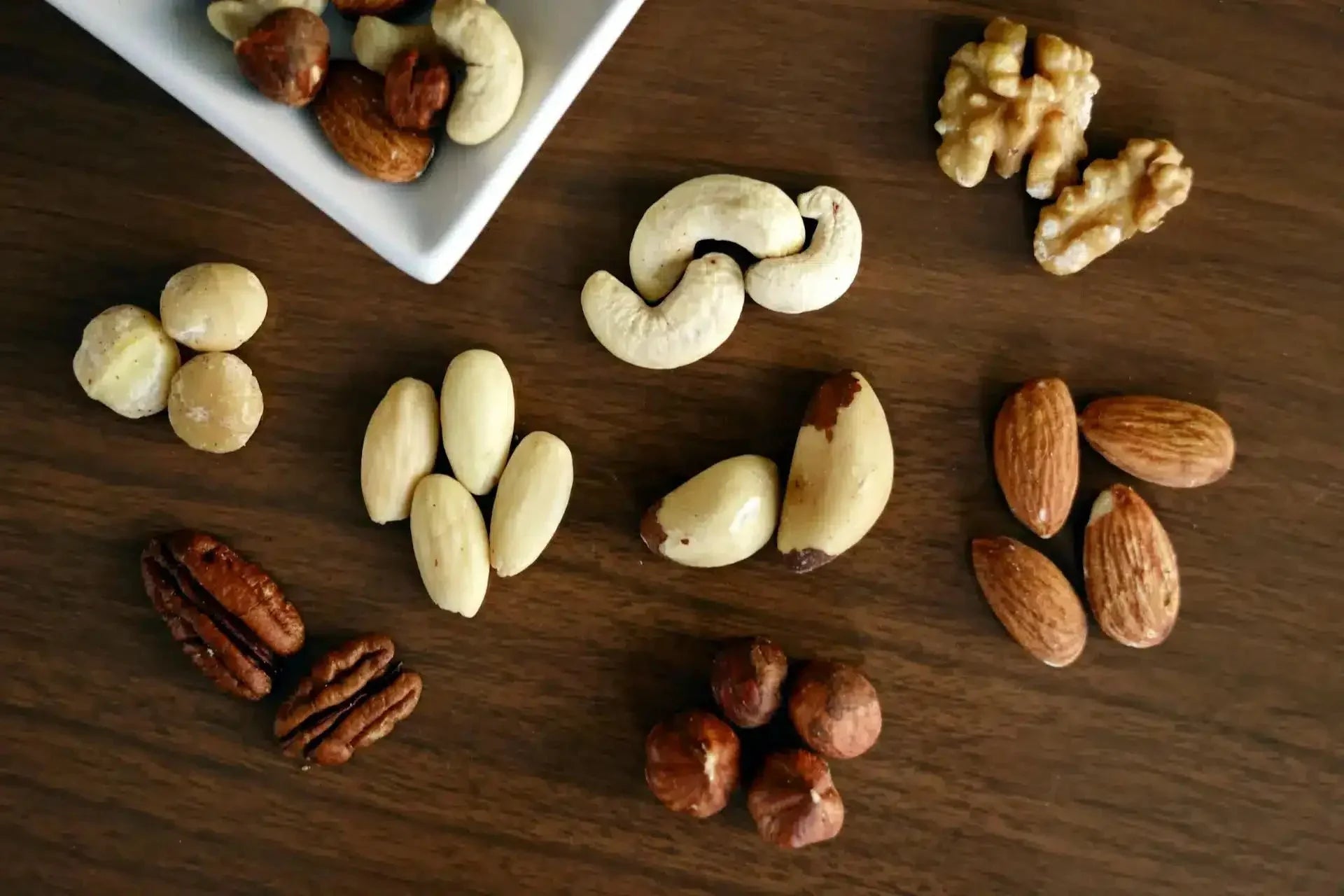
Walnuts, almonds, hazelnuts, and cashews are rich in essential fatty acids and vitamin E. These nutrients play a key role in hormonal balance by supporting hormone production and reducing inflammation.
Legumes
Beans, lentils, chickpeas, and quinoa are valuable sources of fiber and plant proteins. These foods help balance hormones, manage insulin and androgen levels, and support a regular menstrual cycle.
Cruciferous Vegetables
Broccoli, cauliflower, Brussels sprouts, and kale are rich in compounds such as sulforaphane and indole-3-carbinol (I3C). These elements stimulate the production of detoxification enzymes and help eliminate environmental estrogens, thereby promoting a healthy estrogen balance.
Fatty Fish
Salmon, sardines, mackerel, and halibut are packed with omega-3 fatty acids. These nutrients improve insulin sensitivity, reduce cortisol, and optimize overall hormonal communication.
Avocats
Avocados are an excellent source of unsaturated fatty acids, fiber, and potassium. These nutrients play a key role in maintaining a healthy hormonal balance. By eating avocados, you can reduce hot flashes and better regulate insulin levels.
Berries and Fruits
Raspberries, blueberries, strawberries, and cherries are rich in antioxidants, which play a role in hormonal regulation and the reduction of oxidative stress. Cherries, in particular, contain melatonin, a substance that can improve sleep quality.
Whole Grains and Legumes
Quinoa, oats, and whole grains are high-fiber, protein-rich foods. These nutrients help stabilize blood sugar and insulin levels. Furthermore, they support gut health and contribute to better hormonal regulation.
Good Dietary Habits to Adopt
To maintain optimal hormonal balance, it is important to adopt certain healthy eating habits. Here are a few practical and effective tips to help you regulate your hormones naturally.
Prioritize High-Quality Foods
Choose fresh, unprocessed foods. High-quality plant and animal proteins, healthy fats like omega-3s, and complex carbohydrates are essential for hormone synthesis and regulation.
Legumes, whole grains, leafy green vegetables, and fresh fruits are ideal options.
Balance Your Meals
Make sure to eat balanced meals that include proteins, healthy fats, and complex carbohydrates. This combination helps stabilize blood sugar and reduce hormonal fluctuations. For example, starting the day with protein and fiber can help regulate hormones throughout the day.
Hydration and Detoxification
Drinking enough water is essential for the proper functioning of hormonal glands and for flushing out hormonal waste. Additionally, consuming foods that support detoxification, such as lemon, black radish, and artichoke, helps the liver efficiently eliminate used hormones and toxins.
Manage Portions and Calories
A moderate caloric intake is essential for hormonal balance. Avoid overeating and opt for reasonable portions. This helps maintain a healthy weight and regulates insulin levels alongside other hormones.
Integrate Superfoods
Certain foods, often called "superfoods", possess adaptogenic properties and exceptional nutritional values. Maca, hemp seeds, spirulina, and raw cacao are perfect examples. They can help stabilize hormones and reduce oxidative stress.
Sync Your Diet with the Phases of Your Menstrual Cycle
Adapting your diet to the different phases of your menstrual cycle can optimize your nutrient intake. For example:
- Follicular phase: prioritize proteins, B vitamins, and iron.
- Ovulatory phase: opt for complex carbohydrates and foods rich in fiber to stabilize your blood sugar.
Limit Refined Sugars and Trans Fats
It is important to avoid refined sugars and trans fats, as they can disrupt hormonal regulation. These substances cause insulin spikes and promote inflammation, which can harm your hormonal balance.
Support Gut Health
A healthy gut flora is essential for the elimination of used hormones and for proper hormonal regulation. Integrate foods rich in probiotics, like fermented vegetables or tempeh, to effectively support your gut health.
Bad Habits to Leave Behind
To maintain a healthy hormonal balance, it is essential to identify and limit foods and substances that could disrupt this delicate equilibrium. Here are a few examples of what is best to avoid.
Sugar and Refined Carbohydrates: Hormonal Imbalance and Insulin Resistance
Refined sugar and refined carbohydrates have a significant impact on hormonal balance. When you consume sugar, your pancreas secretes insulin to regulate blood sugar levels.
However, excessive sugar consumption can lead to insulin resistance, where cells become less responsive to this hormone. This forces the pancreas to produce more insulin, which can promote inflammation, weight gain, and increase the risk of complications like type 2 diabetes or fatty liver disease.
Caffeine and Its Impact on Adrenaline and Cortisol
Caffeine, though appreciated for its stimulating effect, can disrupt hormonal balance by increasing levels of adrenaline and cortisol. These stress hormones can amplify mood swings, fatigue, and sleep disorders.
Excessive caffeine consumption can also affect the regulation of sex hormones and increase oxidative stress, which can have negative consequences on overall hormonal health.
Dairy Products and Their Connection to Sex Hormones (Estrogen, Progesterone)
Certain dairy products, especially those derived from cow's milk, contain natural hormones like estrogen and progesterone. These hormones can influence the hormonal balance of consumers, particularly in women.
Excessive consumption of dairy products can exacerbate symptoms of PMS, such as cravings and mood changes, and can also affect the menstrual cycle. It is therefore important to choose high-quality dairy products and consume them with moderation.
Dietary Supplements for a Good Hormonal Balance
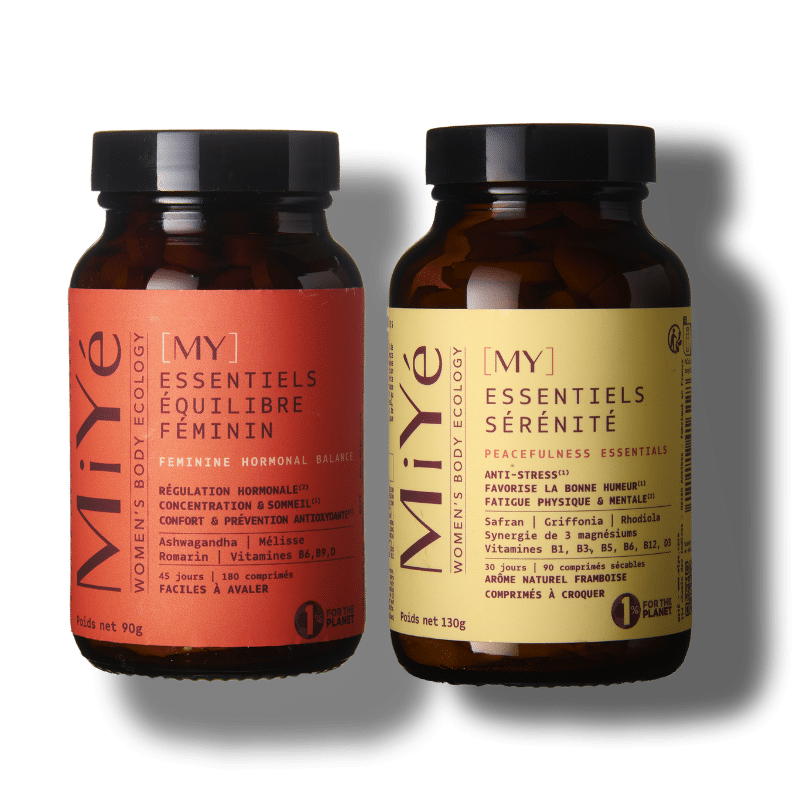
Need a natural boost to better navigate hormonal variations? Our dietary supplements to regulate hormones have been designed to support you.
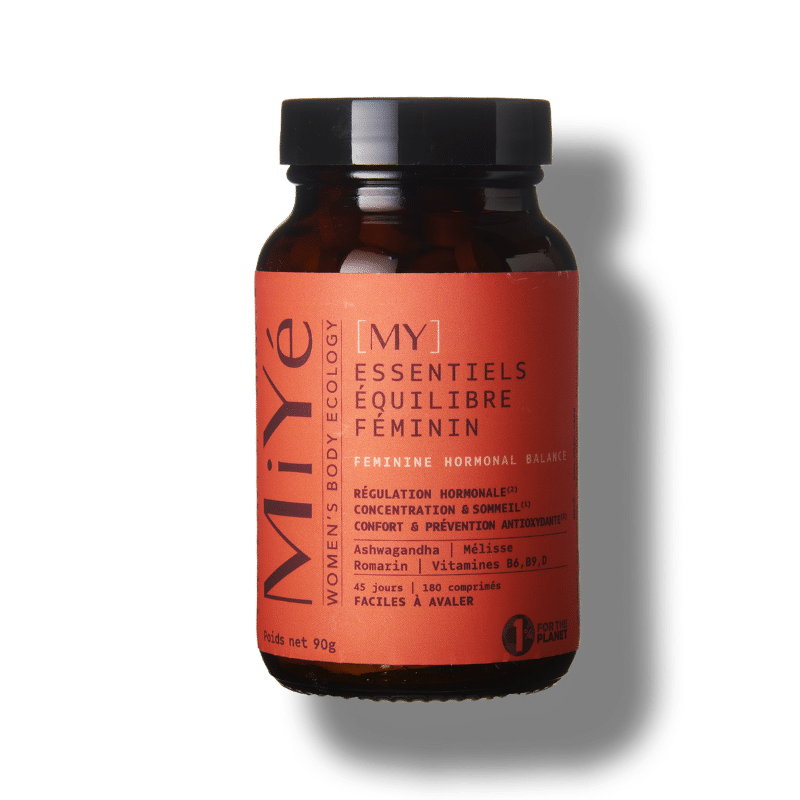
- WOMEN'S BALANCE ESSENTIALS supports hormonal regulation, fights oxidative stress, and improves mental and physical comfort during key phases of the cycle (PMS, perimenopause, PCOS...).
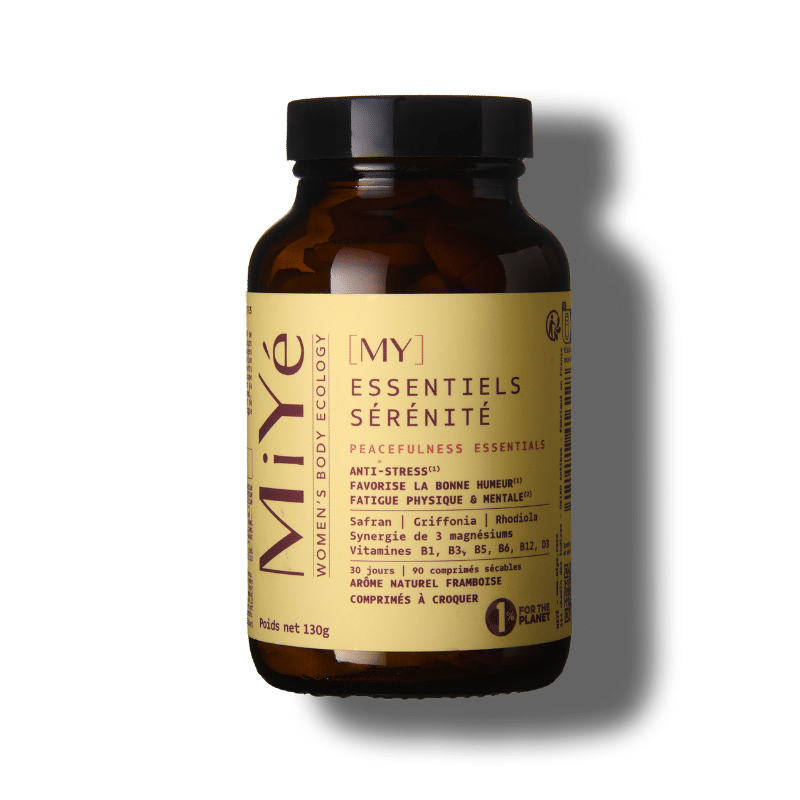
- SERENITY ESSENTIALS, enriched with magnesium and adaptogenic plants, helps stabilize mood, energy, and cravings by naturally stimulating well-being hormones like dopamine and serotonin. An essential routine to feel aligned throughout the month.
Our natural supplements are based on organic plants, vegan, free of contraindicated hormones or phytohormones, and formulated with active ingredients known for their effects.
Conclusion
In summary, hormonal balance is an important aspect of our overall health, and diet plays a central role in its regulation. A balanced diet rich in fiber, high-quality proteins, healthy fats, and antioxidants can significantly help maintain or restore this essential balance.
It is important to focus on fresh, unprocessed foods, limit the consumption of refined sugars and trans fats, and support gut health for optimal nutrient absorption. Additionally, avoiding chronic stress and adopting healthy lifestyle habits, such as regular physical activity and quality sleep, are equally essential elements.
By integrating these tips into your daily life, you can take control of your hormonal health and improve your general well-being. Don't hesitate to take action by adjusting your diet and lifestyle to promote a sustainable hormonal balance.
Sources
- ANSES — Omega-3 fatty acids: role, dietary sources and recommendations
- ANSES — Nutritional references for vitamins and minerals for the French population
- INSERM — Gut microbiota: composition, role and interactions with the body
- EFSA — Scientific evaluation of long-chain omega-3 fatty acids (EPA and DHA)

Share:
How to relieve your intestinal transit during menopause?
The role and benefits of zinc in female hormonal balance
1 comment
J un problème de la diminution d’hormones j fait comment pour avoir le médicament