





SUMMARY
- Understanding breast pain linked to menopause and pre-menopause
- How can you ease breast pain?
- Other common causes of breast pain
- What are the common symptoms and sensations experienced?
- How to relieve painful breasts?
- What natural remedies can help ease mastalgia?
- Breast self-examination
- When should you see a doctor?
- In conclusion
- Sources
Key Takeaways
Around 40% of women experience breast pain (mastalgia) during perimenopause and menopause.
This pain is mainly caused by hormonal fluctuations (oestrogen/progesterone imbalance).
Common symptoms: heavy, tense, sensitive breasts, diffuse or sharp pain, sometimes radiating towards the armpit, burning or swelling.
Other possible causes: family history, HRT, benign cysts or nodules, medications, ill-fitting bra, trauma or surgery.
Monthly breast self-examination recommended to detect any anomaly.
Menopause and the period that precedes it, perimenopause, bring about various physical and hormonal changes in women, including breast pain or mastalgia, affecting around 40% of women. These symptoms include heavy, tense, painful and sensitive breasts, often caused by fluctuations in oestrogen and progesterone levels. Understanding and relieving this pain is essential for improving women's wellbeing during this transition.
Understanding breast pain linked to menopause and pre-menopause

Painful breasts: what is mastalgia?
Mastalgia, or breast pain, refers to any pain or sensitivity in the breasts. This pain can present in various forms, such as burning sensations, tingling, or sharp or diffuse pain making the breasts painful.
It can affect one or both breasts, be localised or diffuse, and vary in intensity and duration. During menopause, this pain is often linked to hormonal changes and may be cyclical, connected to the menstrual cycle, or non-cyclical, appearing without any link to the cycle.
Cyclical mastalgia linked to hormonal changes during menopause
Hormonal changes are at the heart of breast pain during pre-menopause and menopause. The decline in oestrogen and progesterone levels, and the imbalance between these hormones, are the main factors behind this pain. During perimenopause, the reduction in ovarian activity lowers oestrogen levels, while progesterone can drop more sharply.
This imbalance creates a relative excess of oestrogen compared to progesterone, generating breast pain. The breasts can become heavy, painful and sensitive, similar to what occurs with PMS.
In addition, these hormonal fluctuations can cause other menopause symptoms, such as irregular periods, hot flushes, mood swings and sleep disturbances. Understanding these changes is essential for effectively supporting breast pain during this transition.
How can you ease breast pain?
Breast pain, known as mastalgia, is extremely common in women and most often hormonal in origin. It typically occurs in the second half of the cycle, linked to fluctuations in oestrogen and progesterone that alter the sensitivity of breast tissue.
A few everyday gestures that provide relief: wearing a well-fitted bra, including at night if the pain is significant, reducing caffeine intake (several studies suggest a link between methylxanthine consumption and breast sensitivity), and limiting salt, which promotes water retention in the tissues.
Other common causes of breast pain
Beyond hormonal fluctuations, which are the main cause of breast pain during menopause, other factors can also play a role in the onset of these symptoms. Recognising and understanding these causes is essential for appropriate assessment and support.
- Family history: A family history of breast pain may indicate a genetic predisposition. If women in your family experienced breast pain during menopause, you may be more likely to have a similar experience. This information is valuable for assessing and supporting breast pain.
- Hormone Replacement Therapy (HRT): Although HRT is frequently prescribed to ease menopause symptoms, it can sometimes intensify breast pain. This is due to the temporary hormonal imbalances it may create. Discussing the advantages and disadvantages of HRT with a doctor is essential to determine whether this option suits you.
- Pregnancy and Breastfeeding: Despite menopause, some women can still conceive. Pregnancy and breastfeeding cause hormonal changes and prepare the breasts for milk production, which can cause breast pain. This pain is usually temporary and resolves after pregnancy or breastfeeding.
- Other Hormonal Factors: Beyond hormonal fluctuations associated with menopause, other hormones, such as prolactin, can affect breast sensitivity. Prolactin, a hormone linked to lactation, can be influenced by the hormonal changes of menopause, thereby contributing to breast pain.
- Breast Nodules or Cysts: Breast nodules or cysts, while generally benign, are a common cause of breast pain. Their appearance may be encouraged by the anatomical and hormonal changes that occur during menopause. A medical examination is recommended for precise assessment in the presence of nodules or cysts.
- Trauma and Surgery: Breast pain can also result from chest trauma or previous surgery. Scarring, inflammation or post-operative tissue adhesions can be at the origin of this pain.
- Medications and Bra: Certain medications, particularly those containing hormones, as well as an ill-fitting bra, can contribute to breast pain. It is important to review your medications and choice of underwear to identify and address any contributing factors.
By taking these various elements into account, you will be better equipped to understand the causes of your breast pain and find the most suitable solutions to relieve it.
What are the common symptoms and sensations experienced?
Breast pain associated with menopause manifests in various ways, affecting each woman differently.
Here are some of the common symptoms and types of pain that women may experience:
- Pain and Discomfort: Breast pain linked to menopause can vary in intensity and nature. It may be constant or intermittent, with pain levels changing from day to day. Women may experience a dull ache, a feeling of heaviness, or a sharp, throbbing pain in one or both breasts.
- Sensitivity and Burning: The breasts can become extremely sensitive to the touch, making wearing a bra or even light clothing difficult. Some women also experience a burning or tingling sensation in the breasts, which can be particularly uncomfortable.
- Changes in Texture and Size: Breast pain may be accompanied by changes in the texture and size of the breasts. They can become swollen and more sensitive due to fluid accumulation caused by hormonal fluctuations. Although these changes may be temporary, they can also persist until hormonal balance stabilises.
- Radiating Pain: Breast pain is not limited to the breasts; it can also radiate towards the armpit or arm, due to nerve irritation or changes in breast tissue.
- Other Associated Symptoms: While breast pain is often benign, it is essential to monitor other symptoms that may indicate a situation requiring medical attention, such as unexplained nipple discharge, redness, fever, or significant changes in the size and shape of the breasts, especially if these changes are one-sided.
By identifying these symptoms, women can better understand their sensations and take appropriate steps to effectively support these discomforts.
How to relieve painful breasts?
Menopause can often cause breast pain, but there are several tips and daily gestures that can help improve your comfort. Here are practical suggestions for limiting these discomforts.
Wear a Well-Fitted Bra
A correctly fitted bra is essential for limiting pain and discomfort. Opt for a model offering good support, especially if you are physically active. An ill-fitting bra can increase friction and tension, worsening the pain.
Reduce or Stop Smoking
Smoking can intensify breast pain. Reducing or stopping tobacco consumption can ease this discomfort. This also benefits your overall health, thereby contributing to the relief of breast pain.
Avoid or Reduce Caffeine
Caffeine can also exacerbate breast pain. Limiting or avoiding products containing caffeine, including coffee, tea, soft drinks and certain medications, can help relieve these symptoms.
Hydration
Drinking enough water is essential for limiting the risks of dehydration, which can increase water retention and breast pain. Maintaining adequate hydration, including by consuming water-rich fruits and vegetables, supports optimal fluid balance and reduces discomfort.
Apply Heat
Applying heat is very beneficial against breast pain. A warm shower, a hot water bottle or a warm compress on the breasts can relax the tissues and reduce pain through their vasodilatory effect.
Massage Your Breasts
A gentle self-massage can stimulate lymphatic drainage and reduce tissue congestion, thereby easing pain. Use a massage cream or oil to facilitate the process and enhance its effectiveness.
Adopt a Balanced Diet
A diet rich in fruits, vegetables and anti-inflammatory foods can help relieve breast pain. Foods rich in unsaturated fatty acids, such as evening primrose oil, are recognised for their anti-inflammatory properties and their contribution to hormonal balance.
By incorporating these tips into your daily routine, you can significantly improve your quality of life and reduce menopause-related breast pain.
What natural remedies can help ease mastalgia?
For mild to moderate breast pain during menopause, a number of natural approaches can provide notable comfort.
Arnica
Arnica, rich in anti-inflammatory and soothing compounds, is recognised for its calming and softening properties. It contributes to reducing inflammation, thereby helping to ease breast pain linked to the hormonal imbalances of menopause.
RECOMMENDED PRODUCT
Soothes sensitive areas linked to hormonal fluctuations — specifically the breasts, abdomen and heavy legs during perimenopause and menopause.
Formula concentrated in natural soothing and anti-inflammatory actives: liposomal yam, liquorice extract, Arnica Montana, ginkgo biloba and magnesium PCA.
Supports sensations of discomfort, tension and heaviness with local massage.
Symptoms: Painful, sensitive or tense breasts, feeling of heaviness or breast swelling
Certain plants, recognised for their effects on hormonal balance and their anti-inflammatory properties, can be of great help. LIQUORICE is one example.
A gentle chest massage promoting lymphatic drainage can be effective in reducing tissue congestion and, consequently, breast pain. Using massage oils alongside this practice can enhance its benefits.
Balanced Diet
Adopting a diet rich in fruits, vegetables and anti-inflammatory foods can play an important role in easing breast pain. It is also advisable to limit salt intake to avoid water retention in breast tissue. For tailored dietary guidance, advice from a registered dietitian can be valuable.
Regular Physical Activity
Regular gentle exercise, such as yoga, helps reduce stress and improve blood circulation, thereby supporting the relief of breast pain. These activities can also ease other menopause symptoms, such as hot flushes and sleep disturbances.
By incorporating these natural approaches into your daily routine, you may experience significant relief from menopausal breast pain, while benefiting from a holistic approach to your wellbeing.
Breast self-examination
Breast self-examination plays an important role in the early detection of any change or anomaly in breast tissue. While it cannot replace professional screening methods such as mammography or ultrasound, it helps women know their bodies and report any anomaly promptly.
When to perform the self-examination
It is advisable to perform a breast self-examination once a month, preferably a few days after the end of menstruation, when the breasts are softer and less sensitive. For those who are in menopause, choosing a fixed day each month, such as the first, is recommended.
You can consult our dedicated article on breast self-palpation for an examination at home.
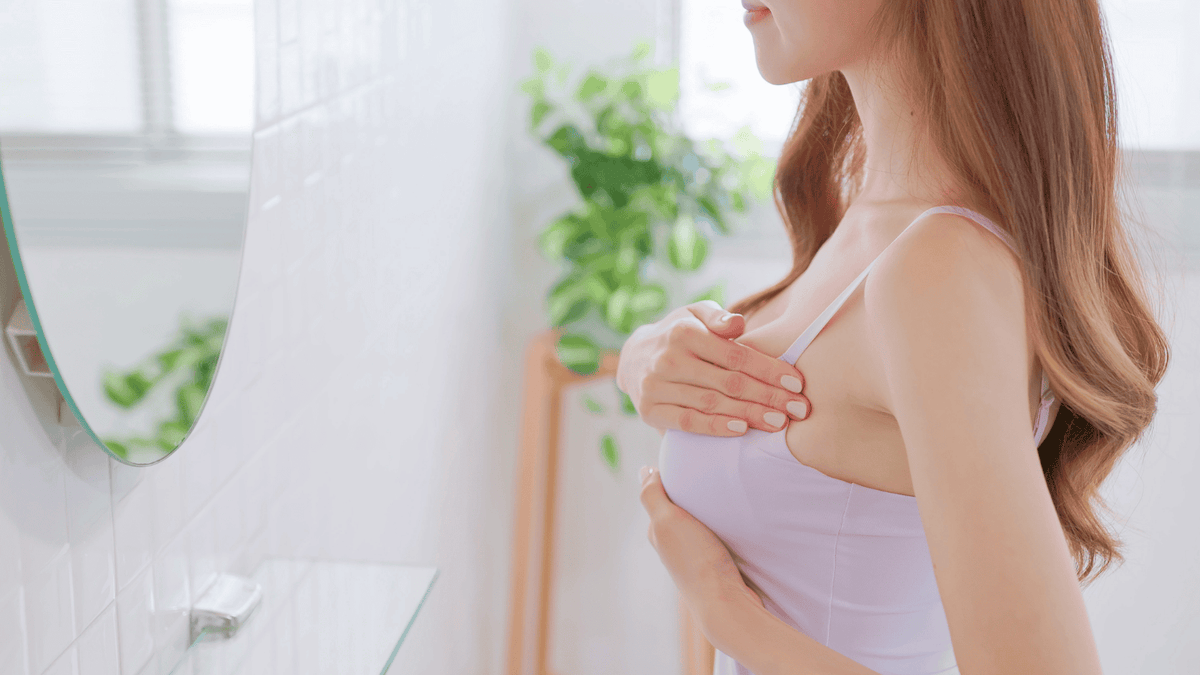
Visual observation
Begin by observing your breasts in front of a mirror and examine them from different angles:
- Arms at your sides
- Hands on your hips
- Arms raised
- Leaning forward
Look for any change in size, shape or contour, as well as any redness or abnormal skin texture.
Breast palpation
Palpation should cover the entire surface of the breasts.
Circular method
Use your fingertips to palpate the breast in circular movements, from the top of the armpit towards the nipple.
Linear method
Move your fingers in vertical lines, from the top of the armpit to the base of the breast and back again, shifting your hand slightly with each pass.
Quadrant method
Palpate your breast from the outer edge towards the nipple, covering each area through to the upper region of the armpit and the chest.
Examination of nipples and armpits
Gently squeeze the nipples to check for any abnormal discharge. Do not forget to examine the armpits, where anomalies can also develop.
Signs to look for
Be attentive to these signs during your self-examination:
- Presence of a lump or thickening in the breast
- Pain, burning sensation or deformity of the breast
- Nodules under the armpits
- Nipple discharge or unusual sensitivity
- Redness or change in the texture of breast skin
Consulting a doctor
If you notice any of these signs, consult a doctor promptly. While most anomalies are not cancerous, only a healthcare professional can carry out a precise assessment. By incorporating breast self-examination into your routine, you increase your chances of detecting any anomaly at an early stage, thereby improving the prospects for appropriate support.
When should you see a doctor?
Breast pain during menopause is generally benign and linked to hormonal changes. However, it is important to know when it is necessary to consult a doctor to rule out any serious underlying condition. Here are some situations where a medical consultation is strongly recommended:
Persistent or Worsening Pain
If breast pain persists, worsens or does not follow the usual pattern, a medical consultation is called for. Constant or intensifying pain may indicate an underlying situation that requires medical attention.
Presence of Lumps or Nodules
The discovery of palpable lumps or nodules in the breasts should be communicated to a doctor without delay. While most of these formations are benign, only a medical assessment can determine their nature and rule out the risk of breast cancer.
Abnormal Nipple Discharge
Abnormal nipple discharge, whether clear, yellow or bloody, is a concerning sign requiring medical consultation. This discharge may indicate various situations, some of which require close follow-up.
Notable Changes in Breast Size or Shape
Any notable change in the size or shape of the breasts, such as a significant increase or decrease, or asymmetries, should be examined by a doctor. These changes may signal underlying situations worth exploring.
Redness, Inflammation or Fever
The presence of redness, inflammation or fever accompanying breast pain may indicate an infection or a condition requiring close follow-up. It is important to consult a doctor for an appropriate assessment and support.
Pain Associated with Other Symptoms
If breast pain is accompanied by other symptoms such as mood disturbances, hot flushes, night sweats or sleep disorders, it is important to speak to a doctor for a complete health assessment.
Screening Examinations
Even in the absence of concerning symptoms, following regular screening recommendations, such as mammography and breast ultrasound, is advisable to detect any possible anomaly at an early stage.
By consulting a doctor as soon as any of these signs appear, you can benefit from a precise assessment and appropriate support, essential for maintaining your health and wellbeing.
In conclusion
Breast pain during menopause is common, often caused by the hormonal fluctuations characteristic of this transitional period. It is important to recognise that, while uncomfortable, this pain is usually without serious cause and tends to subside once menopause is fully established.
However, vigilance is called for. It is essential to consult a healthcare professional if you experience persistent pain, unusual nipple discharge, redness, fever or any abnormal sign. To relieve this pain, it is advisable to adopt healthy daily habits, such as choosing a comfortable bra, reducing or stopping tobacco consumption, and maintaining a balanced diet. The use of natural remedies, such as evening primrose oil and certain plants, can also provide notable comfort.
Do not neglect regular breast self-examinations and follow screening guidelines to detect any anomaly early. By adopting these practices, you will improve your wellbeing and more effectively support menopause-related breast pain.
If in doubt, do not hesitate to consult your doctor: your health and comfort come first.
Sources
- French Society of Senology and Breast Pathology (SFSPM) — Mastalgia: clinical recommendations
- Iddon J., Dixon J.M. (2013) — Mastalgia: clinical review of causes and therapeutic approaches
- Fentiman I.S. (2010) — Breast pain: mechanisms and clinical management

![Flacon avec pompe [MY] Sérum corps apaisant avec macaron meilleur produit bio 2024 et écocert](http://www.miye.care/cdn/shop/files/Visuels_shop_82.png?v=1773304790&width=1000)
![Flacon de [MY] Brume intime apaisante](http://www.miye.care/cdn/shop/files/Visuels_shop_91.png?v=1773306551&width=1000)
Share:
Premenstrual dysphoric disorder : How to manage symptoms of PMDD ?
How to get rid of hormonal acne in adult women ?