






Key Takeaways
Around 40% of women experience breast pain (mastalgia) during perimenopause and menopause.
This pain is mainly due to hormonal fluctuations (estrogen / progesterone imbalance).
Common symptoms: heavy, tight, sensitive breasts, diffuse or sharp pain, sometimes radiating toward the armpit, burning sensations, or swelling.
Other potential causes: family history, HRT, benign cysts or nodules, medications, ill-fitting bra, trauma, or surgeries.
Monthly breast self-exams are recommended to detect any abnormalities.
Menopause and the period leading up to it, perimenopause, bring about various physical and hormonal changes in women, including breast pain or mastalgia, which affects around 40% of them. These symptoms include heavy breasts, tight breasts, soreness, and sensitivity, often due to fluctuations in estrogen and progesterone levels. Understanding and relieving this pain is essential to improving women's well-being during this transition.
Understanding Breast Pain Related to Menopause and Perimenopause

Painful Breasts: What is Mastalgia?
Mastalgia, or breast pain, refers to any pain or sensitivity in the breast area. This pain can take various forms, such as burning sensations, tingling, or sharp or diffuse aches that make the breasts painful.
It can affect one or both breasts, be localized or diffuse, and vary in intensity and duration. During menopause, this pain is often linked to hormonal changes and can be cyclic (related to the menstrual cycle) or non-cyclic (appearing with no connection to the cycle).
Cyclic Mastalgia Related to Hormonal Changes During Menopause
Hormonal changes are at the root of breast pain during perimenopause and menopause. Dropping estrogen and progesterone levels, and the imbalance between these hormones, are the primary drivers of this pain. In perimenopause, the reduction in ovarian activity lowers estrogen levels, while progesterone can突 plummet even more sharply.
This imbalance causes a relative excess of estrogen compared to progesterone, leading to breast pain. The breasts can become heavy, tender, and sensitive, much like during premenstrual syndrome.
Additionally, these hormonal fluctuations can cause other menopause symptoms, such as irregular periods, hot flashes, mood swings, and sleep disturbances. Understanding these shifts is essential to effectively managing breast pain during this transition.
How to Calm Breast Pain?
Breast pain known as mastalgia is extremely common in women and most frequently hormonal in origin. It typically occurs during the second half of the cycle, linked to fluctuations in estrogen and progesterone that alter the sensitivity of breast tissue.
A few daily habits can provide relief: wear a well-fitted bra (including at night if the pain is severe), reduce caffeine intake (several studies suggest a link between methylxanthines consumption and breast sensitivity), and limit salt, which promotes fluid retention in the tissues.
Other Common Causes of Breast Pain
Aside from hormonal fluctuations, which are the primary cause of breast pain during menopause, other factors can also play a role in the appearance of these symptoms. Recognizing and understanding these causes is crucial for a proper evaluation and tailored management plan.
- Family History: A family history of breast pain can indicate a genetic predisposition. If women in your family suffered from breast pain during menopause, you may be more likely to experience the same. This information is highly valuable for diagnosis and care.
- Hormone Replacement Therapy (HRT): Although HRT is frequently prescribed to alleviate menopause symptoms, it can sometimes intensify breast pain. This is due to the temporary hormonal imbalances it can induce. Discussing the pros and cons of HRT with a doctor is essential to determine if this option is right for you.
- Pregnancy and Breastfeeding: Despite menopause, some women can still conceive. Pregnancy and breastfeeding bring about major hormonal changes and prepare the breasts for lactation, which can cause breast pain. This pain is usually temporary and resolves afterward.
- Other Hormonal Factors: Apart from the hormonal fluctuations associated with menopause, d’autres hormones, telles que la prolactine, peuvent affecter la sensibilité mammaire. La prolactine, une hormone liée à la lactation, peut être influencée par les changements hormonaux de la ménopause, contribuant ainsi aux douleurs mammaires.
- Breast Nodules or Cysts: Breast nodules or cysts, though generally benign, are a common cause of breast pain. Their appearance can be favored by the anatomical and hormonal changes that occur during menopause. A medical exam is recommended for an accurate diagnosis and proper guidance if nodules or cysts are present.
- Trauma and Surgeries: Breast pain can also result from chest trauma or previous surgeries. Scarring, inflammation, or post-operative tissue adhesions can cause this pain.
- Medications and Bras: Certain medications, particularly those containing hormones, as well as an ill-fitting bra, can contribute to breast pain. It is important to review your medications and your choice of lingerie to identify and correct any contributing factors.
By taking these various elements into account, you will be better equipped to understand the causes of your breast pain and find the most suitable solutions to relieve it.
What are the Common Symptoms and Types of Pain Experienced?
Breast pain associated with menopause manifests in various ways, affecting each woman differently.
Here are some of the common symptoms and types of pain that women may encounter:
- Pain and Discomfort: Breast pain related to menopause can vary in intensity and nature. It can be constant or occur intermittently, with pain levels changing from day to day. Women may experience a dull ache, a feeling of heaviness, or a sharp, throbbing pain in one or both breasts.
- Sensitivity and Burning: The breasts can become extremely sensitive to the touch, making it difficult to wear a bra or even light clothing. Some women also feel a burning or tingling sensation in the breasts, which can be particularly uncomfortable.
- Changes in Texture and Size: Breast pain can be accompanied by changes in breast texture and size. They can become swollen and more tender due to fluid accumulation driven by hormonal fluctuations. While these changes can be temporary, they can also persist until hormonal balance stabilizes.
- Radiating Pain: Breast pain is not always confined to the breasts; it can also radiate to the armpit or arm due to nerve irritation or changes in the breast tissues.
- Other Associated Symptoms: While breast pain is often benign, it is vital to monitor for other symptoms that could indicate a more serious condition, such as an unexplained nipple discharge, redness, fever, or significant changes in breast size and shape, especially if these changes are unilateral.
En identifiant ces symptômes, les femmes peuvent mieux comprendre leurs sensations et prendre les mesures appropriées pour gérer efficacement ces douleurs.
How to Relieve Painful Breasts?
Menopause can often cause breast pain, but fortunately, there are several daily habits and steps you can adopt to improve your comfort. Discover practical tips to minimize these discomforts.
Wear a Well-Fitted Bra
A correctly adjusted bra is essential to limiting pain and discomfort. Choose a model that offers good support, especially if you are physically active. An unsuitable bra can accentuate friction and tension, worsening the pain.
Reduce or Quit Smoking
Smoking can intensify breast pain. Cutting back or quitting tobacco use can alleviate this discomfort. This action also benefits your overall health, helping to relieve breast pain.
Avoid or Reduce Caffeine
Caffeine can also exacerbate breast pain. Limiting or avoiding products that contain caffeine—including coffee, tea, sodas, and certain medications—can help soothe these symptoms.
Hydration
Drinking enough water is essential to preventing dehydration, which can increase water retention and breast pain. Maintaining proper hydration, while also consuming water-rich fruits and vegetables, promotes optimal fluid balance and reduces discomfort.
Apply Heat
Applying heat is very beneficial for breast pain. A warm shower, a hot water bottle, or a warm compress on the breasts can relax the tissues and reduce pain through their vasodilatory effect.
Massage the Breasts
A gentle self-massage can stimulate lymphatic drainage and decrease tissue congestion, thereby alleviating pain. Use a cream or massage oil to ease the process and enhance its effectiveness.
Adopt a Balanced Diet
A diet rich in fruits, vegetables, and anti-inflammatory foods can help relieve breast pain. Foods rich in unsaturated fatty acids, like evening primrose oil, are recommended for their anti-inflammatory properties and their ability to help regulate hormones.
By incorporating these tips into your daily routine, you can significantly improve your quality of life and reduce breast pain related to menopause.
What Natural Remedies Can Relieve Mastalgia?
For mild to moderate breast pain during menopause, many natural treatments and remedies can bring notable comfort. Here is a selection of proven solutions:
Arnica: Often recommended for its benefits, Arnica is rich in anti-inflammatory and analgesic compounds, making it well-known for its calming and soothing virtues. It helps reduce inflammation, thereby contributing to soothing breast pain linked to the hormonal imbalances of menopause.
RECOMMENDED PRODUCT
[MY] SMOOTHING BODY MASSAGE SERUM
Soothes sensitive areas linked to hormonal fluctuations—especially breasts, belly, and heavy legs during perimenopause and menopause.
Concentrated formula with natural soothing and anti-inflammatory active ingredients: liposomal yam, licorice extract, Arnica montana, ginkgo biloba, and magnesium PCA.
Reduces sensations of discomfort, tension, and heaviness via local massage.
Symptoms: Breasts that are painful, sensitive, or tight; feelings of breast heaviness or swelling.
Certain medicinal plants, recognized for their regulating effects on hormones and their anti-inflammatory properties, can be of great help. LICORICE is one such option.
A gentle breast massage that promotes lymphatic drainage can be effective in reducing tissue congestion and, consequently, breast pain. Using massage oils alongside can reinforce the benefits of this practice.
Balanced Diet: Adopting a diet rich in fruits, vegetables, and anti-inflammatory foods can play an important role in mitigating breast pain. It is also advised to limit salt intake to avoid water retention in the breast tissues. For a tailored diet plan, consulting a registered dietitian-nutritionist can be highly useful.
Regular Physical Activity: Practicing gentle exercises regularly, like yoga, encourages stress reduction and improves blood circulation, helping to relieve breast pain. These activities can also attenuate other menopause symptoms, such as hot flashes and sleep disturbances.
By integrating these natural remedies into your daily routine, you could experience significant relief from menopausal breast pain, while benefiting from an all-encompassing approach to your well-being.
Breast Self-Exams
Breast self-exams play an important role in the early detection of any changes or abnormalities in breast tissues. While they cannot replace professional screening methods like a mammogram or ultrasound, they help women become familiar with their bodies and report any anomalies without delay.
When to Perform a Self-Exam
It is advisable to perform a breast self-exam once a month, preferably a few days after your period ends, when the breasts are more pliable and less tender. For those in menopause, picking a fixed date each month, such as the first day, is recommended.
You can consult our dedicated article on breast self-palpation for a step-by-step guide at home.
Visual Observation
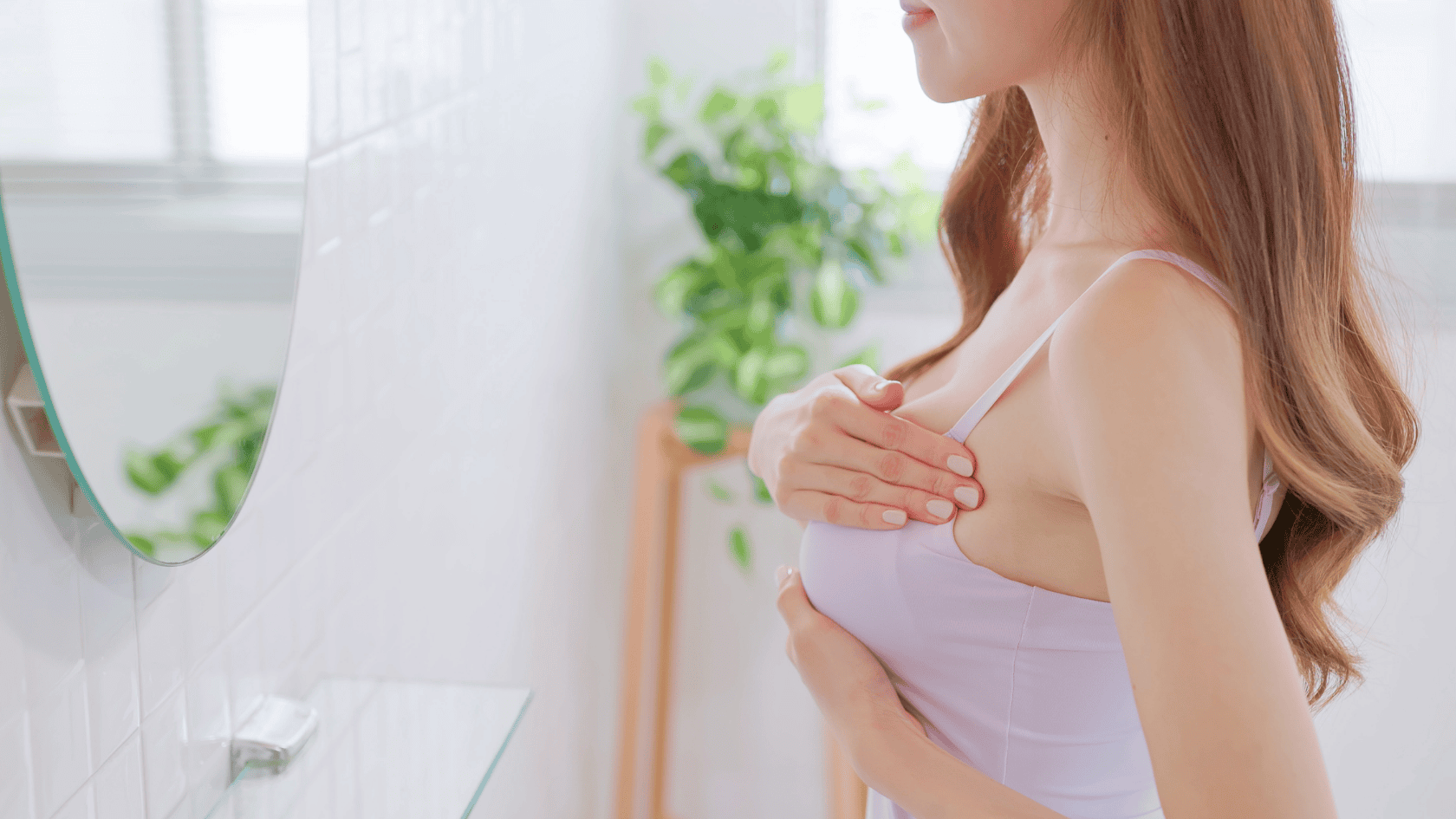
Begin by observing your breasts in front of a mirror from different angles:
- With your arms at your sides
- With your hands on your hips
- With your arms raised
- Leaning forward
Look for any changes in size, shape, or contour, as well as any redness or unusual skin texture.
Breast Palpation
Palpation should cover the entire surface of the breasts.
Circular Method
Use the pads of your fingers to feel the breast in circular motions, moving from the top of the armpit toward the nipple.
Linear Method
Move your fingers in vertical lines, from the top of the armpit to the base of the breast and back up, shifting your hand slightly with each pass.
Quadrant Method
Palpate your breast from the outer edge inward toward the nipple, covering every area, including the upper armpit region to the chest.
Examining the Nipples and Armpits
Gently squeeze the nipples to check for the absence of any abnormal discharge. Do not forget to examine the armpits, as tissue changes can also develop there.
Signs to Look For
Be alert to these signs during your self-exam:
- Presence of a lump or thickening in the breast
- Pain, burning sensation, or distortion of the breast
- Lumps under the armpits
- Discharge from the nipple or unusual sensitivity
- Redness or change in skin texture on the breast
Consulting a Doctor
If you notice any of these signs, consult a doctor immediately. Although most abnormalities are non-cancerous, only a healthcare professional can provide an accurate diagnosis. Integrating regular breast self-exams into your routine increases the chances of detecting any health shifts early, thereby improving treatment outlooks.
When Should You Consult a Doctor?
Breast pain during menopause is generally benign and linked to hormonal changes. However, it is important to know when it is necessary to see a doctor to rule out serious pathology. Here are some situations where a medical consultation is strongly recommended:
Persistent or Worsening Pain
If breast pain persists, worsens, or does not align with your usual cycle, a medical consultation is necessary. Constant or intensifying pain can reveal an underlying condition that requires medical attention.
Presence of Lumps or Nodules
Discovering palpable masses or nodules in the breasts must be communicated immediately to a doctor. Even though most formations are benign, only a medical evaluation can determine their nature and rule out breast cancer risks.
Abnormal Nipple Discharge
An abnormal discharge from the nipple, whether it is clear, yellow, or bloody, is a concerning sign requiring a medical consultation. This discharge can indicate various conditions, some of which may be serious.
Notable Changes in Breast Size or Shape
Any notable change in breast size or shape, such as a significant increase or decrease, or asymmetries, must be examined by a doctor. These modifications can signal underlying conditions.
Redness, Inflammation, or Fever
The presence of redness, inflammation, or a fever alongside breast pain can indicate an infection or serious pathology. It is imperative to consult a doctor for a proper diagnosis and treatment.
Pain Associated with Other Symptoms
If breast pain is accompanied by other symptoms such as mood swings, hot flashes, night sweats, or sleep disturbances, it is important to talk to a doctor for a full assessment of your health.
Screening Exams
Even in the absence of concerning symptoms, following regular screening guidelines, such as mammograms and breast ultrasounds, is advised to detect any potential abnormality or pathology at an early stage.
By consulting a doctor as soon as any of these signs appear, you can obtain an accurate diagnosis and appropriate care, which are essential to maintaining your health and well-being.
In Conclusion
Breast pain during menopause is frequently encountered, often due to the characteristic hormonal fluctuations of this transition period. It is important to recognize that, while bothersome, this pain is usually without gravity and tends to resolve once menopause is fully established.
However, vigilance remains key. It is essential to consult a healthcare professional if you experience persistent pain, unusual nipple discharge, redness, a fever, or any abnormal sign. To relieve this pain, adopting healthy daily habits is advised, such as choosing a comfortable bra, cutting back on or quitting smoking, and keeping a balanced diet. Using natural remedies, like evening primrose oil and certain medicinal plants, can also bring notable comfort.
Do not neglect regular breast self-exams and stick to screening guidelines to ensure early detection of any anomalies. By adopting these practices, you will improve your well-being and more effectively manage menopausal breast pain.
Take care of yourself and act without delay if you have any doubts—consult your doctor for any concerns and follow the advice mentioned above for a better quality of life.
Sources
- Société Française de Sénologie et de Pathologie Mammaire (SFSPM) — Mastodynie : recommandations cliniques
- Iddon J., Dixon J.M. (2013) — Mastalgia : revue clinique des causes et approches thérapeutiques
- Fentiman I.S. (2010) — Douleurs mammaires : mécanismes et gestion clinique
![[MY] SMOOTHING BODY MASSAGE SERUM](http://www.miye.care/cdn/shop/files/Visuels_shop_82.png?v=1773304790&width=1000)
Share:
Premenstrual dysphoric disorder : How to manage symptoms of PMDD ?
How to get rid of hormonal acne in adult women ?