





SUMMARY




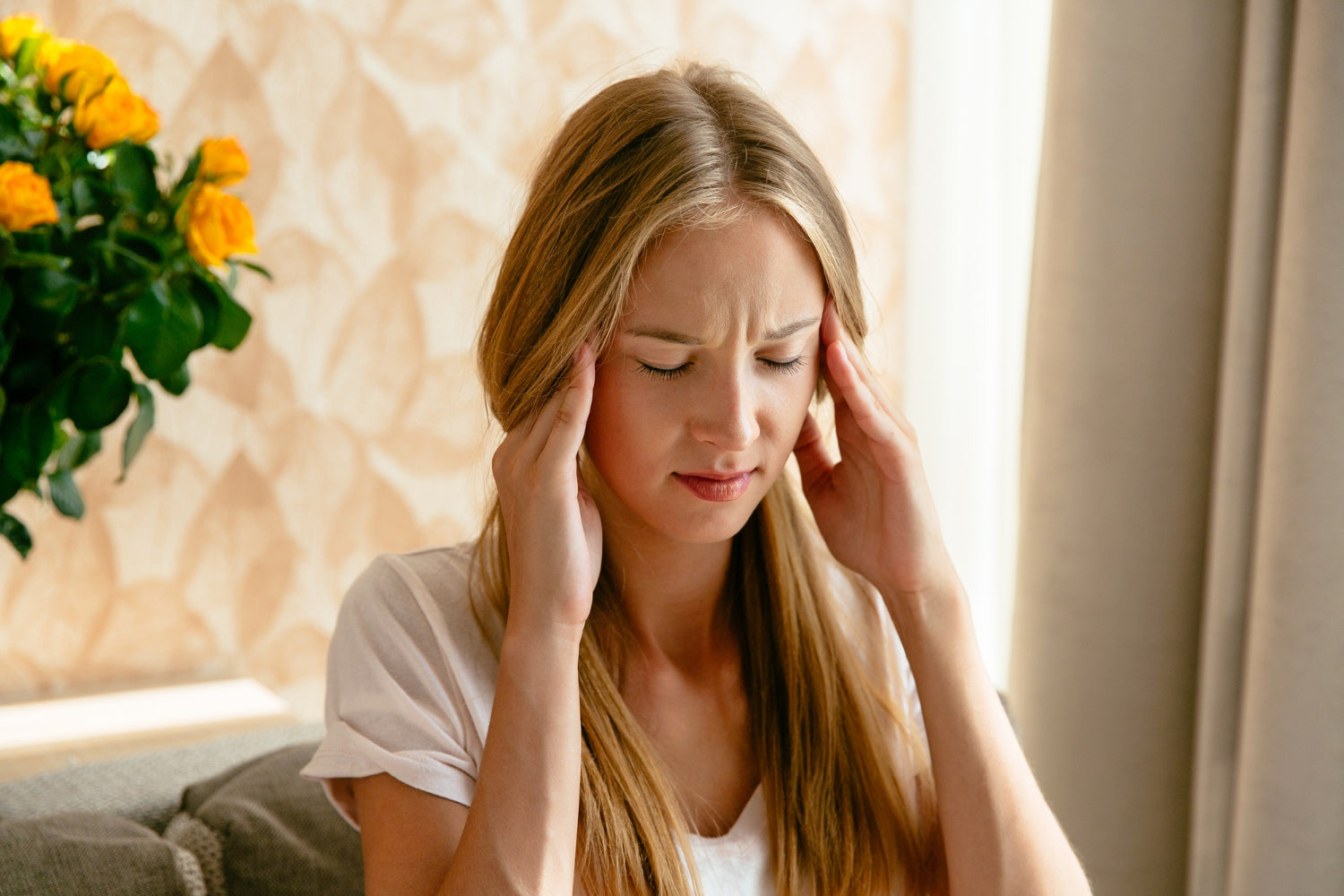























During menstruation or hormonal changes (pregnancy, menopause, premenstrual syndrome, etc.), breasts can become sensitive and cause breast pain . While there's no miracle cure for this pain, certain techniques and natural treatments can help. Discover the causes of mastodynia and tips to soothe breast pain and restore your well-being.
What is mastodynia?
Definition :
Mastodynia, also called mastalgia or breast pain, is frequently encountered in women. It can be mild or severe and occur occasionally or constantly. Mastodynia encompasses all pain in the breast area and can be categorized into two groups:
- Cyclical mastodynia (related to the menstrual cycle): This refers to breast pain that usually occurs a few days before and during menstruation. It recurs from one menstrual cycle to the next over several months. This pain can radiate to the armpit and be accompanied by a feeling of breast swelling, as well as other symptoms related to premenstrual syndrome.
- Non-cyclic mastodynia: This includes acute pain (related to a breast abscess, mastitis, etc.) or chronic pain (related to cystic pathologies, for example).

What are the causes of breast pain?
Mastodynia, more commonly known as breast pain, is a phenomenon that many women experience to varying degrees. Mastodynia manifests as a sensation of pain, tenderness, or even heaviness in one or both breasts.
The causes?
They are very varied. Hormonal, first of all, because our friends the hormones like to party at certain times of the menstrual cycle, particularly before menstruation, which can transform our breasts into “sensitivity amplifiers”.
But that's not all: the causes can also be physical (such as trauma or surgery), related to medication, or even psychological. In short, mastodynia is a warning signal our body sends to indicate that something is wrong, and we can take action and alleviate this pain, sometimes by rebalancing our hormones through diet or micronutrition, or simply with a decongestant massage. Breast massage is also said to have benefits for the entire female body.
Hormonal imbalances: PMS, pregnancy, perimenopause
Mastodynia, or breast pain, can be closely linked to hormonal imbalances in the body. Two hormones are primarily responsible: estrogen and progesterone. When their balance is disrupted, it can lead to breast tenderness or pain.
- Estrogen : It can cause increased breast sensitivity. Excess estrogen can cause an increase in breast tissue, making the breasts more sensitive and sometimes painful.
- Progesterone : If this hormone is not produced at the right time in the menstrual cycle, the balance with estrogen is disrupted. A low level of progesterone relative to estrogen can also contribute to mastalgia, especially in the second half of the menstrual cycle.
Other hormones may play a role, such as prolactin, which is involved in the production of breast milk, and which, when produced in excess (outside of pregnancy and breastfeeding), can also cause breast pain.
Conditions such as premenstrual syndrome (PMS) or disorders such as hormonal imbalance related to polycystic ovary syndrome (PCOS) They can also influence the onset of breast pain through their impact on the overall hormonal balance.
Thus, mastodynia can reflect natural variations within this hormonal balance, but it can also signal deeper imbalances requiring special attention.
Non-cyclical pain
Beyond hormonal imbalances, other factors can cause mastodynia in some women:
- Fibrocystic breast disease : This refers to fibrocystic changes in the breasts. This fairly common condition is characterized by the presence of cysts (small fluid-filled sacs) and denser tissue in the breasts. These changes can cause pain and tenderness, especially in relation to menstrual cycles.
- Infections and inflammation: Breast infections, such as mastitis (often associated with breastfeeding), can cause pain. Even without infection, inflammation in the breasts can also be painful.
- Trauma and injuries: A blow, injury, or even previous breast surgery can cause persistent pain, sometimes long after apparent healing.
- Certain medications : Some medications, particularly those influencing hormone levels such as birth control pills, hormone replacement therapies, and even some antidepressants, can have breast pain as a side effect.
- Breast diseases: Although mastodynia is rarely a symptom of breast cancer, some benign (non-cancerous) breast conditions, such as cysts and fibroadenomas (solid benign tumors), can cause pain.
Identifying the exact cause of mastodynia may require a medical examination, as breast pain can be a symptom of various conditions. An evaluation by a healthcare professional is therefore crucial to determining the source of the problem and proposing the most appropriate treatment.
How to relieve a tender chest ?
To soothe tender and painful breasts, many women turn to natural solutions, seeking to alleviate their symptoms without necessarily resorting to medication. Here are some natural strategies that may provide relief:
- Adjusting your diet : Reducing your consumption of caffeine (coffee, tea, sodas) and salt can help decrease water retention and therefore breast tenderness. It is also recommended to increase your intake of omega-3 fatty acids (found in oily fish, flax seeds, and walnuts) for their anti-inflammatory effects.
- Certain dietary supplements are recommended : Magnesium, taken in the second half of the menstrual cycle, can help reduce the symptoms of premenstrual syndrome (PMS), including breast tenderness. Also recommended are "liver-supporting" herbs that can counteract inflammation and/or the classic estrogen dominance (too much estrogen compared to progesterone), including rosemary . desmodium and broccoli extract with proven effectiveness in promoting the proper metabolism of estrogens. Find out more
Skin Detox Elixir AndDuo Feel Good Our two solutions combating estrogen dominance. - Wearing a well-fitting, supportive bra can reduce pain, especially during physical activity. Some women find relief by wearing a sports bra, even when not exercising.
- Regular physical activity can help regulate hormones and reduce water retention, thus decreasing the feeling of breast tenderness. Yoga and stretching can also be beneficial for relaxing the body and mind.
- Managing stress through meditation, deep breathing, or relaxation techniques can indirectly help reduce breast tenderness, especially if it is related to stress or anxiety.

What are some natural remedies for relieving breast pain?
To relieve breast tenderness and sensitivity, certain natural ingredients are known for their beneficial properties. Here is a list of the most popular, often praised for their effectiveness in relieving the symptoms of mastodynia:
- Magnesium : Magnesium is a crucial mineral that can help relax muscles and reduce pain, including breast pain. It is sometimes recommended in the second half of the menstrual cycle to alleviate PMS symptoms .
- Ginkgo Biloba : The two main active components of Ginkgo biloba These include flavonoids and terpenoids, such as ginkgolides and bilobalides, which are known for their antioxidant properties and their ability to improve blood circulation. By improving circulation, Ginkgo biloba helps reduce water retention and inflammation, which can relieve breast tenderness and pain, especially if these symptoms are related to circulatory problems or general inflammation in the body.
- Yam, the plant associated with femininity, particularly wild yam (Dioscorea villosa), is often mentioned in the context of natural remedies for its beneficial properties for women's health, especially for relieving the symptoms of menopause and premenstrual syndrome (PMS). The active ingredient in yam that is generating the most interest for these uses is diosgenin. In the context of breast tenderness and pain, which are often linked to hormonal fluctuations, especially during PMS or hormonal transitions like menopause, wild yam helps to regulate these fluctuations and provide relief.
- Arnica is widely recognized for its anti-inflammatory and analgesic properties, making it a popular remedy for treating bruises, pain, inflammation, and other trauma-related conditions. The active ingredients in arnica These include sesquiterpene lactones, among which helenalin is particularly important, as well as flavonoids and essential oils. Sesquiterpene lactones are responsible for arnica's anti-inflammatory effect, helping to reduce inflammation and pain in affected tissues. Applying arnica preparations to the skin can help decrease local inflammation and relieve pain.
- Licorice extract Derived from the root of Glycyrrhiza glabra, it is renowned for its numerous therapeutic properties. It helps relieve breast tenderness thanks to the presence of glycyrrhizin. This compound possesses anti-inflammatory properties and can mimic certain effects of steroid hormones, such as cortisol. These properties may contribute to the relief of breast tenderness by reducing inflammation and modulating hormonal activity, which is particularly helpful in cases of breast pain related to premenstrual syndrome or other hormonal imbalances.
MIYE PRODUCTS
Discover our natural products to combat breast pain and tense or congested areas.
To relieve breast pain, the Happy Cycles massage body serum is especially recommended for women experiencing menstrual discomfort, particularly targeting sensitive and tense areas (breasts, abdomen, and heavy legs). Thanks to its gentle formula and its richness in decongestant, draining, and soothing active ingredients (liposomal yam, magnesium, arnica, ginkgo biloba), it provides relief to sensitive areas upon application or through localized massage.
To enhance your comfort and feminine well-being, discover our feel-good duo pack composed of our two natural food supplements, without phytohormones and specially developed to improve physical and mental comfort during periods of hormonal variation (mood swings, fatigue, irritability, stress, cravings, menstrual discomforts…).


![Pilulier [MY] Essentiels équilibre féminin sur fond transparent](http://www.miye.care/cdn/shop/files/Visuels-shop-25.png?v=1747987949&width=800)
![Flacon avec pompe [MY] Sérum corps apaisant avec macaron meilleur produit bio 2024 et écocert](http://www.miye.care/cdn/shop/files/Visuels_shop_82.png?v=1773304790&width=1000)
Share:
What are the differences between organic and traditional cosmetics?
Endometriosis and Diet: Which Nutrients to Favour or Avoid?