








Key Takeaways
Cortisol is a stress hormone produced by the adrenal glands, which are located on top of the kidneys.
An excess of cortisol can cause persistent fatigue, abdominal weight gain, sleep disturbances, irritability, and disruptions in women's cycles.
Women are particularly sensitive to fluctuations in cortisol, especially during PMS, perimenopause, or when stopping birth control.
Natural approaches have proven effective: regular sleep, moderate physical activity, an adapted diet, and stress management. Certain adaptogenic plants like rhodiola, as well as key micronutrients, can help support nervous balance during periods of intense stress.
What is Cortisol?
Anyone can find themselves with an excess of cortisol. But before exploring solutions to lower your cortisol levels, let's understand its role and origin.
Cortisol is a steroid hormone produced by the adrenal glands, located on top of the kidneys. This hormone, which is often called the "stress hormone," plays a vital role during stressful situations. As a glucocorticoid, cortisol is involved in regulating many processes in the body:
- the metabolism of carbohydrates,
- of lipids and proteins,
- It also helps control inflammation. Additionally, it directly influences your sleep cycles, blood pressure, and blood sugar levels.
Its production is regulated by the hypothalamus and the pituitary gland, two parts of the brain that manage hormonal balance. This mechanism is part of the hypothalamic-pituitary-adrenal (HPA) axis, which constantly adjusts the amount of cortisol produced based on the body's needs and the situations we face.
What Does Cortisol Do in Our Body?
Cortisol is a key hormone for maintaining balance (homeostasis) and the overall health of our organism.
Its vital functions include:
- Metabolism Regulation: It is essential in regulating carbohydrates, lipids, and proteins. By stimulating glucose production by the liver, cortisol increases blood sugar, thereby providing a quick source of energy in stressful situations.
- Stress Response: In response to stress, whether physical or emotional, cortisol raises blood pressure, heart rate, and body temperature. It prepares the body to act quickly. This release of cortisol also improves the availability of glucose in the blood and mobilizes energy reserves.
- Immune and Inflammatory Functions: Cortisol possesses anti-inflammatory properties by inhibiting certain functions of the immune system. However, prolonged exposure can weaken the immune response, increasing the risk of infections and autoimmune diseases.
- Mood and Circadian Rhythm Regulation: It also influences brain regions responsible for mood, motivation, and fear. Its secretion follows a daily pattern, peaking in the morning and hitting a low at night, contributing to the regulation of the circadian cycle.
- Other Functions: Cortisol helps regulate blood pressure and blood sugar levels, and slows down non-essential functions during stressful times, such as digestion, reproduction, and growth. It is also crucial for fetal lung maturation and maintaining vital functions during stressful periods.

However, when cortisol levels remain elevated over a long period, it can lead to various health issues, including weight gain, muscle weakness, and sleep disturbances. This is why it is so important to understand its impacts and take steps to lower your cortisol levels.
What Are "Normal" Cortisol Levels?
Throughout the day, the concentration of cortisol fluctuates in the blood, influenced by various elements such as time, age, sex, as well as your general state of health. Cortisol exhibits a nycthemeral rhythm, meaning its production peaks in the morning before decreasing throughout the day.
Typically, cortisol levels are highest between 6:00 AM and 8:00 AM and reach their lowest level around midnight.
Cortisol levels considered normal vary depending on the time of day the sample is taken. For an adult, it presents as follows:
- Morning (8:00 AM): 275 to 685 nmol/L (100 to 250 µg/L)
- Midday (12:00 PM): 190 to 465 nmol/L (70 to 170 µg/L)
- Afternoon (4:00 PM): 165 to 300 nmol/L (60 to 110 µg/L)
- Evening (8:00 PM): 110 to 250 nmol/L (40 to 90 µg/L)
- Midnight (12:00 AM): 55 to 190 nmol/L (20 to 70 µg/L)
The main factors that will influence these levels are:
- Estrogens (present in contraceptives or during pregnancy) can cause these levels to rise.
- Obesity, physical and emotional stress, as well as certain medical conditions like hyperthyroidism, can elevate cortisol.
- Chronic stress is probably the most common factor.
Are Women More Exposed?
Cushing's syndrome, which is characterized by high levels of cortisol, affects both men and women. However, certain manifestations can differ by sex. We emphasize the symptoms associated with high cortisol levels, paying close attention to the differences observed in women.
General Symptoms
- Weight Gain: Particularly around the trunk and upper back, with a rounded face and a buffalo hump between the shoulders.
- Acne and Fragile Skin: The skin becomes thinner, more prone to bruising and stretch marks.
- Muscle Weakness: A decrease in muscle mass and increased fatigue during physical exertion.
- High Blood Pressure and Diabetes: Elevated blood pressure and the potential development of type 2 diabetes are consequences of high cortisol levels.
- Sleep and Mood Disorders: Anxiety, nervousness, depression, and difficulties concentrating are also part of the symptoms.
Symptoms in Women
In addition to general symptoms, women may experience specific signs such as:
- Hirsutism: Excessive hair growth on the face and body.
- Menstrual Irregularities: Irregular menstrual cycles or an absence of periods.
- Fertility Issues: Difficulties conceiving due to hormonal imbalances caused by excess cortisol.
Other Considerations
It is essential to highlight that women, especially those taking oral contraceptives or who have hormonal disorders, can be more affected by variations in cortisol levels. Nevertheless, Cushing's syndrome is not more common in women than in men, although clinical manifestations can vary by sex.
How Do I Know If I Have Too Much Cortisol in My Body?
Excess cortisol is intimately linked to Cushing's syndrome, leading to a cascade of significant and sometimes serious symptoms. Here is a complete list of the most common ones:
- Physical Changes: One of the most obvious signs of excess cortisol is the redistribution of body fat, leading to notable weight gain, especially around the trunk and upper back, characterized by a buffalo hump between the shoulders. The face also takes on a rounder and redder shape, often described as a "moon face."
- Skin Problems: The skin becomes thinner, making it more prone to bruising and stretch marks, particularly on the abdomen, hips, thighs, and arms. Wound healing is also slower.
- Muscle and Bone Disorders: Excess cortisol causes a decrease in muscle mass and general weakness, as well as a decrease in bone density, or osteoporosis, increasing the risk of fractures.
- Metabolic and Cardiovascular Disorders: An excess of cortisol can lead to hypertension, type 2 diabetes, and increase the risk of kidney stones and blood clots forming.
- Neurological and Psychological Disorders: This condition can cause sleep disturbances, anxiety, nervousness, depression, as well as difficulties with concentration and memory. In severe cases, it can even lead to hallucinations and other mental health issues.
- Hormonal and Reproductive Disorders: In women, this can translate into menstrual irregularities, a lower libido, and signs of virilization such as acne, a deeper voice, and excessive facial and body hair (hirsutism). In men, symptoms include a reduced libido, erectile dysfunction, and decreased fertility.
It is essential to consult a healthcare professional if you experience several of these symptoms, as early diagnosis and treatment can greatly improve the outlook for recovery and management of excess cortisol.
What is a Cortisol Belly?
A high cortisol level, often linked to chronic stress, can cause undesirable effects, including a bloated and hard belly or localized weight gain. Cortisol plays a key role in managing carbohydrates, fats, and proteins. However, when it is produced in excess over long periods, it can disrupt metabolism, leading to an accumulation of fat, particularly in the abdominal area. This phenomenon can give the appearance of a bloated belly, often accentuated by bloating or disrupted digestion.
The link between cortisol, stress, and a bloated belly is also explained by the impact of this hormone on the digestive system. A high level can slow down intestinal motility, promote inflammation, and even alter the balance of the microbiota, amplifying feelings of abdominal heaviness. Additionally, stress often drives compensatory eating behaviors, such as snacking or consuming fast sugars, which worsen the problem.
Which Foods Lower Cortisol?
Foods That Decrease Cortisol
Several foods are known to support cortisol regulation: magnesium-rich foods (dark chocolate, almonds, spinach), omega-3s (salmon, sardines, walnuts), fermented foods (kefir, yogurt, sauerkraut) which support the gut-brain axis, green tea and its soothing L-theanine, and fruits rich in vitamin C (kiwi, red bell pepper) which support the adrenal glands.
What to Drink in the Morning to Lower Cortisol?
Green tea (thanks to L-theanine), ashwagandha or rhodiola herbal teas, warm lemon water in the morning, and tart cherry juice (rich in melatonin and antioxidants) are the most documented drinks to support lowering cortisol. Conversely, coffee and alcohol stimulate cortisol production and should be limited.
What to Eat Upon Waking to Lower Cortisol?
The natural peak of cortisol occurs between 6:00 AM and 8:00 AM. To accompany it without worsening it, prioritize upon waking: proteins (eggs, Greek yogurt) which stabilize blood sugar, complex carbohydrates (oatmeal), foods rich in tryptophan (banana, walnuts) which are precursors to serotonin, and a glass of lemon water.
Avoid coffee on an empty stomach, which amplifies the morning cortisol peak, and fast sugars which cause a stressful blood sugar rebound for the body.
How to Lower Your Cortisol Levels Naturally?
To understand how to lower cortisol in the body, it is essential to adopt a comprehensive approach that encompasses lifestyle, diet, physical exercise, and stress management techniques.
Here are proven strategies to regulate your cortisol and know how to lower your cortisol quickly:
Lowering Your Cortisol with Sleep and the Circadian Rhythm
Restorative sleep is essential for balancing cortisol levels. Aim for between 7 and 9 hours of sleep per night and try to stick to regular sleep schedules. Adopting a consistent sleep routine can help regulate cortisol and improve the quality of your sleep.
Lowering Your Cortisol Levels with Physical Activity
Regularly practicing moderate physical activity, such as walking, yoga, or swimming, can help lower cortisol levels. It is important to find the right balance and avoid overly intense exercises that could, on the contrary, temporarily increase cortisol.
How to Lower Cortisol Levels with Stress Management
Stress management methods, such as meditation, deep breathing, and laughter yoga, are essential for controlling cortisol. Learning to identify and manage stressful thoughts also plays a key role in reducing cortisol.
Plants and Natural Supplements to Support Balance
Turning to adaptogenic plants does not oppose a natural approach: it is a part of it. Plants like rhodiola rosea, saffron, or griffonia are studied for their ability to support nerve functions during times of stress, and to contribute to a better emotional balance. Combined with micronutrients like vitamin C or magnesium, whose intake is often insufficient during periods of intense stress, targeted support can make a real difference daily.
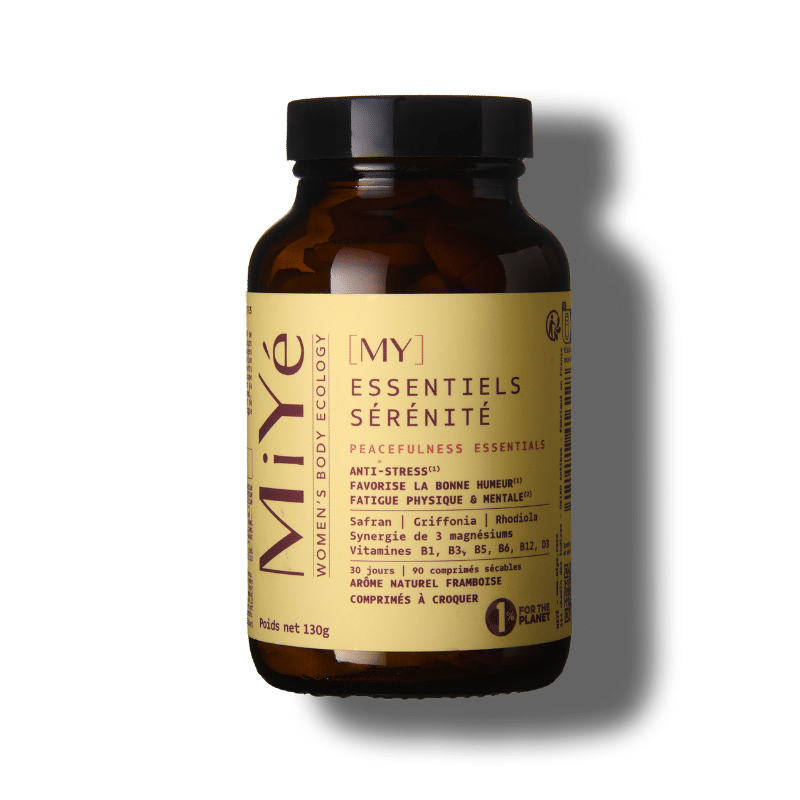
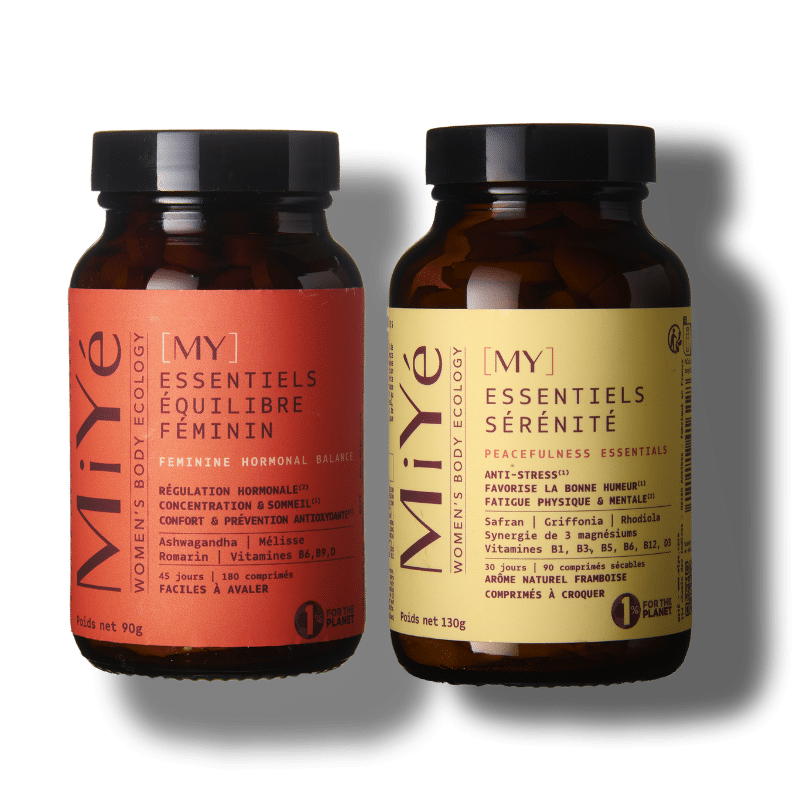
The supplement Serenity Essentials is specially formulated to help the body deal with chronic stress and excess cortisol, thanks to a synergistic blend of adaptogenic plants (saffron, griffonia, rhodiola), highly absorbable magnesium, and vitamins B and D.
What is the Most Powerful Natural Regulator of Cortisol?
Ashwagandha (Withania somnifera) is the most studied adaptogen for regulating cortisol. Several clinical studies show a significant reduction in salivary cortisol after 8 weeks of supplementation. Rhodiola rosea and saffron effectively complement this trio for managing stress and adrenal fatigue.
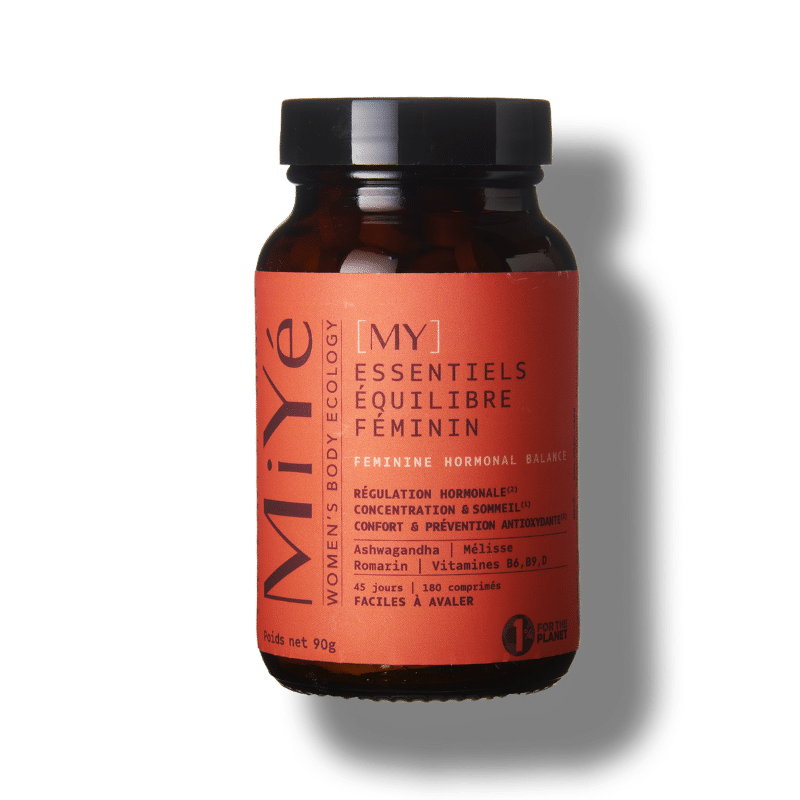
Based on ashwagandha, Women's Balance Essentials is designed to preserve hormonal balance and strengthen metabolism against oxidative stress and inflammation.
Dietary supplements are not a substitute for medical treatment. If symptoms persist, consult your doctor.
Leisure Activities and Social Interactions
Leisure activities and positive social interactions, such as gardening, listening to relaxing music, and laughing, are beneficial for reducing cortisol and enhancing well-being.
Psychotherapy and Relaxation
Psychotherapy and relaxation practices are effective tools for managing stress and lowering cortisol. Dedicating time to relaxation and calming activities promotes hormonal balance and general well-being.
By integrating these strategies into your daily routine, you can significantly reduce your cortisol levels and improve your overall health.
Medication to Lower Cortisol
Here are the main categories of medications used to lower cortisol:
- Cortisol production inhibitor medications
- These treatments, like metyrapone or ketoconazole, act directly on the adrenal glands to block the excessive production of cortisol. They are often used in cases of Cushing's syndrome or other adrenal disorders.
- Cortisol receptor antagonists
- Mifepristone is a cortisol receptor antagonist used to reduce the effects of this hormone on target tissues, particularly in patients suffering from diabetes or obesity.
- ACTH release inhibitors
- In some cases, medications like cabergoline or pasireotide are prescribed to reduce the secretion of ACTH (the hormone that stimulates the adrenal glands). This is specifically true when the source of the problem is linked to a pituitary tumor.
- Corticosteroids in cases of compensatory insufficiency
- Paradoxically, in certain situations, low-dose corticosteroids may be administered to regulate cortisol when the imbalance is linked to a compensatory deficiency.
Understanding the functions of cortisol, recognizing the symptoms of an excess of this hormone, and knowing the methods to regulate it is essential. Adopting a healthy lifestyle, characterized by
- quality sleep,
- a balanced diet,
- regular physical exercise, and the application of stress management techniques—can significantly reduce cortisol levels.
Integrating these changes into your daily life is a beneficial step toward improving your overall well-being and preventing health problems associated with excess cortisol.
In case of issues regarding cortisol secretion, acute stress, or headaches, we advise consulting your doctor. Having a blood test done and measuring your blood pressure levels will allow for a thorough diagnosis to address cortisol-related problems in the long term.
FAQ
How can I check my own cortisol levels?
There are three ways to measure your cortisol:
(1) a blood test, ideally performed in the morning between 7:00 AM and 9:00 AM—this is the standard test prescribed by your doctor.
(2) a saliva test, available in pharmacies or laboratories, which measures cortisol at different times of the day.
(3) a 24-hour urine test, prescribed if Cushing's syndrome is suspected. Saliva self-tests sold online can give an indication but do not replace medical advice.
Is lemon water effective against cortisol?
Lemon water is not a direct remedy for cortisol, but it is an interesting addition to a morning routine: the vitamin C in lemon supports adrenal gland function, and hydrating right upon waking helps soften the natural morning cortisol peak. It does not have a powerful pharmacological effect, but within the context of an overall anti-stress lifestyle, it is a good habit to adopt.
What is the ultimate anti-stress fruit?
Several fruits are particularly interesting for fighting stress and cortisol: the banana (rich in tryptophan and magnesium), the kiwi and the orange (excellent sources of adrenal vitamin C), blueberries (powerful antioxidants that reduce oxidative stress linked to cortisol), and the tart cherry (a natural precursor to melatonin that improves restful sleep).
Share:
Menopause: how to fight fatigue naturally ?
What are the natural remedies for menopausal symptoms ?