










Key takeaways
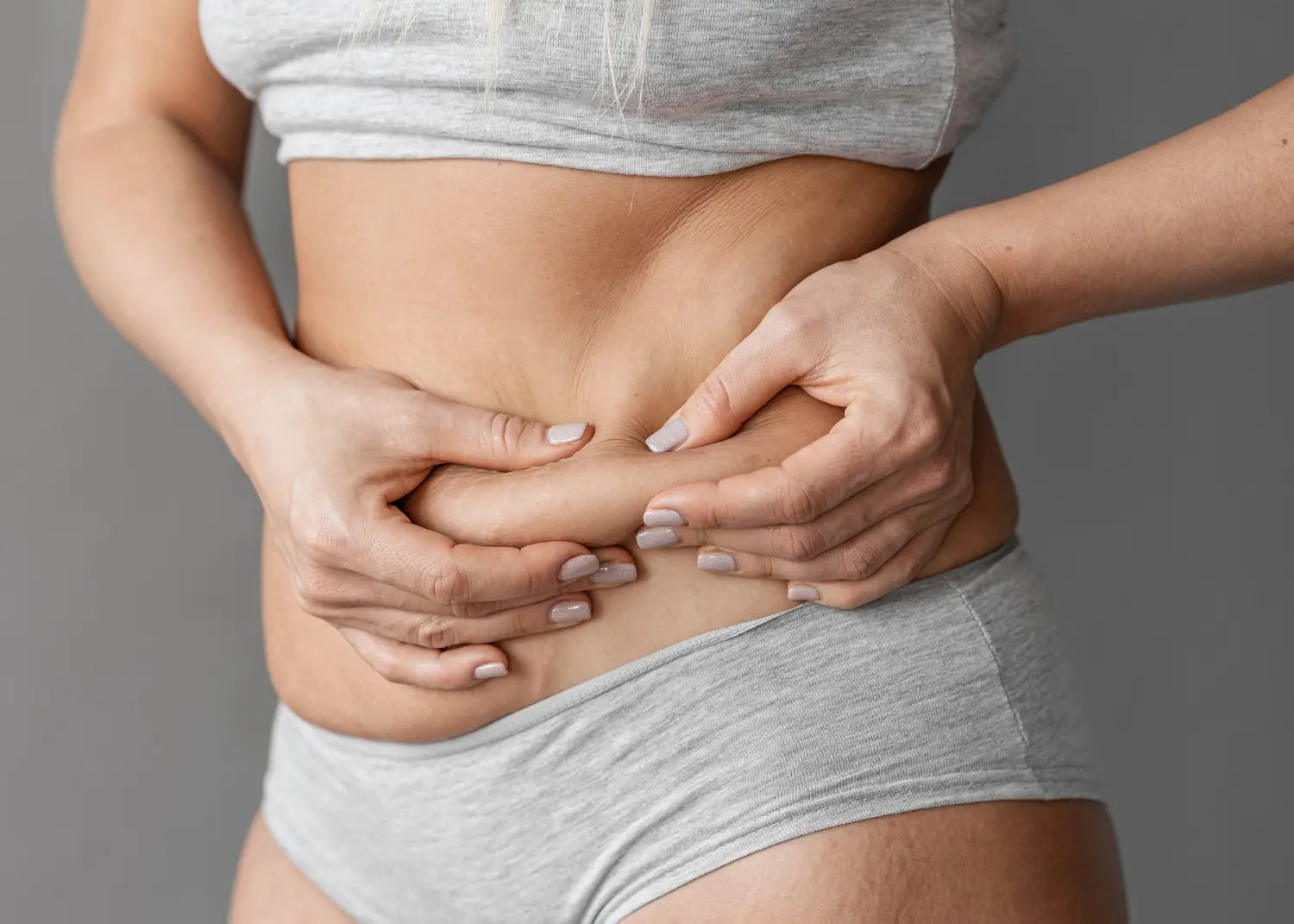
A hormonal belly refers to an accumulation of deep visceral fat, linked to female hormonal imbalances.
Declining oestrogen (menopause), excess cortisol linked to stress, PCOS or insulin resistance all promote abdominal fat storage.
This fat is more inflammatory and metabolically active, making it harder to lose belly fat despite dieting.
Natural solutions (adaptogenic plants, probiotics, magnesium) can effectively support hormonal balance.
What exactly is a hormonal belly?
A hormonal belly is not simply a transient bloating after a meal or water retention. It is visceral fat, deeper than subcutaneous fat, which settles around the organs and sustains chronic inflammation. Unlike surface fat, it increases metabolic risks without necessarily reflecting overeating.
Hormonal fluctuations play a key role: declining oestrogen at menopause or elevated cortisol levels promote fat deposits in the abdominal area. Insulin sensitivity also plays a part by converting sugars into visceral fat more readily.
Now you can better understand why it is so difficult to achieve a flat stomach despite a strict diet.
The main causes of abdominal fat accumulation

Oestrogen / progesterone imbalance
When oestrogen declines without sufficient progesterone to compensate, fat distribution becomes more "android" in pattern, meaning it tends to concentrate around the abdomen rather than the hips. This imbalance alters lipid metabolism and promotes localised fat storage.
Chronic stress and elevated cortisol
Prolonged stress raises cortisol levels, which stimulates the growth of visceral fat cells and reduces energy expenditure. It also reinforces insulin resistance, creating a vicious cycle of abdominal weight gain.
PCOS and hormonal belly
Polycystic ovary syndrome (PCOS) is associated with hyperandrogenism and insulin resistance, promoting visceral fat accumulation. Women affected often present with a marked hormonal belly and digestive disturbances linked to low-grade inflammation.
Menopause and metabolic changes
At menopause, declining oestrogen slows basal metabolism and shifts the body towards greater abdominal fat storage. Muscle mass decreases, visceral fat increases and cardiometabolic risks rise, even in the absence of excessive sedentary behaviour.
It is often at this stage that a hormonal belly becomes visible for the first time.
Hormonal belly and associated symptoms
Beyond fat accumulation, several signs may alert you:
- Chronic fatigue linked to a slowed metabolism and inflammation.
- Sleep disturbances (insomnia, night sweats) exacerbated by hormones.
- Mood changes: irritability, anxiety, low mood.
- Reduced libido and difficulty concentrating.
- Irregular cycles, pelvic pain or acne in cases of PCOS.
- Bloating and persistent digestive discomfort.
- Hot flushes during perimenopause.
These signs are all invitations to rebalance your lifestyle and diet.
Diet and hormonal belly: what helps... and what makes it worse
Some foods promote inflammation and insulin resistance, while others support a balanced metabolism and digestive comfort.
What makes it worse: Sugary drinks, pastries, ultra-processed foods and fried foods (rich in fast sugars and saturated/trans fats). These choices cause insulin spikes and fuel inflammation. A lack of fibre also increases intestinal fermentation and bloating.
What helps: A varied diet, rich in fibre, omega-3 and quality proteins, stabilises blood sugar, preserves muscle mass and helps reduce visceral fat.
| Category | Examples | Benefits |
|---|---|---|
| Fibre | Green vegetables, berries, whole grains | Improves bowel transit, regulates blood sugar and inflammation |
| Omega-3 | Oily fish, flax/chia seeds, walnuts | Anti-inflammatory and hormone-protective |
| Proteins | White meat, legumes, eggs | Supports muscle mass and feelings of satiety |
Lifestyle habits and hormonal belly: underestimated levers
- Sleep: Aim for 7 to 9 hours of quality sleep each night to regulate leptin and ghrelin, two key appetite hormones.
- Stress management: Incorporate meditation breaks, breathing exercises or yoga to naturally lower your cortisol levels.
- Appropriate physical activity: Combine moderate cardio (brisk walking, swimming) with strengthening exercises (core work, hypopressive exercises) to burn visceral fat while preserving muscle.
- Hydration: Drinking regularly aids digestion, limits water retention and helps manage cravings. Good hydration, combined with an appropriate diet, optimises digestive wellbeing and prevents discomforts linked to a hormonal belly.
- Avoiding smoking and excess alcohol: Both factors disrupt hormonal balance and promote abdominal fat storage.
A hormonal belly is not inevitable: it reflects an imbalance that can be gently rebalanced. By adjusting your diet, sleep, stress management and physical activity, you give your body back the keys to its own equilibrium. Plants, probiotics and minerals complement this journey with care and kindness.
Natural solutions for living better with a hormonal belly
In addition to diet and activity, certain plants and natural approaches act gently:
- Ashwagandha and Lemon balm to ease stress and support better sleep.
- Fennel, anise or peppermint infusions to relieve bloating and stimulate bowel transit.
- Green tea to stimulate fat burning and accelerate lipolysis.
- Probiotics (yoghurt, kefir, miso) to rebalance intestinal flora and optimise the effects of food supplements for healthy digestion.
- Potassium (bananas, spinach) and magnesium to limit water retention and reduce cortisol.
Incorporate these solutions gradually: they will work in synergy with your dietary and exercise efforts for a lasting result.
FAQ
What are the main causes of hormonal imbalances that lead to a bloated belly?
These include: an imbalance between oestrogen and progesterone, excess cortisol linked to stress, polycystic ovary syndrome, declining progesterone and hormonal variations throughout the cycle. These factors lead to water retention, slower bowel transit and abdominal fat deposits.
How do stress and cortisol contribute to the development of a hormonal belly?
Chronic stress raises cortisol, which directs fat storage towards the abdomen to protect the organs. It disrupts blood sugar levels, increases appetite and makes the belly more resistant to conventional diets.
What are the abdominal symptoms of polycystic ovary syndrome (PCOS)?
PCOS is often accompanied by bloating, constipation, abdominal weight gain linked to insulin resistance and mild inflammation of the digestive system.
SOURCES:
- "Bloated belly – Livi Health — A straightforward explanation of the mechanisms that cause abdominal bloating (gas, aerophagia, constipation, intolerances). Bloated belly: what are the causes?
- Bloating, flatulence and aerophagia – Santé.fr — A guide from the public health website on the causes and symptoms of bloating. Bloating, flatulence and aerophagia (Santé.fr)
- Bloated belly: causes, solutions and when to seek advice — Clear explanations of the main causes (diet, intestinal gas, stress) and first-line advice. Bloated belly: causes, solutions and when to seek advice


Share:
Why do we talk about the "big belly syndrome" in women ?
How to naturally hydrate dry skin during menopause ?