
ASTAXANTHIN
The many benefits of astaxanthin arise mainly from its antioxidant and anti-inflammatory effects.
ASTAXANTHIN
STIMULATES ⎪ PROTECTS ⎪ SOOTHES
What is astaxanthin?
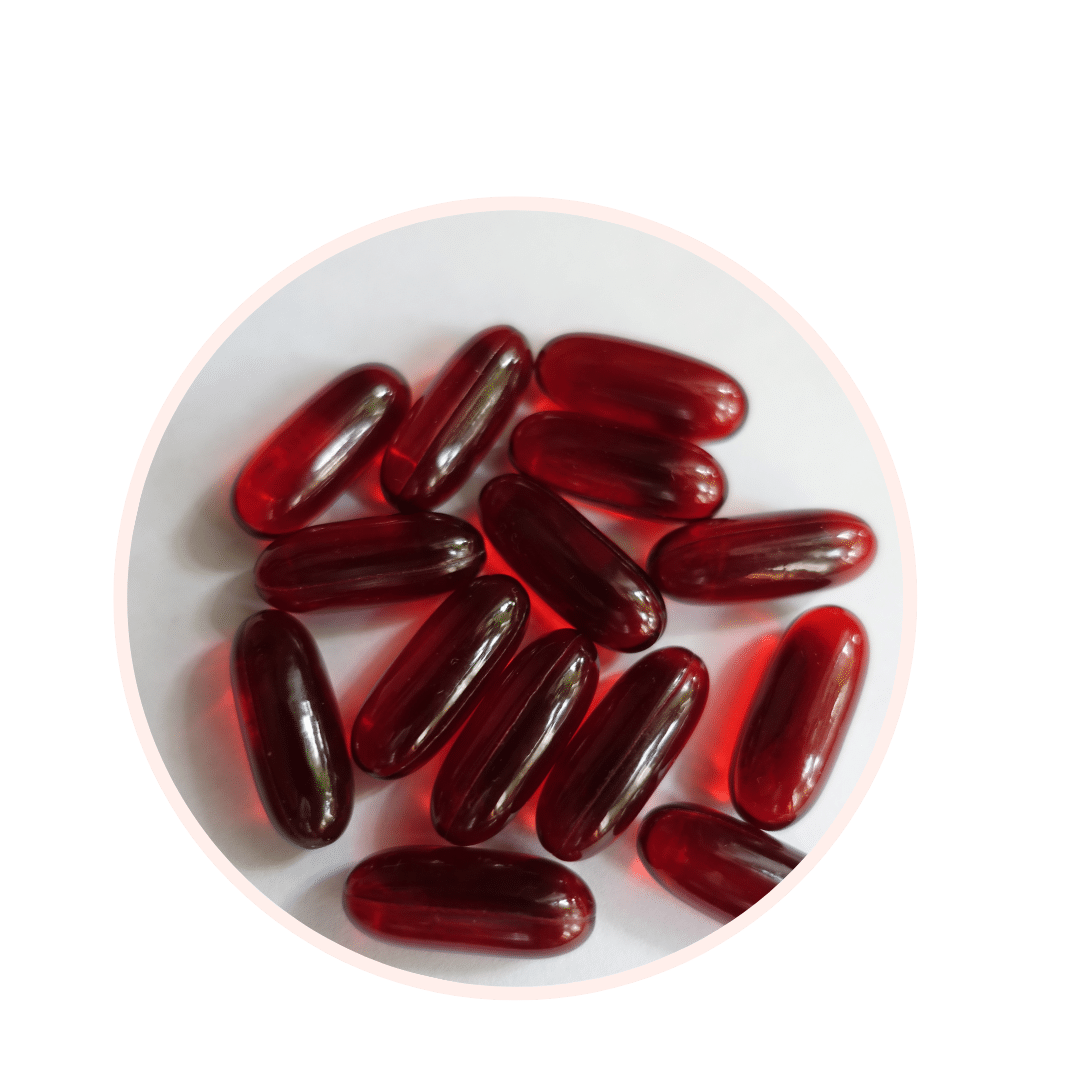
Astaxanthin is a carotenoid pigment naturally found in various marine organisms, such as algae, crustaceans (like crab and shrimp), as well as salmon. This pigment is responsible for the reddish color of these organisms. In herbal medicine and wellness products, astaxanthin is highly prized for its powerful antioxidant properties, which surpass those of many other carotenoids. It is often used to support the skin health, improve sports performance and protect the body from the effects of cellular aging.
Astaxanthin is unique among antioxidants because it is fat-soluble, allowing it to penetrate cell membranes and act directly within cells. Thanks to this capacity, it offers particularly effective protection against oxidative stress and damage caused by free radicals.
Astaxanthin is an ingredient with multiple virtues for a skin routine and effective hair. Rich in vitamin C and E, it is a powerful antioxidant which provides great protection of the skin against free radicals. On the other hand, by stimulating the production of collagen, it helps regenerate epidermal cells and soothe the skin.
Astaxanthin also helps reduce the level of the hormone responsible for hair loss. Indeed, it naturally inhibits the 5-alpha-reductase enzyme, which helps lower the level of DHT (dihydrotestosterone), the androgenic hormone mainly responsible for baldness. Its antioxidant aspect helps neutralize free radicals, thus limiting hair loss.
In our In & Out treatment [MY] Skin and Hair Essentials, is one of the natural hair serums and skin serum, which deeply hydrates the skin and soothes the most sensitive skin, in addition to helping with cell and hair regeneration.
Where does astaxanthin come from?
Astaxanthin is mainly extracted from microalgae Haematococcus pluvialis, which is known to produce large amounts of this carotenoid in response to harsh environmental conditions, such as exposure to stress or intense light. This microalgae is one of the most concentrated sources of astaxanthin in nature, making it the source of choice for dietary supplements.
Fish and shellfish absorb astaxanthin by feeding on algae or plankton that contain it, and it is this natural accumulation that gives them their reddish or pinkish hue. Today, astaxanthin is mainly grown in the laboratory to ensure optimal purity and concentration, without impacting marine ecosystems.
Properties and active ingredients
Astaxanthin is distinguished by its chemical structure which allows it to cross the blood-brain barrier and reach tissues throughout the body, making it an antioxidant of choice for overall protection. Its main properties and active ingredients include:
- Powerful antioxidant : Astaxanthin is approximately 6000 times more powerful than vitamin C and 550 times more than vitamin E in terms of its ability to neutralize free radicals. It protects cells against oxidative damage which can accelerate aging and contribute to the development of chronic diseases.
- Protection of cell membranes : Thanks to its solubility in fats, astaxanthin can integrate directly into cell membranes, strengthening their resistance to free radical attacks.
- Anti-inflammatory effects : Astaxanthin also acts as a natural anti-inflammatory by reducing markers of inflammation in the body, which may relieve some joint pain and promote better overall comfort.
- Supporting visual and cognitive health : By crossing the blood-brain barrier, astaxanthin can protect nerve cells, supporting eye health and cognitive function, while helping to prevent eye fatigue.
Its benefits:
The many benefits of astaxanthin arise mainly from its antioxidant and anti-inflammatory effects. Here is an overview of the main actions of this powerful carotenoid:
- Protects the skin against free radical damage responsible for premature aging.
- Relieves skin discomforts such as redness, dryness and itching.
- Fight against hormonal hair loss.
- Skin health : Astaxanthin is known for its protective effect against damage caused by UV rays, which helps prevent premature aging of the skin. It also helps maintain skin elasticity and hydration, thereby reducing the appearance of wrinkles and age spots.
- Cardiovascular protection : By reducing the oxidation of lipids in the blood, astaxanthin helps maintain good cardiovascular health. It could also improve blood circulation, lower blood pressure and protect blood vessels against inflammation.
- Support for physical performance : Thanks to its anti-fatigue effect, astaxanthin is sometimes used by athletes to improve endurance and muscle recovery. It can also help reduce muscle pain after exercise.
- Strengthening the immune system : By protecting cells from oxidative stress, astaxanthin contributes to the proper functioning of the immune system, allowing the body to better defend itself against infections and external attacks.
- Eye health : By protecting the retina and other eye tissues, astaxanthin may prevent eye fatigue and help reduce the risk of age-related macular degeneration (AMD).
How to consume astaxanthin?
Astaxanthin mainly comes in the form of capsules or softgels, often in combination with oils (such as olive oil) to improve its absorption. Here are some tips for optimal use:
- Recommended dosage : Dosage varies depending on individual needs, but it is generally recommended to take between 4 and 12 mg of astaxanthin per day. Higher doses may be beneficial for athletes or people seeking increased support against cellular aging.
- Association with fats : Being fat-soluble, astaxanthin is better absorbed when consumed with foods containing fat, which optimizes its assimilation by the body.
- Duration of intake : To obtain visible results, it is recommended to take astaxanthin for a prolonged period (at least 4 weeks) because its effects intensify over time.
Any side effects?
Astaxanthin is generally well tolerated, but it can cause some mild side effects, especially at high doses or in cases of individual sensitivity:
- Gastrointestinal disorders : Some users may experience stomach upset, nausea, or bloating. These effects are often temporary and can be reduced by lowering the dose.
- Change in skin color : In very high doses, astaxanthin could give a slight pinkish or orange tint to the skin, due to its pigmentary action. This effect is, however, rare and disappears when consumption stops.
- Drug interactions : People taking medications, including blood thinners, should consult their doctor before taking astaxanthin, as it may interact with certain treatments.