




LINOLEIC ACID
Linoleic acid plays a crucial role in skin barrier integrity, cellular health, and hydration regulation.

LINOLEIC ACID: Moisturize your skin!
HYDRATES ⎪ STRENGTHENS ⎪ PROTECTS
What is linoleic acid?
Linoleic acid is a polyunsaturated fatty acid from the omega-6 family, essential for skin and body health. This fatty acid is called "essential" because the human body cannot synthesize it, which means that it must be provided through food or external care. Linoleic acid is present in many vegetable oils, such as sunflower, safflower, and grapeseed oil. It is particularly prized in cosmetics for its moisturizing, repairing and anti-inflammatory properties. Its ability to strengthen the skin barrier makes it a preferred ingredient for skin and hair care.
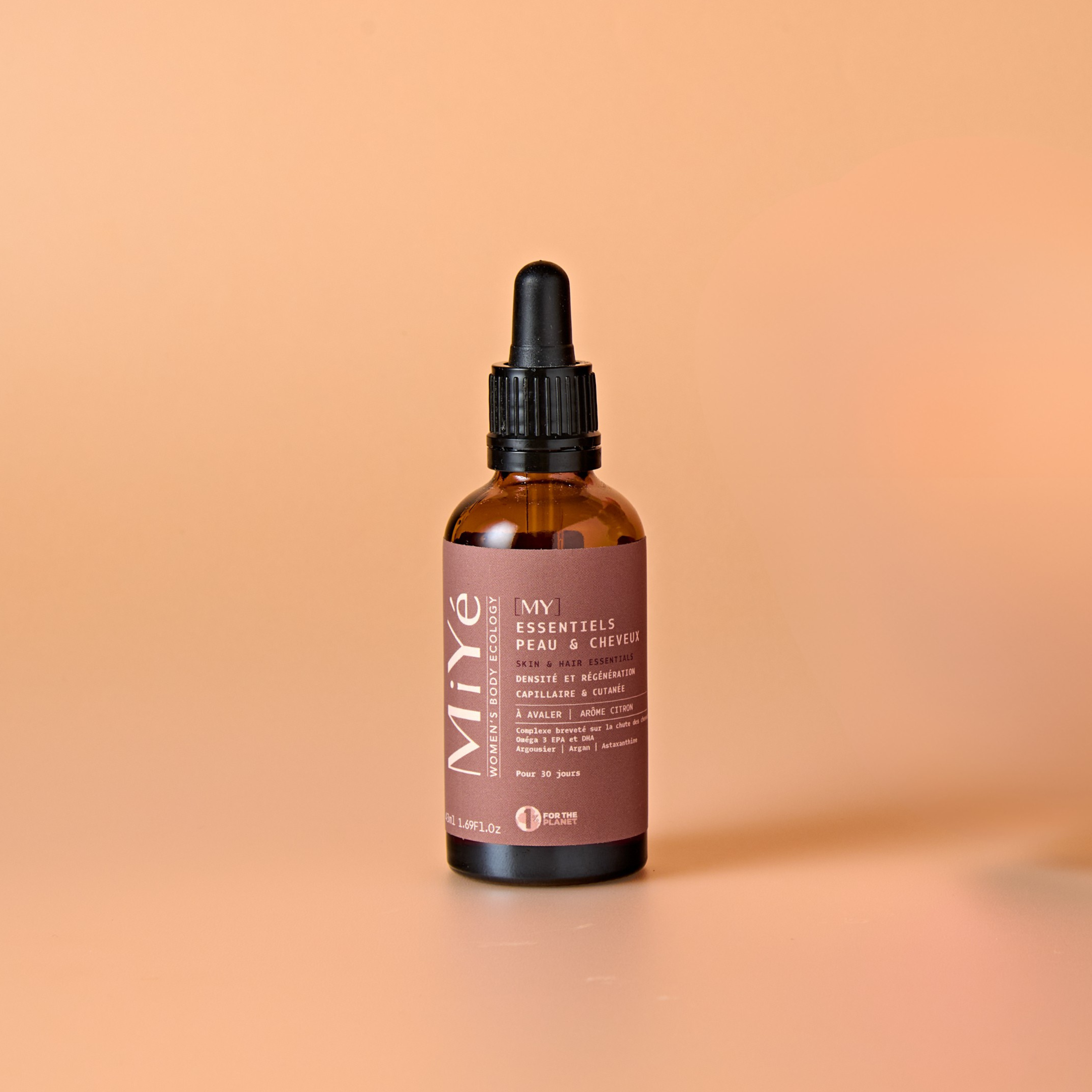
Present in our regenerating oil, linoleic acid is an essential fatty acid from the omega-6 family. It helps ensure a good level of hydration and improve the natural protection of the skin. In fact, it helps retain water in the cells of the epidermis, which is essential for maintaining healthy and well-hydrated skin.
Where does linoleic acid come from?
Linoleic acid is primarily obtained from plant sources, including oils rich in omega-6, such as sunflower oil, soybean oil, safflower oil, and grapeseed oil. In food, it is found in seeds, nuts, and certain meats. In cosmetics, it is often extracted from vegetable oils or integrated in the form of pure oil. The wide availability of this fatty acid in nature makes it a valuable and accessible resource. Linoleic acid plays a crucial role in skin barrier integrity, cellular health, and hydration regulation.
Properties and active ingredients
Linoleic acid is a highly prized active ingredient for its many beneficial properties for skin and hair. Here are its main characteristics and actions:
- Restoration of the skin barrier : By strengthening the skin's lipid barrier, linoleic acid helps maintain hydration and protect against external aggressions.
- Anti-inflammatory properties : This fatty acid has natural anti-inflammatory effects, soothing skin irritations and reducing redness and inflammation.
- Improved skin texture : Linoleic acid helps reduce imperfections and irregularities of the skin, promoting a more even and luminous complexion.
- Hydration and sebum regulation : It maintains an optimal level of hydration without weighing down the skin, and also helps balance sebum production, beneficial for oily or acne-prone skin.
- Antioxidant effect : Thanks to its ability to protect cells against oxidative stress, linoleic acid helps slow the signs of aging and preserve skin health.
What are the benefits of linoleic acid?
Linoleic acid offers many benefits for skin, hair and overall health. Here are the main benefits of this essential fatty acid:
- Hydration and water retention in the skin : By strengthening the lipid barrier, linoleic acid helps retain moisture in the skin, leaving it hydrated, supple and soft.
- Reduction of skin imperfections : Skin prone toacne benefit from the anti-inflammatory and sebum-regulating properties of linoleic acid, which helps reduce blemishes and redness.
- Prevention of skin aging : Linoleic acid protects the skin from environmental damage and free radicals, helping to slow the signs of aging and prevent the appearance of wrinkles.
- Improved suppleness and shine of hair : On the hair, linoleic acid helps restore hydration, improve shine and reduce frizz, while strengthening the hair fiber.
- Strengthening the skin barrier and protection : By strengthening the skin barrier, it helps prevent irritation and feelings of tightness, which is beneficial for dry and sensitive skin.
Its benefits:
- Preserves skin hydration while strengthening the skin barrier
- Is quickly and effectively absorbed into the deeper layers of the skin
- Soothes and calms sensitive skin
How to consume linoleic acid?
Linoleic acid can be integrated into the daily routine through food or as a topical application for the skin and hair. Here are the main ways to benefit from its benefits:
- Food : Linoleic acid is present in foods such as seeds (sunflower, flax), nuts (walnuts, hazelnuts), and certain vegetable oils (sunflower, grapeseed, safflower). By integrating these foods into a balanced diet, you can meet your essential fatty acid needs.
- Serums and moisturizers : In cosmetics, linoleic acid is often included in serums, creams and lotions for its moisturizing and protective properties. It is particularly useful for dry, sensitive or acne-prone skin.
- Hair care : Oils rich in linoleic acid are often found in hair masks, conditioners and serums to hydrate, strengthen and soften hair. Applied to the ends, it helps prevent split ends and reduce frizz.
- Facial oils : Linoleic acid is often present in vegetable facial oils, such as rosehip or grapeseed oil, which can be applied alone or added to a skincare routine for a nourishing and balancing effect.
Note : People with oily or acne-prone skin may particularly benefit from linoleic acid, as it can help regulate oil and reduce blemishes. For external use, it is recommended to perform a skin test before applying it to large areas of the face.
Any side effects?
Linoleic acid is generally well tolerated, but certain adverse effects may occur, particularly if unsuitable products are used or in the event of sensitivity:
- Rare skin irritations : Although rare, some people may experience mild irritation or redness after applying products containing linoleic acid. A skin test is recommended before first use.
- Comedogenic effect (rare) : Although linoleic acid is generally beneficial for oily and acne-prone skin, some oils rich in omega-6 fatty acids may be comedogenic on certain skin types. So it's important to choose lightweight products, especially if you have clogged pores.
- Risk of oxidation : Oils rich in linoleic acid can oxidize quickly if exposed to heat or light. It is recommended to store products containing this fatty acid in a cool place and away from light.
- Food interactions : In case of too high intake of omega-6 in the diet, an imbalance with omega-3 can occur. It is therefore recommended to maintain a balance between the two types of fatty acids for optimal health.
Sources
The benefits of linoleic acid are well documented in nutrition and cosmetic research. Numerous studies confirm its essential role in maintaining the health of the skin barrier, preventing cellular damage and regulating hydration. Health organizations recommend a balanced intake of essential fatty acids for good general health. Linoleic acid is recognized for its beneficial effects in supporting the skin barrier, and it is approved for use in cosmetics and nutrition.