




LINOLENIC ACID
It is an essential fatty acid from the omega-3 family that has many benefits for the skin. It is known for its nourishing, moisturizing and restorative properties

LINOLENIC ACID: Nourish and hydrate your skin!
HYDRATES ⎪ NOURISHES ⎪ PROTECTS
What is linolenic acid?
Linolenic acid is an essential polyunsaturated fatty acid belonging to the omega-3 family, more precisely alpha-linolenic acid (ALA), and to omega-6 in the form of gamma-linolenic acid (GLA). This compound is essential for the body, which cannot synthesize it alone, and must therefore be obtained through food. Primary sources include flaxseeds, walnuts, chia seeds and some vegetable oils. Linolenic acid plays a crucial role in cardiovascular health, regulating inflammation and supporting cognitive functions.
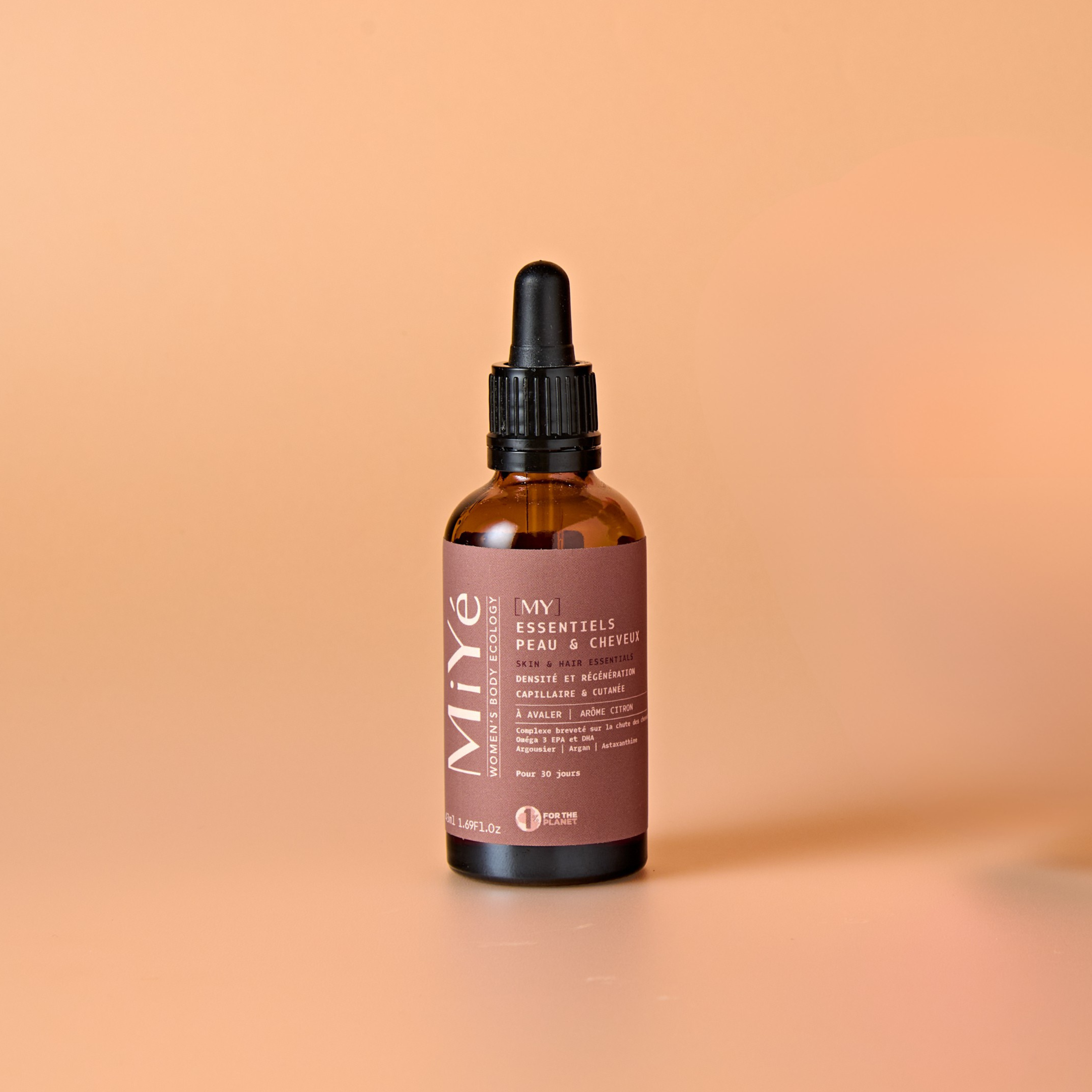
Linolenic acid is found in our regenerating facial oil. It is an essential fatty acid from the omega-3 family that has many benefits for the skin. It is known for its nourishing, moisturizing and restorative properties. It helps strengthen the skin barrier and prevent loss of moisture from the skin.
It’s dry or sensitive skin’s best friend because it can help reduce inflammation and soothe skin irritations.
Where does linolenic acid come from?
Linolenic acid is naturally present in several foods, mainly of plant origin. Flax seeds, chia seeds and walnuts are rich sources of alpha-linolenic acid (ALA), while gamma-linolenic acid (GLA) is found in evening primrose, borage and blackcurrant seed oil. Plants that produce ALA do so naturally to strengthen their cellular structures, and this fatty acid is then transferred to animals that consume these plants, although the main source for humans remains plant-based.
Linolenic acid is extracted and refined for use in dietary supplements, cooking oils and health products for its nutritional benefits.
Properties and active ingredients
Linolenic acid is prized for its anti-inflammatory properties and its essential role in several physiological functions. Here are its main properties and active ingredients:
- Precursor of EPA and DHA (omega-3) : Alpha-linolenic acid (ALA) is converted in the body to eicosapentaenoic acid (EPA) and docosahexaenoic acid (DHA), two essential fatty acids for cardiovascular and brain health.
- Regulation of inflammation : Gamma-linolenic acid (GLA) contributes to the regulation of inflammation in the body, helping to soothe joint and skin inflammations.
- Antioxidant effects : Linolenic acid helps protect cells against oxidative stress and free radical damage, which slows cellular aging.
- Support for cellular functions : Essential fatty acids are key components of cell membranes, contributing to their flexibility and function.
What are the benefits of Linolenic acid?
Linolenic acid is known for its varied health benefits, particularly for its anti-inflammatory and protective effects. Here are the main benefits of this essential compound:
- Cardiovascular health : ALA helps reduce cholesterol levels and triglycerides in the blood, helping to reduce the risk of cardiovascular disease. It also supports blood circulation and improves vessel health.
- Cognitive functions and brain health : DHA and EPA, resulting from the conversion of ALA, are essential for the brain. They contribute to the development and protection of brain cells, supporting memory, concentration and cognitive health.
- Skin health : GLA, from linolenic acid, is known to soothe skin inflammation and help treat conditions like eczema and dermatitis. It also promotes skin hydration and reduces redness.
- Reduction of inflammation : The anti-inflammatory properties of linolenic acid make it an ally for people suffering from joint pain, arthritis and other chronic inflammatory conditions.
- Hormonal support : GLA is also beneficial for women, as it helps regulate symptoms related to premenstrual syndrome (PMS) and menopause by contributing to hormonal balance.
- Stimulates collagen production and cell regeneration
- Is quickly absorbed by the skin thanks to its light texture
- Reduces redness and skin irritation
How to consume linolenic acid?
Linolenic acid can be consumed through food or in the form of dietary supplements. Here's how to optimize your contribution:
- Food : Food sources of alpha-linolenic acid (ALA) include flaxseeds, chia seeds, walnuts, and vegetable oils such as flaxseed or camelina oil. For gamma-linolenic acid (GLA), evening primrose, borage and blackcurrant seed oil are rich sources.
- Food supplements : ALA or GLA capsules are available as dietary supplements for those who wish to increase their intake of essential fatty acids. The recommended daily dose depends on individual needs, but is generally between 500 mg and 1000 mg.
- cooking oil : Flaxseed and camelina oils can be used in cooking, but it is best to consume them cold to preserve omega-3, which is sensitive to heat.
Note : It is advisable to vary the sources of essential fatty acids and to consult a healthcare professional before starting supplementation, especially if you are taking anticoagulants, as omega-3 can affect blood fluidity.
Any side effects?
Linolenic acid is generally safe when consumed in recommended doses, but some side effects may occur in excess or sensitivity:
- Digestive disorders : High doses may cause stomach upset, bloating, or diarrhea. It is best to start with small doses and increase gradually.
- Anticoagulant effect : Omega-3s, including ALA, can thin the blood. People taking blood thinners or having bleeding disorders should consult their doctor before consuming large doses.
- Allergic reactions : Although rare, allergic reactions can occur, especially if one is allergic to nuts or seeds. It is advisable to carry out a preliminary test in case of doubt.
- Rapid oxidation of oils : Oils rich in ALA, such as flaxseed oil, quickly oxidize and become rancid. Rancid oil can cause digestive problems and be harmful to your health. Store these oils in a cool place and consume them quickly.