




ORGANIC MENTHOL
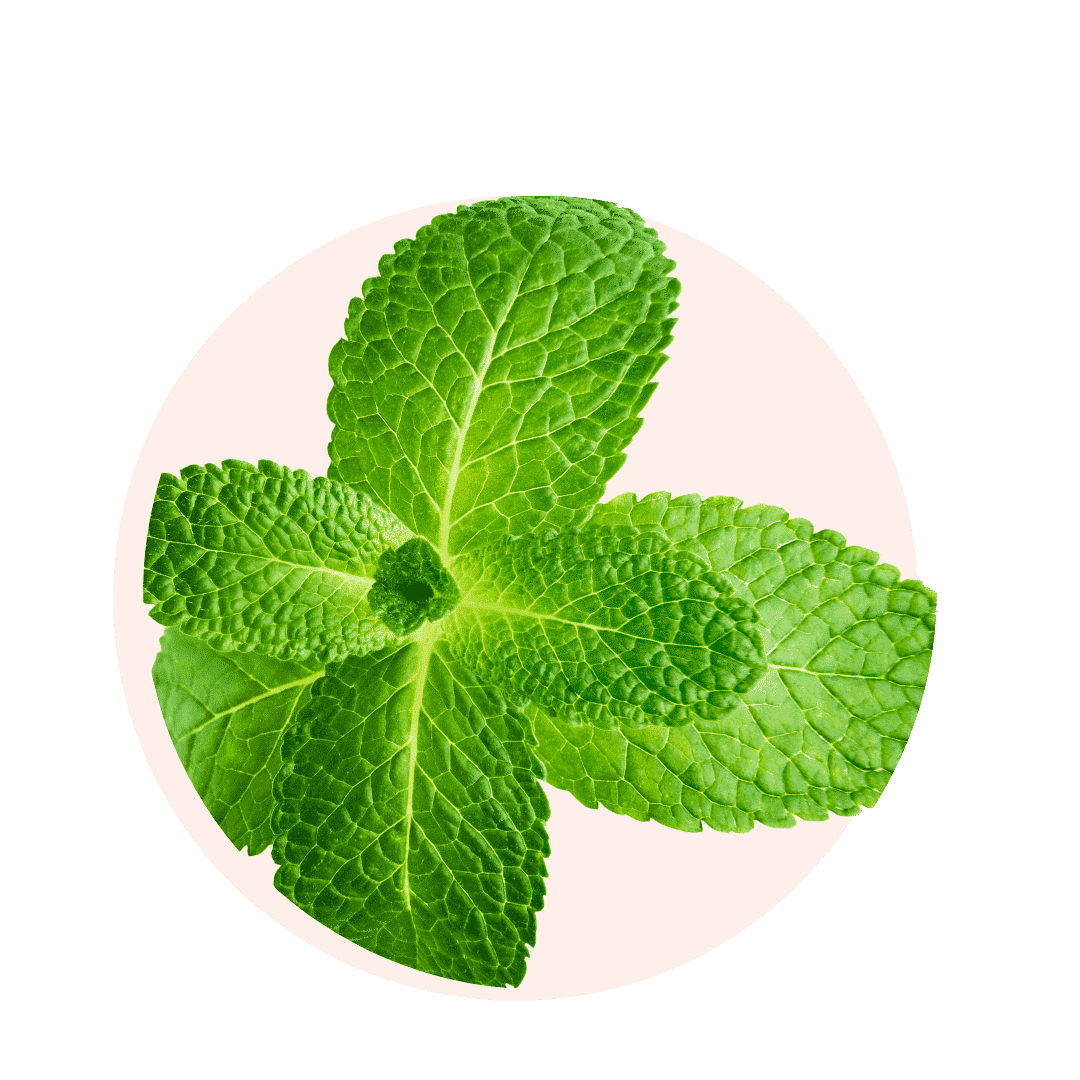
Menthol is a naturally occurring organic compound, extracted primarily from peppermint (Mentha piperita) and other varieties of mint. Known for its fresh aroma and refreshing effects, it is widely used in cosmetics, aromatherapy, pharmacology and personal care products.

ORGANIC MENTHOL
REFRESHES ⎪ SANITIZES ⎪ SOOTHES
What is menthol?
Menthol is an organic compound of natural origin, extracted mainly from peppermint (Mentha piperita) and other varieties of mint. Known for its fresh aroma and refreshing effects, it is widely used in cosmetics, aromatherapy, pharmacology and personal care products. Menthol provides a cold sensation when applied to the skin or inhaled, thanks to its ability to activate cold receptors. It is often included in products for its soothing, decongestant, and antiseptic properties, and it is very popular in skin care, muscle balms, and respiratory treatments.
We have chosen ORGANIC menthol in our densifying anti-hair loss serum for its very pleasant and relaxing fresh effect but also and above all for its multiple virtues:
- Thanks to its cooling effect, it will stimulate the cold receptors in skin and hair tissues, which will make the skin and hair more supple.
- Soft and soothing, it will reduce discomfort and itching on the skin and scalp. It is particularly recommended for acne-prone skin and dry, irritated scalps.
- Thanks to its antibacterial and antifungal properties, it will cleanse the skin and scalp.
- Finally, when applied to the skin or scalp, menthol can dilate blood vessels and improve blood microcirculation.
Finally, we love its fresh, herbaceous natural scent which is a great replacement for adding synthetic perfume and peppermint essential oil which are potentially allergenic!
Where does menthol come from?
Menthol is mainly obtained from the essential oil of peppermint and cornmint, although it can also be synthesized. The production of natural menthol begins with the distillation of mint oil, followed by a crystallization process to isolate pure menthol. Peppermint, native to Europe and Asia, is now grown around the world, including the United States, India and China, to meet the growing demand for menthol in the cosmetic and pharmaceutical industries. Menthol is available in crystal, powder or essential oil form and is widely used for its cooling and calming effects.
Properties and active ingredients
Menthol has several properties that make it a versatile ingredient for skin, respiratory and muscle care. Here are its main characteristics and actions:
- Refreshing and soothing effect : Menthol creates a sensation of cold on the skin and mucous membranes, providing a soothing effect on inflamed and painful areas.
- Decongestant properties : By activating cold receptors, menthol helps clear the airways, making breathing easier and providing relief from nasal congestion.
- Natural antiseptic : Menthol has mild antiseptic and antibacterial properties, which help to cleanse the skin and prevent infections.
- Circulatory stimulant : When applied topically, menthol slightly stimulates blood circulation, thus promoting muscle relaxation and relieving muscle pain.
- Aromatherapy and relaxation : Due to its fresh and stimulating scent, menthol is often used in aromatherapy to freshen the air, reduce stress and improve concentration.
What are the benefits of menthol?
Menthol offers numerous benefits for the skin, respiratory tract, and muscular well-being. Here are the main benefits of this natural ingredient:
- Relief from muscle and joint pain : Menthol is often used in balms and gels for muscle and joint pain. Its cooling effect helps relieve pain and soothe muscles after exercise.
- Respiratory tract decongestion : Thanks to its refreshing effect, menthol is effective in clearing the respiratory tract in cases of colds, sinusitis or nasal congestion, thus making breathing easier.
- Soothing of skin irritations : Menthol helps soothe itchy and irritated skin, and is used in products for insect bites or rashes for its cooling effect.
- Stress reduction and mental stimulation : When diffused or inhaled, menthol offers a sensation of freshness which can help reduce stress and improve concentration. It is often used in aromatherapy for its stimulating and relaxing benefits.
- Skin cleansing : Menthol has antiseptic properties that help cleanse the skin and prevent infections, making it a good choice for caring for oily or blemish-prone skin.
ITS BENEFITS:
- Refreshes, invigorates the skin and radiance of the complexion.
- Drains, refreshes and decongests.
- Soothes skin and scalp irritations.
How to consume menthol?
Menthol can be used in several ways, including topical application for skin and muscle care, or inhalation for the respiratory tract. Here are the main ways to benefit from its benefits:
- Muscle balms and gels : Menthol is commonly used in balms and gels to relieve muscle and joint pain. Apply a small amount of menthol-containing product to the painful area and massage gently for quick relief.
- Inhalation for decongestion : To clear the airways, add a few drops of menthol or peppermint essential oil to a bowl of warm water and inhale the vapors. This method is effective in relieving symptoms of congestion.
- Lip and skin care : Menthol is present in many lip balms for its refreshing and soothing effect. It is also used in cooling creams and gels to soothe skin irritations.
- Diffusion and aromatherapy : When diffused, the minty aroma helps to freshen the air, reduce stress and improve concentration. A few drops of menthol essential oil in a diffuser are enough to benefit from its stimulating effects.
Note : Menthol is a powerful ingredient, and it is recommended to use it in moderation. It is advisable not to apply menthol products too close to the eyes or on open wounds, as it can cause irritation. Children and people with sensitive skin should consult a professional before use.
Any side effects?
Menthol is generally safe for external use, but some adverse effects may occur, especially if the product is used improperly or applied in excess:
- Skin irritations : Menthol may cause tingling or mild burning, especially when applied in large quantities or to sensitive skin. A skin test is recommended before first use.
- Allergic reactions : Although rare, some people may experience allergic reactions to menthol, manifesting as redness, itching, or a burning sensation. If a reaction occurs, rinse immediately and discontinue use.
- Respiratory sensitivity : Inhaling menthol may be irritating to some people, especially those with asthma or respiratory sensitivity. It is advisable to inhale at low concentration and avoid prolonged exposure.
- Intense cold feeling : In some people, the cooling effect of menthol may be too intense and cause temporary discomfort. It is recommended to apply a small amount and observe the skin's reaction.
- Contraindications for children : Due to its intense cooling effect, menthol should not be applied to infants or young children, especially near the face, as it can cause respiratory spasms.
Sources
The benefits of menthol are well documented in aromatherapy, cosmetics and pharmacology. Numerous studies confirm its effectiveness as a refreshing, decongestant and soothing agent. It has been used for centuries in traditional medicines, particularly for its beneficial effects on the respiratory tract and to relieve muscle pain. Health authorities also recognize its safe and effective use when used correctly, particularly as an ingredient in cosmetic and pharmaceutical products.