

SODIUM HYDROXIDE
Sodium hydroxide, also called sodium hydroxide or caustic soda, is a chemical compound with the formula NaOH. Used in many industrial sectors, it is particularly common in the cosmetics industry as a pH regulating agent.
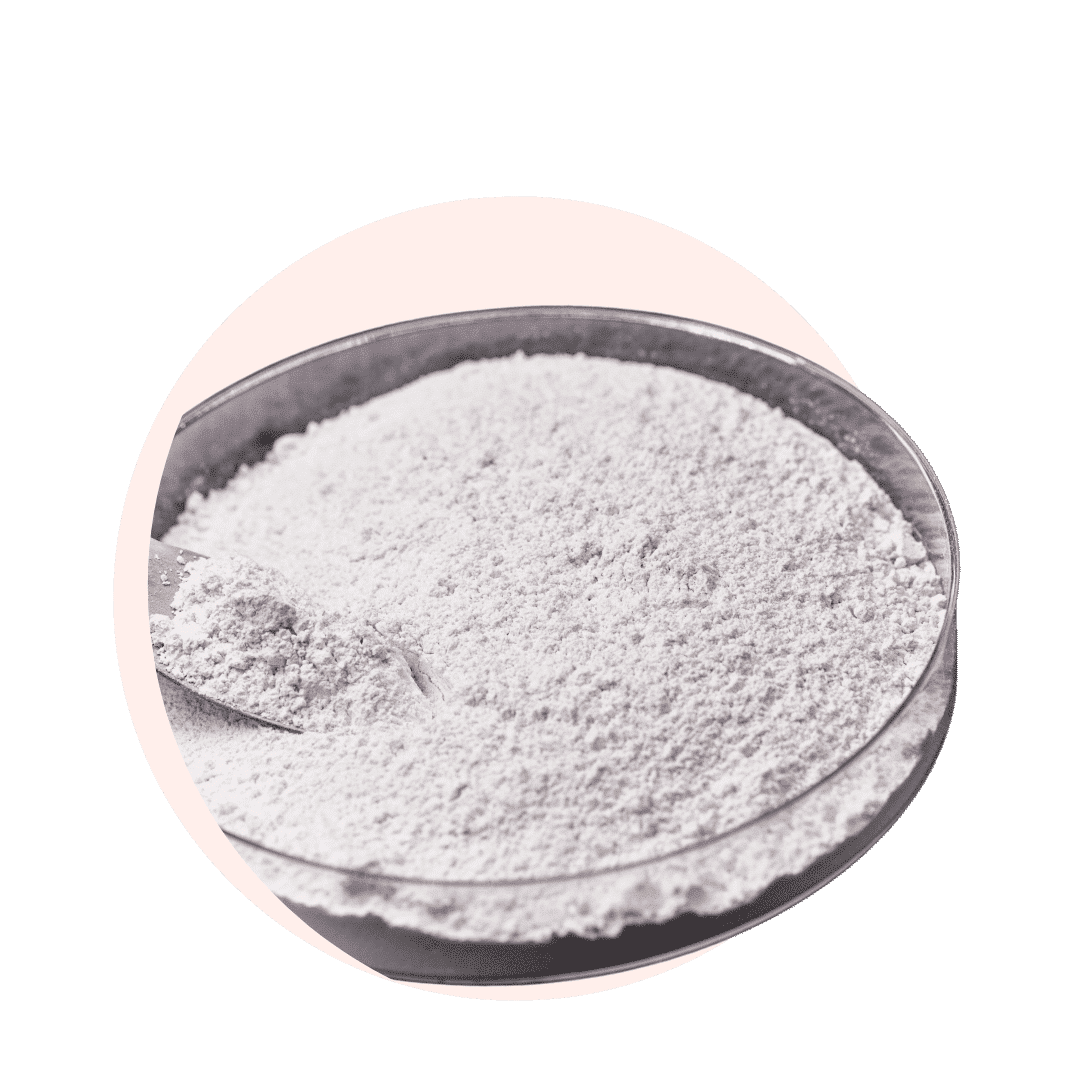

SODIUM HYDROXIDE: For a balanced pH in our care
EXCIPIENT ⎪ ALKALINE AGENT
What is Sodium Hydroxide?
Sodium hydroxide, also called sodium hydroxide or caustic soda, is a chemical compound with the formula NaOH. Used in many industrial sectors, it is particularly common in the cosmetics industry as a pH regulating agent. Although its pure use is very corrosive, it is used in low concentrations to balance the pH of skincare products to make them more suitable and safe for the skin. It is also used in the saponification process for soap making. In cosmetics, it is mainly found in creams, lotions, and hair products to adjust the acidity and optimize the formulation of the product.
Sodium hydroxide is a alkaline agent used to neutralize acids. In our care, it makes it possible in particular to maintain a Balanced pH of vaginal and skin flora.
Where does Sodium Hydroxide come from?
Sodium hydroxide is a chemical compound synthesized by an industrial process called electrolysis, usually applied to sodium chloride (table salt) to extract sodium hydroxide. This process results in a solid, white, crystalline substance that is extremely soluble in water. Although it is synthetic in origin, sodium hydroxide is widely used in many everyday products, ranging from household cleaners to cosmetics. In cosmetics, it is mainly incorporated in formulations to adjust pH, thus helping to improve the stability and compatibility of products with the skin.
Properties and active ingredients
Sodium hydroxide has several essential properties for the cosmetic and chemical industry. Here are its main characteristics and actions:
- pH regulation : The main role of sodium hydroxide in cosmetics is to adjust the pH of products, making them more compatible with the skin and preventing irritation.
- Saponification process : Used in the manufacture of soaps, it reacts with oils and fats to transform them into soap and glycerin, giving a gentle cleansing product for the skin.
- Stabilizing agent : It helps stabilize the formulation of products, maintaining their consistency and effectiveness over time.
- Thickening effect : In small quantities, it can be used to thicken formulations and improve the texture of skincare products.
- Acidity neutralizer : Sodium hydroxide helps neutralize acids in cosmetic formulations, ensuring a balanced formulation for safe use.
What are the benefits of sodium hydroxide?
Sodium hydroxide, used in very low concentrations, offers significant advantages in cosmetic formulations in terms of safety, effectiveness, and stability of the products. Here are the main benefits of this ingredient:
- Improved skin tolerance : By adjusting the pH of products, it helps prevent potential irritation, making skincare products gentler on the skin.
- Stability and effectiveness of products : Thanks to its stabilizing properties, sodium hydroxide ensures that products maintain their effectiveness and consistency throughout their shelf life.
- Making soft soaps : When used in the saponification process, it contributes to the creation of gentle and cleansing soaps, respectful of the skin barrier.
- Optimization of product texture : By balancing the formulation, it allows obtaining more pleasant textures and easier to apply, especially in creams and lotions.
- Neutralization of active acids : By adjusting the acidity level, it makes it possible to create products that are less aggressive for the skin, particularly in exfoliating products or products containing acids.
How to consume Sodium Hydroxide?
Sodium hydroxide is not an ingredient intended for consumption, but is commonly used in topical care and hygiene products. Here are the main ways to benefit from this ingredient when incorporated into cosmetic products:
- Solid and liquid soaps : Used for saponification, it transforms fats and oils into soap and glycerin, creating gentle, moisturizing cleaning products.
- Face and body care products : In creams and lotions, it helps regulate the pH to guarantee gentle, irritation-free use.
- Hair products : In shampoos and conditioners, it helps balance pH, making products more suitable for sensitive scalps and color-treated hair.
- Care products containing acids : In formulations that include exfoliating acids, it partially neutralizes the acidity to avoid any feeling of discomfort on the skin.
Note : Sodium hydroxide is safe for cosmetic use when used in low concentrations and according to regulations. It is not recommended to use it pure or in large quantities on the skin, as it could cause burns or severe irritation. All products containing this ingredient should be handled according to the manufacturer's instructions
Any side effects?
Sodium hydroxide is generally safe in low concentrations in cosmetics, but certain adverse effects can occur, particularly if used incorrectly or in too high a concentration:
- Skin irritation : In high concentrations, sodium hydroxide is irritating and can cause redness, itching, and skin burns. This is why it is carefully dosed in cosmetic products.
- Increased skin sensitivity : Some people with very sensitive skin may react to even low concentrations of sodium hydroxide. In this case, it is recommended to use products for sensitive skin.
- Allergic reactions : Although rare, allergic reactions may occur, manifesting as redness, itching or rash.
- Risk of chemical burns in case of exposure to high concentration : Pure sodium hydroxide is very corrosive and can cause severe burns. It is therefore essential to handle saponification products with care.
- pH imbalance from excessive use : In domestic use for the manufacture of DIY products, improper handling or inappropriate dosage can lead to an imbalance in the pH of the final product, which could cause irritation.
Sources
The benefits of sodium hydroxide in cosmetic formulations are well documented. This ingredient is recognized for its pH regulation, saponification, and stabilization properties, helping to create products that are gentler and more compatible with the skin. Regulators and health authorities strictly regulate its use in cosmetics to guarantee consumer safety. When used according to good practices, sodium hydroxide is a safe and effective ingredient for balancing formulations.