




SQUALANE
Squalane is a natural lipid derived from olive oil, sugar cane or certain other plant sources, and is a stabilized form of squalene. Squalene, a compound naturally present in human skin, acts as a moisturizer and protector against external aggressions, but it is unstable and oxidizes easily.

SQUALANE: The secret to soft and supple skin
HYDRATES ⎪ NOURISHES ⎪ PROTECTS
What is Squalane?
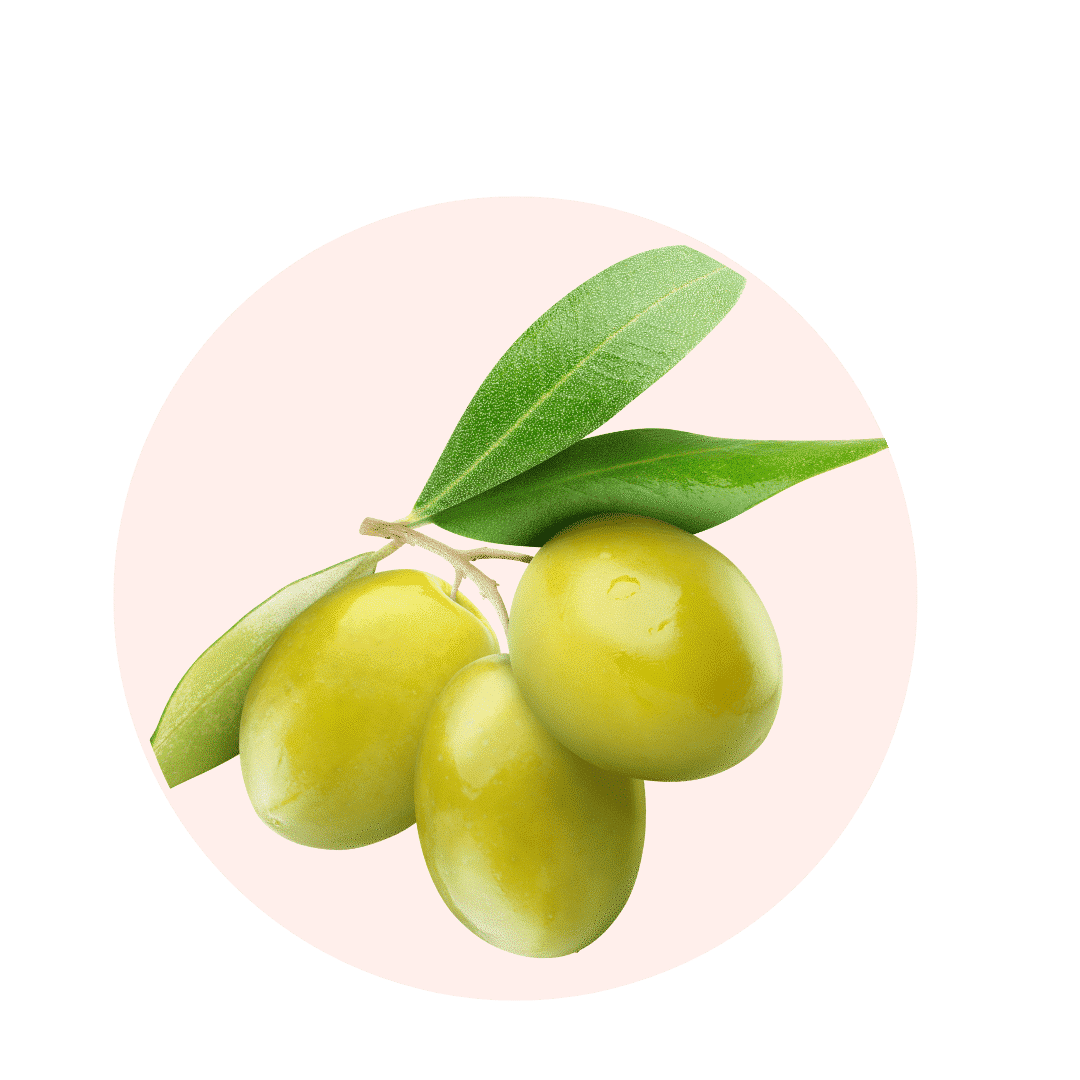
Squalane is a natural lipid derived from olive oil, sugar cane, or certain other plant sources, and is a stabilized form of squalene. Squalene, a compound naturally present in human skin, acts as a moisturizer and protector against external aggressions, but it is unstable and oxidizes easily. On the other hand, squalane is a hydrogenated and stable version, ideal for cosmetic use, which retains all the moisturizing properties of squalene while being durable and non-irritating. As a light, non-greasy, non-comedogenic oil, squalane is particularly popular in skin care products for its hydrating, soothing, and antioxidant power.
The squalane we use in our Regenerating facial oil is of plant origin: it comes from the unsaponifiable part of olive oil.
It resembles the sebum naturally produced by the skin, making it easily absorbable and non-comedogenic. It is recognized for its moisturizing, emollient and softening properties.
In addition, its antioxidant properties help protect the skin against free radicals, while it is known to regulate sebum production.
Where does Squalane come from?
Historically, squalane was extracted from the livers of sharks, where squalene naturally occurs in large quantities. However, for ethical and environmental reasons, the modern cosmetic industry favors sustainable plant sources, such as olive oil and sugar cane, for the production of squalane. By transforming plant squalene into squalane by hydrogenation, we obtain a stable, effective ingredient that is compatible with all skin types. These plant sources of squalane also offer a renewable solution, meeting consumer expectations in terms of sustainability and respect for marine biodiversity.
Properties and active ingredients
Squalane is recognized for its moisturizing, protective and soothing properties, which make it an ingredient of choice in skin care. Here are its main characteristics and actions:
- Intense, long-lasting hydration : Squalane helps retain moisture in the skin by strengthening the skin barrier, which prevents water loss and keeps skin soft and supple.
- Non-comedogenic : Unlike some oils, squalane does not clog pores, making it a safe choice for oily or acne-prone skin.
- Antioxidant effect : Although squalane is not a powerful antioxidant like vitamin C, it has a mild protective action against free radicals, which helps prevent premature aging.
- High tolerance : Squalane is very well tolerated by all skin types, including sensitive or reactive skin, because it mimics the skin's natural lipids.
- Light, non-greasy texture : Squalane penetrates quickly without leaving a greasy residue, providing a silky and light touch. It thus improves the absorption of other active ingredients in cosmetic formulations.
What are the benefits of sqalane?
Squalane offers many benefits for the skin, contributing to hydration, protection and strengthening of the skin barrier. Here are the main benefits of this versatile ingredient:
- Intense hydration and soothing of dry skin : Squalane acts as an excellent emollient that softens and smoothes the skin, ideal for dry and dehydrated skin. It also helps soothe feelings of tightness and dryness.
- Prevention of skin aging : Thanks to its mild antioxidant properties, squalane helps protect the skin from free radicals, responsible for premature aging. It helps reduce fine lines and maintain skin elasticity.
- Improvement of the skin barrier : By strengthening the skin's lipid barrier, squalane helps prevent moisture loss and protect the skin from external aggressions, such as pollution and temperature variations.
- Suitable for all skin types : Squalane is non-comedogenic, which means it does not clog pores, and is therefore suitable for oily or acne-prone skin. It also helps balance sebum production, contributing to a more matte complexion.
- Soothing of irritations : Its soothing properties make it an excellent ingredient for sensitive or irritated skin. It helps reduce redness and calm skin reactions, providing immediate comfort to stressed skin.
Its benefits:
- Maintains optimal hydration by strengthening the skin barrier.
- Preserves the youthfulness of the skin by protecting it from free radicals and stimulating the production of collagen.
- Helps reduce redness and soothe skin irritations.
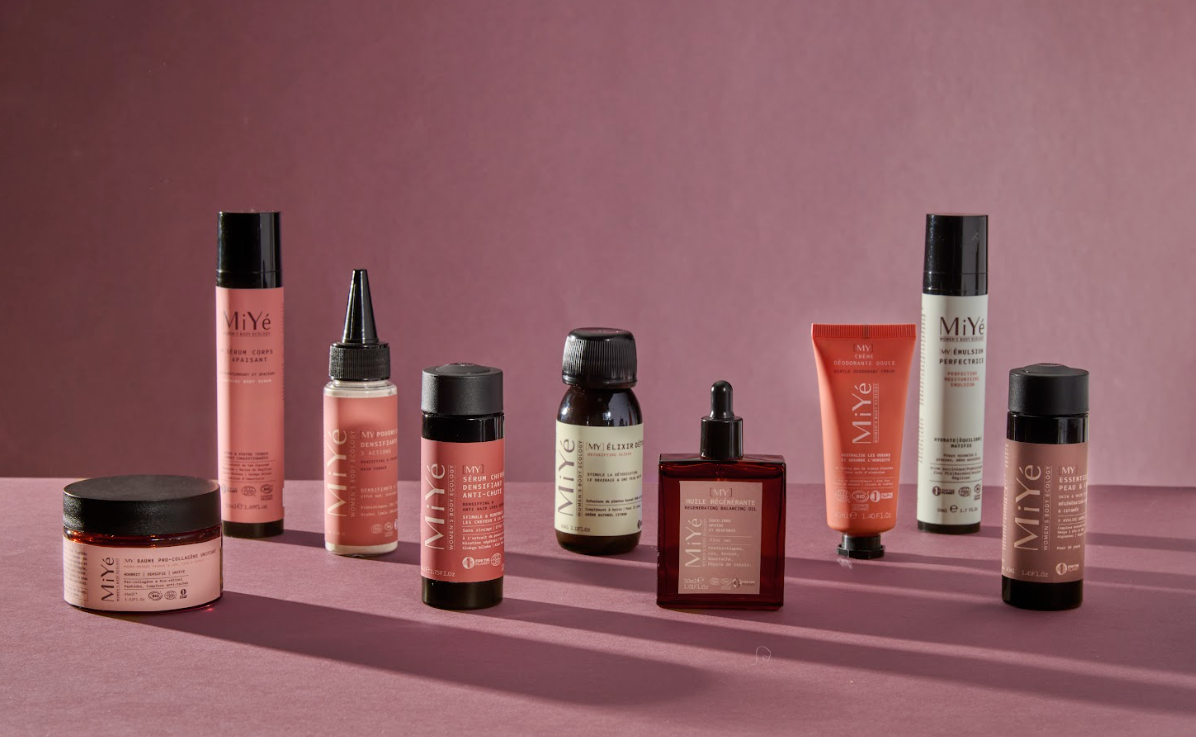
Squalane at the heart of Miyé formulas
[MY] REGENERATING OIL
- Rich in postbiotics, antioxidants, plant ceramides and patented oat extract to strengthen the skin's barrier
- 87% find that the oil soothes discomfort and improves the overall appearance of the skin*
- Can be used alone or mixed with your treatment
- Certified organic, rated “Excellent” on rating applications
[MY] MIXOLOGY PACK
- Relaunch skin regeneration and cell renewal
- Hydrate, soothe and strengthen the skin barrier
- Reduce hormonal imperfections without irritating
How to consume Squalane?
Squalane is used in many skin care products, but it can also be applied on its own as a lightweight moisturizing oil:
- Moisturizing serums and oils : Squalane is often formulated in serums or as a pure oil to provide intense and long-lasting hydration. It can be applied at the end of a skincare routine to seal in hydration.
- Moisturizers : In creams, squalane acts as an emollient that strengthens the lipid barrier, making creams more nourishing without being heavy. It can be combined with other hydrating ingredients such as hyaluronic acid.
- Makeup products : Squalane is also used in some makeup formulas, like foundations and primers, to hydrate the skin while providing a smooth, velvety texture.
- Hair care : Squalane is sometimes added to hair products to add shine and moisture to dry hair without weighing it down. It can be applied as a hair serum to straighten hair and reduce frizz.
Note : Squalane is safe for daily use and can be used morning and evening, even for sensitive skin. Due to its light texture, it is compatible with most other active ingredients and can be integrated into all skincare routines without risk of reaction.
Any side effects?
Squalane is generally well tolerated, but some minor side effects may occur in some cases, although this is rare:
- Rare skin reactions : Although squalane is very well tolerated, some people may experience mild irritation or an allergic reaction, although this is very rare. It is recommended to do a skin test before first use.
- Slightly excess comedogenic effect : If squalane is applied in too large a quantity, it can cause a slight comedogenic effect, particularly on very oily skin. It is therefore preferable to apply it sparingly to acne-prone areas.
- Incompatibility for skin allergic to oilseeds (rare) : Although plant-based squalane is generally safe, some people with oilseed allergies may experience sensitivity, especially if the squalane is derived from olives. It is advisable to check the origin if you have allergies.
Sources
The benefits of squalane for the skin are well documented in dermatological and cosmetic research. Its ability to hydrate, soothe and protect the skin has been confirmed in numerous studies, making it a popular choice for modern formulations. Squalane is approved by health and regulatory agencies for its safety and stability, and it is also recommended by dermatologists for its effectiveness and low risk of irritation, even for sensitive skin.