






PHOSPHORIC ACID
Phosphoric acid is valued for its many chemical and functional properties, which make it a versatile ingredient in various products.
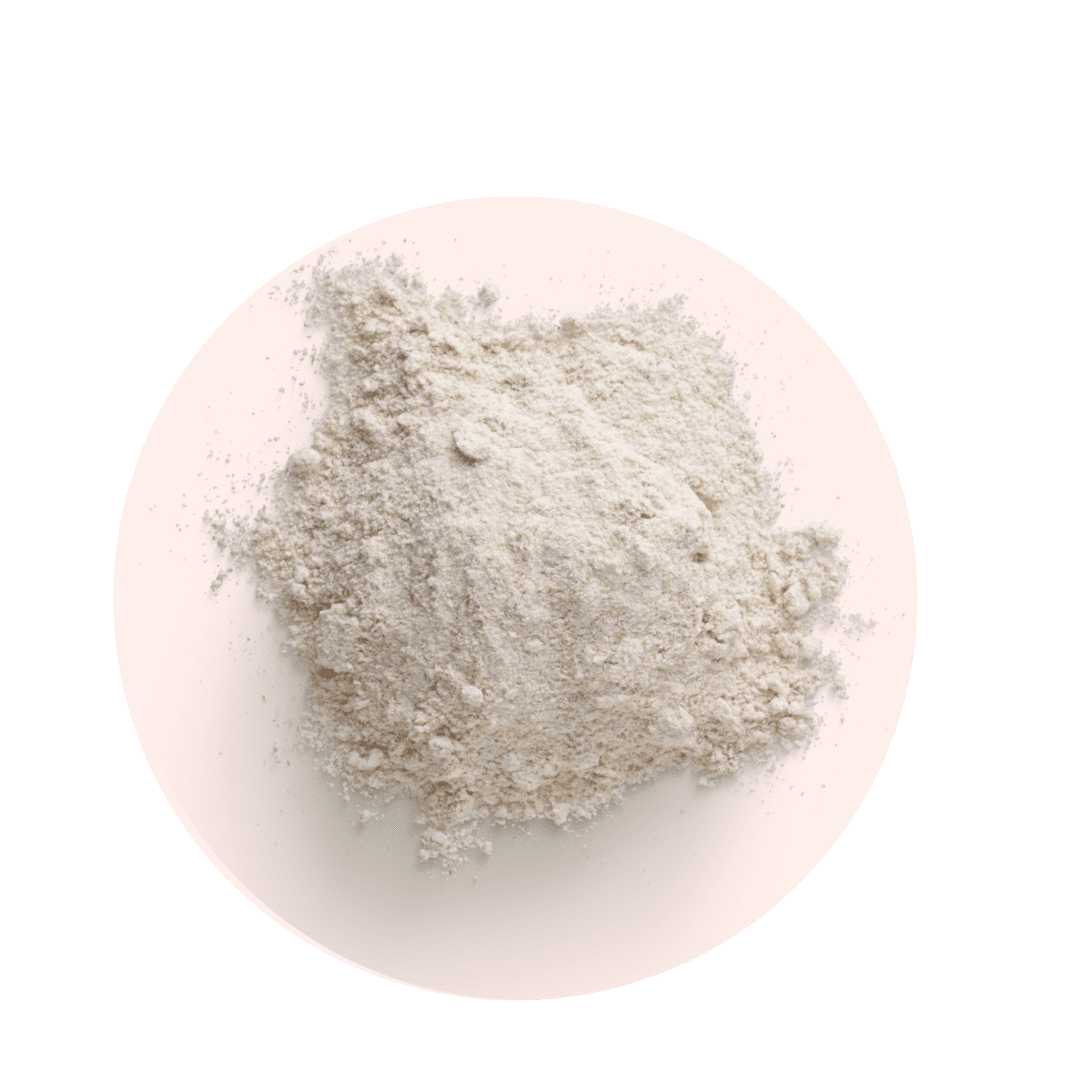

PHOSPHORIC ACID: Essential for the stability of care
EXCIPIENT ⎪ STABILIZING AGENT
What is phosphoric acid?
Phosphoric acid is an inorganic mineral acid often used as an additive in the food, cosmetic, and pharmaceutical industries. Also called E338 in the food industry, it is valued for its ability to regulate acidity, impart a tangy flavor and extend the shelf life of products. In soft drinks, phosphoric acid imparts a slight acidity that balances the sweet taste, while in cosmetics it can act as a pH regulator. This acid is odorless, making it ideal for applications where the odor should not interfere with other ingredients.
Phosphoric acid is of mineral origin: it comes from phosphate rocks or by combustion of phosphorus.
It is present in our Moisturizing perfecting emulsion as a stabilizing agent to maintain a homogeneous formulation.
It is important to note that the use of phosphoric acid is regulated and must be respected to ensure the safety and effectiveness of cosmetic products containing this ingredient.
Where does phosphoric acid come from?
Phosphoric acid is made from phosphate ore, a natural resource. The industrial production process involves the reaction between phosphate ore and sulfuric acid, which produces purified phosphoric acid for commercial use. There are also processes that use electrolysis to obtain high purity phosphoric acid, particularly useful in pharmaceutical and food applications. Natural phosphoric acid is also present in small amounts in some fruits and vegetables, although most products used in the industry are synthetic.
Properties and active ingredients
Phosphoric acid is valued for its many chemical and functional properties, which make it a versatile ingredient in various products. Here are its main characteristics and actions:
- pH regulator : Phosphoric acid is used to adjust and stabilize the pH of food and cosmetic products, which is essential for the preservation and safety of formulations.
- Acidifying agent : It adds a tart flavor to drinks and foods, balancing sweet tastes, especially in sodas and other carbonated drinks.
- Preservative effect : By lowering the pH, phosphoric acid creates an environment less favorable to the development of microorganisms, contributing to the preservation of products.
- Anti-rust and descaling agent : Due to its corrosive properties, phosphoric acid is used as an active ingredient in some industrial and household cleaners to remove rust and limescale.
- Source of phosphorus : Phosphorus is an essential element for the human body, and phosphoric acid as a food additive can contribute to phosphorus intake, although this use is limited and controversial.
Benefits of phosphoric acid
Phosphoric acid offers several advantages for food products, cosmetics and even for certain industrial applications. Here are the main benefits of this versatile acid:
- Improved flavor of drinks : By adding a tangy touch, phosphoric acid balances the taste of carbonated and sugary drinks, making sodas and other drinks more pleasant to the palate.
- pH regulation and stabilization : In food and cosmetic products, it helps maintain a stable pH, thus guaranteeing the safety, texture and shelf life of the products. This is especially important for acidic products which require a stable environment to prevent deterioration.
- Food preservation : As an acidifying agent, phosphoric acid helps inhibit the growth of certain microorganisms, which extends the shelf life of products and reduces the need for other chemical preservatives.
- Oral health support (controversial) : Although phosphoric acid has sometimes been used in toothpastes for its scaling effect, this use remains controversial because excessive use can damage tooth enamel. It can therefore act at low doses to remove certain stains, but must be used with caution.
- Use in industrial cleaners : Thanks to its descaling and anti-rust properties, phosphoric acid is effective in industrial cleaners to eliminate limescale and rust, particularly on metal and difficult surfaces.
How to consume phosphoric acid?
Phosphoric acid is widely used in food, cosmetic and industrial products, with applications and dosages adapted to each context:
- Food and drinks : Phosphoric acid is added as an additive (E338) in sodas, soft drinks, canned products and certain processed products to adjust their acidity, improve their flavor and extend their shelf life. The dose of phosphoric acid in these products is strictly regulated by health authorities to guarantee consumer safety.
- Cosmetics and personal care : In cosmetics, phosphoric acid is used as a pH regulator to adjust the acidity of lotions, creams, gels, and other care products. It is also sometimes present in toothpastes in small quantities, for its cleaning effect, although this remains rare due to its potential impact on tooth enamel.
- Cleaning products : Due to its ability to dissolve limescale and remove rust, phosphoric acid is an active ingredient in some industrial and household cleaning products. These products are mainly used to clean metal, tiles and sanitary ware.
- Industrial applications : In industrial chemistry, phosphoric acid is used as a pickling agent, in metal processing, as well as in certain pharmaceutical and agricultural applications, as a source of phosphorus.
Note : In the diet, the consumption of phosphoric acid should be moderate, because excessive consumption could have harmful effects on bone and kidney health. When in doubt, it is advisable to limit carbonated drinks and processed foods high in phosphoric acid.
Any side effects?
Phosphoric acid is considered safe at permitted doses, but some adverse effects may occur with excessive consumption or improper use:
- Bone health risk : Excessive consumption of phosphoric acid in soft drinks may be associated with decreased bone mineral density, particularly in adolescents and the elderly. This is due to the effect of phosphorus, which in high doses can reduce calcium absorption.
- Damage to tooth enamel : Due to its acidity, high consumption of phosphoric acid, particularly in sodas, can lead to erosion of tooth enamel, increasing the risk of cavities and tooth sensitivity.
- Gastrointestinal irritations : For some people, excessive consumption may cause stomach upset or gastrointestinal irritation. People with digestion or acid reflux problems should avoid highly acidified products.
- High dose laxative effect : Phosphoric acid can have a mild laxative effect when consumed in large quantities, although this is rare at doses commonly used in foods.
- Effects on the kidneys : Excessive consumption can also affect the kidneys, especially in people with a history of kidney stones. Phosphorus can promote the formation of stones when consumed in excess.
Sources
The properties of phosphoric acid and its safe use are well documented in food and industrial chemistry research. Numerous scientific studies support its effectiveness as an acidifying agent, pH regulator and preservative, although research is underway to evaluate the long-term effects of high consumption.