



FLAVOR
A flavor is a natural or synthetic substance used in cosmetic, food or wellness products to provide a specific smell or taste.
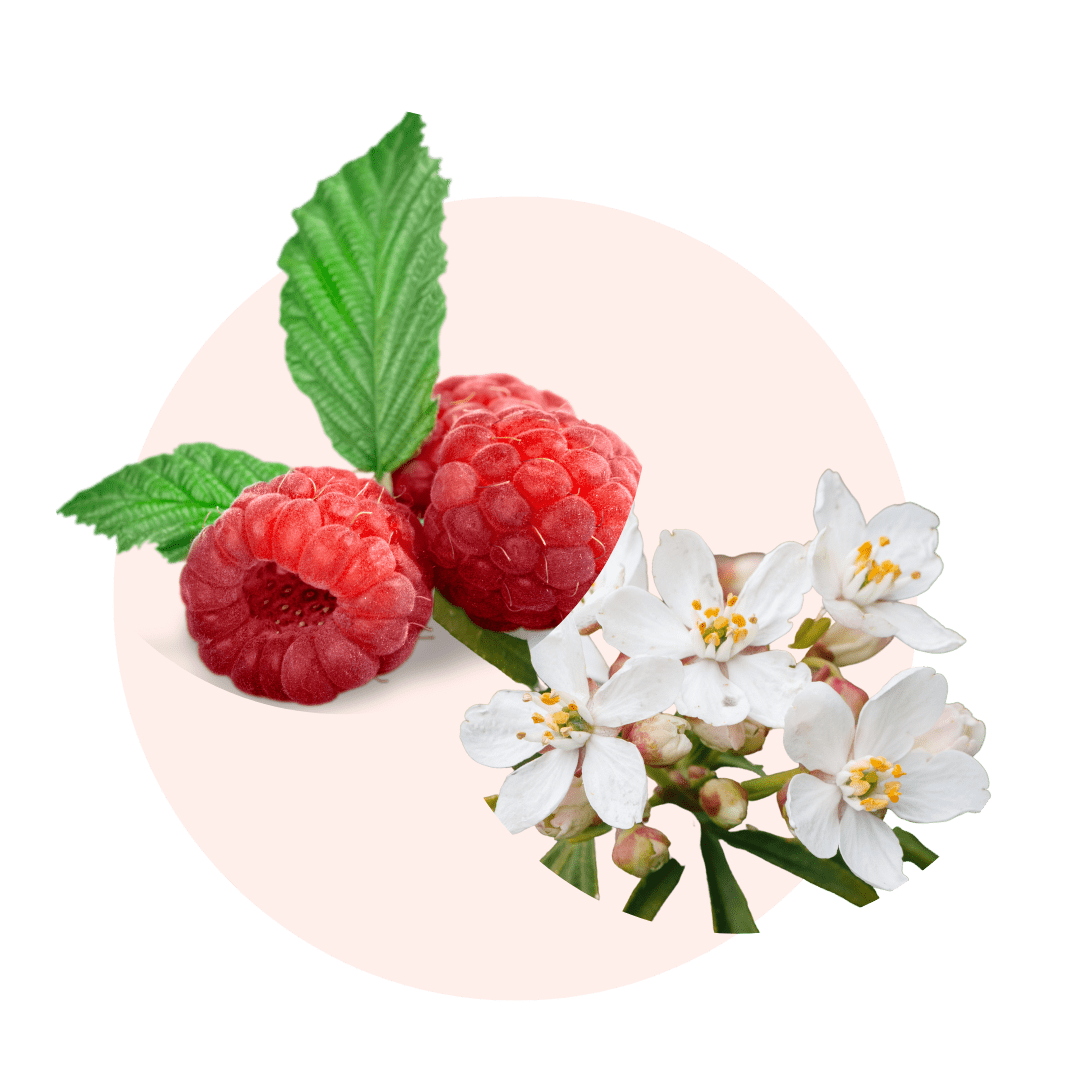

FLAVOR: Discover our natural flavors!
EXCIPIENT ⎪ FLAVOR
Flavors are much more than just an olfactory signature in skincare products.
These volatile compounds play a fundamental role in the user experience and can influence our psychological well-being.
Understanding the benefits of flavor allows us to fully appreciate its impact on our beauty routine and our daily emotional balance.
What is a flavor? Definition and origin
A flavor refers to a volatile chemical compound that stimulates our olfactory and gustatory receptors.
In the cosmetic field, it refers to natural or synthetic substances added to formulations to create a pleasant sensory experience.
Natural flavors come directly from plant extracts, essential oils, or isolated molecules from plants.
Synthetic flavors faithfully reproduce natural molecules through controlled chemical processes.
The cosmetic industry uses approximately 3000 different aromatic substances, carefully selected for their safety and stability.
This diversity allows for the creation of unique olfactory signatures adapted to each type of product.
Composition of flavors: Active principles
Flavors are composed of complex organic molecules that determine their olfactory profile and sensory properties.
- Esters: fruity and floral molecules naturally present in essential oils
- Terpenes: plant compounds with fresh and herbaceous notes, such as limonene from citrus fruits
- Aldehydes: molecules with powdery and floral facets, often used in fine perfumery
- Aromatic alcohols: substances with soft floral notes, such as linalool from lavender
- Ketones: compounds with sweet and vanilla nuances, providing richness and gourmandise
What are the benefits of flavor?
Flavor provides benefits that go far beyond the simple olfactory dimension.
These compounds act on our nervous system via the olfactory pathways, creating direct connections with our limbic brain.
Olfaction immediately influences our emotions and psychological state, as aromatic molecules reach the limbic system in less than 0.15 seconds.
This rapid action explains the instantaneous impact of fragrances on our mood.
- Mood improvement: certain flavors stimulate the production of serotonin and endorphins
- Stress reduction: soothing scents decrease blood cortisol levels
- Memory stimulation: olfaction activates the hippocampus, the brain area responsible for memory
- Creation of positive associations: pleasant flavors strengthen attachment to products
- Improved user experience: a pleasant olfactory signature encourages compliance
- Masking undesirable odors: flavors neutralize unpleasant notes from certain active ingredients
Key points:
- Immediate action on the nervous system in 0.15 seconds
- Natural stimulation of well-being hormone production
- Measurable reduction of stress and anxiety
- Strengthening emotional attachment to products
- Significant improvement in user experience
Tips for using flavors
Flavors in cosmetic products adhere to precise dosages, generally between 0.5% and 2% of the total formulation.
This concentration ensures a pleasant perception without risk of irritation.
Olfactory intensity varies depending on the type of product and its contact time with the skin.
Day creams use lighter notes than night treatments, to avoid any discomfort during the day.
⚠️ Note: sensitive individuals can opt for fragrance-free products or hypoallergenic flavors.
Precautions for using flavors
Adverse effects of flavors
Cosmetic flavors generally exhibit excellent tolerance when they adhere to regulatory concentrations.
However, some individuals may show particular sensitivity to certain molecules.
European regulations require the mention of 26 allergenic fragrances on labels when they exceed certain thresholds.
This transparency allows sensitive users to avoid problematic substances.
⚠️ In case of known fragrance allergy, prefer fragrance-free formulations or test the product on a small area before full use.
Frequently asked questions about flavors
Discover the answers to the most common questions regarding the use and benefits of flavors in cosmetics.
What are the benefits of flavor for daily well-being?
Flavors act as true mood modulators by directly stimulating our limbic system.
They promote relaxation, reduce stress, and create positive associations with our skincare rituals.
Are natural flavors better than synthetic flavors?
Synthetic flavors precisely reproduce natural molecules with often superior purity and stability.
They also have the advantage of avoiding overexploitation of rare plant resources.
How do flavors influence the effectiveness of treatments?
A pleasant flavor improves treatment compliance and reinforces the positive placebo effect.
This psychological dimension indirectly contributes to the perceived effectiveness of the product.
Can flavors cause allergic reactions?
Certain aromatic molecules can trigger reactions in sensitive individuals.
Regulations require the mention of the 26 most common allergens beyond certain thresholds.
How long does the perception of a flavor last on the skin?
Persistence varies depending on the volatility of the molecules used, generally between 30 minutes and 2 hours for skincare products.
Top notes fade quickly, giving way to more persistent heart notes.
Sources
Regulation (EC) No 1223/2009 on cosmetic products - European Commission.
International Fragrance Association (IFRA) - Safety standards for perfuming raw materials.
Research Institute for Fragrance Materials (RIFM) - Safety data for aromatic ingredients.