






CREATINE MONOHYDRATE
Creatine monohydrate is a stable and highly bioavailable form of creatine, a molecule naturally produced by our body from the amino acids glycine, arginine and methionine. Among the effects most documented in the scientific literature: improvement in physical performance, support for muscle metabolism, cognitive support, female well-being, neuromuscular support.
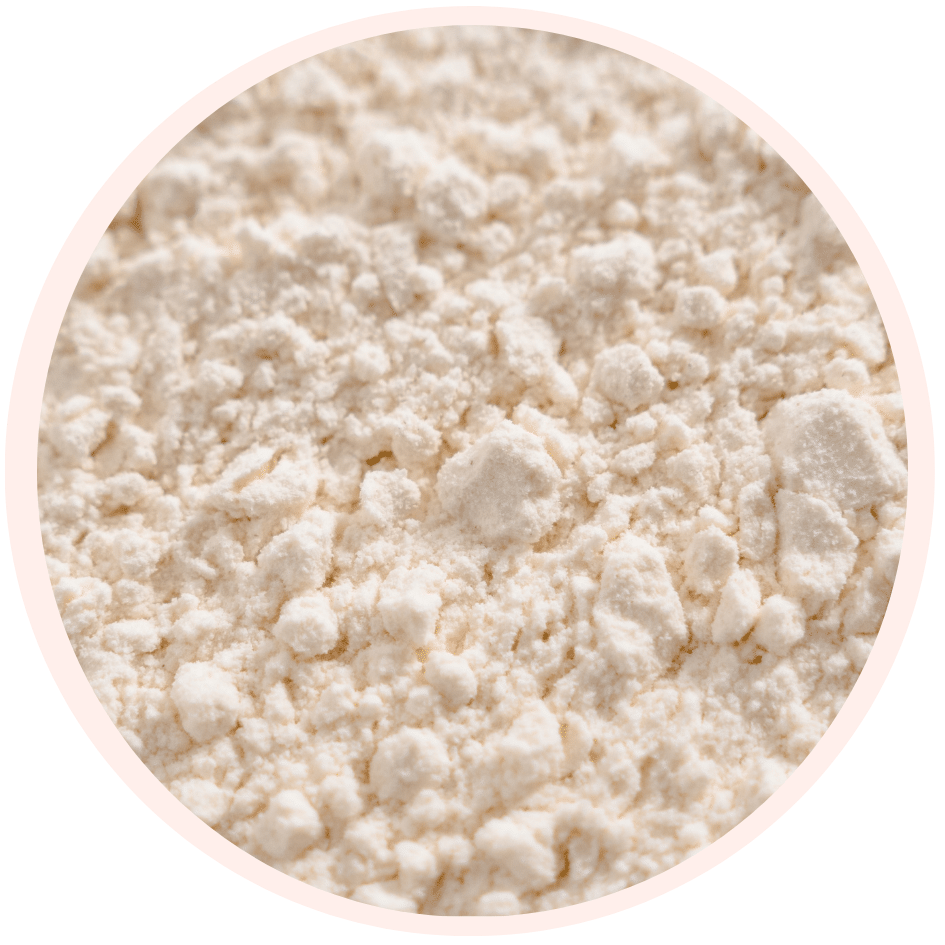

CREATINE MONOHYDRATE: Cellular energy and muscular performance
NATURAL ACTIVE ⎪ CELLULAR NUTRIENT
What is creatine monohydrate?
Creatine monohydrate is a stable and highly bioavailable form of creatine, a molecule naturally produced by our body from the amino acids glycine, arginine and methionine. It is mainly found in the muscles and the brain, where it plays a key role in energy production.
Mainly known in the world of sports, creatine monohydrate is used to improve physical performance, the muscular strength, and the recovery. But its potential goes well beyond: it also supports cognitive functions, overall cellular energy, and even muscular health in women, particularly in times of stress, chronic fatigue or postpartum.
At MiYé, creatine monohydrate could be considered as a supporting active ingredient in a global approach to female well-being, linked to cellular vitality and the maintenance of muscle mass.
Where does creatine monohydrate come from?
Creatine is naturally synthesized by the liver, kidneys and pancreas, and stored in muscles. It is also present in certain foods of animal origin such as red meat or fish. For supplementation, creatine monohydrate is produced by fermentation or chemical synthesis of high purity, guaranteeing optimal effectiveness and good tolerance.
Properties and active ingredients
Creatine monohydrate is above all a natural cellular energy booster. Here are its main properties:
- Supporting cellular energy production : by promoting the rapid regeneration of ATP (adenosine triphosphate), a key molecule for short and intense physical efforts.
- Improve physical performance : its effectiveness is recognized by European health authorities to increase performance during successive short-duration, high-intensity exercises (authorized claim – Regulation (EU) n°432/2012).
- Preserve muscle mass : research suggests that it could contribute to the maintenance of muscle mass, particularly during periods of sedentary lifestyle, aging or recovery.
- Cognitive support : some studies explore a link between creatine supplementation and improvement in memory, alertness or mental resistance to fatigue.
- Support in case of fatigue : its action on energy metabolism could be useful in cases of temporary physical or mental fatigue.
- Cellular protection : work suggests a potential role in protection against oxidative stress, particularly in nervous and muscular tissues.
What are the benefits of creatine monohydrate?
Beyond sport, creatine monohydrate is studied in various contexts, including for female well-being. Among the effects most documented in the scientific literature:
- Improved physical performance during short, intense exercises (effect recognized and authorized by the EFSA).
- Support for muscle metabolism, particularly in the case of diet, sedentary lifestyle or aging.
- Cognitive support potential: some publications mention an impact on memory, concentration or adaptation to mental stress.
- Feminine well-being : its use is explored in phases of physical vulnerability such as postpartum, menopause or periods of chronic fatigue.
- Neuromuscular support : creatine could play a role in the preservation of muscle and neuronal functions, particularly in populations at risk of sarcopenia (age-related muscle loss).
How to consume creatine monohydrate?
Creatine monohydrate is the most studied form of creatine, known for its stability, bioavailability and effectiveness. It is generally offered in powder form to be diluted in water or a drink.
Directions for use :
- Standard dose : 3 to 5 g per day, in a single dose, with or without loading phase.
- Optimal timing : around training (before or after) or at a fixed time of the day for regular intake (even outside of a sporting context).
Any side effects?
Creatine monohydrate is generally well tolerated. Here are the rare potential side effects:
- Water retention : a slight temporary weight gain may occur at the start of supplementation.
- Digestive disorders : at high doses or in cases of digestive sensitivity, bloating or nausea may appear.
- Interaction with certain renal pathologies : not recommended in people with a history of kidney problems without medical supervision.
Sources
Creatine monohydrate is one of the most studied dietary supplements in the world, with hundreds of scientific publications to its credit. Its effectiveness is recognized by the scientific community for improving physical performance during intense, short-duration exercise, and its safety profile is well established, including in the long term. It is approved by health authorities for safe use as part of a balanced lifestyle.
Regulatory reference : authorized health claim – Regulation (EU) No. 432/2012.