

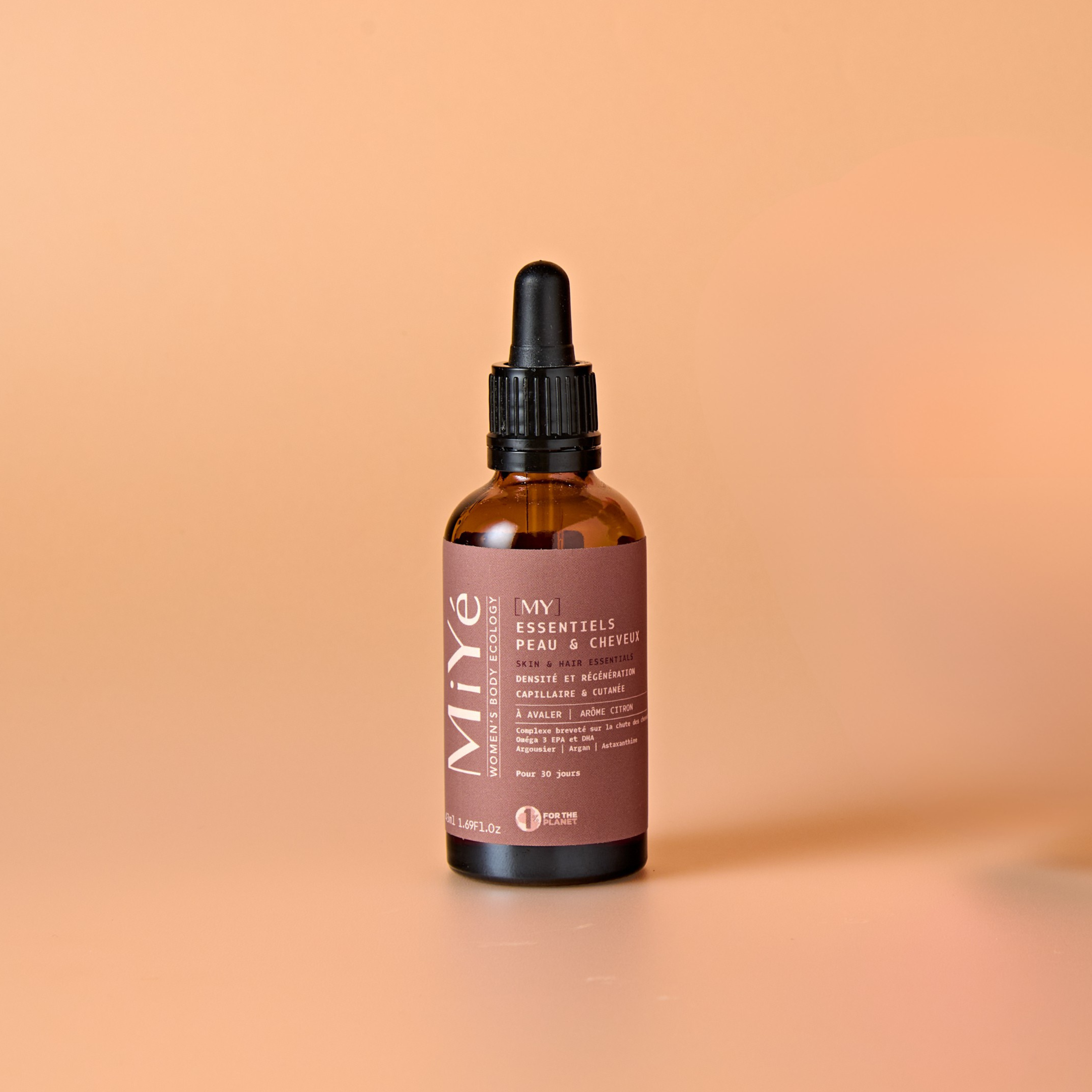




XANTHAN GUM
Xanthan gum is a natural polysaccharide obtained by the fermentation of simple sugars, often from corn or soy, using the bacteria Xanthomonas campestris. Xanthan gum is prized for its many functional properties, which make it a versatile and stabilizing ingredient.
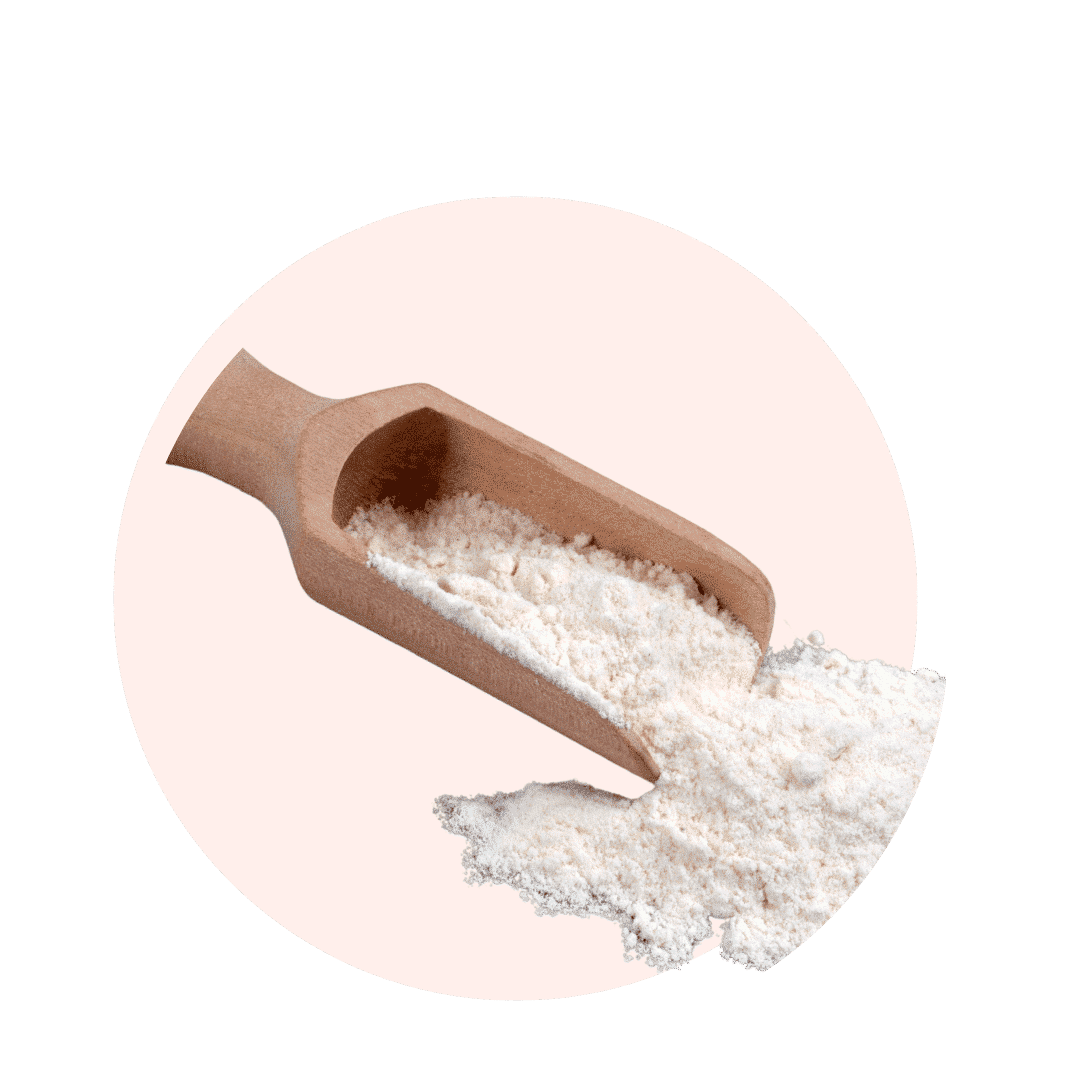

XANTHAN GUM: The secret to a perfect texture
EXCIPIENT ⎪VISCOSITY AGENT
What is xanthan gum?
Xanthan gum is a natural polysaccharide obtained by the fermentation of simple sugars, often from corn or soy, using bacteria Xanthomonas campestris. Used primarily as a thickening, stabilizing and binding agent in food and cosmetic products, xanthan gum is prized for its ability to improve the texture, viscosity and stability of formulations. Odorless and tasteless, it is easily incorporated into foods, drinks, care products and even certain pharmaceutical formulations.
Xanthan gum is obtained by fermentation of a carbohydrate (such as glucose) with the bacteria Xanthomonas campestris.
Our Xanthan gum of plant origin serves as a viscosity agent which allows the texture of our treatments to have a more “bioadhesive” side in synergy with the other active ingredients.. This texture will be able to target dry areas and stay in contact with them longer. It can also act as a film former, forming a protective film on the skin that prevents water loss and helps maintain hydration.
Where does xanthan gum come from?
Discovered in the 1960s, xanthan gum is produced through a fermentation process. Sugars from plant sources, such as corn, are fermented by bacteria Xanthomonas campestris, which creates a viscous gel, the polysaccharide called xanthan gum. This gel is then isolated, purified, dried and transformed into powder for various applications. Due to its stability under varying temperature, pH and salinity conditions, xanthan gum has become a key ingredient in many sectors, including food, cosmetics, pharmaceutical and industrial.
Properties and active ingredients
Xanthan gum is prized for its many functional properties, which make it a versatile and stabilizing ingredient. Here are its main characteristics and actions:
- Thickener and gelling agent : Xanthan gum helps thicken food and cosmetic products without altering the taste or color, giving a richer and more homogeneous texture to preparations.
- Stabilizer : It prevents the separation of ingredients in mixtures, ensuring uniform consistency and extending the life of products.
- Suspension Agent : Xanthan gum is capable of holding solid particles or insoluble ingredients in suspension, which is particularly useful in drinks, sauces and cosmetic products.
- Tolerance to a wide pH range : It remains stable in acidic or basic conditions, which allows its use in various products such as vinegar sauces or skin creams.
- Texture improver : Xanthan gum provides viscosity and a soft mouthfeel in food products, making it an essential ingredient for gluten-free or low-fat products.
What are the benefits of xanthan gum?
Xanthan gum offers many benefits for the texture, stability and durability of food and cosmetic products. Here are the main benefits of this versatile ingredient:
- Improved food texture : Xanthan gum helps give a thicker, creamier and more homogeneous texture to food products. It is commonly used in sauces, salad dressings, ice creams and desserts to improve creaminess.
- Stabilization of emulsions : It prevents the separation of components in products such as sauces and drinks, guaranteeing a stable consistency and a uniform appearance throughout the shelf life.
- Alternative for gluten-free products : In gluten-free products, xanthan gum acts as a binder that replaces the function of gluten in breads, cakes and other baked goods, improving their texture and elasticity.
- Use in cosmetics to improve consistency : In cosmetic products, xanthan gum is used to thicken lotions, creams and gels, while providing a smooth, silky feel. It also allows for better application and absorption of products on the skin.
- Beneficial effect for the intestinal microbiome : Although it is primarily used for its functional properties, xanthan gum is a soluble fiber that can serve as a prebiotic, nourishing good bacteria in the gut and contributing to better digestion.
How to consume xanthan gum?
Xanthan gum is used in many types of food, cosmetic and even pharmaceutical products, due to its versatility and ability to stabilize and thicken formulations. Here are the main ways to consume or use it:
- Food products : Xanthan gum is added to sauces, salad dressings, baked goods, desserts, ice cream, and drinks. It creates a homogeneous texture and prevents the separation of ingredients. It is also commonly used in gluten-free products to improve the consistency and elasticity of doughs.
- Cosmetics and skin care : In cosmetic products, xanthan gum is a common ingredient in creams, lotions, gels and masks to thicken and stabilize the texture. It provides a smooth and non-sticky sensation during application, thus improving the absorption of products into the skin.
- Pharmaceutical formulations : Xanthan gum is used as an excipient in certain medicines and syrups to stabilize the formulation and ensure a fluid and homogeneous consistency.
- Drink preparation : In thick drinks, such as smoothies or meal replacements, it helps provide a creamy and stable consistency without altering the taste.
Note : Xanthan gum is generally used in very small quantities, because it has a strong thickening power. In cooking or for domestic preparations, we often use 0.5 to 1% xanthan gum in the recipe to obtain the desired effect without altering the flavor.
Any side effects?
Xanthan gum is generally considered safe and well tolerated when consumed in moderate amounts, but some adverse effects may occur, particularly with excessive consumption:
- Bloating and gas : As it is a soluble fiber, xanthan gum can cause bloating, gas or digestive discomfort if consumed in large quantities.
- High dose laxative effect : Xanthan gum acts as a fiber and can have a laxative effect, especially when consumed in excess. It is recommended to limit its consumption as part of a balanced diet.
- Allergic reactions : Although rare, allergic reactions may occur in some people, especially if xanthan gum is derived from corn or soy crops. People allergic to these substances should check the origin of the xanthan gum.
- Respiratory discomfort : Xanthan gum in fine powder form may cause respiratory tract irritation if accidentally inhaled. It is advisable to handle the powder with care to avoid this type of exposure.
- Potential interactions with certain medications : As xanthan gum can slow the absorption of certain medications by acting as a fiber, it is recommended to consult a healthcare professional before using it in large quantities for medical treatment.
Sources
Xanthan gum is recognized for its many uses and its safety in the food and cosmetic sectors. Research supports its effectiveness as a stabilizer and thickener, and it is approved by health agencies such as the FDA and EFSA for use in food and cosmetic products. Its versatility and safety make it a commonly used ingredient, particularly in formulations for gluten-free products and skin care.