

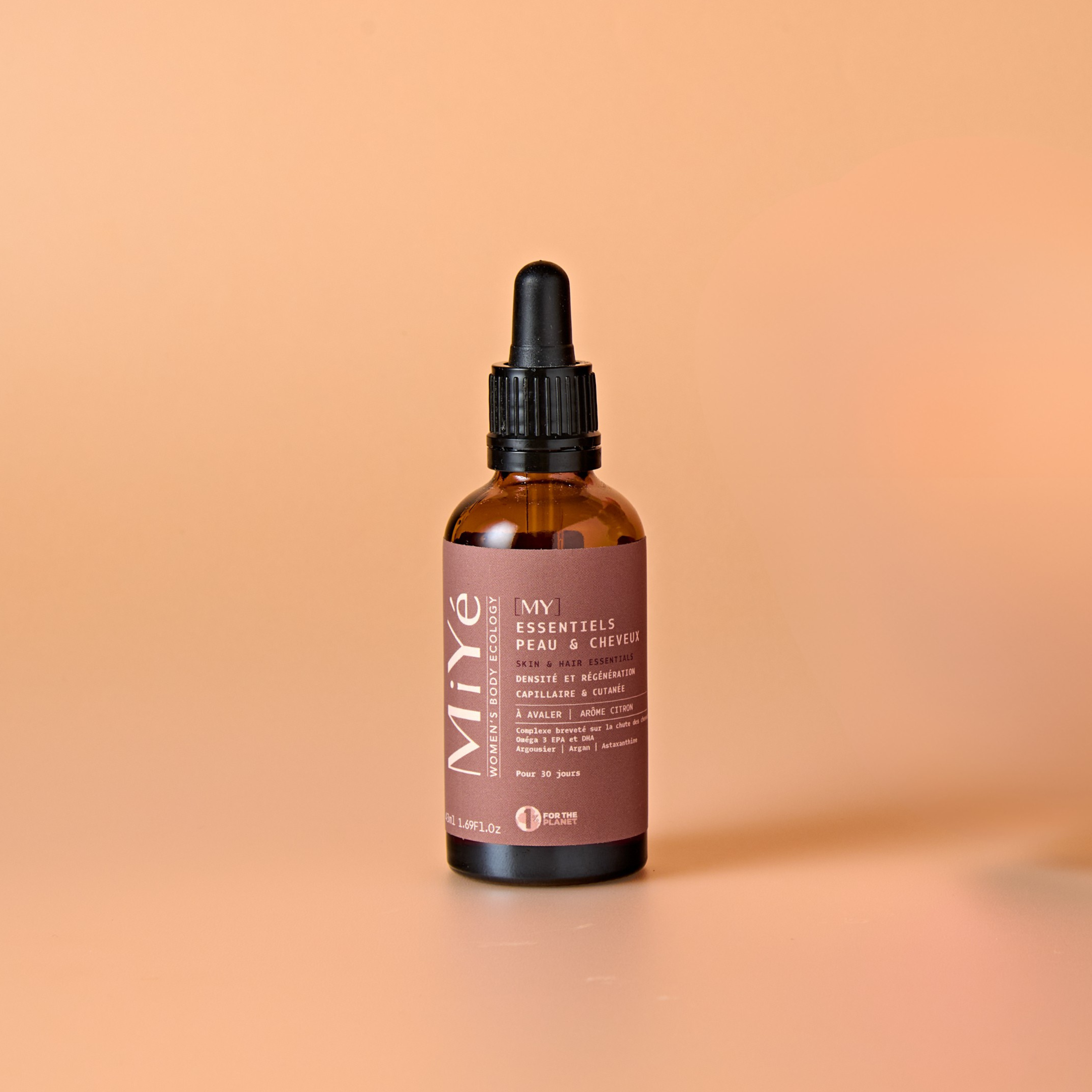




FLAX OIL
Known to calm and reduce skin irritation, while maintaining good elasticity and firmness of the skin tissue.
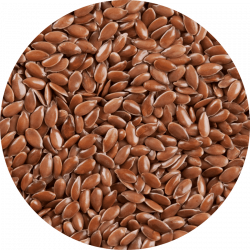

FLAX OIL: For nourished and soothed skin!
REDUCES ⎪ SOFTENES ⎪ NOURISHES
Definition: What is Linseed Oil?
Linseed oil is a vegetable oil extracted from li seedsn (Linum usitatissimum), a plant cultivated for millennia for its multiple health benefits and its textile uses. This oil is particularly rich in acid alpha-linolenic acid (ALA), a essential omega-3 fatty acid, making it a great plant-based alternative to fish oils for cardiovascular support, inflammation regulation, and skin health. Due to its susceptibility to oxidation, it is generally consumed raw and kept refrigerated.
Linseed oil is a vegetable oil used as a skin care agent.
It is true that our modern diet is often unbalanced in favor of omega-6, which is pro-inflammatory. To restore this balance, it is important to provide omega-3, essential anti-inflammatory fatty acids.
When it comes to skin, the omega-3s found in flaxseed oil can help with feed, to soothe inflammation and irritation. This is why it is present in our regenerating facial oil.
If flax can be considered a phytohormone when ingested, this is not the case when used externally.
Where does Linseed Oil come from?
Flax is native to temperate regions of Europe and western Asia, but is now grown around the world for seed and oil production. Flaxseeds, also called brown or golden flax, are cold pressed to extract a delicate, nutrient-rich oil. This extraction method preserves the quality of omega-3 fatty acids and preserves the nutritional properties of the oil. Flaxseed oil is particularly prized for its high content of essential fatty acids, which distinguishes it from other vegetable oils.
Properties and active ingredients
Flaxseed oil is rich in nutrients and essential fatty acids, which give it many beneficial health properties. Here are its main components:
- Alpha-linolenic acid (ALA) : ALA is an essential omega-3 fatty acid that contributes to cardiovascular health, reduces inflammation and supports brain function. The body partially converts ALA into EPA and DHA, forms of omega-3 also found in oily fish.
- Lignans : Flaxseed oil contains lignans, phytoestrogenic compounds with antioxidant properties, which may support hormonal balance and offer protection against certain types of cancer.
- Vitamins E and K : Vitamin E found in flaxseed oil acts as an antioxidant, protecting cells against oxidative stress, while vitamin K promotes blood clotting and bone health.
- Soluble fiber (present in the seeds, but in lesser quantities in the oil): Although the oil contains less fiber than whole flax seeds, it retains some of their beneficial properties for digestion and fat metabolism.
WHAT ARE THE BENEFITS OF FLAX OIL?
Flaxseed oil offers many health benefits, largely due to its high content of omega-3 fatty acids. Here are the main benefits of flaxseed oil:
- Cardiovascular health support : Thanks to its richness in ALA, flaxseed oil helps reduce cholesterol levels, lower blood pressure and improve blood vessel health, thus supporting heart health.
- Reduction of inflammation : Flaxseed oil helps reduce inflammation in the body, which may benefit people with chronic inflammatory conditions, such as arthritis or autoimmune disorders.
- Benefits for the skin : When used internally or externally, flaxseed oil helps to moisturize and soothe the skin, particularly in cases of dryness or skin sensitivity. It is also used to improve skin elasticity and reduce signs of aging.
- Hormonal balance : Lignans found in flaxseed oil can help regulate hormones, particularly beneficial for women going through menopause or suffering from hormonal imbalances.
- Digestive Health Support : Although it contains less fiber than whole seeds, flaxseed oil helps lubricate the intestines and may promote smoother digestion, helping to relieve constipation.
- Is rich in anti-inflammatory fatty acids such as alpha-linolenic acid
- Helps calm and reduce skin irritation
- Maintains good elasticity and firmness of skin tissue
Linseed oil at the heart of Miyé formulas
[MY] REGENERATING OIL
- Rich in postbiotics, antioxidants, plant ceramides and patented oat extract to strengthen the skin's barrier
- 87% find that the oil soothes discomfort and improves the overall appearance of the skin*
- Can be used alone or mixed with your treatment
- Certified organic, rated “Excellent” on rating applications
[MY] MIXOLOGY PACK
- Relaunch skin regeneration and cell renewal
- Hydrate, soothe and strengthen the skin barrier
- Reduce hormonal imperfections without irritating
Use / How to consume Linseed Oil?
Linseed oil is versatile and can be used in many ways, but it is important to follow a few precautions due to its sensitivity to heat and oxidation:
- In the kitchen (cold) : Flaxseed oil can be added to salad dressings, smoothies, yogurts or directly to vegetables and salads. It should not be heated, because heat destroys its omega-3 and alters its taste.
- Food supplement : Flaxseed oil is available in capsule form for a convenient dosage of omega-3, especially useful for those who want to avoid the aftertaste of the oil.
- In cosmetic use : Applied directly to the skin, flaxseed oil can help moisturize and soften dry or irritated skin. It can also be used as a hair mask to nourish the hair and soothe the scalp.
Note : Linseed oil oxidizes quickly. It is recommended to store it in the refrigerator and consume it within 1 to 2 months after opening. Be sure to buy quality linseed oil, cold pressed and packaged in an opaque bottle to protect it from light.
Any side effects?
Flaxseed oil is generally well tolerated, but certain adverse effects may occur, particularly if consumed in excess:
- Digestive disorders : Excessive consumption may cause bloating, abdominal pain or diarrhea in some people. It is best to start with small amounts and gradually increase.
- Rapid oxidation : Due to its composition rich in polyunsaturated fatty acids, linseed oil oxidizes quickly. Oxidized oil becomes rancid and can cause stomach upset or adverse reactions if consumed. It is therefore essential to ensure its freshness.
- Interference with blood clotting : Omega-3s may have a mild anticoagulant effect. People taking blood thinners or having bleeding disorders should consult a doctor before consuming large amounts of flaxseed oil.