



LACTOBACILLUS
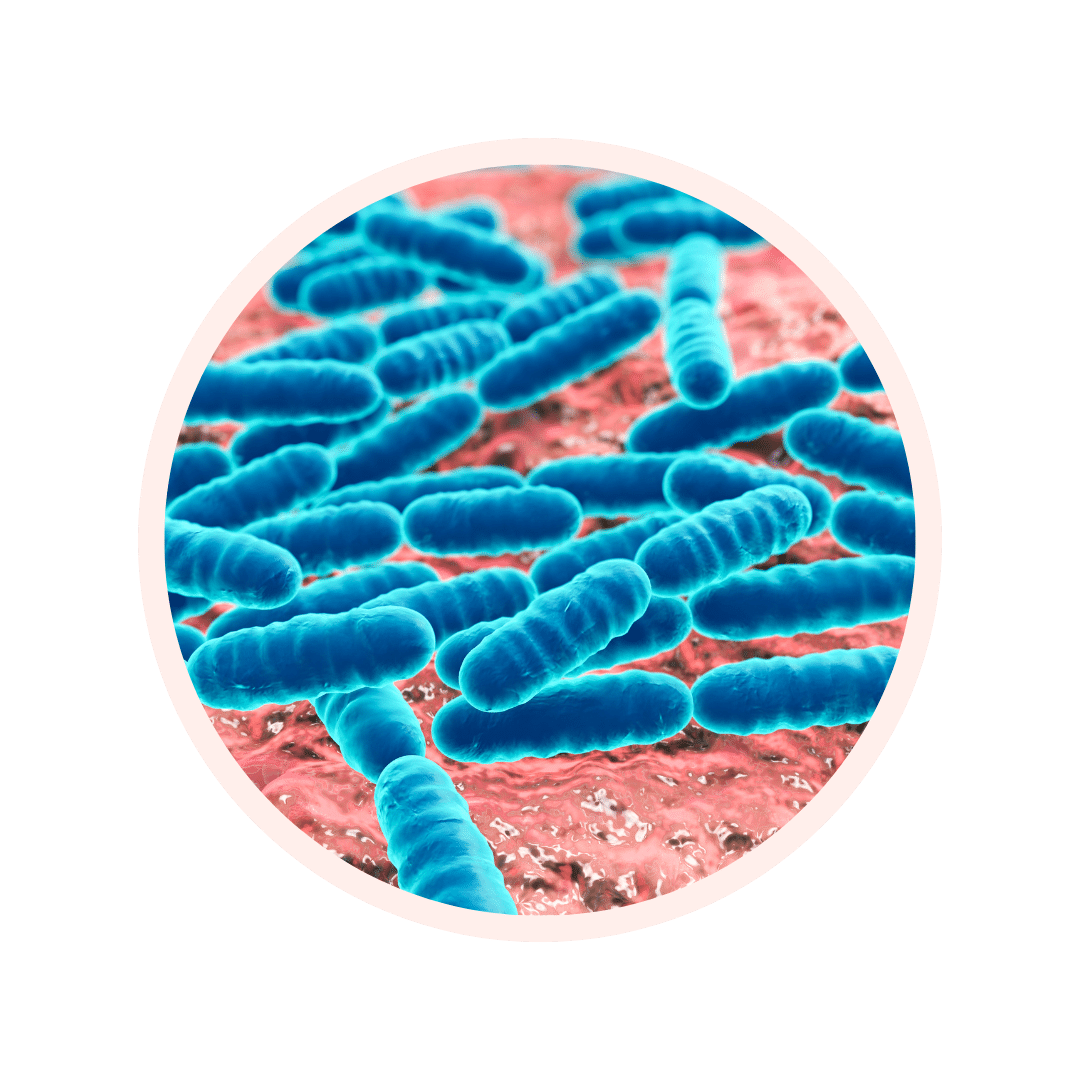
Lactobacillus is a genus of beneficial lactic acid bacteria that plays an essential role in balancing the human microbiome. Naturally present in the digestive system, the vaginal microbiota and the skin, this probiotic is known for its protective, balancing and soothing properties. In cosmetics, Lactobacillus is used in the form of ferments or extracts to strengthen the skin barrier, rebalance the skin microbiome and improve the overall health of the skin.
LACTOBACILLUS: a healthy pH of the intimate area!
POSTBIOTIC ⎪ PROTECTS
What is lactobacillus?
The Lactobacillus is a genus of beneficial lactic acid bacteria that plays an essential role in balancing the human microbiome. Naturally present in the digestive system, the vaginal microbiota and the skin, this probiotic is known for its protective, balancing and soothing properties. In cosmetics, Lactobacillus is used in the form of ferments or extracts to strengthen the skin barrier, rebalance the skin microbiome and improve the overall health of the skin. Thanks to its natural antimicrobial and anti-inflammatory properties, it helps reduce irritation and prevent skin imbalances.
Where does lactobacillus come from?
Lactobacillus is a lactic acid bacteria widely distributed in nature, which is found in fermented products (such as yogurt, kefir or sauerkraut) and in the human body. In cosmetics, it is obtained by fermentation of natural substrates, such as sugars or plant extracts. This process generates active metabolites, such as peptides, organic acids or enzymes, which provide targeted benefits to the skin. Thanks to its compatibility with natural and organic formulations, Lactobacillus has become a key ingredient in microbiome-friendly care.
Properties and active ingredients
Lactobacillus has several beneficial properties for the skin and cosmetic formulations. Here are its main characteristics and actions:
- Balancing microbiome : It supports the skin's natural microbiome, helping to maintain a healthy balance between good and bad bacteria.
- Natural soothing : It reduces irritation and calms inflammation, ideal for sensitive skin or skin prone to redness.
- Strengthening the skin barrier : It stimulates the production of lipids and strengthens the skin's protective barrier, reducing transepidermal water loss.
- Antimicrobial action : It limits the proliferation of pathogenic bacteria responsible for imperfections, while promoting beneficial bacteria.
- Antioxidant : It protects the skin against damage caused by free radicals, thus delaying the signs of aging.
What are the benefits of lactobacillus?
Lactobacillus offers numerous benefits for the skin thanks to its balancing, soothing and protective properties. Here are the main benefits of this natural and innovative ingredient:
- Improved skin balance : It rebalances the skin's microbiome, reducing problems related to imbalances such as irritation or redness.
- Reinforced hydration : By improving the skin barrier, it helps maintain optimal hydration and reduces dryness.
- Reduction of imperfections : Its natural antimicrobial properties help prevent and reduce the appearance of imperfections, such as pimples or blackheads.
- Suitable for sensitive skin : Thanks to its gentle action, it soothes reactive or irritated skin, providing comfort and softness.
- Protection against external attacks : By strengthening the skin's natural defenses, it helps to better resist attacks such as pollution or UV rays.
How to consume lactobacillus?
Lactobacillus is mainly used topically in cosmetic products for its benefits on the skin and its role in strengthening the microbiome. Here are the main ways to benefit from this ingredient:
- Balancing serums : Applied daily, they rebalance the skin's microbiome and strengthen its protective barrier.
- Moisturizers : Enriched with Lactobacillus ferments, they soothe and nourish the skin while maintaining its hydration.
- Face masks : Integrated into masks, they offer a repair and rebalancing boost for stressed or sensitive skin.
- Anti-aging care : Used in anti-aging creams or serums, it protects the skin from free radicals and improves its elasticity.
- Mild Cleansers : In cleansing products, it limits microbial imbalances while gently cleansing the skin.
Note : Lactobacillus is suitable for all skin types, including sensitive or acne-prone skin. It is recommended to use products containing live or stabilized ferments for maximum effectiveness.
Any side effects?
Lactobacillus is generally well tolerated, but certain side effects can occur, although rare:
- Allergic reactions : Although rare, some people may react to ferments or metabolites derived from Lactobacillus. A skin test is recommended before first use.
- Increased sensitivity : In extremely reactive skin, slight irritation may occur. Opt for formulations suitable for sensitive skin.
- Incompatibility with certain assets : When combined with very acidic or aggressive ingredients, its effectiveness may be reduced. Check the combinations in your products.
- Instability in certain formulations : In poorly formulated products, Lactobacillus ferments can lose their effectiveness over time.
- Risk of imbalance : Excessive or poorly adapted use can, in rare cases, disrupt the natural balance of the microbiome.
Sources
The benefits of Lactobacillus are widely documented in research on the human microbiome and probiotic cosmetics. This ingredient is known for its balancing, protective and soothing properties, helping to improve the overall health of the skin. Studies confirm its role in strengthening the skin barrier and reducing microbial imbalances. Thanks to its production by natural fermentation, it is also environmentally friendly and compatible with organic formulations.