




LECITHIN / LYSOLECITHIN
Lecithin and lysolecithin are phospholipids, components naturally present in the cell membranes of living organisms. It is used in cosmetics and food for its emulsifying and moisturizing properties. In cosmetics, lecithin and lysolecithin are prized for their ability to bind oily and aqueous ingredients, strengthen the skin barrier, and improve the absorption of nutrients into the skin. They also provide hydration, softness and elasticity to formulations.
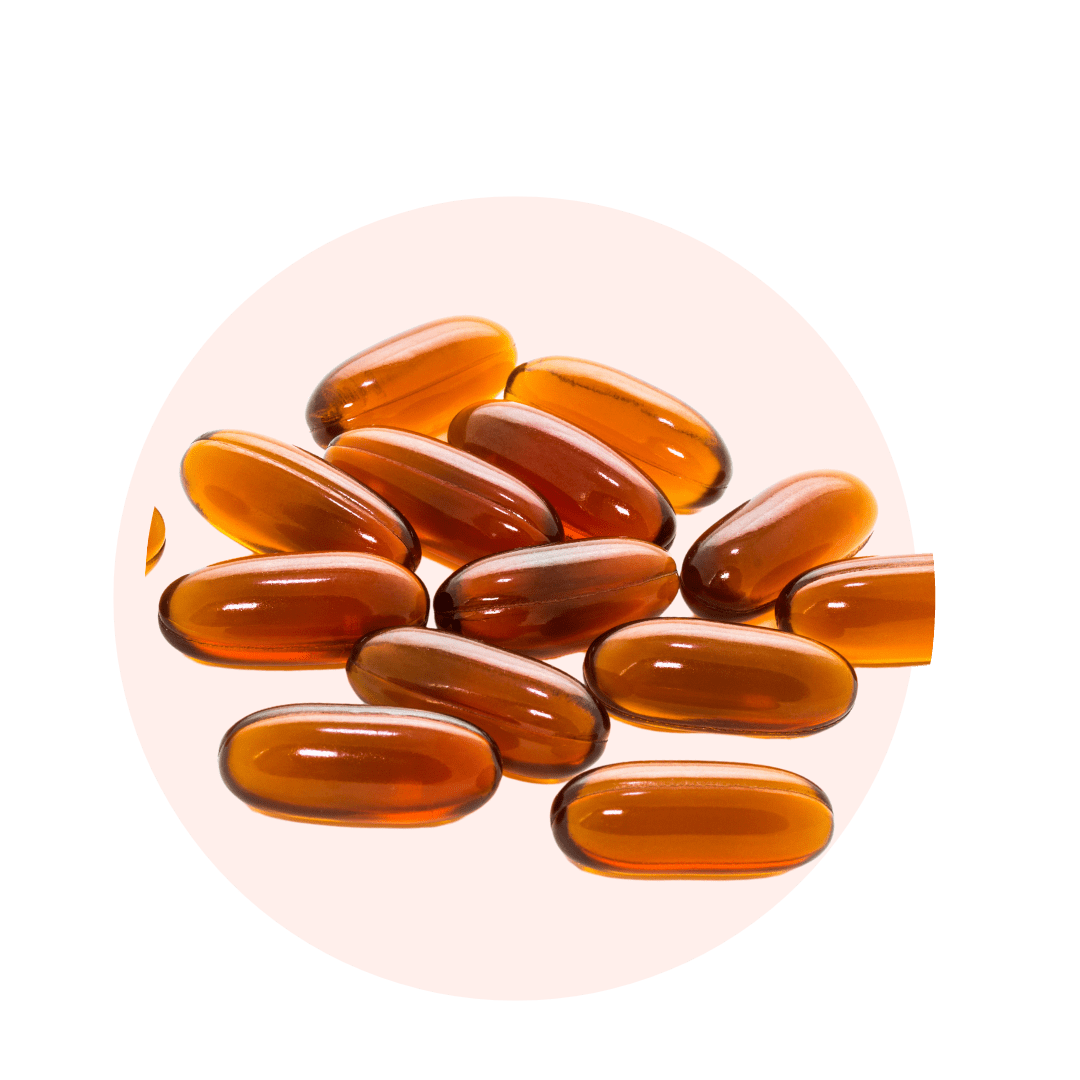

LECITHIN / LYSOLECITHIN: Discover a good emulsifier
EXCIPIENT ⎪ EMULSIFIER
What is lecithin / lysolecithin?
Lecithin and lysolecithin are phospholipids, components naturally present in the cell membranes of living organisms. Lecithin is often derived from plant sources such as soy, sunflower, or eggs, and is used in cosmetics and food for its emulsifying and moisturizing properties. Lysolecithin, a derivative of lecithin, has similar properties but is more water soluble, making it a versatile ingredient in skincare formulations. In cosmetics, lecithin and lysolecithin are prized for their ability to bind oily and aqueous ingredients, strengthen the skin barrier, and improve the absorption of nutrients into the skin. They also provide hydration, softness and elasticity to formulations.
Lecithin is a natural constituent of skin cell membranes, found in both animals and plants. Often extracted from soy, it is used in cosmetics for its moisturizing properties. It also helps maintain skin elasticity and the integrity of the skin barrier.
Lysolecithin, on the other hand, is derived from lecithin by enzymatic hydrolysis. It has the same benefits as lecithin, but with a greater emulsifying capacity.
In our Happy Cycles Body Serum, they are used as emulsifiers that is to say, they allow ingredients that are immiscible to be mixed together. Without emulsifiers, they would not mix easily, like water and oil.
In short, this helps stabilize formulations and improve texture to promote absorption of active ingredients and provide a feeling of softness.
Where does lecithin/lysolecithin come from?
Lecithin is extracted primarily from plant sources like soy and sunflower. It can also come from egg yolks, although plant sources are more common in modern cosmetic and food products. Lysolecithin is obtained by enzymatic modification of lecithin, which makes it more water soluble and gives it more effective emulsifying properties in aqueous formulations. This process creates versatile ingredients, used in creams, lotions, serums and hair products for their hydrating benefits and their ability to improve the texture of products without weighing down the skin or hair.
Properties and active ingredients
Lecithin and lysolecithin have several beneficial properties for skin and hair. Here are their main characteristics and actions:
- Moisturizing effect : Lecithin acts as a humectant, helping maintain hydration by attracting and retaining water in the skin and hair.
- Emulsifying properties : As natural emulsifiers, lecithin and lysolecithin help stabilize oil-water mixtures, ensuring a homogeneous and pleasant texture of care products.
- Strengthening the skin barrier : These phospholipids help repair and strengthen the skin's lipid barrier, thus preventing moisture loss and protecting the skin from external aggressions.
- Improved asset penetration : By promoting the absorption of active ingredients in the skin, lecithin and lysolecithin increase the effectiveness of care.
- Softening and soothing properties : They provide softness and elasticity, helping to calm dry or irritated skin and soften hair.
What are the benefits of lecithin and lysolecithin?
Lecithin and lysolecithin offer numerous benefits for skin and hair, thanks to their emulsifying, hydrating and protective properties. Here are the main benefits of these ingredients:
- Long-lasting hydration : By retaining water in the skin and hair, they provide lasting hydration and prevent dehydration, ideal for dry or mature skin.
- Strengthening the skin barrier : They help restore the skin's lipid barrier, strengthening its ability to retain moisture and protect against irritants.
- Optimal absorption of active ingredients : Thanks to their lipophilic properties, they improve the penetration of other ingredients into the skin, thus increasing the effectiveness of the formulations.
- Smooth and homogeneous texture : Their emulsifying role helps stabilize the products, providing a fluid and pleasant texture, and avoiding the separation of the oily and aqueous phases.
- Softening and shine of hair : In hair care, they help to smooth the hair fiber, providing shine and softness, and making styling easier without weighing down the hair.
How to consume lecithin / lysolecithin?
Lecithin and lysolecithin are mainly used topically in skin and hair care. Here are the main ways to benefit from these ingredients:
- Moisturizing creams and lotions : Integrated into creams and lotions, they provide deep and lasting hydration, ideal for dry and dehydrated skin.
- Facial serums and gels : Lysolecithin is often added to serums for its water-soluble effect and to facilitate the absorption of active ingredients without leaving a greasy residue.
- Hair products : In shampoos and masks, they help soften and moisturize hair, making it smoother and shinier while making styling easier.
- Makeup : In makeup products, lecithin acts as a stabilizer and improves the texture of formulations, providing a soft, even finish on the skin.
- Anti-aging products : Due to their moisturizing and penetrating effects, they are often present in anti-aging treatments to improve the penetration of regenerating active ingredients.
Note : Lecithin and lysolecithin are well tolerated by all skin types, even the most sensitive. However, it is recommended to check the source of the ingredient, as some people may have allergies to soy, which is a common source of lecithin. A skin test is always recommended for very sensitive skin.
Any side effects?
Lecithin and lysolecithin are generally well tolerated, but some adverse effects may occur, although rare:
- Allergic reactions : In people sensitive to soy, a mild skin reaction may occur due to the presence of lecithin derived from soy. It is recommended to check the source of the ingredient to avoid any risk of allergy.
- Skin sensitivity : Although rare, some very reactive skin may experience slight irritation or redness. A skin test is recommended before first use.
- Possible comedogenic effect : If applied excessively, lecithin can be slightly comedogenic for certain very oily or acne-prone skin. It is therefore recommended to use it in small quantities in products for oily skin.
- Buildup on hair : In hair use, excessive use can cause slight buildup on fine hair. An occasional clarifying shampoo can help prevent this effect.
- Instability in some DIY formulations : In homemade treatments, without additional stabilizers, lecithin can sometimes cause phase separation. It is recommended to follow reliable recipes and check the stability of the product.
Sources
The benefits of lecithin and lysolecithin are well documented in cosmetic and nutritional research. These ingredients are recognized for their moisturizing, emulsifying and protective properties, contributing to better absorption of active ingredients and improved stability of care products. Studies show their effectiveness in strengthening the skin barrier, maintaining hydration and improving the texture of formulations. Lecithin and lysolecithin are approved for cosmetic use, with a high tolerability profile for all skin and hair types.