





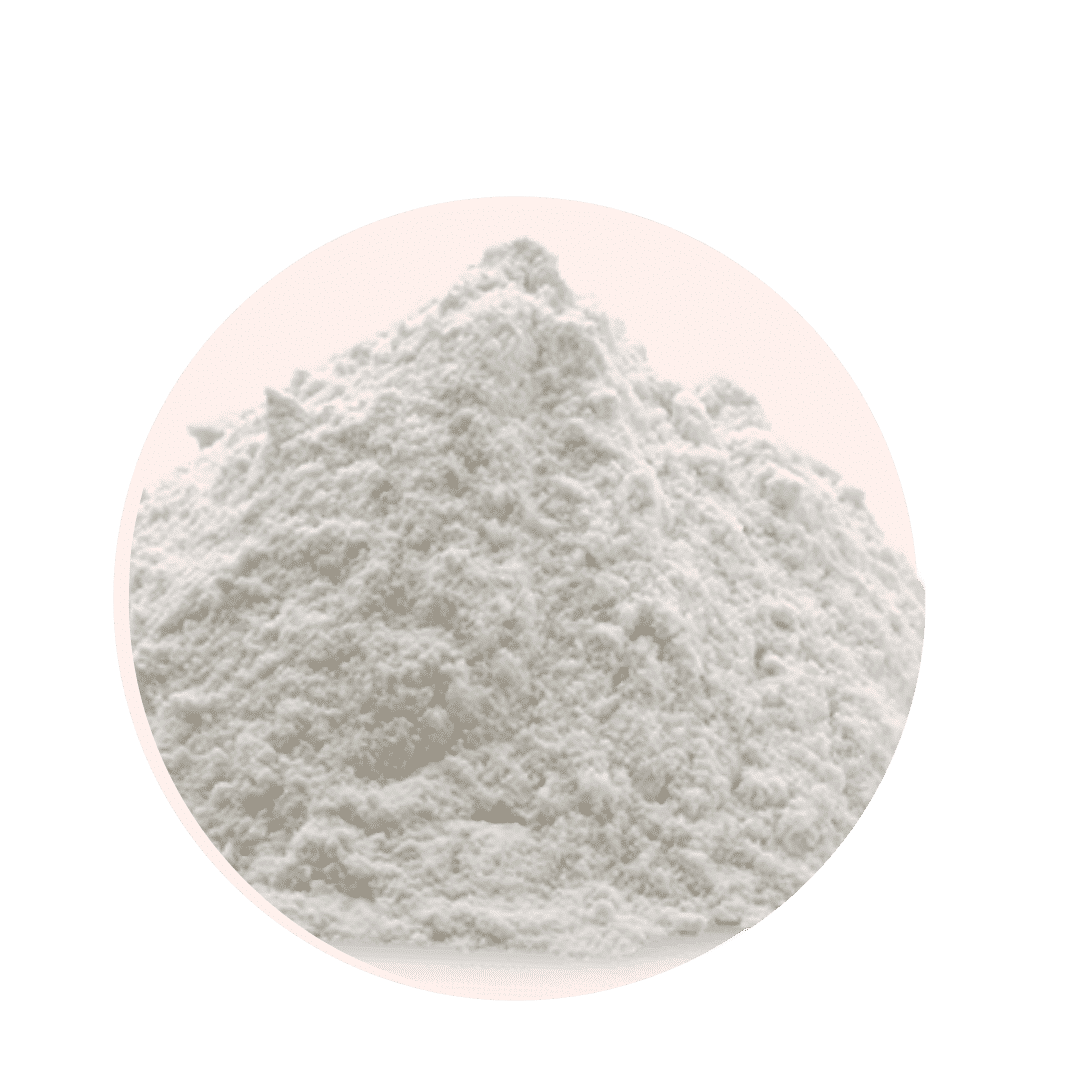
POTASSIUM SORBATE E202
Potassium sorbate is primarily used for its antimicrobial properties, but it also has other beneficial characteristics for product preservation. It is an antimicrobial, odorless and tasteless agent that prevents bacterial infections.

POTASSIUM SORBATE E202: A good preservative
EXCIPIENT ⎪ PRESERVATIVE
Definition: What is Potassium Sorbate (E202)?
Potassium sorbate, also designated by its code E202, is a synthetic preservative commonly used in the food, cosmetic and pharmaceutical industries. Derived from sorbic acid, it is particularly effective in inhibiting the growth of mold, yeast and bacteria, thus extending the shelf life of products. This preservative is odorless and tasteless, making it an ideal choice for preserving freshness without altering the taste or aroma of food products.
Potassium sorbate is found in the Clear skin detox elixir as a preservative, that is to say it prevents the development of bacteria and other micro-organisms. It is a potassium salt of sorbic acid which is of natural origin because it is extracted from rowan berries. This preservative is authorized in organic.
Where does Potassium Sorbate (E202) come from?
Potassium sorbate is the salt form of sorbic acid, which is naturally occurring and can be found in certain fruits, such as rowan berries. However, commercially used potassium sorbate is typically synthesized to ensure consistent purity and effectiveness. Used in foods, beverages, cosmetics and even personal care products, potassium sorbate helps extend the shelf life of products by preventing the proliferation of harmful microorganisms.
Properties and active ingredients
Potassium sorbate is primarily used for its antimicrobial properties, but it also has other beneficial characteristics for product preservation. Here are its main properties:
- Antimicrobial agent : Potassium sorbate inhibits the growth of mold, yeast and bacteria, ensuring product safety over a longer period of time.
- Odorless and tasteless : Unlike other preservatives, potassium sorbate does not alter the taste or aroma of products, making it suitable for sensitive food products.
- Stability and efficiency : Potassium sorbate is stable under various pH conditions, making it effective in a wide variety of formulations, including acidic products.
- Ease of dissolution : Soluble in water, potassium sorbate is easily incorporated into liquid and semi-liquid preparations.
WHAT ARE THE BENEFITS OF POTASSIUM SORBATE E202?
Potassium sorbate offers numerous benefits for the preservation of food, cosmetic and pharmaceutical products. Here are the main benefits of this additive:
- Extension of shelf life : By preventing the growth of microorganisms, potassium sorbate helps maintain the freshness of products for a longer period of time.
- Prevention of bacterial infections : By inhibiting bacteria in care products, potassium sorbate protects consumers from the risk of infections linked to expired products.
- Maintaining food quality : Without altering the taste, potassium sorbate preserves the original flavor of foods, avoiding rancidity and unpleasant odors.
- Stability in cosmetic formulations : In care products and cosmetics, potassium sorbate preserves the integrity and effectiveness of active ingredients by preventing degradation by microorganisms.
- Gentler alternative to preservatives : Compared to some other chemical preservatives, potassium sorbate is better tolerated by most skin types, including sensitive skin.
Use: How to consume Potassium Sorbate (E202)?
Potassium sorbate is used in many types of food and cosmetic products to extend their shelf life:
- Food : Potassium sorbate is commonly added to products such as cheeses, jams, baked goods, beverages, sauces and salad dressings to prevent the growth of mold and yeast.
- Cosmetics and skin care : Potassium sorbate is found in creams, lotions, shampoos and makeup products to ensure their freshness and prevent microbial contamination.
- Pharmaceuticals : In some pharmaceutical formulations, potassium sorbate helps preserve active ingredients and prevent contamination.
Note : Potassium sorbate is considered safe when used at doses recommended by health authorities, such as EFSA and FDA. However, it is always advisable to limit the consumption of preservatives in a balanced diet.
Any side effects?
Potassium sorbate is generally well tolerated, but certain adverse effects may occur in cases of individual sensitivity:
- Skin irritations : In some cases, potassium sorbate may cause irritation, itching or redness in people with very sensitive skin. It is recommended to do a skin test before using products containing this ingredient, especially on reactive skin.
- Allergic reactions : Although rare, allergic reactions can occur, particularly in people allergic to preservatives. Symptoms may include rash, difficulty breathing, or itching.
- Effects on the digestive system : Excessive consumption of potassium sorbate can cause digestive discomfort, such as bloating or cramping, although this is rare at doses found in foods.
- Sensitivity to the eyes and mucous membranes : In case of direct contact, potassium sorbate may irritate the eyes and mucous membranes. It is recommended to rinse well in case of accidental contact.