





RHODIOL
Rhodiola has many benefits, particularly for stress management, mental and physical performance. Here are the main benefits of this adaptogenic plant: reduction of stress and anxiety, antioxidant and anti-inflammatory effects, improvement of energy and endurance, support of cognitive functions and improvement of mood.

RHODIOL: The anti-stress adaptogen par excellence
ADAPTS ⎪ STIMULATES ⎪SOOTHES
Definition / What is Rhodiola?
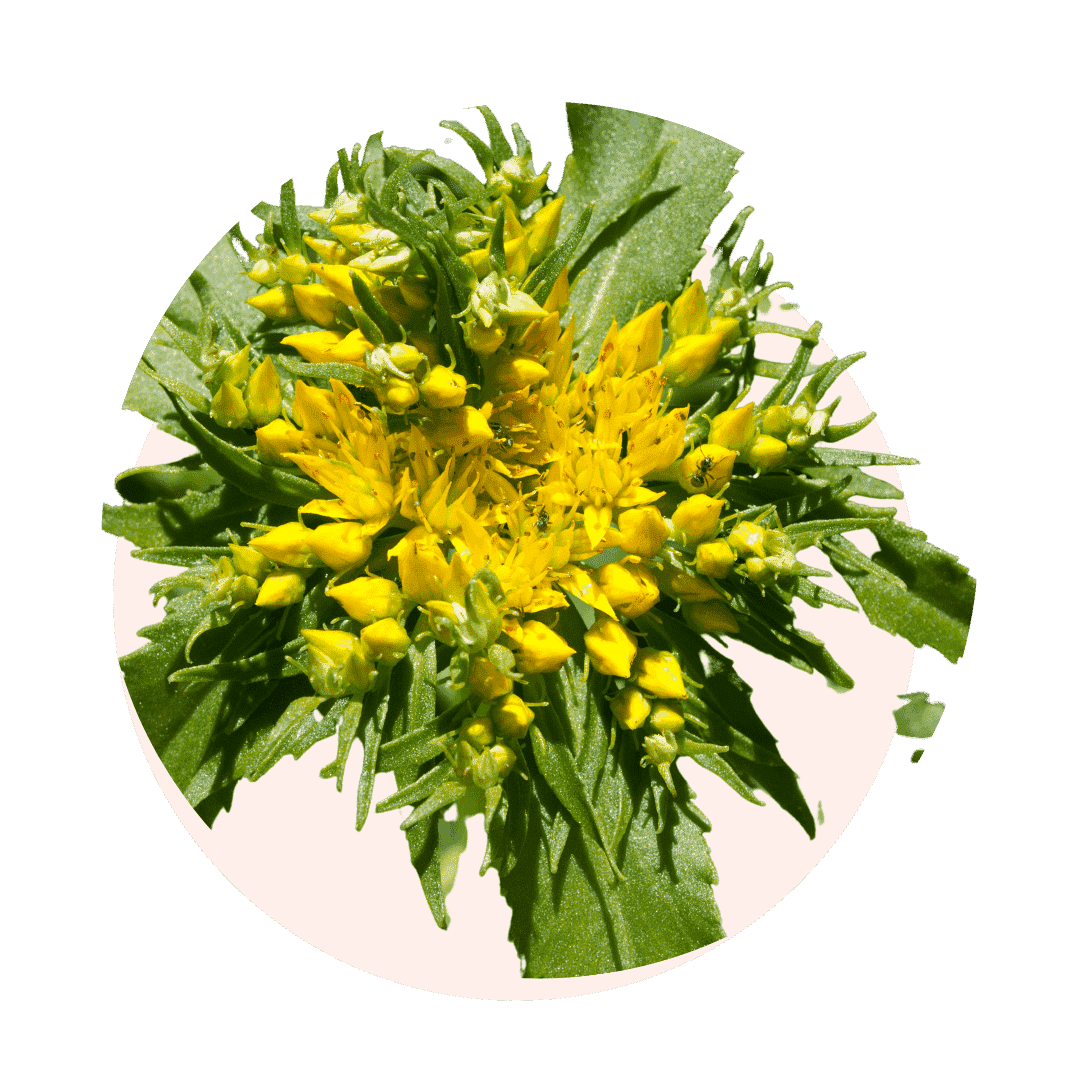
Rhodiola, or Rhodiola rosea, is an adaptogenic herb native to cold regions of Europe, Asia and North America. Used for centuries in traditional Russian and Scandinavian medicine, rhodiola is renowned for its effects on mental well-being, reducing stress and increasing physical endurance. Its roots contain bioactive compounds, such as rosavin and salidroside, which help the body adapt to stress, improve energy and support mental health.
Known under the scientific name Rhodiola rosea, rhodiola is an adaptogenic plant widely used for its virtues on mental and physical health. It is native to the cold regions of northern Europe and Asia.
Also called “golden root,” it can help keep high amounts of serotonin, the happy hormone, in circulation. This helps optimize the production of melatonin, the sleep hormone. It also modulates the secretion of cortisol, the stress hormone, thus promoting hormonal balance and the proper functioning of the nervous system. Thanks to these actions, rhodiola can then be used effectively in cases of depression, mental and physical fatigue.
In addition, it is known to stimulate concentration, memory and cognitive functions and to strengthen the immune system, promoting better resistance to infections and diseases.
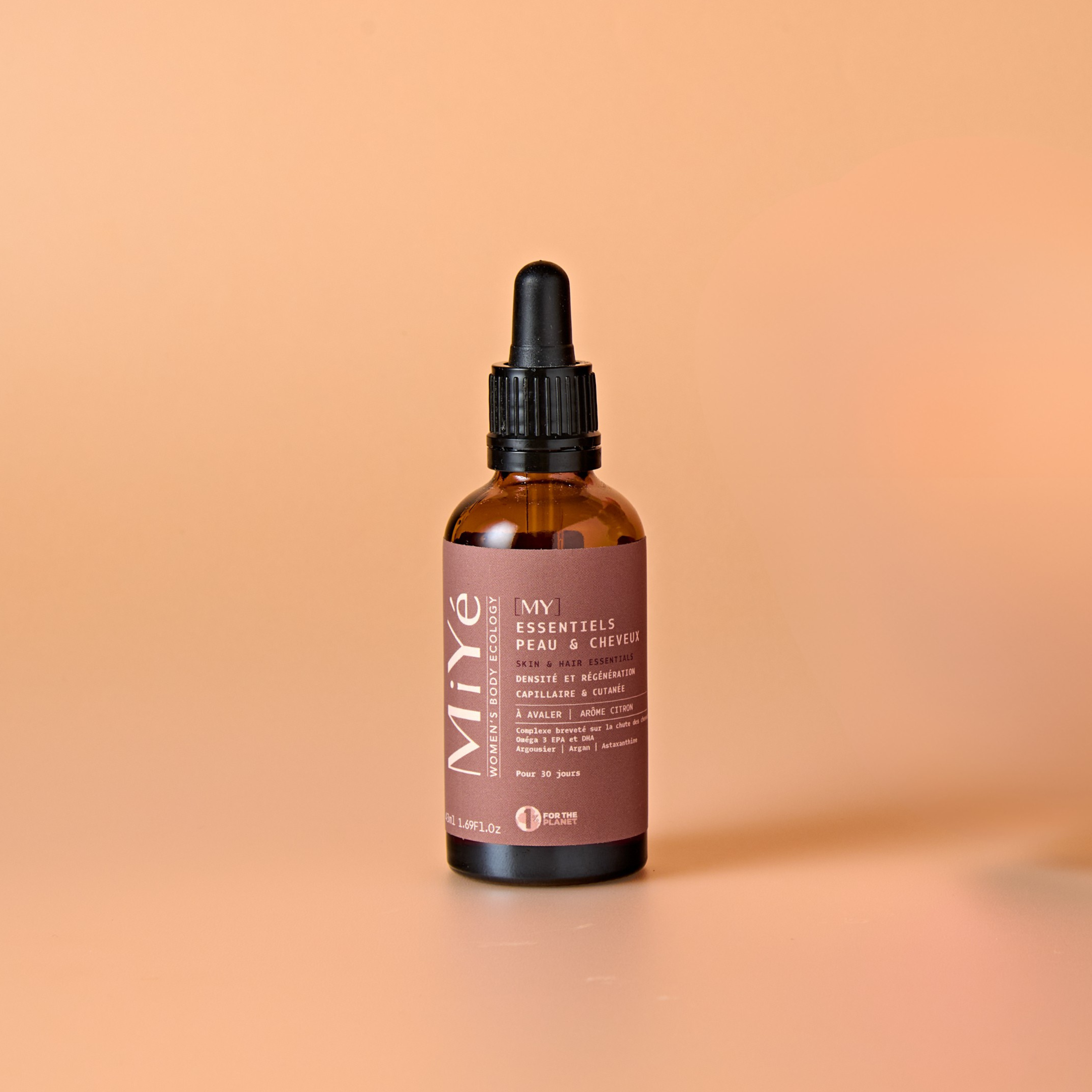
You can find it in Serenity essentials.
Where does Rhodiola come from?
Rhodiola grows naturally in cold, mountainous regions of Eastern Europe, Central Asia, and northern North America. The plant thrives in extreme climates and poor soils, which contributes to its concentration of adaptogenic compounds. In herbal medicine, the roots of rhodiola are harvested, dried and processed to produce extracts or powders. Traditional medicine in several cultures uses rhodiola to improve vitality and endurance in the face of harsh conditions.
Properties and active ingredients
Rhodiola is rich in compounds that give it adaptogenic and energizing properties. Here are the main active ingredients and properties of this plant:
- Rosavine : One of the main active compounds in rhodiola, rosavin helps regulate the production of cortisol (stress hormone), thus promoting a balanced response to stress.
- Salidroside : This compound contributes to the antioxidant and anti-inflammatory effects of rhodiola, helping to protect cells against the effects of oxidative stress.
- Adaptogenic effect : Rhodiola helps the body adapt to stress by regulating hormones and improving physical and mental resilience.
- Energy stimulation : It increases the production of ATP (cell energy molecule), which helps improve endurance and resistance to fatigue.
WHAT ARE THE BENEFITS OF RHODIOLA?
Rhodiola has many benefits, particularly for stress management, mental and physical performance. Here are the main benefits of this adaptogenic plant:
- Reduced stress and anxiety : By regulating the production of cortisol, rhodiola helps soothe the effects of stress and anxiety, promoting a state of calm and well-being.
- Improved energy and endurance : Rhodiola stimulates cellular energy production, which helps reduce fatigue and improve physical performance, particularly during intense activities.
- Support for cognitive functions : Rhodiola is known to improve concentration, memory and mental clarity, particularly in times of stress or mental fatigue.
- Antioxidant and anti-inflammatory effects : Its active compounds help protect cells against oxidative damage and reduce inflammation, thereby supporting overall health.
- Improved mood : Rhodiola acts positively on mood and can help relieve symptoms of mild to moderate depression, by balancing neurotransmitters like serotonin and dopamine.
- Promotes the body’s adaptation and resistance to physical, emotional and environmental stress
- Strengthens and revitalizes the body, improving energy and physical resistance
- Reduces anxiety and stress thanks to its relaxing properties
Use: How to consume Rhodiola?
Rhodiola is available in several forms to adapt to individual needs and consumption patterns:
- Capsules and tablets : Standardized rhodiola extracts in capsules or tablets are the most common form, offering a precise dose. The recommended dosage is generally between 200 and 600 mg per day.
- Liquid extracts : Rhodiola extracts in liquid form can be diluted in water or taken directly. They allow rapid absorption and easy dose adjustment.
- Powder : Rhodiola root powder can be added to smoothies or drinks for convenient consumption.
Note : It is recommended to consume rhodiola in the morning or at the start of the day because of its stimulating effects. People under medical treatment, particularly for hormonal or nervous disorders, should consult a healthcare professional before use.
Any side effects?
Rhodiola is generally well tolerated, but certain adverse effects may occur, especially in case of high doses or individual sensitivity:
- Insomnia and nervousness : Due to its stimulating effects, rhodiola can sometimes cause insomnia or restlessness, particularly if taken late in the day.
- Gastrointestinal effects : Some people may experience nausea, stomach upset, or cramps. It is recommended to start with a low dose and increase gradually.
- Interaction with certain medications : Rhodiola may interact with certain treatments, including medications for stress and hormones. It is advisable to consult a healthcare professional if you are taking medication.
- Hypotensive effect : Rhodiola can sometimes lower blood pressure slightly, which may cause dizziness in people with low blood pressure.