





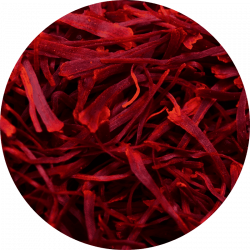
SAFFRON
Helps maintain good mental energy and promote good mood.
SAFFRON: The precious spice that promotes a positive mood
STIMULATES ⎪ SOOTHES ⎪ PROTECTS
What is Saffron?
Saffron is a precious spice obtained from the dried stigmas of the crocus flower (Crocus sativus), native to the Mediterranean regions and the Middle East. This rare spice is known for its intense red color, slightly bitter taste and unique aroma. Nicknamed “red gold” because of its high cost, saffron is prized not only for its taste qualities but also for its many therapeutic virtues. Rich in bioactive compounds, such as crocin, safranal and picrocrocin, it is known for its beneficial effects on mood, digestion, and general health.
Saffron, adaptogenic plant and spice from the stigmas of the flower Crocus sativus was used as a remedy for many health problems in Arab, Indian and Chinese civilizations. Also called red gold, saffron contains pigments that have been the subject of scientific studies. In particular, it has been shown that saffron could have a effectiveness at least equal to that of antidepressants present on the market, with fewer side effects and a rapid effect. Our saffron extract is titrated in safranal.
Where does Saffron come from?
Saffron is native to the Mediterranean region, but today it is cultivated in several countries, including Iran, Spain, India and Greece. The process of harvesting saffron is extremely laborious: each crocus flower produces only three stigmas, which must be harvested manually at sunrise to preserve their quality. It takes around 150,000 flowers to obtain one kilogram of saffron, hence its high price. The stigmas are then dried, giving them their distinctive aroma and therapeutic properties. This spice is often used in very small quantities in cooking and herbal medicine.
Properties and active ingredients
Saffron is rich in bioactive components that give it unique benefits for health and well-being. Here are its main characteristics and actions:
- Crocin and crocetin : These carotenoids are responsible for the red color of saffron and have antioxidant properties, helping to protect cells from oxidative stress.
- Safranal : This volatile compound is responsible for the unique aroma of saffron. It has relaxing effects and helps improve mood by acting on neurotransmitters in the brain.
- Picrocrocin : Responsible for the slightly bitter flavor of saffron, picrocrocin also has beneficial effects for the digestive system.
- Antioxidant effect : Saffron is rich in antioxidants, which help neutralize free radicals in the body, thereby reducing the signs of aging and the risk of chronic diseases.
- Anti-inflammatory properties : Thanks to its bioactive compounds, saffron helps reduce inflammation, which can benefit joint and digestive system health.
The benefits of saffron
Saffron offers many benefits for well-being, mental and physical health. Here are the main benefits of this precious spice:
- Improved mood and reduced stress : Saffron is known for its positive effects on mood. It acts on serotonin, a neurotransmitter involved in mood regulation, which can help reduce stress, anxiety and symptoms of mild depression.
- Eye health support : Carotenoids found in saffron, like crocin, help protect the retina and prevent age-related macular degeneration, thereby contributing to eye health.
- Aphrodisiac effect : Traditionally, saffron is used as a natural libido stimulant. Some studies suggest it may help improve sexual function by promoting blood flow and reducing stress.
- Improved digestion : Saffron has digestive properties and helps soothe digestive disorders such as bloating and stomach cramps. It also stimulates the appetite and helps regulate digestion.
- Antioxidant and anti-aging action : Thanks to its richness in antioxidants, saffron helps fight the signs of aging by reducing oxidative stress. It protects cells from damage and improves skin elasticity and radiance.
ITS BENEFITS:
- Improves mood and reduces symptoms of depression
- Protects body cells against oxidative stress thanks to its antioxidant properties
- Attenuates inflammation by inhibiting inflammatory enzymes and modulating immunity
Saffron at the heart of Miyé formulas
[MY] DUO FEEL GOOD
- Contributes to good hormonal regulation
- Improves physical and mental fatigue
- Promotes good sleep and good mood
- Reduces physical discomfort (hot flashes, bloating, etc.)
[MY] SERENITY ESSENTIALS
- 3 complementary forms of magnesium (bisglycinate, malate and citrate)
- 3 synergistic adaptogenic plants (saffron, griffonia, rhodiola)
- Stimulates “happiness” hormones (dopamine and serotonin)
- Sugar-free, diabetes compatible
[MY] LIBIDO PACK
- 3 synergistic adaptogenic plants (saffron, griffonia, rhodiola)
- Stimulates libido
- Gel with moisturizing and lubricating properties
- Discreet and gentle gel, including for vulvar pain
How to consume Saffron?
Saffron is used in cooking, herbal medicine and cosmetics for its multiple benefits. Here are the main ways to integrate it into a wellness routine:
- In the kitchen : Saffron is used in very small quantities to flavor dishes like rice, soups and desserts. To fully extract the aromas and color, it is recommended to infuse the saffron filaments in hot water or milk before adding them to culinary preparations.
- In infusion or food supplement : To benefit from the health benefits of saffron, it is possible to consume it as an infusion or in the form of a food supplement. As an infusion, simply infuse a few threads of saffron in hot water for 10 to 15 minutes. In addition, saffron capsules standardized in crocin and safranal are available.
- Cosmetic application : Thanks to its antioxidant properties, saffron is sometimes included in masks and skin creams. It helps improve complexion, reduce imperfections and bring radiance to the face. You can also use saffron infusion as a natural skin tonic.
Note : Saffron is a powerful spice, and it is recommended not to consume large quantities of it. A moderate dose (30 mg per day) is generally considered safe to obtain its benefits without the risk of adverse effects.
Any side effects?
Saffron is generally well tolerated, but certain adverse effects may occur, especially in case of excessive consumption or in sensitive people:
- Allergic reactions : Although rare, some people may develop allergic reactions to saffron, manifesting as redness, itching, or rashes. It is advisable to start with small doses to check tolerance.
- Nausea and dizziness : In case of overconsumption, saffron can cause side effects such as nausea, headaches and dizziness. It is recommended not to exceed the recommended daily dose.
- Hypotensive effects : Saffron may slightly lower blood pressure. People with hypotension or taking hypotensive medications should use it with caution.
- Contraindications for pregnant women : Saffron is sometimes used to stimulate menstruation and may therefore not be recommended during pregnancy, especially in large quantities, as it could cause contractions.
- Interaction with certain medications : Saffron may interact with medications, including antidepressants and antihypertensives. It is recommended to consult a healthcare professional before consuming it in supplement form.
Sources
The benefits of saffron are well documented in research in traditional medicine and herbal medicine. Numerous studies support its effectiveness in improving mood, reducing stress, and promoting digestion. Known for its high antioxidant content, saffron has been used for centuries in Ayurvedic and Persian medicine. Health organizations also validate its use as a dietary supplement for moderate effects on mental and physical health.