



SORBITOL
Sorbitol is a polyol, or sugar alcohol, naturally found in certain fruits such as apples, pears, plums and cherries. It is also produced synthetically for use as a sweetener and texturing agent in food, cosmetic and pharmaceutical products.


SORBITOL: A natural sweetener for sugar-free sweetness
EXCIPIENT ⎪ SWEETENER
Definition: What is Sorbitol?
The sorbitol is a polyol, or sugar-alcohol, naturally present in certain fruits such as apples, pears, plums and cherries. It is also produced synthetically for use as a sweetener and texturing agent in food, cosmetic and pharmaceutical products. As a sweetener, it is lower in calories than sugar and has a moderate sweetness, making it a popular choice for low-fat or sugar-free products. Sorbitol is also used for its moisturizing properties in cosmetics and skincare products.
Naturally found in many fruits such as plums, apples and cherries, sorbitol is used as a sweetener in certain foods and dietary supplements.
We really like it because it tastes sweet while containing zero sugar. It is compatible with diabetes.
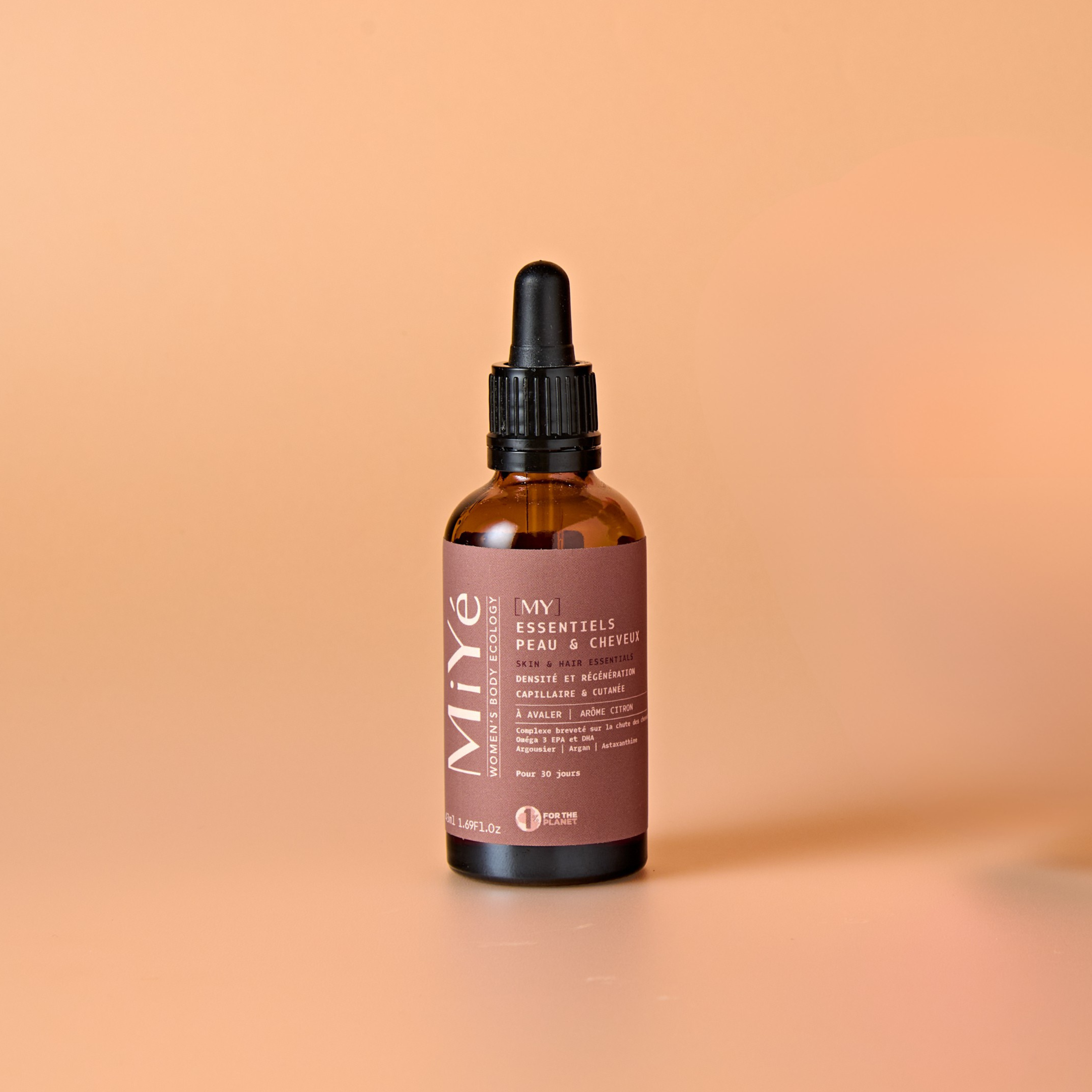
In MY Serenity Essentials, this healthy sweetener improves the taste of the tablets which are to be swallowed!
There is a potential laxative effect but it is not present at our doses.
By respecting the recommended doses, there is no risk of side effects.
Where does Sorbitol come from?
Sorbitol is naturally extracted from certain fruits, but the majority of sorbitol used commercially is made synthetically from glucose, which is hydrogenated to produce this sugar alcohol. It is widely used in the food industry as a sweetener and stabilizer for sugar-free or low-calorie products. In cosmetic and pharmaceutical products, it is used for its humectant and thickening properties, helping to improve the texture and preservation of products.
Properties and active ingredients
Sorbitol has specific properties that make it useful in food, cosmetics and pharmaceuticals. Here are the main characteristics of sorbitol:
- Moderate sweetening power : Sorbitol is about 60% as sweet as sugar, allowing it to sweeten without increasing calories as much.
- Moisturizing (humectant) effect : Sorbitol attracts and retains moisture, making it useful in cosmetics and skin care to maintain hydration and prevent dryness.
- Low glycemic index : Due to its low glycemic index, sorbitol causes a lower increase in blood sugar compared to sugar, making it a sweetener suitable for people with diabetes.
- High dose laxative effect : Sorbitol has a laxative effect when consumed in large quantities, as it is partially absorbed in the small intestine, with the remainder fermented in the colon.
WHAT ARE THE BENEFITS OF SORBITOL?
Sorbitol offers several benefits when used in food and cosmetic products. Here are the main benefits of this sugar alcohol:
- Low-calorie alternative to sugar : Sorbitol is lower in calories than sugar and offers an interesting alternative for products low in sugar or intended for diabetic diets.
- Suitable for people with diabetes : With its low glycemic index, sorbitol is used in sugar-free products for people with diabetes, allowing them to sweeten without causing blood sugar spikes.
- Skin hydration : In cosmetics, sorbitol is used for its humectant properties, helping to moisturize and soften the skin, particularly in creams and lotions.
- Prevention of tooth decay : Unlike sugar, sorbitol does not promote the development of cavities, making it a common ingredient in sugar-free chewing gum and toothpaste.
- Texture and stability agent : In addition to its sweetening power, sorbitol improves the texture of food products and their preservation capacity by maintaining humidity.
Use: How to consume Sorbitol?
Sorbitol is used in various consumer products, ranging from food products to cosmetics. Here is how it is generally consumed:
- Sugar-free food products : Sorbitol is added to sugar-free candies, chewing gum, desserts and pastries to provide sweetness while reducing calories.
- Cosmetics and care products : Due to its moisturizing power, sorbitol is used in creams, lotions, shower gels and toothpastes to retain moisture and improve the texture of products.
- Pharmaceuticals : Sorbitol is used as an excipient in certain medicines, particularly in syrups and tablets, to give them a sweet taste and a pleasant texture.
Note : Due to its laxative effect at high doses, it is recommended to limit the consumption of sorbitol in food products. It is often recommended not to exceed 20 g of sorbitol per day to avoid unwanted effects.
Any side effects?
Sorbitol is generally well tolerated, but certain side effects may occur with excessive consumption:
- Laxative effect : Consumed in large quantities, sorbitol can cause bloating, abdominal pain and diarrhea. It is therefore recommended to moderate its consumption, especially for sensitive people.
- Gastrointestinal discomfort : Some people may experience abdominal cramps or gas when consuming sorbitol in moderate amounts. It is advisable to reduce consumption if these symptoms occur.
- Interactions with irritable bowel syndrome (IBS) : Sorbitol may worsen symptoms in people with irritable bowel syndrome (IBS) due to its fermentable effect in the colon.
- Risks for children : In young children, sorbitol consumption can lead to diarrhea and other digestive problems. It is therefore advisable to monitor the sorbitol intake in children's products.