




SPIRULINA
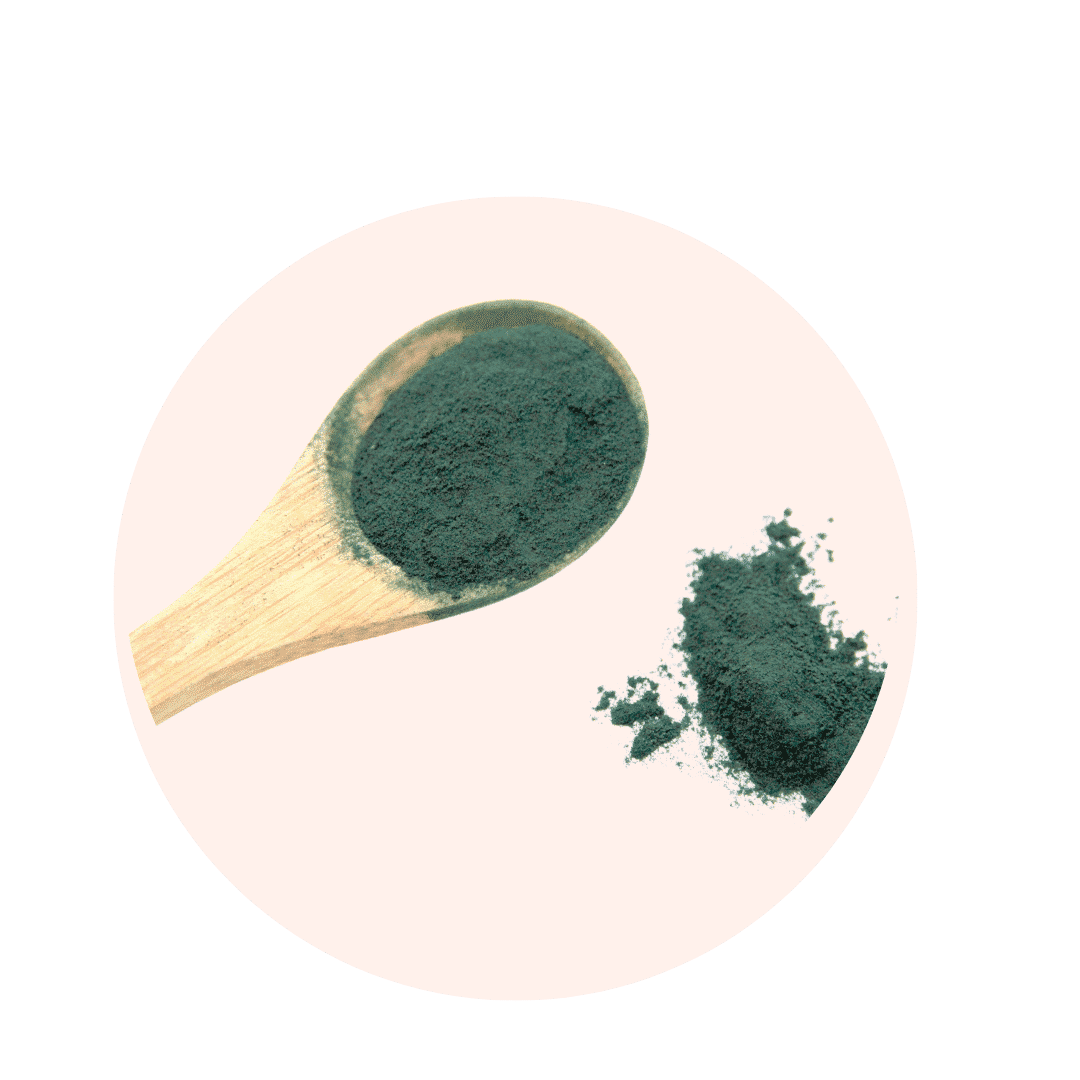
Spirulina (Arthrospira platensis) is a blue-green microalgae present in fresh water. It is very rich in proteins (more than 60%), essential micronutrients (magnesium, vitamins A and K) and antioxidants (beta-carotene, phycocyanin, selenium). It can almost be like a multi-vitamin on its own!
SPIRULINA: A nutritional treasure with multiple benefits
DETOXIFIES ⎪ RENEWALS ⎪ PROTECTS
What is Spirulina?
be general. Spirulina is often available in powder, tablet, or capsule form.
Spirulina (Arthrospira platensis) is a blue-green microalgae present in fresh water. It is very rich in proteins (more than 60%), essential micronutrients (magnesium, vitamins A and K) and antioxidants (beta-carotene, phycocyanin, selenium). It can almost be like a multi-vitamin on its own! It is one of the foods considered to be the richest in the world in terms of composition. It notably contains phycocyanin, 20 times more powerful than vitamin C!
We chose spirulina for our densifying hair serum because spirulina promotes the synthesis of keratin (which constitutes 95% of hair), in particular thanks to the presence of cysteine. It is a sulfur-containing amino acid that is particularly important for hair to provide it with resistance, solidity and elasticity. Spirulina is therefore particularly effective for fine and fragile hair.
We also chose it for our Clear skin detox elixir because it provides suppleness, softness and elasticity to the epidermis, while helping it fight against premature skin aging. In addition, it will help reduce the appearance of pimples, blackheads and microcysts thanks to phycocyanin which stimulates the immune system and improves the body's reaction to skin inflammation.
However, it is necessary to pay careful attention to its quality and its cultivation conditions because it is an algae which can be more or less rich in nutrients and contain heavy metals. Rich in chlorophyll which gives it its pretty green color and gives it toxin elimination properties.
Where does Spirulina come from?
Spirulina is native to the alkaline lakes of Africa, South America and Asia. It grows naturally in warm, shallow waters rich in minerals. The Aztecs and certain African tribes already consumed it for its nutritional virtues. Today, spirulina is mainly grown in aquatic farms, particularly in Asia, South America and Africa. Modern cultivation methods ensure its quality and purity, protecting it from environmental pollutants. The spirulina is then dried and made into powder or tablets for easy consumption.
Properties and active ingredients
Spirulina is a superfood rich in nutrients and bioactive components that give it numerous health benefits. Here are its main characteristics and actions:
- Complete proteins : Spirulina contains approximately 60-70% complete protein, including all essential amino acids, making it a valuable source for vegetarians and athletes.
- Powerful Antioxidants : Phycocyanin, a blue pigment found in spirulina, has antioxidant and anti-inflammatory properties that protect cells from oxidative damage.
- Vitamins and minerals : Spirulina is rich in B vitamins (notably B1, B2, and B3), iron, calcium, magnesium and potassium, thus contributing to various metabolic processes.
- Essential fatty acids : Spirulina contains omega-6 fatty acids, particularly gamma-linolenic acid (GLA), which has beneficial effects on cardiovascular health and inflammation.
- Detoxifying effect : Thanks to its ability to bind certain heavy metals, spirulina is often used for its detoxifying effects, helping to eliminate toxins from the body
What are the benefits of spirulina?
Spirulina offers many benefits for health, energy and general well-being. Here are the main benefits of this micro-algae:
- Increased energy and reduced fatigue : Thanks to its high protein and iron content, spirulina helps reduce fatigue and improve energy levels, making it popular among athletes and active people.
- Strengthening the immune system : Spirulina stimulates the immune system by increasing the production of immune cells and protecting the body against infections and diseases.
- Support for cardiovascular health : The antioxidants and omega-6 fatty acids present in spirulina help reduce LDL cholesterol (bad cholesterol) and improve cardiovascular health.
- Anti-inflammatory and antioxidant action : Phycocyanin and other antioxidants found in spirulina help reduce inflammation and protect cells from oxidative damage, which contributes to better cellular health and prevention of aging.
- Detoxifying effect for the body : Spirulina helps remove heavy metals and other toxins from the body, acting as a purifying agent and promoting better overall health.
- Support for weight loss : Due to its high protein content and low calorie intake, spirulina is often used as a supplement in weight loss programs, as it promotes satiety and helps maintain energy.
How to consume Spirulina?
Spirulina is easy to integrate into the daily routine thanks to its availability in various forms:
- Powder : Spirulina powder can be added to smoothies, fruit juices, or soups to benefit from its nutrients. It is recommended to start with half a teaspoon per day and then gradually increase the amount.
- Tablets or capsules : For those who do not like its particular taste, spirulina is available in tablets or capsules, allowing a precise dosage and easy to take daily. Recommended doses vary between 2 and 3 grams per day.
- Healthy recipes : Spirulina can be incorporated into various recipes, such as energy bars, protein balls, or even salads, for a nutritional twist. However, it is advisable to avoid heating it to preserve its nutrients.
Note : Spirulina is a concentrated food, and overconsumption may cause mild side effects. It is recommended to follow the recommended doses and consult a healthcare professional if you are pregnant, breastfeeding or taking medication.
Spirulina at the heart of MiYé formulas
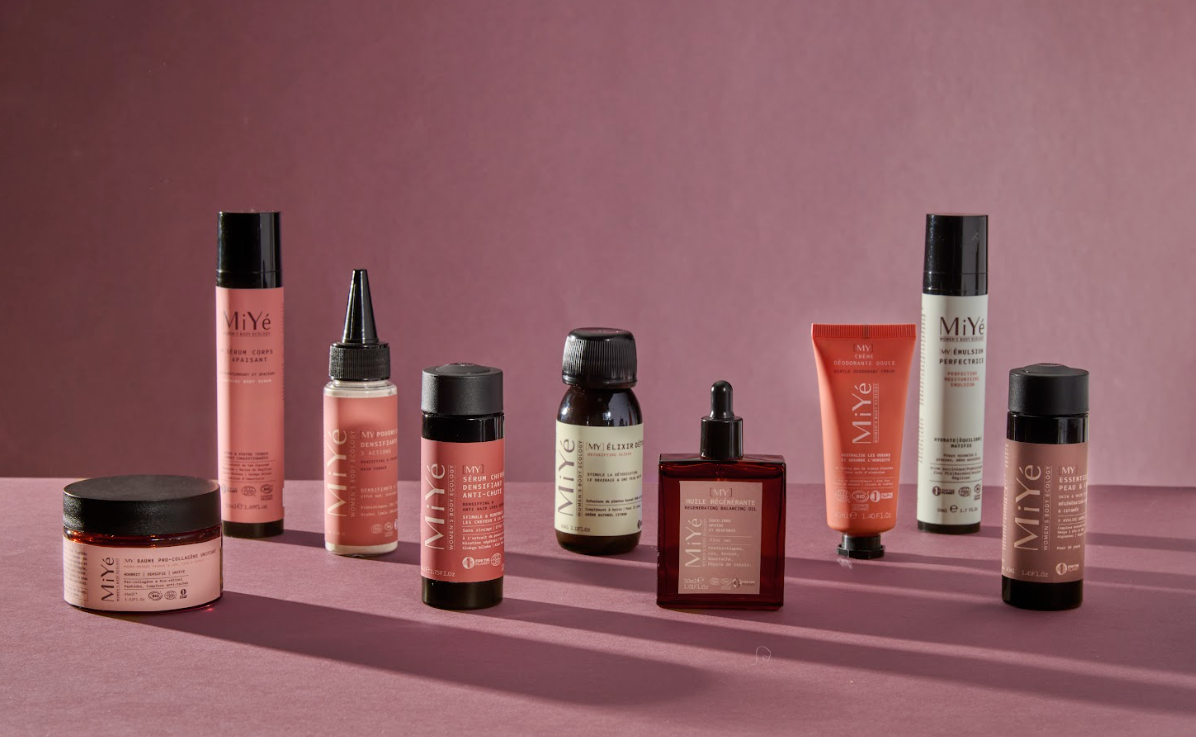
Spirulina finds its place in several MiYé treatments for its supply of proteins, essential micronutrients and antioxidants.
[MY] DENSIFYING ANTI-HAIR LOSS HAIR SERUM
- Restores hair vitality and density
- Rinse-free, non-greasing application
- Proven effectiveness under medical supervision
- Certified organic, rated “Excellent” on rating applications
[MY] HOLI PACK
- Contributes to good hormonal regulation
- Soothes the intimate area
- Restores hair vitality and density
- Without contraindicated phytohormones or suspected endocrine disruptors
Any side effects?
Spirulina is generally well tolerated, but certain adverse effects may occur, particularly in cases of individual sensitivity or excessive consumption:
- Digestive disorders : Taking too much spirulina can cause bloating, gas or abdominal cramps in some people. It is advisable to start with a low dose and increase gradually.
- Allergic reactions : Although rare, some people may experience an allergy to spirulina, manifesting as skin rashes or itching. It is recommended to test a small amount before regular use.
- Detoxifying effect : Spirulina may cause headaches or slight temporary fatigue at first, due to its detoxifying effect. These symptoms are generally temporary and disappear after a few days.
- Risk of contamination : Spirulina should be purchased from reliable sources to avoid contamination with heavy metals or toxins from poor growing practices. Choose quality brands with certifications.
- Interaction with certain medications : People taking blood thinners or having autoimmune diseases should consult a doctor before consuming spirulina, due to its immunostimulating effects.
Sources
The benefits of spirulina are well documented in nutrition and medical research. Numerous studies confirm its effectiveness in strengthening the immune system, improving energy levels and supporting cardiovascular health. Health organizations also recognize spirulina as a safe and effective dietary supplement when produced under controlled conditions. Laboratory research and clinical trials also show its antioxidant and anti-inflammatory effects, making spirulina a versatile superfood beneficial for overall health.