





SYNTHETIC VITAMIN B3
Vitamin B3 (nicotinamide, niacin or vitamin PP) plays an essential role as a precursor to the coenzymes NAD and NADP, which are found in many chemical reactions and in the production of energy in our body. Vitamin B3 is also involved in the production of hormones and neurotransmitters, which may contribute to healthy brain function and help reduce depressive behaviors.

SYNTHETIC VITAMIN B3: Essential for your energy
BOOSTS ⎪ SOOTHES ⎪SUPPORTS
Definition: What is Synthetic Vitamin B3?
Vitamin B3 (nicotinamide, niacin or vitamin PP) plays an essential role as a precursor to the coenzymes NAD and NADP, which are found in many chemical reactions and energy production in our body.
Vitamin B3 is also involved in the production of hormones and neurotransmitters, which may contribute to healthy brain function and help reduce depressive behaviors.
The antioxidant properties Vitamin B3 is also important in protecting cells against damage caused by free radicals, and it contributes to the proper functioning of the immune system.
In addition, vitamin B3 can play a role a role in cardiovascular health by promoting the regulation of LDL and HDL cholesterol levels, which can reduce the risk of cardiovascular disease.
When it comes to skin, vitamin B3 may improve skin health by promoting collagen production, reducing inflammation, and strengthening the skin barrier. This can help reduce the symptoms of skin problems such as acne and eczema.
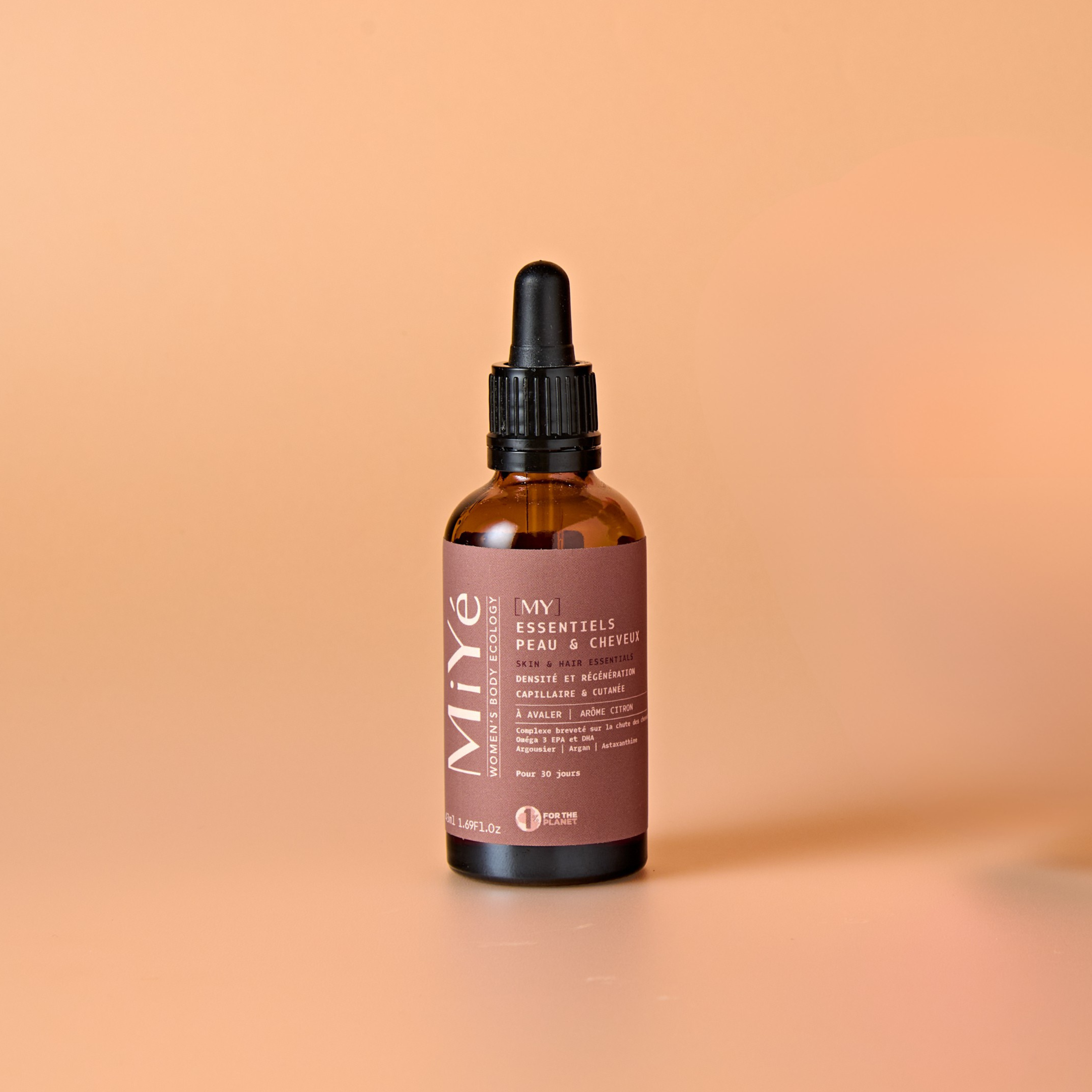
But where do we find it? Well in many of our foods such as meat, fish, green leafy vegetables (spinach, kale, broccoli, etc.), mushrooms, legumes and whole grains.
In our supplement MY Serenity Essentials, vitamin B3 is synthetic. We made this choice for dosage reasons. Indeed, vitamin B3 of natural origin would have taken up too much space in our tablets.
Where does Synthetic Vitamin B3 come from?
Synthetic vitamin B3 is produced in the laboratory using chemical reactions that recreate the structure and effects of natural niacin. This synthetic version is identical in terms of biochemical properties, thus offering the same benefits. Synthetic vitamin B3 is mainly used in food supplements, fortified products, and even in certain medications to meet daily needs, especially for people at risk of deficiency, such as the elderly or those with restrictive diets.
Properties and active ingredients
Synthetic vitamin B3 has the same essential properties as natural niacin, with beneficial effects for metabolism and cardiovascular health. Here are the main properties of vitamin B3:
- Conversion of nutrients to energy : Niacin plays a crucial role in energy metabolism by helping to convert carbohydrates, fats and proteins into energy.
- Cardiovascular health support : Vitamin B3 can help regulate cholesterol levels in the blood, lowering levels of "bad" cholesterol (LDL) and increasing "good" cholesterol (HDL).
- Anti-inflammatory effect : Vitamin B3 has anti-inflammatory properties that help protect cells against oxidative stress and may contribute to the reduction of skin inflammation.
- Support for cognitive functions : Niacin is essential for the proper functioning of the brain and nervous system, playing a role in memory and concentration.
What are the benefits of synthetic Vitamin B3?
Synthetic vitamin B3 offers many health benefits, especially for metabolism, heart and brain. Here are the main benefits of this essential vitamin:
- Energy improvement : By participating in energy production at the cellular level, vitamin B3 helps reduce fatigue and improve vitality.
- Cardiovascular health support : Niacin helps balance cholesterol levels in the blood, thereby supporting cardiovascular health and reducing the risk of heart disease.
- Improved mental health : Vitamin B3 is important for brain health, helping to preserve cognitive functions, memory and concentration, which is beneficial for older adults.
- Skin Health Support : Niacin is used in cosmetics for its anti-inflammatory and hydrating properties, and it helps reduce redness and improve skin texture.
- Reduction of pellagra symptoms : Vitamin B3 deficiency can lead to a disease called pellagra, which manifests itself with skin, digestive and neurological symptoms. Synthetic niacin is used to prevent and treat this deficiency.
- Is essential for energy production
- Contributes to the proper functioning of the nervous system
- Promotes the synthesis of neurotransmitters (dopamine, acetylcholine, GABA, etc.)
How to consume Synthetic Vitamin B3?
Synthetic vitamin B3 is available in various forms for practical and effective intake:
- Food supplements : Vitamin B3 is available in tablets, capsules or vitamin B complexes. The recommended dose varies depending on age and needs, but is generally around 14-16 mg per day for an adult.
- Enriched products : Synthetic vitamin B3 is added to some food products like cereals and bread to ensure adequate niacin intake.
- Topical applications : In cosmetics, niacin is included in skin creams and serums for its moisturizing and soothing effects.
Note : Vitamin B3 is water-soluble and should be consumed daily, as it is not stored by the body. It is recommended to follow the recommended doses and avoid large doses without medical advice, as excess niacin can cause adverse effects.
Any side effects?
Synthetic vitamin B3 is generally well tolerated, but adverse effects may occur in the event of high doses or prolonged use without medical advice:
- Hot flashes : In high doses, niacin can cause redness and a warm feeling on the skin, known as a "niacin flush." This phenomenon is temporary and diminishes over time.
- Gastrointestinal disorders : Some people may experience stomach upset, nausea, or diarrhea, especially when taking high doses.
- Liver damage : At very high doses, niacin can be toxic to the liver. It is therefore essential to respect the recommended doses and to consult a doctor if taking a high dose is considered.
- Hypotension : Niacin can sometimes cause a slight drop in blood pressure. People with blood pressure problems should consult a healthcare professional before adding niacin to their regimen.