





SYNTHETIC VITAMIN B1
Vitamin B1, also known as thiamine, is an often overlooked vitamin that is known to boost good mood. Indeed, it is often called the “vitamin of morale” or “vitamin of optimism”.

SYNTHETIC VITAMIN B1: Boost your morale
METABOLISES⎪ SOOTHES ⎪ SUPPORTS
Definition: What is Synthetic Vitamin B1?
Vitamin B1, also known as thiamine, is an often overlooked vitamin that is known to boost good mood. In fact, it is often called the “vitamin of morale” or “vitamin of optimism”.
In addition to its effects on mood, vitamin B1 plays an essential role in our metabolism and is considered an essential substance by the WHO. And for good reason! Vitamin B1 allows the transformation of lipids, proteins but also and above all carbohydrates into energy. Nerve cells “feed” exclusively on carbohydrates, so this vitamin is essential for maintaining intellectual abilities and more generally for the proper functioning of our brain system!
In addition, it has antioxidant properties, allowing cells to protect themselves against damage caused by free radicals. It also contributes to the proper functioning of the immune system.
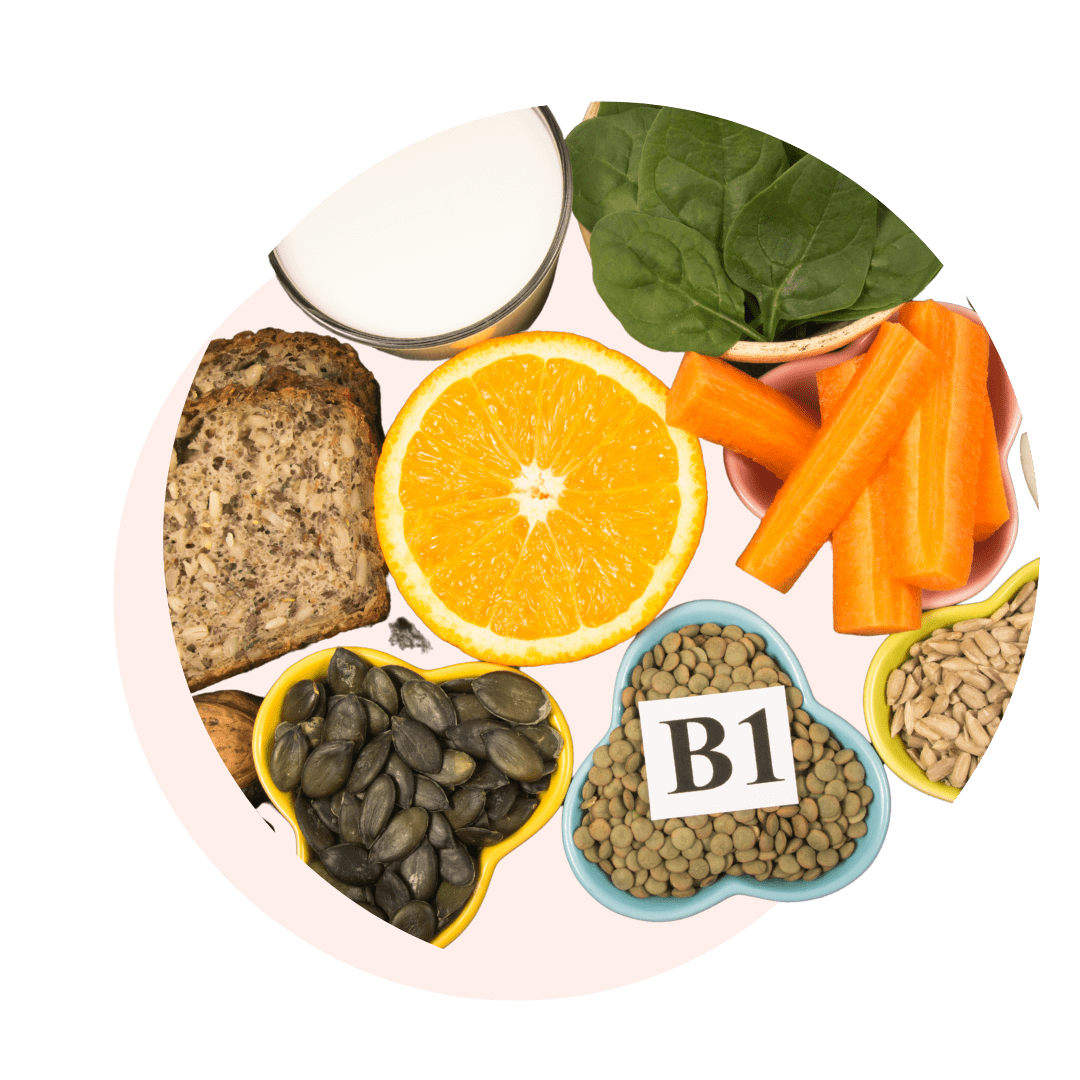
But where do we find it? Well in many of our foods such as oatmeal, seeds and oilseeds, legumes, wholemeal bread, wholegrain rice, poultry, eggs, pork...
However, it is a heat-sensitive vitamin which can be destroyed around 100°C. Therefore, it is preferable to opt for gentle cooking, such as steaming or cooking in very little water, in order to preserve the vitamin B1 content of foods as much as possible.
In our Serenity essentials, vitamin B1 is synthetic. We made this choice for dosage reasons. Indeed, vitamin B1 of natural origin would have taken up too much space in our tablets.
Where does Synthetic Vitamin B1 come from?
Synthetic vitamin B1 is produced by a chemical process in the laboratory, creating a stable form of thiamine. This synthetic form is chemically and biochemically identical to natural thiamine, although it is artificially manufactured to ensure its purity and effectiveness. Due to the difficulty for some people to consume sufficient amounts of vitamin B1 through diet alone, synthetic thiamine is widely used in dietary supplements, fortified products, and food fortifiers.
Properties and active ingredients
Synthetic vitamin B1 shares the same properties and effects as natural thiamine, playing a key role in energy metabolism and neurological function. Here are the main effects and properties of vitamin B1:
- Conversion of carbohydrates to energy : Thiamine is essential for transforming consumed carbohydrates into usable energy, thereby supporting vitality and muscle function.
- Nervous system support : Vitamin B1 is crucial for the functioning of the nervous system, participating in the transmission of nerve signals and maintaining brain health.
- Natural antioxidant : Thiamine also has antioxidant properties, helping to protect cells from oxidative stress and preventing cell damage.
- Heart and muscle support : Vitamin B1 helps maintain heart and muscle health by supporting the normal function of the heart and contributing to the integrity of muscle tissue.
What are the benefits of synthetic vitamin B1?
Synthetic vitamin B1 offers many benefits for metabolism, nerve function and general health. Here are the main benefits of this essential vitamin:
- Increased energy : By participating in the conversion of carbohydrates into energy, vitamin B1 helps reduce fatigue and increase vitality, essential for active people and those with a demanding lifestyle.
- Improved mental health and mood : Vitamin B1 plays a role in the proper functioning of the nervous system, helping to reduce stress, anxiety and promoting mental clarity.
- Protection of the cardiovascular system : Thiamine is essential for maintaining heart and circulatory health, reducing the risk of heart disorders by supporting the muscles of the heart.
- Support for muscle functions : By contributing to energy metabolism and muscle cell health, vitamin B1 helps maintain healthy muscle function and prevent muscle cramps and weakness.
- Prevention of thiamine deficiency : Synthetic thiamine is particularly beneficial for people at risk of deficiency, such as the elderly, people with alcoholism, and those with intestinal absorption disorders.
- Helps maintain a balanced metabolism for less fatigue and more energy
- Participates in the proper functioning of the nervous system for less stress and more calming
- Keeps the heart healthy for better blood circulation and less risk of certain cardiovascular diseases
Use: How to consume Synthetic Vitamin B1?
Synthetic vitamin B1 is widely available in dietary supplement form and in fortified products. Here are the main ways to consume it:
- Food supplements : Vitamin B1 is available in capsules, tablets or vitamin B complexes for daily intake. Doses vary, but are generally around 1 to 2 mg per day for an adult.
- Enriched products : It is often added to certain food products such as cereals, bread and baked goods to help meet daily needs.
Note : Vitamin B1 is water soluble, which means that it must be consumed regularly because it is not stored in the body. However, it is preferable not to exceed the recommended daily dose without medical advice, as overconsumption can lead to adverse effects.
Any side effects?
Synthetic vitamin B1 is generally well tolerated, but certain adverse effects may occur, particularly in the event of an overdose:
- Allergic reactions : Although rare, some people may develop allergic reactions to synthetic vitamin B1, such as itching, rash, or difficulty breathing. If in doubt, consult a healthcare professional.
- Digestive disorders : In high doses, thiamine can cause nausea, stomach upset, or diarrhea in some sensitive people.
- Feeling hot or hot flashes : In some people, a high dose of vitamin B1 may cause temporary feelings of heat.
- Risk of interaction : Vitamin B1 may interact with certain medications. People under medical treatment, especially those with neurological conditions, should consult a healthcare professional before adding thiamine supplements.