




SUMMARY
Key Takeaways
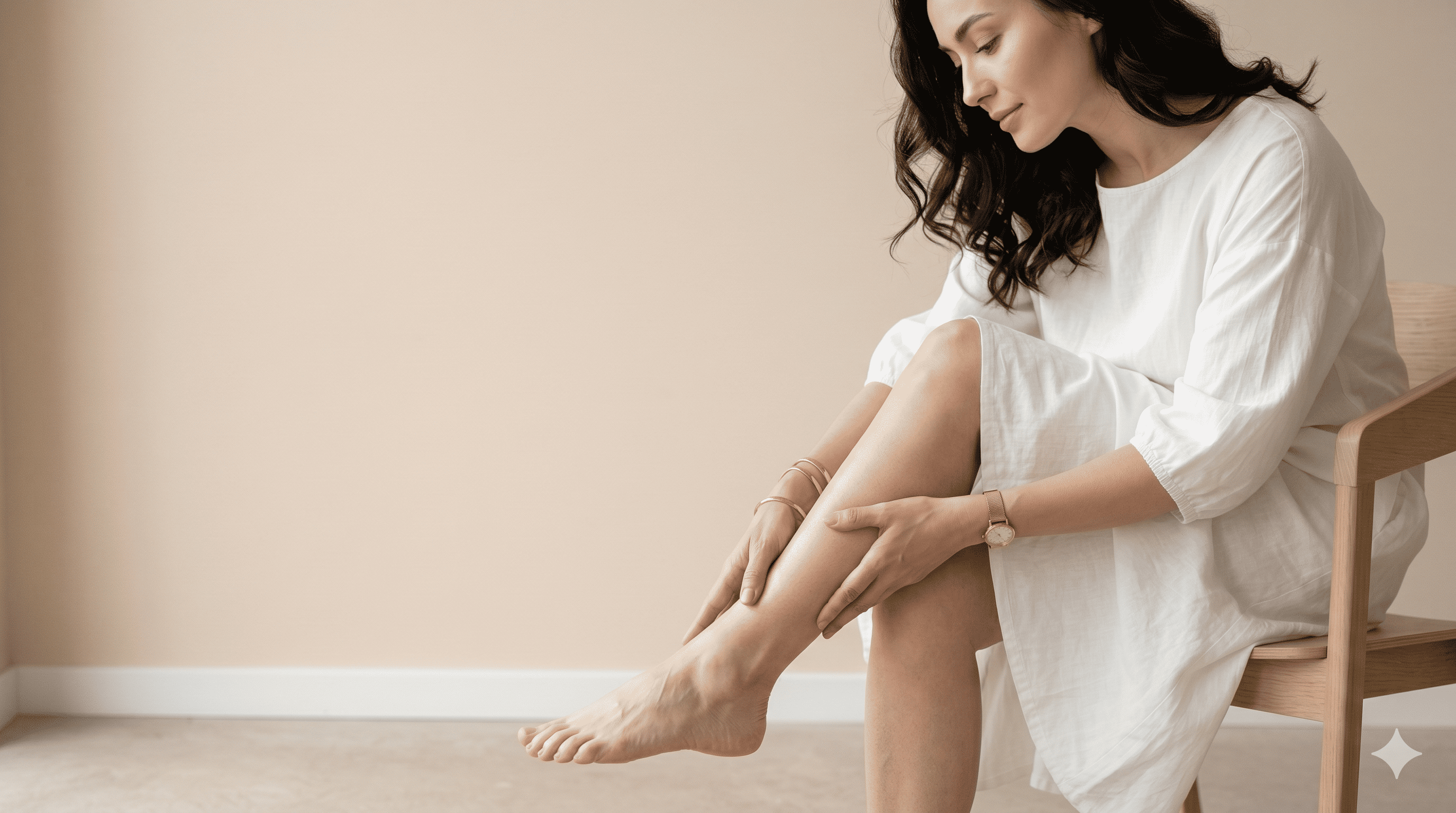
Water retention corresponds to an accumulation of fluids in the tissues, causing swelling particularly in the legs, stomach, or fingers.
It can be linked to several factors, such as hormonal fluctuations (excess estrogen), a high-salt diet, poor circulation, or certain periods like pregnancy or menopause.
Adopting certain habits can help reduce it, such as proper hydration, regular walking, draining self-massages, or exercises that promote lymphatic circulation.
Diet also plays a key role, favoring foods rich in fiber and antioxidants (cruciferous vegetables, seeds, red berries) and limiting ultra-processed products and alcohol.
What is Water Retention?
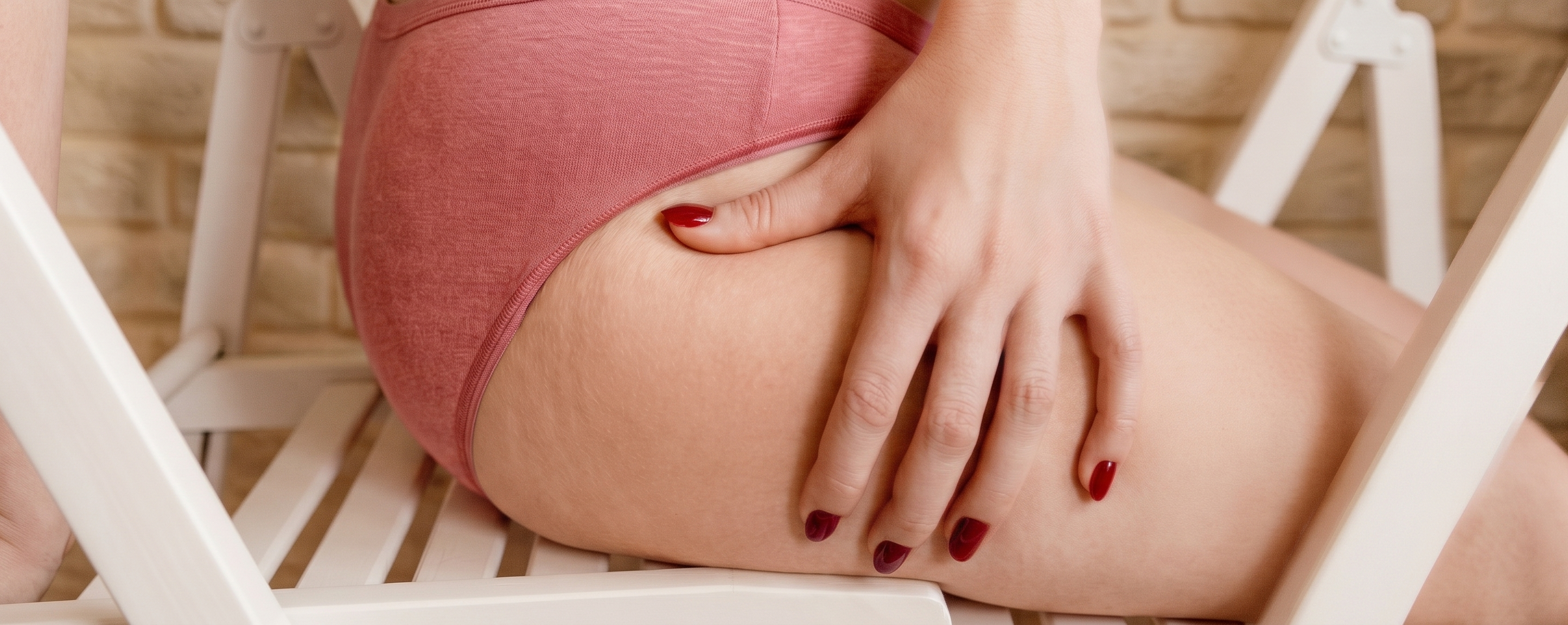
Water retention occurs when there is an accumulation of water in the body's tissues, leading to swelling. It appears mainly in the fingers, thighs, stomach, and legs.
Water retention, often linked to an excess of estrogen, can be a real source of discomfort. Here are some practical tips to better understand this phenomenon and learn how to relieve it.

The Causes of Water Retention
Several factors can contribute to water retention:
- Hormonal Imbalance:
Hormonal fluctuations, particularly an excess of estrogen, can encourage water retention. This is common during certain periods such as menstruation or menopause.
- Diet:
Excessive consumption of sodium (salt) can lead to water retention. Similarly, an unbalanced diet can influence how the body manages fluids.
- Prolonged Posture:
Standing or sitting for too long can disrupt blood circulation and promote the accumulation of fluids.
- Circulatory Problems:
Certain circulation disorders, such as venous insufficiency, can contribute to water retention.
- Pregnancy:
Hormonal changes and weight gain can heighten the risk of water retention in pregnant women.
- Medications:
Certain medications, such as antidepressants or anti-inflammatories, can have the side effect of promoting water retention.
Excess Estrogen: The Link to Water Retention
Estrogens, essential hormones for the smooth functioning of the female body, play a key role in many physiological processes. However, an excess of these hormones can disrupt the body's fluid balance and contribute to water retention. This often occurs during periods of high hormonal sensitivity, such as menstruation or menopause.
Several factors can lead to an excess of estrogen: natural hormonal fluctuations, thyroid disorders, or exposure to endocrine-disrupting chemicals present in the environment.

How to Relieve Water Retention Naturally?
Hydration:
Make sure to drink enough water throughout the day. This helps keep fluids moving in the body, which is essential for proper lymphatic circulation.
Regular Walking:
Walking is an excellent way to activate lymphatic circulation. Try to walk regularly, maintaining a dynamic pace.
Draining Self-Massage:
Simple self-massage techniques can stimulate lymphatic circulation and reduce water retention. Use slow, circular motions with the palms of your hands, particularly around the ankles, knees, and thighs.
To amplify the effects of self-massage, [MY] Happy Cycles Body Serum is formulated specifically for this use. Certified organic, it combines draining, decongesting, and soothing active ingredients to complement drainage techniques and promote circulatory comfort.
Its composition relies on natural ingredients with complementary properties:
- Arnica montana, recognized for its calming and soothing virtues by the WHO, is a valuable ally in case of discomfort and tension.
- Ginkgo biloba, rich in antioxidants, supports circulation and exerts a natural draining action.
- Immortelle hydrosol helps tone circulation and soothe skin discomfort.
- Licorice extract licorice provides a decongesting and antioxidant action.
Certified organic care. To be used alongside a balanced lifestyle.
Leg Elevation Exercises:
Lie on your back and position your legs vertically against a wall for a few minutes. This helps drain lymph from the legs back toward the upper body.
Complementary Therapies:
Complementary approaches like acupuncture can support circulatory comfort and contribute to an overall sense of well-being for some women. They do not replace medical advice.
Foods to Focus On and to Avoid:
Cruciferous vegetables like broccoli, cauliflower, and Brussels sprouts should be prioritized to help regulate estrogen levels and prevent water retention.
They are rich in sulfur compounds that assist the liver in efficiently metabolizing estrogen.
Additionally, flax and chia seeds are valuable sources of omega-3s and lignans, which support hormonal balance.
Red berries are packed with antioxidants and fiber, contributing to better hormonal regulation.
Conversely, it is essential to limit the consumption of foods high in refined sugars and saturated fats. Alcoholic beverages and ultra-processed products should also be avoided, as they can disrupt hormonal function and promote water retention.
Physical Activity and Gentle Detox:
Regular physical activity, combined with gentle detox methods, can help alleviate the symptoms of water retention.
Addressing Underlying Hormonal Balance:
Hormone-related water retention often stems from an imbalance between estrogen and progesterone. Supporting this balance daily means addressing the root cause of the discomfort rather than just its outward signs.
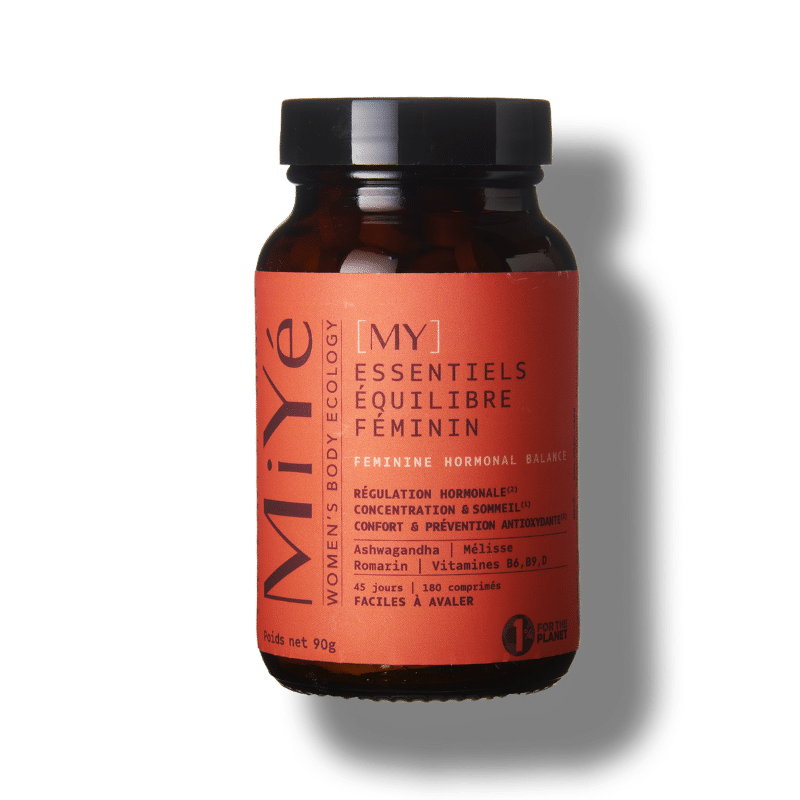
[MY] Women's Balance Essentials is formulated to support overall hormonal balance throughout the cycle. Its natural active ingredients target physical discomforts frequently associated with estrogen fluctuations: heaviness, bloating, and cyclical fatigue.
It is taken as a regular course of treatment, ideally combined with the dietary adjustments and drainage techniques outlined in this article.
Dietary supplement. Does not substitute for medical advice.
Conclusion
By understanding the link between water retention and excess estrogen, you now possess simple yet effective keys to significantly improve your quality of life.
By integrating these dietary choices into your daily life, you can actively contribute to better hormonal balance and reduce the discomforts linked to water retention. Let's not forget the importance of self-massage, a practice that can truly help stimulate lymphatic circulation and reduce swelling.
Discover our dietary supplement courses specially formulated to promote hormonal balance and overall well-being.
Sources
- ANSES (2021) — Endocrine disruptors and hormonal imbalances: scientific and regulatory data
- Stachenfeld N.S. (2008) — Sex hormones and fluid volume regulation
- French Society of Phlebology — Venous insufficiency and water retention: risk factors and management


![[MY] SMOOTHING BODY MASSAGE SERUM](http://www.miye.care/cdn/shop/files/Visuels_shop_82.png?v=1773304790&width=1000)
Share:
Menopause and Water Retention: Causes and Natural Solutions
Can You Exercise During Your Period? Benefits and Tips