









Key Takeaways
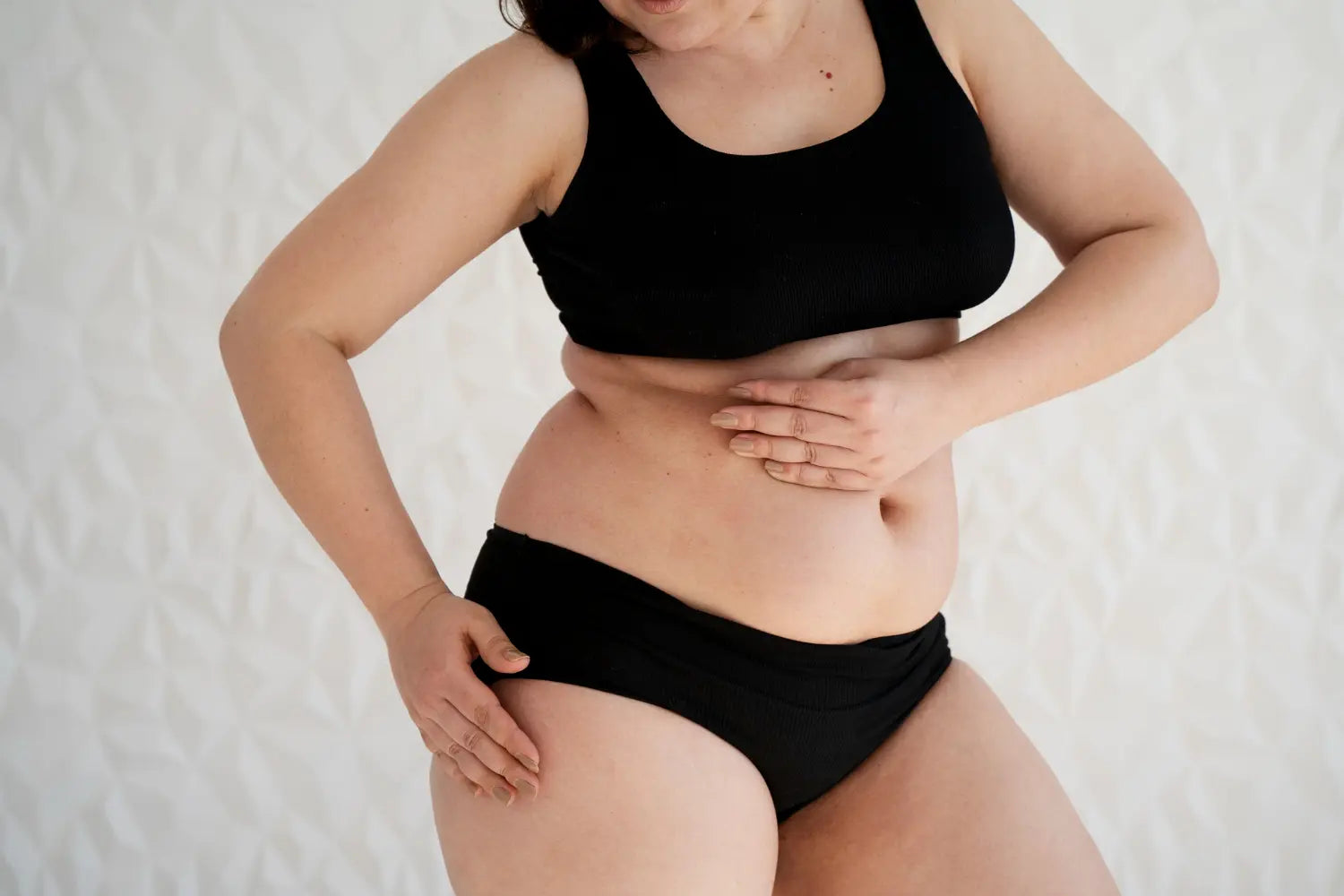
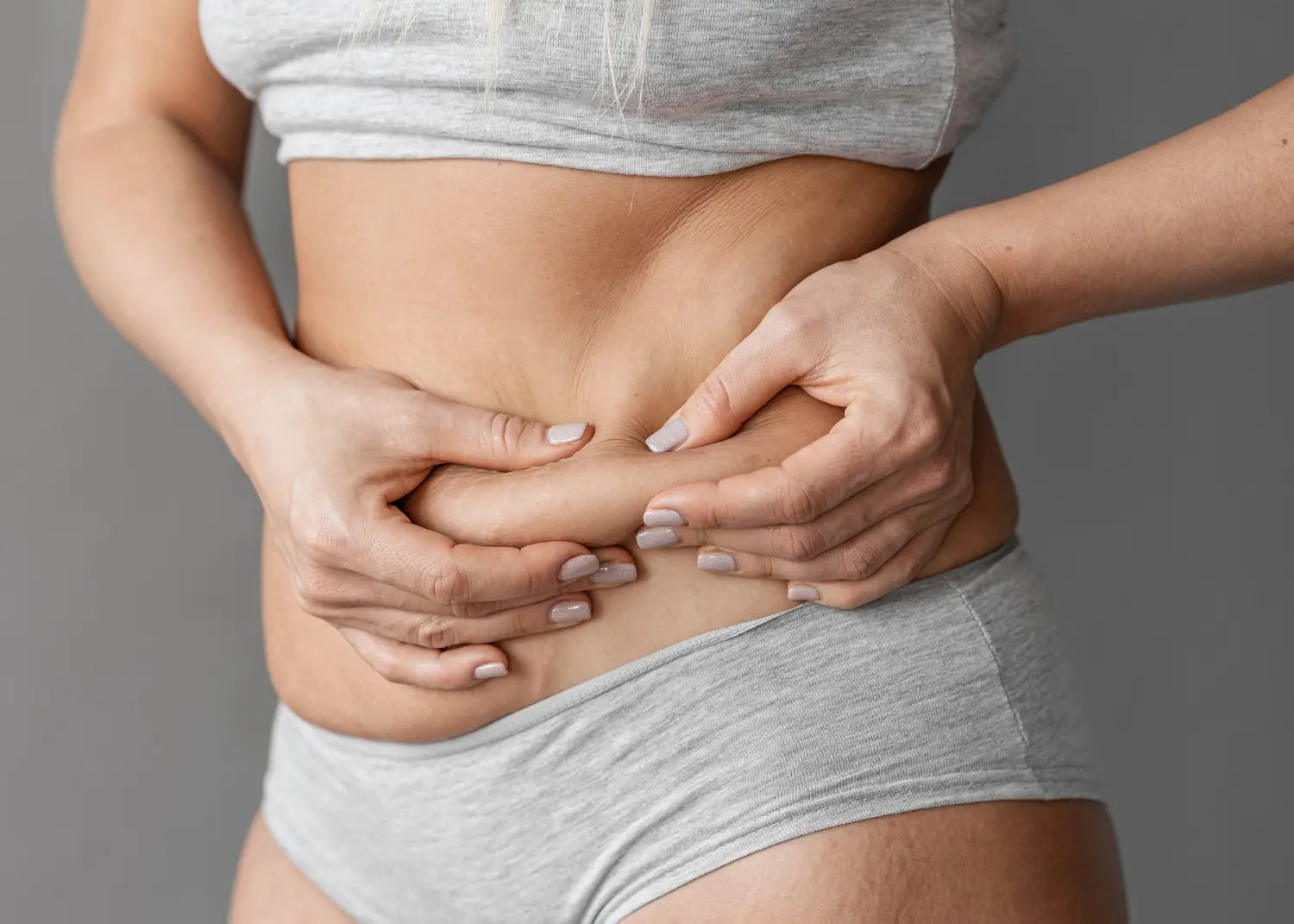
A bloated belly during your period is very common and linked to hormonal fluctuations.
It is not the uterus that swells, but primarily the intestine.
Three primary causes: High progesterone → Estrogen dominance → Hormonal impact on digestion.
Bloating 5 to 7 days before your period is normal; sometimes lasting up to 10–14 days.
Why Does the Belly Swell Before or During Your Period?
To understand this phenomenon, we must first look at the constant communication between your hormones and your digestive system. It is not the uterus that swells, but rather your intestine reacting to hormonal fluctuations. A bloated belly and hormones are tightly linked!
Three major mechanisms explain this swelling:
1. Drop in Progesterone and Sluggish Transit
Before your period, progesterone peaks to prepare the body for a potential pregnancy and to keep the uterus relaxed. In parallel, it slows down your intestinal transit. Food and gas stagnate, ferment, and create that feeling of bloating and a bloated, hard belly. This sluggishness can even cause constipation, adding to your discomfort.
2. Estrogen Fluctuations and Water Retention
During the luteal phase, if estrogen remains high relative to progesterone, your lymphatic system doesn't filter as effectively, and your capillaries become more permeable. As a result, water accumulates in the tissues, giving you the feeling of a heavier abdomen and sometimes leading to slight weight gain. Fortunately, this excess fluid is generally eliminated during the first few days of your period.
3. Global Impact on the Digestive System
Hormones influence receptors in your small intestine and colon: they modify mucus secretion, contractions, and the permeability of the intestinal walls. This combination promotes gas accumulation and water retention, reinforcing the swelling. If you already suffer from poor blood circulation, these symptoms can sometimes intensify.
PMS and Bloating: What Is the Link?
Premenstrual Syndrome (PMS) is not limited to irritability or sugar cravings. It amplifies your bloating and water retention, affecting nearly 75% of women. The hormonal imbalance disrupts gut flora, increases sensitivity to gas, and can combine with a drop in serotonin that makes your digestive system more reactive, potentially causing a hormonal belly.
You may experience abdominal pain, weight gain from fluid retention, or even alternating diarrhea and constipation. For women with endometriosis, this combination can mimic a chronic "endo belly." Identifying these symptoms and their timing helps you better anticipate and soothe your discomfort.
Bloated Belly a Week Before Your Period: Should You Be Worried?
Swelling that lasts 5 to 7 days before your period arrives is generally normal. This is the time it takes for your hormones to shift and your body to rebalance fluid circulation. Sometimes, these symptoms can last up to two weeks if your PMS phase is extended, but this remains mostly physiological.
On the other hand, if this bloating persists outside your cycle, is accompanied by intense pain, unusual bleeding, or extreme fatigue, it is best to consult a healthcare professional to ensure there are no underlying conditions like endometriosis or irritable bowel syndrome (IBS).
Periods, Hormones, and Digestion: A Fragile Balance
The transition to your period alters your digestion: when progesterone drops, released prostaglandins cause contractions in both the uterus and the colon, occasionally explaining menstrual diarrhea. Estrogens, meanwhile, influence the production of intestinal serotonin, making your lining more sensitive. Your flora can also be destabilized, encouraging gas formation and increased permeability.
These hormonal variations make your transit unpredictable, switching between slowing down and accelerating, which worsens discomfort if you are already prone to cramps or digestive issues.
What Can Worsen a Bloated Belly During the Cycle
Certain habits accentuate your bloating. Try to limit:
- Foods rich in fast sugars and FODMAPs (cabbage, onions, lentils) that ferment in the gut.
- Excess salt, which worsens water retention.
- A bloated belly linked to chronic stress, which disrupts flora and intestinal permeability.
- A lack of physical activity, which further slows down transit.
- A lack of sleep, which contributes to hormonal imbalance and heightened sensitivity.
- Alcohol, which irritates the lining and produces gas.
- Irritable Bowel Syndrome (IBS), whose symptoms can be exacerbated by your hormones.
What to Do to Deflate Your Belly During Your Period?
An Adapted Diet
Opt for a diet that soothes the lower abdomen, rich in potassium (bananas, tomatoes, asparagus, salmon) to balance fluids. Incorporate ginger, fennel, white rice, cooked zucchini, and probiotics (kefir, fermented yogurt) to ease digestion without excessive fermentation.
Hydration
Drink 1.5 to 2 liters of water daily, pure or infused with lemon, to help your body flush out excess fluid. Warm herbal teas (chamomile, peppermint) soothe the digestive system.
Digestive Plants
Peppermint, chamomile, or fennel infusions relax intestinal muscles and relieve gas. Fresh turmeric and ginger provide a natural anti-inflammatory effect.
Breathing and Relaxation
A few minutes of abdominal breathing (inhaling through the nose while expanding the belly, exhaling through the mouth) calms the nervous system and gently massages your intestines. A short walk after meals can also stimulate transit.
Dietary Supplements
Formulas based on fennel, probiotics, or magnesium can support your flora, reduce spasms, and help deflate your belly quickly during the menstrual phase.
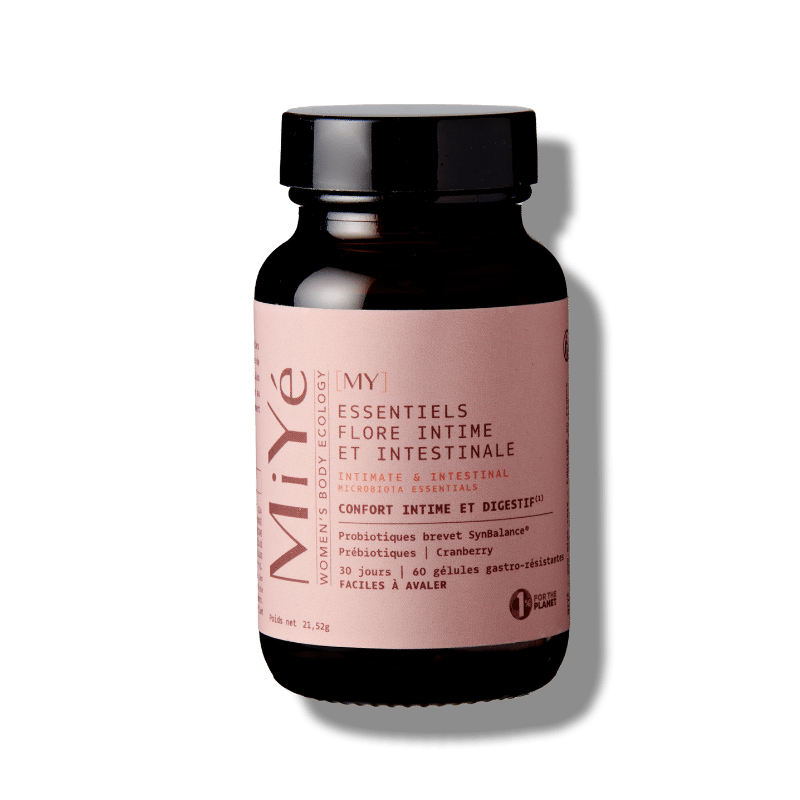
[MY] ESSENTIALS INTIMATE AND INTESTINAL FLORA provides targeted support to the microbiota, whose balance can be weakened by the hormonal fluctuations of the cycle. Its formula, based on lactobacillus strains, helps preserve digestive and intimate comfort daily.
[MY] FEMALE REBOOT DUO acts in synergy on underlying hormonal balance to support women whose cyclical discomforts are linked to estrogen dominance or a pronounced PMS.
These dietary supplements are not a substitute for medical advice.
FAQ
Is it normal to have gas before your period?
Yes, it is common: progesterone slows down transit, allowing gas to ferment in the colon. Most women regain digestive comfort as soon as their period starts.
Can PMS cause a bloated belly?
Exactly: PMS accentuates bloating by disrupting the flora and making your intestines more sensitive. Symptoms typically occur 1 to 2 weeks before your period.
What should I do when my belly is bloated during my period?
Opt for an anti-gas diet (rice, bananas, herbal teas), move gently to reactivate transit, and wear loose clothing. Peppermint infusions act as natural antispasmodics.
How long does cycle-related bloating last?
In general, it subsides within 5 to 10 days, spanning from the luteal phase to a few days after your period begins. If it lasts longer than 15 days, consider consulting a doctor.
Can a bloated belly before your period be linked to PMS?
Yes, and it is actually one of the most common discomforts of Premenstrual Syndrome. Hormonal fluctuations in the luteal phase, particularly the relative dominance of estrogen over progesterone, encourage water retention and slow down transit. This bloating is part of the classic PMS profile and typically eases during the first few days of your period.
SOURCES:
- Inserm (2021) — How does psychological stress cause digestive disorders?
- Vidal (updated 2024) — Irritable Bowel Syndrome
- Sex hormones and gastrointestinal motility: role of progesterone and estrogen on transit — Bäckström T. et al. (2021)
![[MY] FEMALE REBOOT DUO](http://www.miye.care/cdn/shop/files/65.png?v=1756393578&width=1080)
Share:
Why do we talk about the "big belly syndrome" in women ?
Indigestion: Natural and effective home remedies