

RASPBERRY LEAVES
Raspberry leaves, from the Rubus idaeus plant, are known for their medicinal properties and have been used for centuries in herbal medicine, particularly for their specific benefits for women's health. Here are the main benefits attributed to this natural ingredient: helps relieve the famous menstrual cramps, contributes to toning the reproductive system, particularly the uterus, helps regulate menstrual cycles.
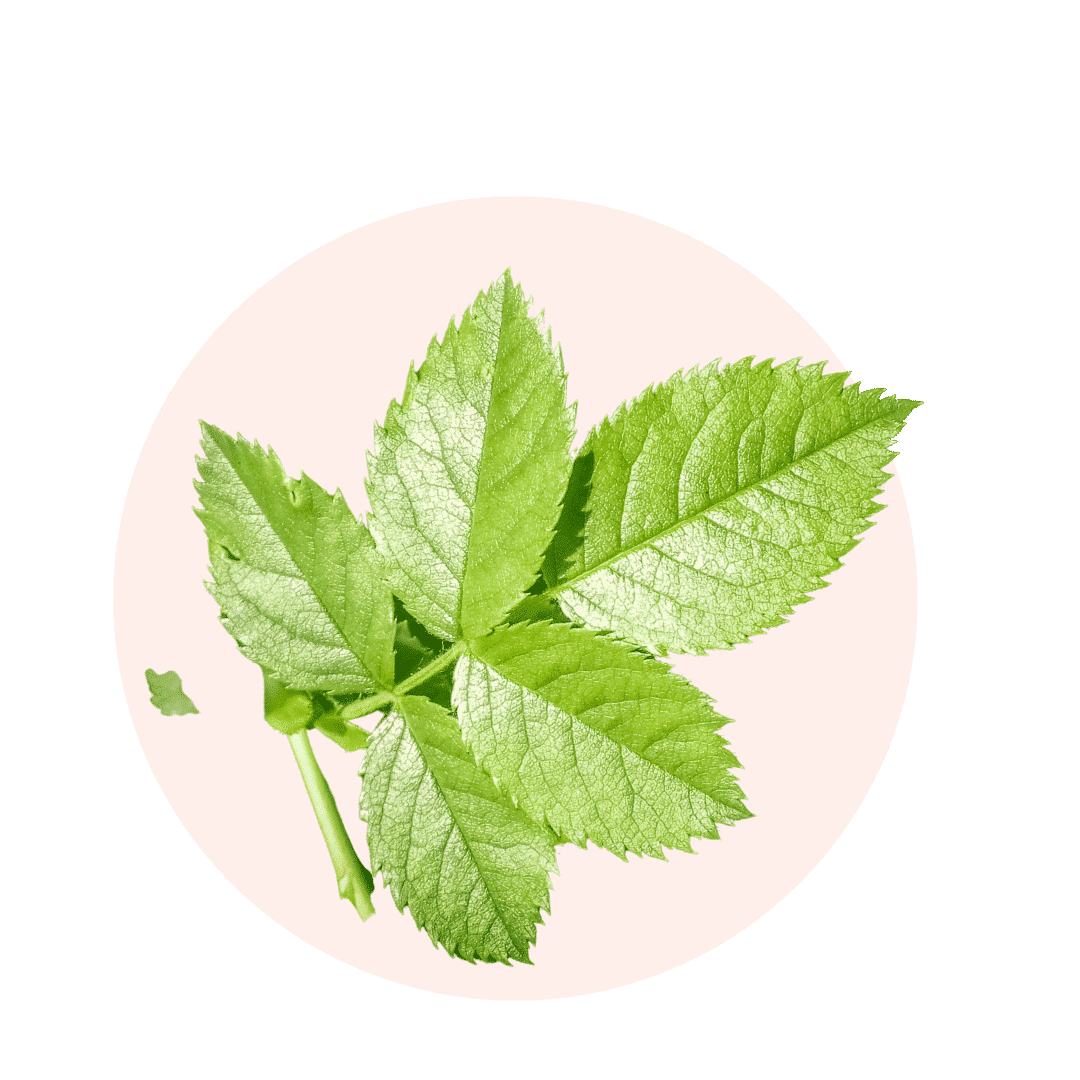

RASPBERRY LEAVES
STIMULATES ⎪ TONES ⎪ PROTECTS
What are raspberry leaves?
The raspberry leaves, from the plant Rubus idaeus, are known for their medicinal properties and have been used for centuries in herbal medicine, particularly for their specific benefits for women's health. The raspberry is a shrub native to Europe and northern Asia, but today cultivated throughout the world. Unlike its sweet red fruits, the leaves are rich in nutrients and bioactive compounds with beneficial properties for the body.
In herbal medicine, raspberry leaves are often used to support the female reproductive health, particularly because of their tonic effect on the muscles of theuterus. They are also known to promote comfort during the menstrual cycle.
What’s better than the “plant of femininity” to help you through hormonal storms during your cycles?
Indeed, raspberry leaves have been used for millennia for the well-being of women : tone the uterus, stimulate fertility and even promote labor naturally during childbirth! They also help soothe period pain and regulate the menstrual cycle. These leaves are rich in vitamins C and E, in potassium and even in calcium.
As a natural source of tannins, raspberry leaves may also help strengthen tissues and blood vessels, supporting healthy circulation. Their astringent action helps reduce excessive bleeding during periods.
Where do raspberry leaves come from?
The raspberry is a plant that grows naturally in the forests and temperate regions of Europe, northern Asia and North America. The leaves are harvested when the plant is in full growth, often in spring and summer, because it is at this time that they concentrate the most active ingredients. They are then dried and used to prepare infusions, extracts or capsules.
Since ancient times, raspberry leaves have been used by various cultures for their medicinal benefits, particularly for women's health care. European and Native American herbalists used them to relieve sore throats, strengthen the body's defenses and, above all, improve menstrual comfort and support well-being during pregnancy.
Properties and active ingredients:
Raspberry leaves contain several bioactive compounds that give them their therapeutic properties. The main active ingredients are:
- Fragrine : An alkaloid that acts as a tonic on the muscles of the uterus, thus promoting better menstrual comfort and preparing the body for childbirth.
- Tannins : Raspberry leaves are rich in tannins, which have astringent properties, helping to soothe inflammation and reduce certain types ofdigestive discomfort.
- Flavonoids : These natural antioxidants protect the body's cells against oxidative damage and strengthen natural defenses.
- Vitamins and minerals : Raspberry leaves are a natural source of vitamins C, E and B, as well as minerals such as calcium, magnesium and iron, contributing to general well-being.
Its benefits:
Raspberry leaves offer various health benefits, especially for feminine comfort. Here are the main benefits attributed to this natural ingredient:
- Help relieve the famous menstrual cramps
- Help to tone the reproductive system, particularly the uterus
- Help regulate menstrual cycles
- Supporting female reproductive health : Raspberry leaves are known for their ability to tone the muscles of the uterus thanks to fragrin. This makes them particularly popular with pregnant women in the final weeks of pregnancy, as they could help prepare the body for childbirth. They are also used to reduce menstrual pain and cramps.
- Soothing digestive disorders : The tannins present in raspberry leaves have astringent properties that help soothe digestive disorders, such as diarrhea and intestinal inflammation. Raspberry leaf infusions are often used to improve digestive comfort.
- Anti-inflammatory and antioxidant effects : Thanks to flavonoids and other antioxidants, raspberry leaves protect cells against oxidative stress and reduce inflammation, thus supporting general well-being and natural defenses.
- Source of vitamins and minerals : The content of essential vitamins and minerals (including calcium and iron) in raspberry leaves helps strengthen the immune system, support bone health and maintain daily energy.
How to consume raspberry leaves?
Raspberry leaves can be consumed in several forms:
- Infusion : This is the most common form of consumption. To prepare an infusion, steep 1 to 2 teaspoons of dried leaves in a cup of hot water for about 10 minutes. The infusions can be consumed up to three times a day, especially before and during menstruation, or at the end of pregnancy.
- Capsules or tablets : For those who prefer a more practical intake, raspberry leaves are available as food supplements, in the form of capsules or tablets. Follow the dosage recommendations indicated on each product.
- Liquid extracts : Liquid extracts are another option, with a more concentrated dosage and rapid absorption. These extracts can be taken alone or added to a drink.
Note : Although raspberry leaves are generally considered safe, it is recommended that pregnant women not consume them before the last trimester of pregnancy without medical advice, and that people with hormonal disorders or specific health conditions consult a healthcare professional before using them.
Any side effects?
Raspberry leaves are well tolerated in most cases, but some adverse effects may occur, especially in cases of overdose or individual sensitivity. The main potential side effects include:
- Mild digestive problems : In large doses, raspberry leaves can cause nausea or stomach upset in some people. These effects are rare and often transient.
- Uterine stimulations : Due to their tonic effect on the uterus, raspberry leaves are generally not recommended during early pregnancy. They should be consumed with caution and under medical supervision during pregnancy, particularly during the first and second trimesters.
- Interactions with medical treatments : People undergoing specific treatments, particularly for hormonal disorders, should consult their doctor before consuming raspberry leaves, as they may interact with certain medications.