







Key takeaways
Fatigue during periods is hormonal: the sudden drop in estrogen and progesterone at the end of the cycle reduces energy (up to -30%) and affects around 75% of women.
The cycle directly influences your energy: there is a boost during the follicular phase and ovulation, then a drop during the luteal and menstrual phases — it is normal to feel more tired at that time.
Hormones also affect mood: the drop in estrogen/progesterone lowers serotonin (up to -40%), leading to fatigue, irritability, and difficulty concentrating.
Physical factors make fatigue worse: iron loss (→ risk of anemia), menstrual pain, and disturbed sleep further reduce energy and recovery.
There are ways to better manage this time: a diet rich in iron/magnesium, gentle activity (walking, yoga), hydration, and possibly herbs or supplements can reduce fatigue by up to 30%.
Periods and fatigue: a hormonal signal
Each month, our body follows a precise hormonal rhythm. According to a 2020 study published in the Journal of Clinical Endocrinology & Metabolism, nearly 75% of women experience a noticeable drop in energy during their period. This fluctuation is explained by the rapid drop in estrogen and progesterone at the end of the luteal phase, which leads to an average 30% reduction in the feeling of vitality. For some women, this fatigue linked to menopause can also intensify hormonal fluctuations.
Understanding the 4 phases of the cycle and their effects

The menstrual cycle is divided into four stages:
- Follicular phase (around 10–14 days): a gradual rise in estrogen, promoting energy and concentration.
- Ovulation (24–48 h): a hormonal peak with estrogen levels 200% higher than in the baseline phase.
- Luteal phase (12–16 days): progesterone rises by up to 150% and then drops sharply, just like estrogen.
- Menstrual phase (3–7 days): the hormonal drop reaches its maximum, leading to an overall decrease in energy.
Progesterone, estrogen, and serotonin: the key trio
Progesterone and estrogen directly influence serotonin synthesis, the feel-good hormone. During the luteal and menstrual phases, their decline can lower serotonin levels by 20% to 40%, according to a 2019 review in Neuroendocrinology. This hormonal drop is characteristic of premenstrual syndrome.
These hormonal imbalances result in:
- Increased fatigue (70% of women report greater sleepiness).
- Mood swings and lower motivation.
- Reduced concentration.
Underlying physical mechanisms
Beyond hormones, several physiological factors make menstrual fatigue worse:
1. Iron loss and risk of anemia
The average blood loss during periods is 30–40 mL, which can lead to a loss of 15–20 mg of iron. According to the WHO, 25% of women of reproductive age have iron deficiency, a source of fatigue, shortness of breath, and weakness.
- Recovery of iron stores: up to 4 weeks.
- 10–15% lower muscle and brain oxygenation.
- Reduced endurance and cognitive performance.
2. Menstrual pain (dysmenorrhea)
Nearly 50% of women experience moderate to severe cramps (American College of Obstetricians and Gynecologists, 2018). Uterine contractions place continuous strain on the nervous system, generating mild but cumulative chronic stress. Adopting positions to relieve cramps, such as lying on your side with your knees bent, can significantly reduce discomfort.
- Constant muscle tension, limiting relaxation.
- Difficulty concentrating and managing emotions.
- Impact on sleep and mood.
3. Altered sleep quality
Hormonal fluctuations and pain disrupt sleep: 40% of women report fragmented sleep during their cycle (Sleep Health Journal study, 2021). This results in fewer deep sleep phases and waking up feeling unrested.
- Increase in micro-awakenings (up to 3 per night).
- 25% increase in daytime sleepiness.
- Reduced physical and mental recovery between cycles.
How to fight menstrual fatigue?
Foods to recharge your batteries
A suitable diet can reduce the feeling of fatigue during periods by up to 30% (Nutrition Research Reviews, 2019). In addition, it can be helpful to watch symptoms such as bloating before periods, often linked to water retention or digestive sensitivity.
- Iron : lentils (3 mg/100 g), chickpeas (2.9 mg), spinach (2.7 mg), red meat (2.5 mg), dried apricots (3.6 mg).
- Magnesium : cocoa (500 mg/100 g), nuts and almonds (270 mg), green vegetables (80 mg), buckwheat (200 mg).
- Vitamins B and C: citrus fruits, kiwi, peppers, and colorful vegetables to support iron absorption.
- Hydration : 1.5–2 L of water per day, chamomile or ginger herbal teas to relax muscles.
- To limit : ultra-processed foods, excess caffeine, and fatty or overly salty foods.
Adapt your pace and stay active
Moderate physical activity can reduce cramp intensity by 20% (British Journal of Sports Medicine, 2017). Choose a physical activity during periods that matches your energy at the time, such as gentle yoga or walking, to promote better well-being.
- Short walks or gentle walks outdoors.
- Gentle yoga and targeted stretching to release pelvic tension.
- Breathing breaks: 5 minutes of coherent breathing, 3 times a day.
- Light activities: easy cycling, gentle swimming.
- Listen to your body and adapt without guilt.
Natural solutions to fight menstrual fatigue
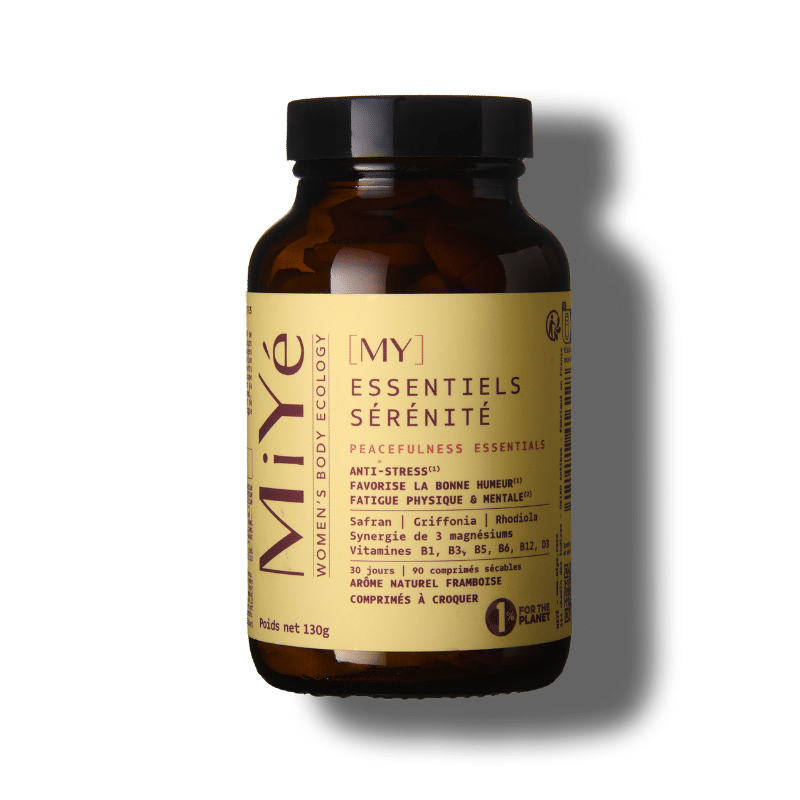
[MY] Essentiels Serenity
The supplement [MY] Essentiels Serenity is designed to target one of the main causes of menstrual fatigue: stress and emotional fluctuations. By supporting the balance of the nervous system (mood, sleep, concentration), it helps limit the exhaustion often felt before and during periods. By helping calm cortisol spikes and mental tension, it promotes a lasting state of calm, which is essential for preserving energy throughout the cycle.
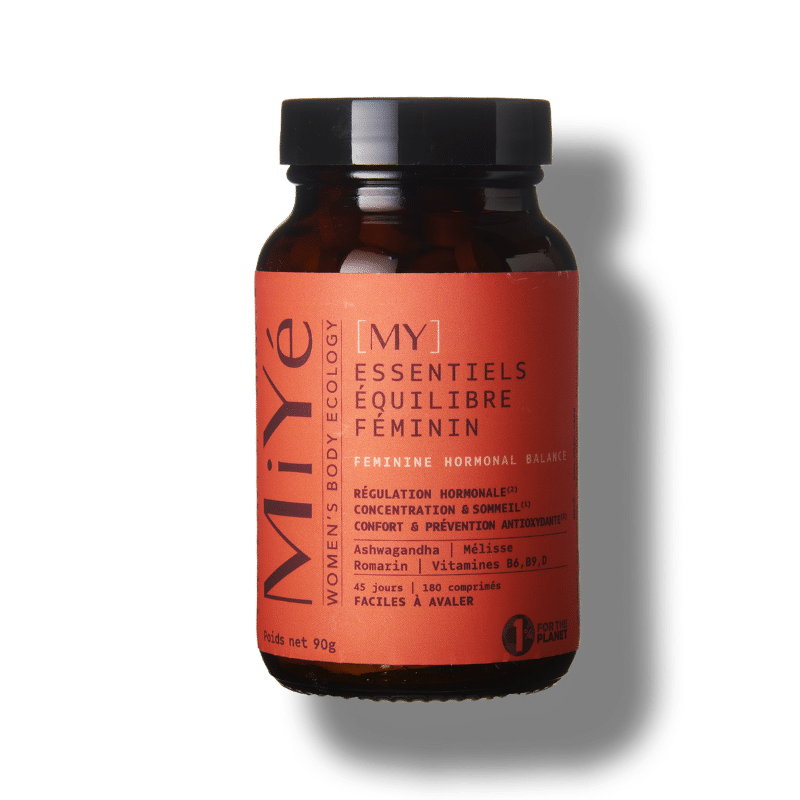
[MY] Female Balance
With [MY] Female Balance, the goal is to act deeply on hormonal balance, which is often at the root of cyclical fatigue.
By supporting hormonal fluctuations, this supplement helps improve overall comfort (fatigue, discomfort, energy variations) and stabilize the body in the long term.
Result: a more harmonious cycle and better-regulated energy throughout the month, including during periods.
[MY] Matcha Latte Essential Metabolism Activator
The [MY] Matcha Latte Essential Metabolism Activator works thanks to a synergy of active ingredients such as matcha, magnesium, and L-carnitine. It provides stable, long-lasting energy without a spike in nervousness, unlike coffee, while supporting metabolism and stress management.
This functional drink therefore helps fight the frequent drops in energy experienced during periods, by bringing vitality, concentration, and serenity from the very start of the morning.
Frequently asked questions about periods and fatigue
Is it normal to feel exhausted during your period?
Yes: 80% of women report moderate to severe fatigue around the menstrual cycle. If it disappears within 3–4 days, it is generally considered physiological.
Are dietary supplements safe?
A nutrient-rich diet should remain the priority. In the case of a confirmed deficiency, a professional may recommend an iron or magnesium supplement. Always follow the prescribed doses to avoid any imbalance.
How can you tell the difference between normal fatigue and a health issue?
Normal fatigue is cyclical and naturally fades. If it becomes extreme, persists for more than two cycles, or is accompanied by dizziness or very heavy periods (> 80 mL), consult a doctor to rule out anemia or another condition.
Can diet make supplements unnecessary?
A balanced diet provides up to 70% of the recommended iron and magnesium intake. However, in the case of a marked deficiency, targeted supplementation under medical supervision may be necessary.
By combining these strategies (nutrition, adapted activity, natural support, and possible supplements), you can go through your period with more serenity and energy, while respecting your rhythm and overall well-being.
Sources
- Fatigue and PMS: why are your batteries drained before your period? https://laboratoire-ccd.fr/fatigue-et-spm-pourquoi-vos-batteries-sont-a-plats-avant-vos-regles/
- Why do you feel tired during your period? https://lapause.jho.fr/article/la-fatigue-pendant-les-regles/
- Premenstrual syndrome: symptoms and natural solutions https://www.passeportsante.net/fr/Maux/Problemes/Fiche.aspx?doc=syndrome-premenstruel

![[MY] MATCHA LATTE ACTIVATEUR DE MÉTABOLISME](http://www.miye.care/cdn/shop/files/Packshots_nouvautes_6c4e755f-923b-4b51-a0a8-d344e7946c6a.png?v=1759736647&width=1080)
Share:
Why are my periods getting worse ? Causes and natural solutions
What do the different colors of your period mean ? Understanding your flow