






SUMMARY
- What to Remember
- What Is Acid-Base Balance During Menopause?
- Why Acidosis Triggers Bone and Muscle Loss
- Natural Solutions: Alkalizing Plant Foods
- From Acid-Base Balance to Other Metabolic Losses
- Understanding Silent Metabolic Losses
- How to Help Counter Metabolic Acidosis and Bone Loss?
- Bonolive®: A Patented Active Ingredient for Bone Formation
- [MY] ESSENTIALS BONES, SKIN & JOINTS
- : Supporting the Three Pillars



What to Remember
-
Acid-base balance is the invisible domino: the drop in estrogen changes your kidneys' ability to regulate acidity, triggering a cascade of bone and muscle loss.
-
Bone density declines rapidly: after menopause, women can lose up to 20% of their bone density within 5 to 7 years [1].
-
Collagen production collapses: skin collagen production drops by up to 30% within the first five years of menopause [2].
-
Muscle mass erodes quickly: women can lose up to 10% of their muscle mass within 5 years of menopause [20].
To help restore this balance, three fundamental pillars:
-
Restoring acid-base balance through diet and micronutrition
-
Reducing systemic inflammation with targeted antioxidants
-
Supporting bone mineralization with vitamin D3 and vitamin K2
You've noticed you get out of breath faster climbing the stairs. Or that your skin feels less firm. Or that small joint aches keep piling up. You have the feeling something is changing, but it's hard to put a name on it.
These subtle signals are the visible edge of a major physiological reality: silent metabolic losses. During menopause, your body goes through profound transformations that aren't obvious at first, but that affect your bones, your muscles, your skin, and even the chemical balance of your tissues. These changes don't shout, they whisper. And that's exactly why they matter to understand.
What Is Acid-Base Balance During Menopause?
To understand what's really happening, we first need to talk about a simple but essential chemical reality: your body's acid-base balance.
Your blood must maintain a very precise pH, between 7.35 and 7.45. That's incredibly strict. The slightest shift toward acidic or alkaline creates a hostile environment where your cells can't function properly. Your body depends entirely on this balance to survive and thrive.
Before menopause, estrogen plays a quiet but fundamental role: it helps your kidneys maintain this chemical precision. It's a constant, invisible physiological job. Your kidneys filter your blood continuously, regulate minerals, and eliminate the acids produced by your metabolism. Estrogen supports this orchestration.
But when estrogen disappears at menopause, this regulation becomes disorganized. Your body gradually loses its ability to control blood pH. The result: a mild, chronic acidosis sets in. Not a severe acidosis (which would put you in immediate danger), but a slow, progressive drift toward greater acidity. This is where the cascade of silent metabolic losses truly begins.
Why Acidosis Triggers Bone and Muscle Loss
When your blood becomes slightly acidic, your body reacts chemically. It has one immediate lever to neutralize this acidity: it draws calcium from your bones. Calcium acts as a chemical buffer, neutralizing acids. Mathematically simple, biologically devastating.
Your bones gradually, imperceptibly demineralize, year after year. It's a silent process: no pain, no visible symptom, until the day an ordinary fall reveals an unexpected fracture.
But that's not all. Acidosis also favors muscle breakdown. An acidic environment creates conditions in which muscle proteins degrade faster, the synthesis of new proteins slows down, and mitochondria (the energy powerhouses of your cells) work less efficiently. More acidic literally means: less strength, less mobility, less endurance.
This is the invisible domino effect: acidosis triggers bone loss, bone loss increases fracture risk and reduces mobility, reduced mobility accelerates muscle loss, muscle loss worsens acidosis. A vicious circle that feeds itself.
Natural Solutions: Alkalizing Plant Foods
The good news? You can help restore this acid-base balance without waiting for medical intervention. Nature offers powerful solutions, directly accessible through food.
Certain foods and plants naturally help alkalize your system by providing alkalizing minerals that your kidneys can use to rebalance blood pH:
Alkalizing citrus fruits: lemons, limes, grapefruits. Counterintuitive? Yes. They contain acids (citric acid), but once your body metabolizes them, they produce alkaline residues. Fresh lemon juice in water is one of the simplest and most effective ways to start rebalancing this equilibrium.
Leafy green vegetables: spinach, arugula, lettuce, kale. Rich in magnesium, potassium, and calcium, these vegetables provide directly the alkalizing minerals your kidneys need to buffer acidity.
Cruciferous vegetables: broccoli, cauliflower, cabbage, broccoli rabe. Beyond being alkalizing, these vegetables also contain anti-inflammatory compounds that help reduce the systemic inflammation triggered by acidosis.
Berries and red fruits: blueberries, raspberries, strawberries. Alkalizing and rich in antioxidants, they help protect your cells from the oxidative stress accelerated by acidosis.
Seeds and nuts: pumpkin seeds, almonds, flaxseed. Sources of magnesium and potassium, two key alkalizing minerals.
Eating these foods regularly is the first step. But for many women in perimenopause and menopause, diet alone isn't enough. The acidosis may be too advanced, or long-standing eating habits too entrenched. This is where targeted micronutrition comes in: concentrated alkalizing mineral forms, such as calcium citrate, which act directly to help restore this chemical balance by providing the buffers your kidneys can no longer produce on their own.
From Acid-Base Balance to Other Metabolic Losses
Once you start restoring this balance, a positive cascade is set in motion. A blood pH closer to equilibrium means:
-
Your bones are no longer raided to neutralize acidity
-
Your muscle tissue benefits from an environment that's less hostile to protein synthesis
-
Systemic inflammation decreases, slowing down collagen breakdown
-
Your mitochondria can function efficiently again, giving you back energy
But acid-base balance is only the starting point. To truly support your internal architecture during menopause, you need three complementary pillars. Discover them below.
Understanding Silent Metabolic Losses
What's Actually Happening?
Perimenopause and menopause mark a progressive decline, then a disappearance, of estrogen production. This hormone isn't only involved in reproduction: it plays a role in regulating your acid-base balance, calcium absorption, collagen integrity, and the preservation of muscle mass. Without it, a cascade of changes begins silently.
Perimenopause: The Critical Accelerator
Perimenopause often begins between the ages of 40 and 45, well before menopause is confirmed. It's during this transitional period that metabolic losses accelerate dramatically. Hormonal fluctuations create a hostile metabolic environment: mild chronic acidosis begins, inflammation sets in, and the body starts losing its defenses against bone, muscle, and skin degradation.
What's often called "menopause symptoms" (fatigue, joint aches, loss of skin firmness) are actually the first visible signs of a silent metabolic breakdown that began years earlier. This is why acting from perimenopause onward, not only after menopause, is crucial.
Acid-Base Balance: The Invisible Domino
This is where it all starts. Your blood must maintain a very precise pH (between 7.35 and 7.45). Estrogen helps your kidneys carry out this delicate task. When it disappears, blood pH tends to become more acidic, a phenomenon known as mild chronic acidosis [1].
Why is this a problem? Your body dislikes acidity. To neutralize it, it draws calcium from your bones, a chemical process in which calcium ions act as buffers. The result? Your bones gradually demineralize, often without obvious symptoms, until the day a fall reveals an unexpected fracture.
But that's not all. This acidosis also favors muscle breakdown. An acidic blood pH creates an environment where:
-
Muscle proteins break down faster
-
New muscle protein synthesis slows down
-
Mitochondria (the tiny energy factories of your cells) work less efficiently
More acidic literally means less muscle strength.
This is the silent domino effect: acidosis, then bone loss, then muscle loss, then reduced mobility, then sedentary behavior, then acceleration of all the other losses. It all starts here.
Bone Loss: The Silent Clock
After menopause, the drop in estrogen significantly accelerates bone loss [1]. During the 5 to 7 years following menopause, women can lose up to 20% of their bone density [1], a dramatic but often invisible transformation.
Bone density isn't static: it's constantly being remodeled. Before menopause, bone formation and bone resorption are roughly balanced. Afterward, resorption takes over, creating pockets of fragility within your bone structure.
Osteocalcin, a key protein, is responsible for this. It acts as a kind of "scaffolding" that allows calcium to integrate solidly into the bone matrix. If you don't produce enough of it, even with plenty of calcium, your bones remain fragile.
Collagen: The Invisible Architecture That Collapses
Collagen plays a fundamental structural role: it supports your bones, joints, skin, tendons, and ligaments. Estrogen stimulates its production and slows its breakdown. At menopause, skin collagen production can drop by up to 30% over the first five years [2].
You first notice it through:
-
Skin that feels less firm and more lined
-
Joints that feel less supple
-
Slower healing
-
An overall loss of firmness
What's invisible is that this loss also affects the structural quality of your bones and cartilage, even when mineralization appears normal. A direct link exists between estrogen deficiency and the breakdown of joint cartilage [3], contributing to the stiffness and discomfort you may feel.
Muscle Loss: Accelerated Sarcopenia
Sarcopenia is the progressive loss of muscle mass and strength. Before menopause, women lose about 0.6% of muscle mass per year. But after age 50, this loss accelerates dramatically.
Studies show that women can lose up to 10% of their muscle mass within 5 years of menopause [20], if they don't engage in regular resistance training. That's an acceleration 15 to 20 times higher than the normal rate.
Three factors add up after menopause:
-
Lower estrogen: reduces muscle protein synthesis
-
Metabolic acidosis: favors muscle breakdown
-
Sedentary behavior: joint discomfort discourages movement, which in turn accelerates muscle loss
You start getting tired faster. The stairs demand more effort. You feel like you're "losing tone." You're right: you are losing it, gradually but quickly, silently.
Muscle Loss: The Main Indicator of Healthy Aging
Here's something not talked about enough: muscle loss isn't a cosmetic issue. It's the main indicator of how well you age.
Your muscles are your organs of independence. They aren't just about appearance. They're literally what lets you live freely: climbing stairs without getting out of breath, carrying your groceries without help, getting up from the sofa without holding on to something, dancing, traveling, playing with your grandchildren without limitation.
Here's the reality: women who lose muscle quickly after menopause see their quality of life decline gradually, almost imperceptibly.
At first, it's the small things that change. You get tired faster when going out. The stairs require real concentration. You notice you have less strength to open jars, carry grocery bags, lift your grandchild.
Then, it becomes serious. The risk of falling increases. A fracture that would be minor at 30 becomes catastrophic at 65. You gradually lose your independence: first you need help with certain things, then with others, then you depend on someone for everyday tasks.
By contrast, women who actively preserve and rebuild their muscle mass during perimenopause and beyond not only live longer, but also in better health and with full autonomy. The scientific data is clear: muscle mass is the best predictor of longevity, independence, and quality of life after 50, more so than cholesterol, blood pressure, or any other clinical marker.
This is your top priority during this hormonal transition. Not just preserving this muscle, but actively rebuilding it. And this is where acid-base balance becomes your fundamental ally: as long as your body stays acidic, it keeps cannibalizing its own muscle to neutralize itself. Once this balance is restored, through an alkalizing diet and micronutrition, combined with regular resistance training, adequate protein intake, and targeted nutritional support, you can genuinely rebuild the strength you had lost.
The Interconnection: Why It's a System
These losses aren't independent. They influence one another:
-
Bone loss increases fracture risk, which reduces mobility
-
Reduced mobility accelerates muscle loss
-
Muscle loss weakens joint support, worsening discomfort
-
Joint discomfort reduces physical activity
-
Inactivity worsens acidosis, bone loss, and muscle loss
It's a silent vicious circle.
How Silent Metabolic Losses Become Visible
At first, these changes are imperceptible. But over time, they add up:
-
A wrist fracture after a simple fall
-
Chronic lower back pain due to spinal weakening
-
Loss of independence in everyday tasks
-
A progressive curvature of the upper back (kyphosis)
-
A reduction in height (up to 5 cm over 20 years)
-
Balance issues due to muscle weakening
These later consequences make it crucial to act as early as perimenopause, before these losses become irreversible.
How to Help Counter Metabolic Acidosis and Bone Loss?
You can't stop the decline in estrogen. But you can support the mechanisms that maintain your acid-base balance, your bones, your collagen, and your muscle tissue. Here's how to act on three fronts.
Pillar 1: Restoring Acid-Base Balance
As you've now understood, this is the foundation. Restoring your acid-base balance starts with diet. Regularly eat alkalizing foods: citrus fruits (lemons, limes), leafy green vegetables (spinach, arugula, kale), cruciferous vegetables (broccoli, cauliflower), berries, seeds, and nuts. These foods provide the alkalizing minerals your kidneys will use to help maintain a balanced blood pH.
But diet alone may not be enough to reverse an already well-established acidosis. This is where targeted micronutrition comes in, with alkalizing mineral forms (calcium citrate, potassium citrate) that act directly to help restore this balance by providing your body with the chemical buffers it needs to neutralize acidity.
Pillar 2: Reducing Systemic Inflammation
Low-grade systemic inflammation is one of the consequences of mild chronic acidosis. Helping counter this inflammation involves powerful antioxidants: polyphenols, vitamin C, coenzyme Q10. These compounds help reduce the activation of inflammatory pathways responsible for accelerating collagen and cartilage breakdown.
Vitamin D3 also plays a key role: it helps modulate systemic inflammation while improving calcium absorption.
Pillar 3: Supporting Bone Mineralization
Physical exercise remains the most powerful lever for preserving your bones, muscles, and joints:
-
Resistance training (2-3 times a week) stimulates bone and muscle formation
-
Weight-bearing exercises (walking, dancing, stairs) strengthen bones
-
Stretching helps preserve joint mobility and collagen elasticity
Micronutrition supports this dynamic. Vitamin K2 directs absorbed calcium toward the bones rather than the arteries. Zinc contributes to collagen synthesis and bone mineralization. Vitamin C is essential to this synthesis. Quality protein intake (1.2-1.5g/kg/day after age 50) supports muscle synthesis.
Bonolive®: A Patented Active Ingredient for Bone Formation
Beyond these three general pillars, certain natural compounds amplify these physiological processes. Olive leaf extract (Bonolive®) is a remarkable example.
How It Works
Olive leaf extract rich in oleuropein acts on bone metabolism at the cellular level:
-
Stimulates osteoblasts: the cells that build bone structure
-
Increases osteocalcin: this key protein that forms the calcium scaffolding within bone
-
Inhibits differentiation into adipocytes: reduces the conversion of stem cells into fat cells, a process that accelerates after menopause
-
Reduces inflammation: lowers the activation of inflammatory pathways that accelerate collagen and cartilage breakdown
The Evidence: Clinical Studies in Menopausal Women
Study I: Bone Formation and Lipid Profile [8]
A 12-month placebo-controlled trial in 64 osteopenic menopausal women showed:
-
A 32% increase in osteocalcin in the Bonolive® group (vs. a 6% decrease with placebo) [8]
-
Stabilization of lumbar bone density in the Bonolive® group (vs. a 1.9% decrease with placebo) [8]
-
An 11% reduction in total cholesterol [8]
-
A 21% reduction in LDL cholesterol [8]
-
A 4% reduction in triglycerides (vs. a 15% increase with placebo) [8]
Study II: Mobility and Joint Comfort [9]
A 6-month multicenter randomized trial in 124 subjects with moderate knee discomfort showed:
-
A 46% reduction in knee pain score after 6 months in the Bonolive® group [9]
-
A significant improvement in daily mobility: walking, flexion, extension [9]
-
The effect was even more pronounced in subjects with higher baseline pain [9]
Study III: Bioavailability and Antioxidant Effect [3]
A biokinetic study comparing premenopausal and postmenopausal women revealed:
-
Higher bioavailability in postmenopausal women: 50% higher [3]
-
A 32% reduction in oxidative stress after 30 minutes [3]
This means your body absorbs and uses Bonolive® more effectively after menopause, exactly when you need it most.
Study IV: Markers of Tissue Aging [10]
The most recent study in 65 postmenopausal women showed:
-
A reduction in skin pore count: minus 12.9 pores in 6 weeks (Bonolive® group) [10]
-
A decrease in surface roughness: an observable smoothing of skin microstructure [10]
Dosage
Studies show that 250 mg of Bonolive® per day produces measurable results [8] [9] [10].
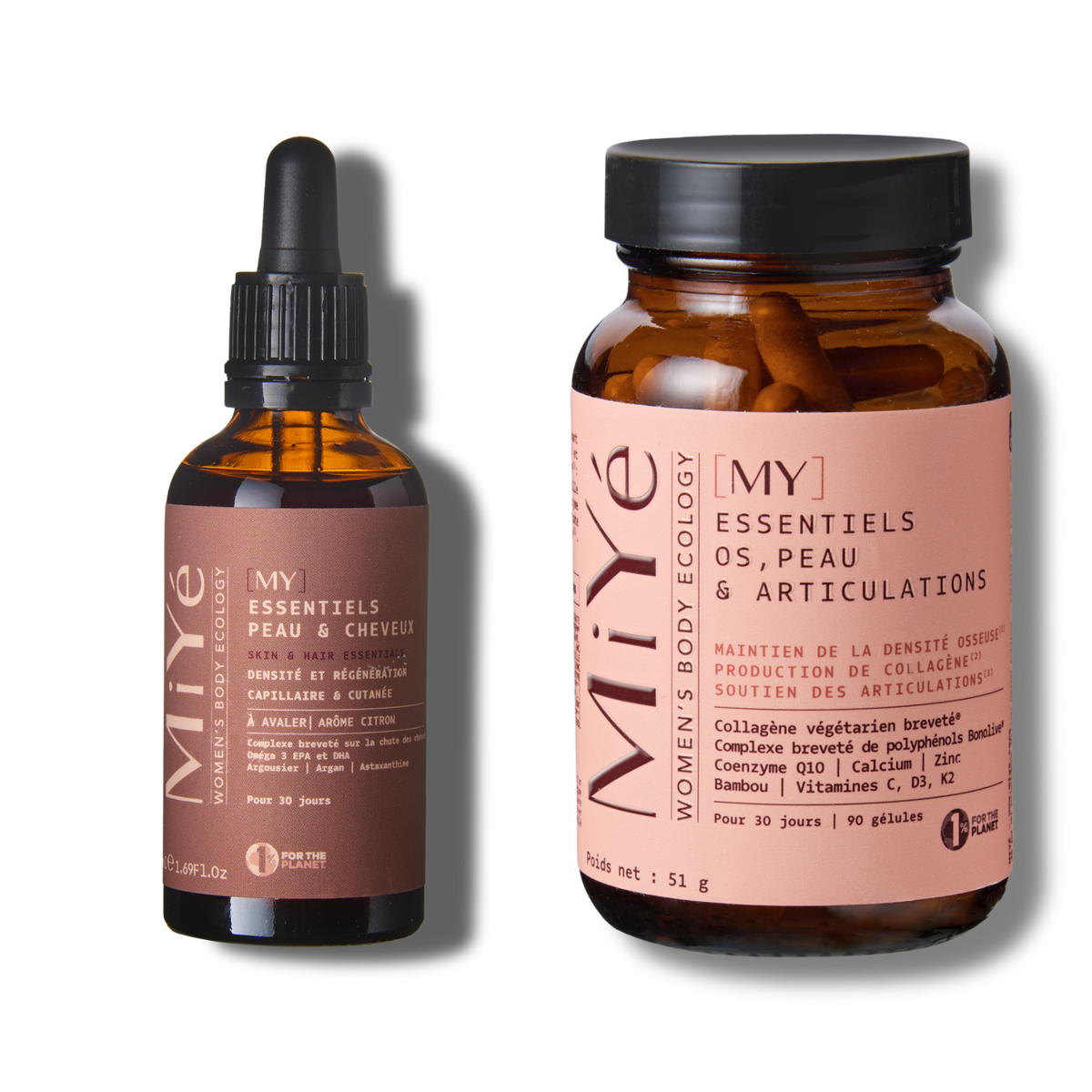
[MY] ESSENTIALS BONES, SKIN & JOINTS
: Supporting the Three Pillars
You now understand that silent metabolic losses act on three fronts at once: acid-base balance, systemic inflammation, and bone mineralization.
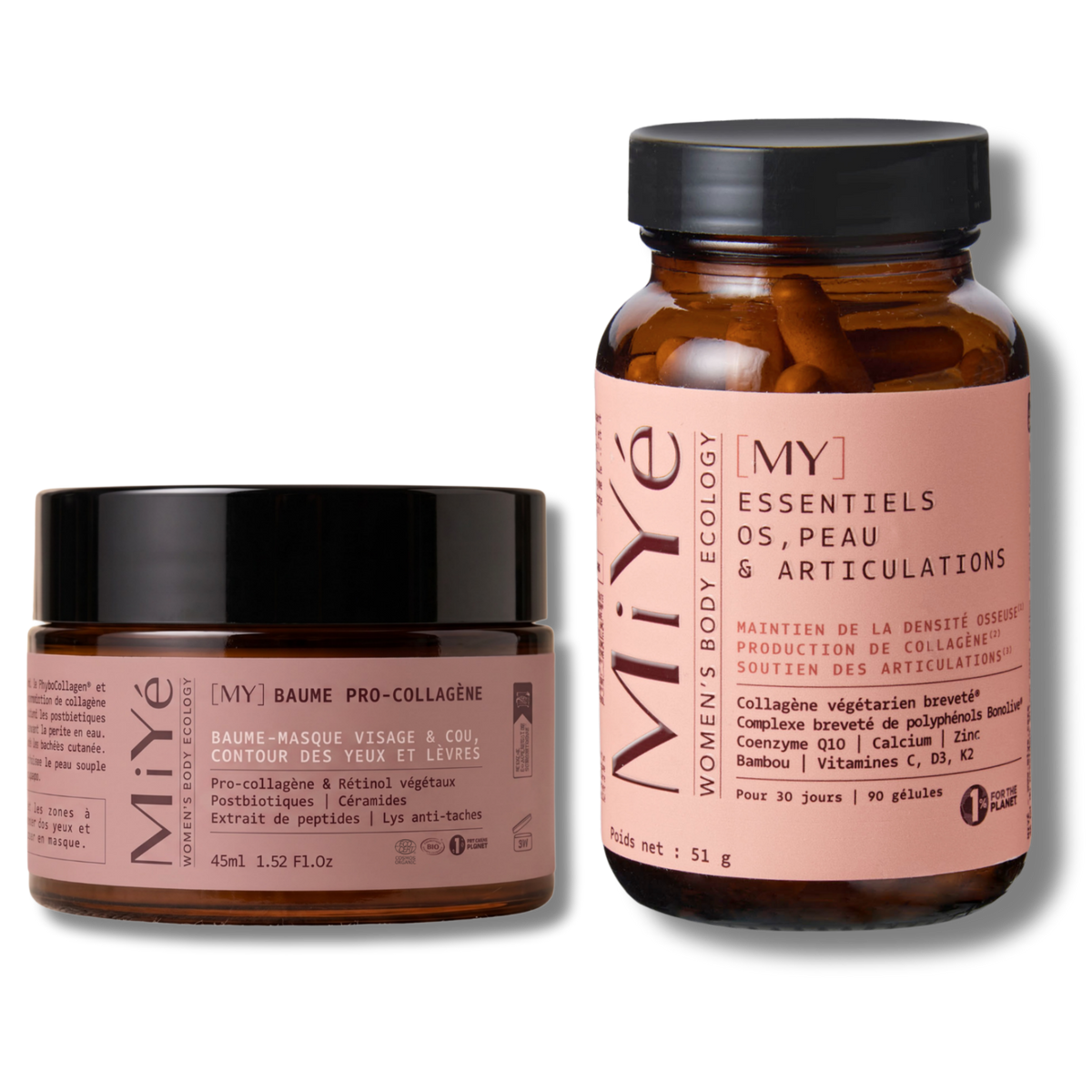
[MY] Essentials Bones, Skin& Joints was formulated to help support these three pillars.
For acid-base balance, the product provides calcium citrate in its most bioavailable form [16], supported by vitamin D3 and vitamin K2 for optimal mineralization [17]. This restored balance creates favorable conditions for slowing bone loss.
For reducing inflammation and supporting collagen synthesis, it combines eggshell membrane collagen and zinc bisglycinate, which work together to stimulate the body's own collagen production, complemented by vitamin C and bamboo silica [4] [12] [14] [15]. Coenzyme Q10 helps protect these processes from age-related oxidative stress [11].
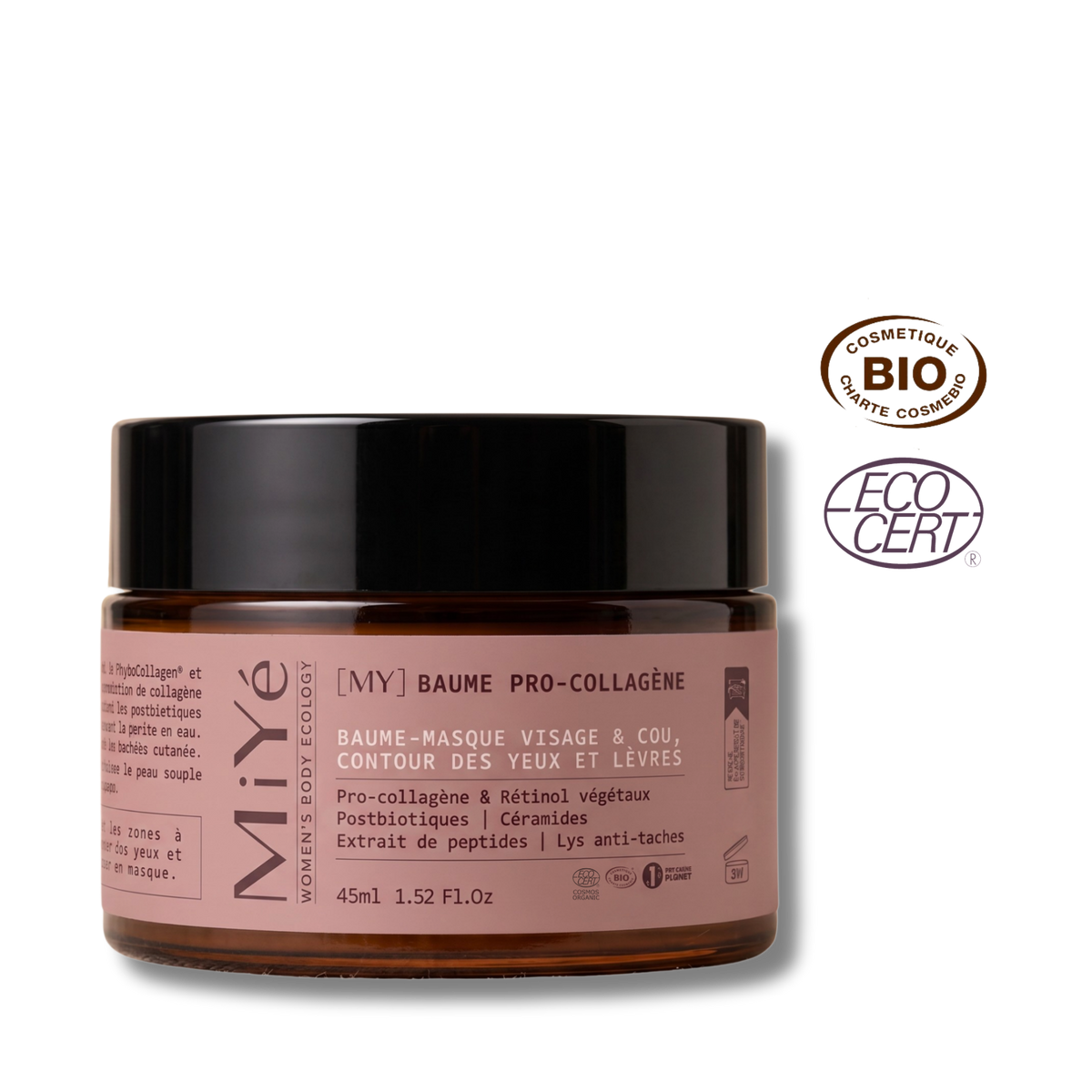
To amplify results, Bonolive® stimulates active bone formation and helps reduce systemic inflammation [8] [9] [10]. Ceramides help restore the skin barrier weakened by menopause [7].
This formula isn't a miracle solution. It's targeted support for the system you're building through diet, movement, and lifestyle choices.
How to Use It
Minimum duration: 3 months to observe measurable results [8] [9].
Combined with lifestyle habits:
-
Regular resistance training (especially if signs appear before age 50)
-
Sun exposure or checking your vitamin D levels
-
A protein-rich diet (1.2-1.5g/kg/day)
-
Optimal hydration
FAQ: Your Questions on Metabolic Losses and Bone Health
Can bone loss be reversed?
Partially. [MY] Essentials Bones, Skin& Joints, combined with regular exercise and a restored acid-base balance, can help stabilize bone density where it would otherwise decline [8] [16] [17]. This isn't a full recovery, but it's a restoration of the balance between bone formation and resorption, which is clinically meaningful.
At what point does muscle loss become critical?
From perimenopause onward (ages 40-45), muscle loss accelerates. It can reach 10% in 5 years if you don't engage in regular resistance training [20]. The critical moment to act is now.
Are there warning signs of significant bone loss?
Bone loss is often silent. Later signs include: progressive height loss, chronic back pain, curvature of the upper back. If you have risk factors (family history, sedentary lifestyle, insufficient calcium intake), talk to your doctor about appropriate monitoring.
Can I combine [MY] Essentials Bones, Skin& Joints with other supplements?
[MY] Essentials Bones, Skin& Joints is already a balanced formula [8] [16] [17] [18]. Don't take additional calcium if you're already taking it.
Logical combinations would include:
-
Protein powder: to increase protein intake (1.2-1.5g/kg/day)
-
Omega-3 fatty acids: to help modulate general inflammation
-
Probiotics: to support gut health (linked to calcium absorption)
Does [MY] Essentials Bones, Skin& Joints replace osteoporosis medication?
No. It's a food supplement that supports bone health. If you've been diagnosed with osteoporosis, work with your doctor. [MY] Essentials Bones, Skin& Joints can be a complement, not a substitute.
How long before seeing results?
To observe meaningful results, it's recommended to take [MY] Essentials Bones, Skin& Joints for at least 3 months [8].
Here's what happens during this time:
-
From 6 weeks: improved joint comfort and mobility [9]
-
At 3 months: osteocalcin increases measurably [8]. This is the turning point where bone stabilization becomes evident
-
At 6 to 12 weeks: visible changes in skin quality and firmness [10]
-
At 6 to 12 months: effects become truly comprehensive and lasting [8] [9] [10]
The key takeaway: 3 months is the minimum duration needed to allow your body to begin genuine bone and muscle restoration.
Important Note
Plant-based food supplements are not intended to diagnose, treat, or prevent any disease. If you have been diagnosed with osteoporosis, severe sarcopenia, or chronic joint pain, consult your doctor or healthcare professional before starting a new supplement. This article is for informational and educational purposes only.
Do you recognize yourself in these silent transformations? The good news is, they aren't inevitable. By understanding what's happening beneath the surface and acting from perimenopause onward, you can preserve your strength, your mobility, and your vitality for the years to come.
Sources & Scientific References
- [1] Rani, J., Swati, S., Meeta, M., et al. (2023). Postmenopausal Osteoporosis: Menopause Hormone Therapy and Selective Estrogen Receptor Modulators. Indian Journal of Orthopaedics, 57(Suppl 1), 105-114. https://doi.org/10.1007/s43465-023-01071-6
- [2] Duangjai, A., Srivilai, J., Nangola, S., & Amornlerdpison, D. (2025). Calcium and Vitamin D Supplementation with and Without Collagen on Bone Density and Skin Elasticity in Menopausal Women—A Randomized Controlled Study. Clinics and Practice, 15(9), 168. https://doi.org/10.3390/clinpract15090168
- [3] Roman-Blas, J. A., Castañeda, S., Largo, R., & Herrero-Beaumont, G. (2009). Osteoarthritis associated with estrogen deficiency. Arthritis Research & Therapy, 11(5), 241. https://doi.org/10.1186/ar2791
- [4] Eggnovo (Laboratory). Technical data sheets for Ovomet® and Ovoderm® ingredients — Data measured and guaranteed by the Eggnovo laboratory.
- [5] Kendall, A. C., Nicolaou, A., & Birch, L. L. (2022). Changes in cutaneous ceramides and ceramide-based biomarkers during the menopausal transition. Scientific Reports, 12, 2844. https://doi.org/10.1038/s41598-022-26095-0
- [6] Filip, R., Possemiers, S., Heyerick, A., et al. (2015). Twelve-month consumption of a polyphenol extract from olive (Olea europaea) in a double blind, randomized trial increases serum total osteocalcin levels and improves serum lipid profiles in postmenopausal women with osteopenia. The Journal of Nutrition, Health & Aging, 19(1), 77-86. https://doi.org/10.1007/s12603-014-0534-0
- [7] Horcajada, M. N., Beaumont, M., Sauvageot, N., et al. (2022). An oleuropein-based dietary supplement may improve joint functional capacity in older people with high knee joint pain: findings from a multicentre RCT and post hoc analysis. Therapeutic Advances in Musculoskeletal Disease, 14, 1759720X211070205. https://doi.org/10.1177/1759720X211070205
- [8] Lasfar, A., van Stratum, S. L. M., Imperatrice, M., et al. (2025). Effects of olive leaf extract supplementation on systemic markers of tissue aging and remodeling in postmenopausal women: a randomized controlled trial with exploratory skin outcomes. Frontiers in Nutrition, 12, 1670194. https://doi.org/10.3389/fnut.2025.1670194
- [9] Bentinger, M., Brismar, K., & Dallner, G. (2007). The antioxidant role of coenzyme Q. Mitochondrion, 7(Suppl), S41-S50. https://doi.org/10.1016/j.mito.2007.02.006
- [10] Pullar, J. M., Carr, A. C., & Vissers, M. C. M. (2017). The Roles of Vitamin C in Skin Health. Nutrients, 9(8), 866. https://doi.org/10.3390/nu9080866
- [11] Arkan Yousif, A., Olurinde, T., Bahjat, W., et al. (2025). Synergistic Anti-Aging Effects of Coenzyme Q10 Combined with Vitamin C in Skin Care Applications. Journal of Cosmetic Dermatology, 24(1), e16706. https://doi.org/10.1111/jocd.16706
- [12] Reffitt, D. M., Ogston, N., Jugdaohsingh, R., et al. (2003). Orthosilicic acid stimulates collagen type I synthesis and osteoblastic differentiation in human osteoblast-like cells in vitro. Bone, 32(2), 127-135. https://doi.org/10.1016/S8756-3282(02)00950-5
- [13] Jugdaohsingh, R. (2007). Silicon and bone health. The Journal of Nutrition, Health & Aging, 11(2), 99-110. https://doi.org/10.1007/BF02983946
- [14] Sakhaee, K., Berne, T. V., & Pak, C. Y. (1988). Comparison of calcium citrate and calcium carbonate absorption: a controlled clinical study. Journal of Bone and Mineral Research, 3(3), 253-258. https://doi.org/10.1002/jbmr.5650030303
- [15] Aaseth, J., Frey, H., & Alexander, J. (2024). Interactions of Vitamin K2 and Vitamin D3 in Bone and Cardiovascular Health: A Narrative Review. Nutrients, 16(15), 2420. https://doi.org/10.3390/nu16152420
- [16] Molenda, P., & Kolmas, J. (2023). The role of zinc in bone health and its therapeutic potential. Biological Trace Element Research, 202, 1949-1968. https://doi.org/10.1007/s12011-023-03631-1
- [17] Gandia, P., Bour, D., Maurette, J. M., Donor, E., Petot, C., & Soulié, P. (2007). A bioavailability study comparing two oral formulations containing zinc (Zn bis-glycinate vs. Zn gluconate) after a single dose and after 4 weeks of repeated dosing. International Journal for Vitamin and Nutrition Research, 77(4), 243-248. https://doi.org/10.1024/0300-9831.77.4.243
- [18] Sword Health. (2025). Stop losing muscle and prevent pain during menopause. Retrieved from https://swordhealth.com/articles/prevent-menopause-muscle-pain

![[MY] Essentiels os peau et articulations, à l'achat individuel](http://www.miye.care/cdn/shop/files/1_82157749-d687-4d44-9eb8-3cdec6cb929a.png?v=1782986916&width=1875)
Share:
Beyond Collagen: How to Help Skin Restart Its Regeneration?
Biomimetic actives: what if your skin already knew the best routine?