




What is Cortisol ?
Cortisol is a steroid hormone produced by the adrenal glands, located on top of your kidneys. Known as the "stress hormone," cortisol is important for many essential bodily functions beyond just managing stress.
It plays a key role in regulating metabolism, controlling inflammation, managing blood sugar levels, and supporting the sleep-wake cycle, among other vital processes. Your body releases cortisol in a natural daily rhythm, typically peaking in the early morning to help you wake up and feel alert. It then gradually decreases throughout the day, reaching its lowest levels at night to promote restful sleep.
However, when cortisol levels remain chronically high especially in females this imbalance can lead to various symptoms and health concerns.
Normal vs. Elevated Cortisol Levels
| Time of Day | Typical Cortisol Level | Notes |
|---|---|---|
| Morning (6-8 AM) | 5 - 23 mcg/dL (micrograms per deciliter) | Cortisol peaks to help you wake and boost energy availability. |
| Afternoon (4 PM) | 3 - 10 mcg/dL | Levels begin to decline as the day progresses. |
| Night (midnight) | < 5 mcg/dL | Cortisol reaches its lowest levels to promote relaxation and sleep. |
These fluctuations are part of your body's circadian rhythm, which naturally regulates cortisol release to optimize your health. However, consistently elevated cortisol levels those above the normal range can indicate underlying health problems such as Cushing syndrome or prolonged stress responses.
Cortisol levels are typically measured through blood tests, saliva tests, or 24-hour urine tests to assess variations over time.
It’s worth noting that females may experience additional factors influencing cortisol levels. Menstrual cycles, hormonal birth control use, and menopause can all affect baseline cortisol levels, making symptoms and diagnosis more nuanced in women’s health.
In case of excess and/or prolonged secretion, as in the case of a stressful life that generates chronic stress, the effects of cortisol become deleterious: it will then disrupt the metabolism of carbohydrates, leading to cravings and weight gain. It will decrease the immune response and thus weaken our health. Its ‘stimulating’ side can disturb your sleep. It will promote osteoporosis and tire the heart. Finally, beyond a certain threshold, it will become pro-inflammatory and lead to pain, weight gain, fatigue, cardiovascular risks, degradation of the quality of the microbiota… Last but not least, it will lead to a progesterone deficiency since the adrenal glands, once exhausted by chronic stress, will maintain cortisol by degradation of progesterone.

Identifying Symptoms of High Cortisol in Females
As a woman, you may experience high cortisol levels differently than men do, partly because of your unique hormonal makeup and how cortisol interacts with estrogen and progesterone. The symptoms of high cortisol in females can be subtle at first but gradually intensify, affecting your physical appearance, emotional well-being, and reproductive health. Understanding these signs is important because they often overlap with other conditions, making diagnosis challenging without proper testing.
If you're noticing unexplained changes in your body, mood, or menstrual cycle, it's worth exploring whether elevated cortisol might be the underlying cause.
Physical Indicators
- Weight gain around your midsection, face, and upper back is one of the most common and noticeable signs of high cortisol. This occurs because elevated cortisol levels shift your body's metabolism, promoting fat storage in the abdominal area rather than other parts of your body. This visceral fat accumulation is particularly stubborn and resistant to diet and exercise.
- Persistent fatigue and muscle weakness often accompany high cortisol levels. Your muscles rely on proper cortisol regulation for energy production and recovery. When cortisol remains chronically elevated, you may feel exhausted even after adequate sleep. You might notice difficulty rising from a seated position or general weakness, particularly in your arms and legs.
- Skin changes are another telling physical indicator. High cortisol can cause your skin to become thin and fragile, leading to easy bruising, slow wound healing, and acne breakouts. You may also develop wide, bright purple or pink stretch marks on your abdomen, breasts, thighs, and arms—these distinctive marks often appear suddenly and are more visible than typical stretch marks.
- Hair loss or abnormal hair growth can occur due to how cortisol disrupts your hair growth cycle and interferes with hormonal balance. Some women experience thinning hair on their scalp while simultaneously developing excess facial or body hair, a condition called hirsutism. This contradictory pattern is particularly frustrating and often signals hormonal disruption.
- Headaches are frequently reported by women with elevated cortisol. These can range from mild tension headaches to more severe migraines and may worsen under stress or during certain times of your menstrual cycle.
- Sleep disturbances and insomnia develop because cortisol patterns are tightly linked to your circadian rhythm. When cortisol remains elevated at night instead of declining naturally, you may struggle to fall asleep or stay asleep, resulting in chronic fatigue and poor sleep quality.
Emotional and Psychological Effects
Beyond physical changes, high cortisol significantly impacts your mental health. You may experience anxiety, irritability, and mood swings that feel disproportionate to daily stressors. Elevated cortisol heightens your nervous system's reactivity, making you feel on edge or easily triggered by situations that normally wouldn't bother you.
- Depression-like symptoms often develop with chronically high cortisol. You might feel persistently low, hopeless, or lose interest in activities you once enjoyed. This isn't simply sadness—it reflects how excess cortisol affects neurotransmitters like serotonin that regulate mood.
- Brain fog and difficulty concentrating are frustrating cognitive effects of elevated cortisol. You may struggle to focus at work, forget important details, or feel mentally scattered. Women often describe this as an inability to "think straight" or maintain their usual mental clarity.
- Reduced resilience to stress is another hallmark effect. Your stress coping mechanisms weaken, and situations that you once handled well now feel overwhelming. This can create a vicious cycle where increased stress further elevates your cortisol levels, compounding the problem.
Hormonal and Reproductive Symptoms
- Irregular or absent periods are particularly important warning signs for women. High cortisol disrupts your hypothalamic-pituitary-adrenal (HPA) axis and interferes with estrogen and progesterone production, potentially causing your menstrual cycle to become unpredictable. Your periods may be lighter, heavier, delayed, or stop entirely.
- Worsening premenstrual syndrome (PMS) symptoms frequently accompany elevated cortisol. You might experience more severe bloating, mood changes, and physical discomfort during your luteal phase when progesterone naturally dips.
- Reduced libido and difficulty conceiving can result from hormonal imbalances caused by high cortisol. The elevated stress hormone suppresses reproductive hormones, dampening your sex drive and potentially affecting fertility if you're trying to become pregnant.
Women with conditions like polycystic ovary syndrome (PCOS) or endometriosis may find their symptoms worsen with high cortisol, as elevated cortisol exacerbates existing hormonal dysfunction. Additionally, if you're approaching or experiencing perimenopause, high cortisol can intensify hot flashes, night sweats, and mood disturbances.
Other Health Impacts
- High blood pressure frequently develops with sustained cortisol elevation. Cortisol increases blood vessel constriction and sodium retention, pushing your blood pressure upward and increasing cardiovascular strain.
- Blood sugar fluctuations and increased diabetes risk occur because elevated cortisol promotes insulin resistance and encourages your liver to release more glucose. Over time, this can lead to prediabetes or type 2 diabetes, particularly if you have a genetic predisposition.
- Digestive issues such as irritable bowel syndrome (IBS), acid reflux, and irregular bowel movements can develop as cortisol affects your gut lining and digestive function. You may notice your stomach is more sensitive to foods you previously tolerated well.
- Weakened immune function leaves you vulnerable to frequent infections, colds, and illnesses that linger longer than usual. High cortisol suppresses your immune response, making you more susceptible to both viral and bacterial infections.
- Bone density concerns emerge over time as elevated cortisol interferes with calcium absorption and bone formation. This increases your risk of developing osteoporosis, particularly if you're postmenopausal or have a family history of bone loss.
If you're experiencing multiple symptoms across these categories simultaneously—especially if they're affecting your quality of life or you notice them worsening—this may indicate that your cortisol levels warrant professional evaluation rather than attributing them to normal stress.
What is the relationship between cortisol and hormonal imbalance ?
As we have seen above, cortisol is a steroid hormone synthesized from cholesterol. It is also
cholesterol. This is also the case for sex hormones such as estrogen and progesterone. All these hormones have the same precursor: pregnenolone. In case of intense and prolonged stress, this substance will be primarily dedicated to the production of cortisol, to the detriment of our hormones. The cycles will be disturbed, the premenstrual syndrome or endometriosis will be more important, menopausal symptoms or pre-menopause will be felt much more, etc..
For all these reasons, it is important to keep the cortisol level within tight quantitative and temporal limits.
How to lower your cortisol levels ?
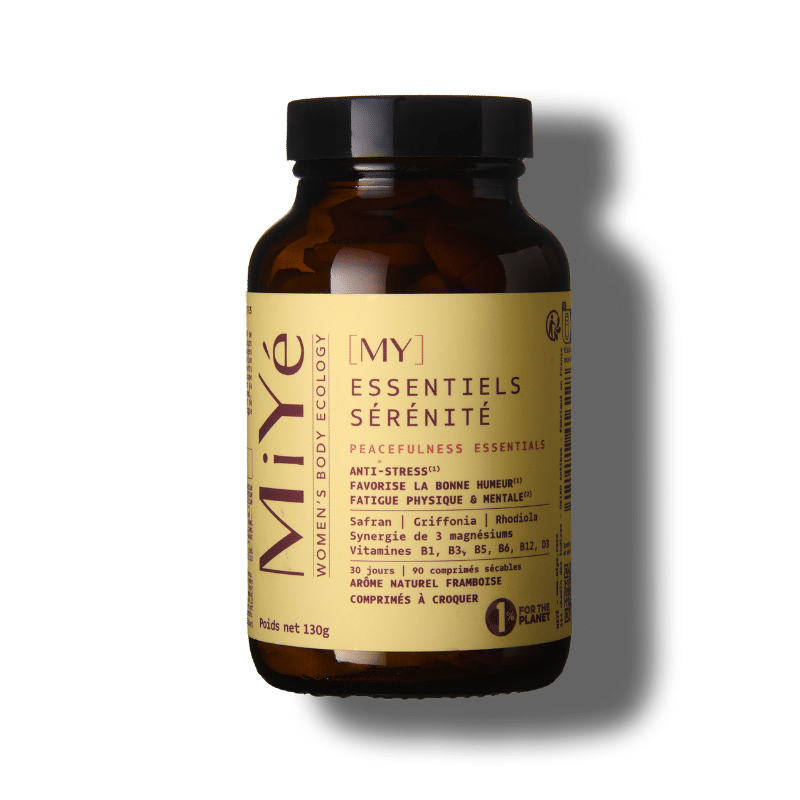
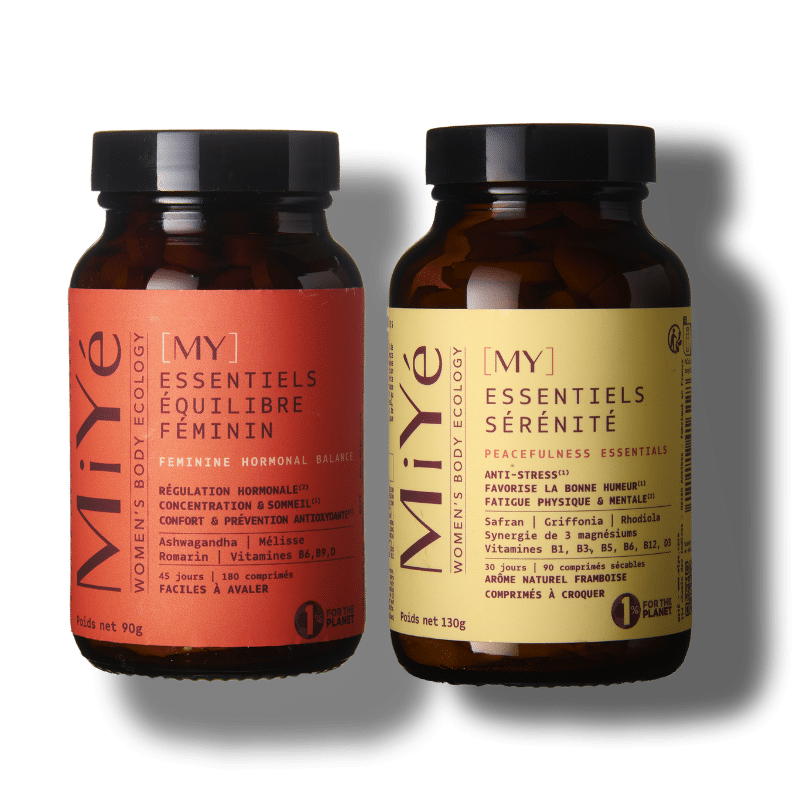
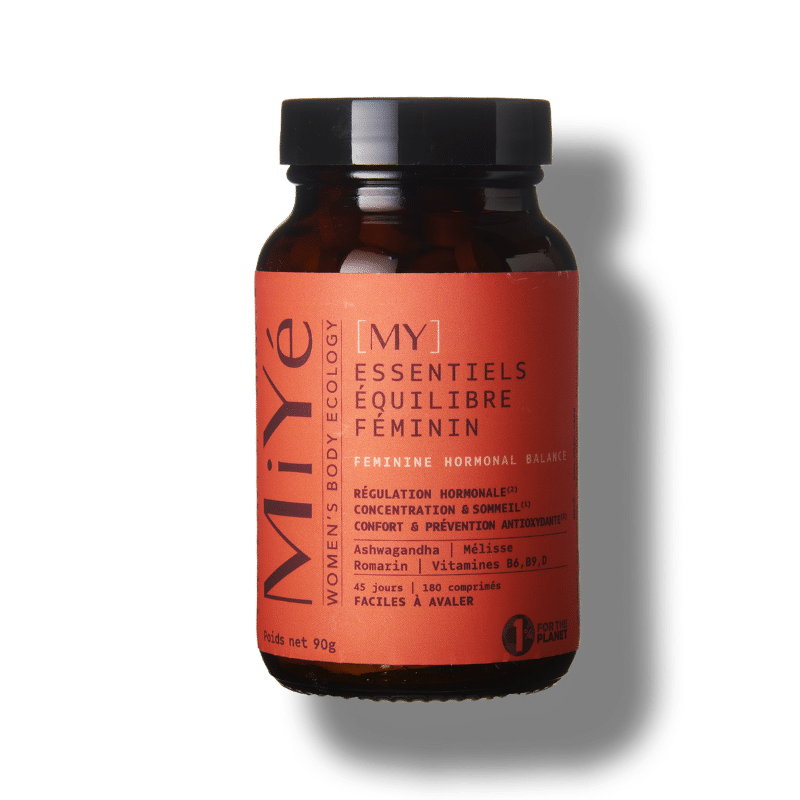
The first priority is to learn to limit, control and evacuate stress: exercise, take regular breaks during the day, breathe, meditate, delegate, organize, write, spend time outdoors, in nature. Take the time to go out in the daylight for at least 15/20 minutes (preferably in the morning or at noon), to reinforce our vitamin D. All these actions contribute greatly. You can also use plants such as ashwagandha, lemon balm, rhodiola, saffron, griffonia and supplement with magnesium, which you can find in our food supplement

In the plate, we force on the good fat, the omega 3: fatty fish, by privileging the small ones which contain less heavy metals (sardines, mackerels, anchovies…), chia seeds, oil of colza, flax, hemp… We put fruits and vegetables in every meal to fill up with antioxidants. And we reduce sweets, red meats, industrial dishes and dairy products
Controlling stress is a key issue for our health and hormonal balance. Its short and long term negative effects impact all our functions. It is a trigger or aggravating factor for many pathologies. So, if we can’t avoid it in our modern lives, let’s learn to keep it within acceptable limits and limit its consequences on our body!
![[MY] BALANCE PACK](http://www.miye.care/cdn/shop/files/ack_equilibre.png?v=1755857561&width=1080)
Share:
What is the link between progesterone deficiency and hormonal imbalance ?
Tingling in the menopause
2 comments
Bonjour,
Merci pour votre commentaire !
Nous vous conseillons l’application “petit bambou”.
Merci
Merci pour le partage très instructif sur le cortisol et son lien avec le stress. Il est essentiel de comprendre l’impact de cette hormone sur notre santé hormonale globale.
Je suis particulièrement frappé par le fait que les glandes surrénales d’un homme sont 50% plus grandes que celles d’une femme. Cela souligne à quel point il est crucial de surveiller et de gérer notre niveau de stress, surtout pour les femmes qui jonglent avec de multiples responsabilités.
Vos conseils pour réduire le taux de cortisol, notamment l’importance de l’activité physique, de la méditation et de l’alimentation équilibrée, sont très pertinents. Avez-vous des recommandations spécifiques en matière de méditation ou d’exercices qui peuvent aider à maîtriser le niveau de cortisol ?
Encore merci pour ce partage éclairant !