

Premenstrual syndrome (PMS)

Deodorant body care as a gift
From 80€ purchase ☁️
![[MY] FEMALE REBOOT DUO](http://www.miye.care/cdn/shop/files/65.png?v=1756393578&width=1080)
![[MY] SMOOTHING BODY MASSAGE SERUM](http://www.miye.care/cdn/shop/files/Visuels_shop_82.png?v=1773304790&width=1000)
![[MY] PACK LIBIDO](http://www.miye.care/cdn/shop/files/Visuels-shop-53.png?v=1747988610&width=800)

![[MY] PACK ÉQUILIBRE](http://www.miye.care/cdn/shop/files/ack_equilibre.png?v=1755857561&width=1080)
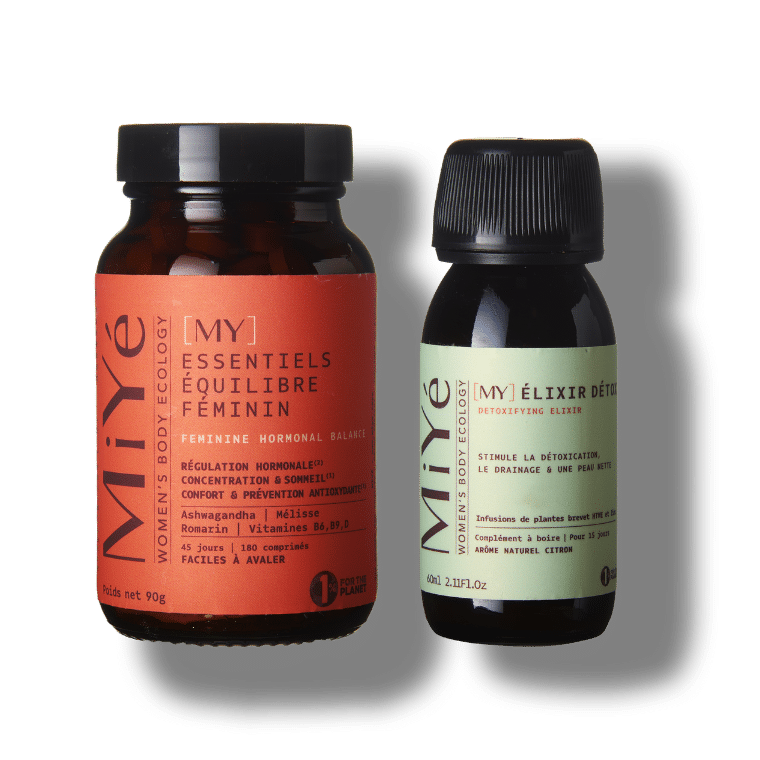
![[MY] PACK CONFORT](http://www.miye.care/cdn/shop/files/Visuels-shop-59.png?v=1747988109&width=760)
![[MY] PACK HOLI](http://www.miye.care/cdn/shop/files/Pack_Holy.png?v=1755857096&width=1080)
![[MY] PACK MAMMA MIYÉ](http://www.miye.care/cdn/shop/files/68.png?v=1755857061&width=1080)
QUESTIONS ?
WE HAVE THE ANSWERS
How to relieve PMS naturally?
How long does PMS last?
PMS or pregnancy: how to tell the difference?
Do dietary supplements help with PMS?
What is premenstrual syndrome?
Premenstrual syndrome, or PMS, encompasses physical and emotional signs that generally occur 1 to 2 weeks before periods. It is linked to hormonal fluctuations: the balance between oestrogen and progesterone varies, which can lead to muscle tension, mood changes and other discomforts.
| 🧬 Hormonal causes | 📋 Common symptoms | ⏱️ When does it occur? |
|---|---|---|
| Oestrogen / progesterone imbalance | Physical: tender breasts, bloating, cramps | Luteal phase: D-14 to D-1 of the cycle |
| Serotonin variation | Emotional: irritability, anxiety, tearfulness | Disappears when periods begin |
| Sensitivity to hormonal fluctuations | Cognitive: fatigue, concentration difficulties, insomnia | Recurrent every cycle |
| Nutritional factors and stress | Behavioural: cravings, social withdrawal | Variable intensity from month to month |
The most sensitive period falls between D-14 and D-1: cramps, breast tenderness, headaches or low energy may appear. In some women, these symptoms are more intense and fall under premenstrual dysphoric disorder (PMDD). It is estimated that 20% to 30% of women experience PMS severe enough to require appropriate management.
The hormonal mechanism behind PMS
Premenstrual syndrome (PMS) affects between 75 and 80% of women of childbearing age, with symptoms ranging from mild to highly debilitating. It systematically occurs in the luteal phase during the 14 days before periods and disappears as soon as they begin. This characteristic timing is the hallmark of a clear hormonal origin.
The main cause is an imbalance between oestrogen and progesterone in the second half of the cycle. This imbalance acts on neurotransmitters, particularly serotonin, which explains the emotional symptoms. Some women display hypersensitivity to normal hormonal variations, without any measurable hormonal abnormality.
It is important to distinguish between PMS and PMDD (premenstrual dysphoric disorder): PMDD is a severe form affecting 3 to 8% of women, with marked psychiatric symptoms requiring specialist medical follow-up.
Key figures: 150 documented symptoms, 40% of women report moderate to severe discomfort, and PMS is the leading cause of cyclical productivity loss among working women.
What are the main symptoms of PMS?
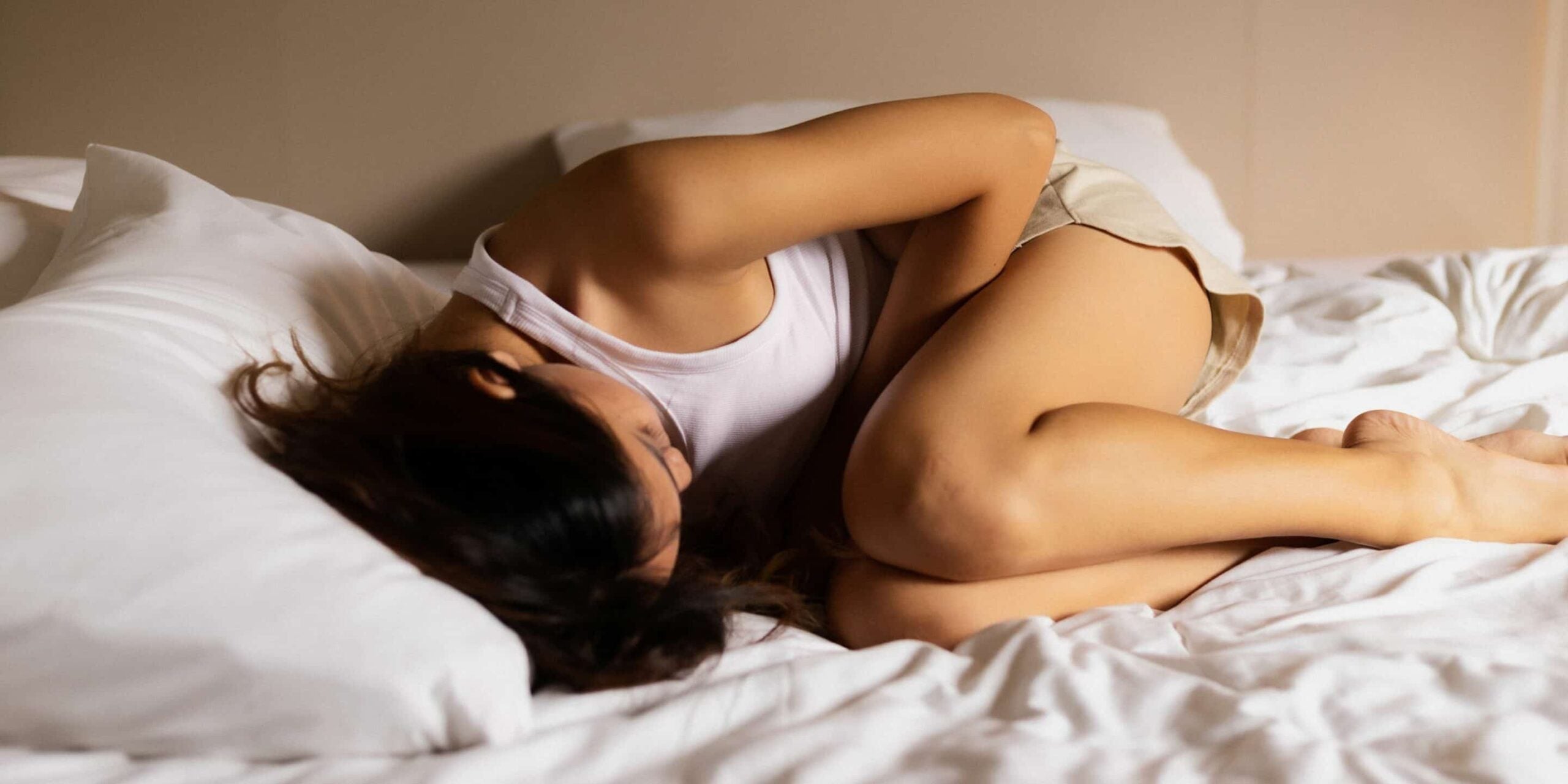
Premenstrual syndrome (PMS) manifests as a combination of physical and emotional symptoms that generally appear one to two weeks before the start of periods.
These symptoms can vary in intensity, but they often disrupt the daily lives of many women. Among the main symptoms of PMS:
- Painful periods: Menstrual cramps, often intense, are a common symptom of PMS. They can begin before periods and persist during the first days of the cycle.
- Hot flushes: Hormonal fluctuations can cause hot flushes, a frequent symptom that may be accompanied by night sweats and chills.
- Irritability and anxiety: Hormonal changes can also trigger emotional instability, with feelings of irritability, anxiety, and sometimes even depression.
- Intimate discomfort: PMS can also be accompanied by intimate discomfort, often linked to changes in natural lubrication or increased sensitivity.
- Tender breasts and cyclical pain: Breast tenderness and cyclical pain are common PMS symptoms, resulting from hormonal variations that affect breast tissue.
- Bloating, heaviness and water retention: PMS can cause water retention, leading to bloating and a feeling of heaviness, particularly in the abdominal area.
- Oestrogen dominance and hormonal detox: A hormonal imbalance with oestrogen dominance can worsen PMS symptoms, sometimes requiring a hormonal detox to restore balance.
Each of these symptoms can be managed with an appropriate approach, including lifestyle changes, specific products and tailored care practices.
Natural active ingredients for PMS
Magnesium
An essential ally for relieving physical and nervous tension. It helps reduce fatigue, stress and cycle-related discomforts.
→ Glossary
Ginkgo
Recognised for its benefits on circulation and cognitive function, it supports memory, concentration and mental clarity.
→ Glossary
Lemon balm
A soothing plant, ideal for promoting relaxation. It helps manage stress more effectively, improves sleep quality and supports digestive comfort.
→ Glossary
Ashwagandha
A powerful adaptogen, it helps the body better resist stress by regulating cortisol and promoting overall balance.
→ Glossary
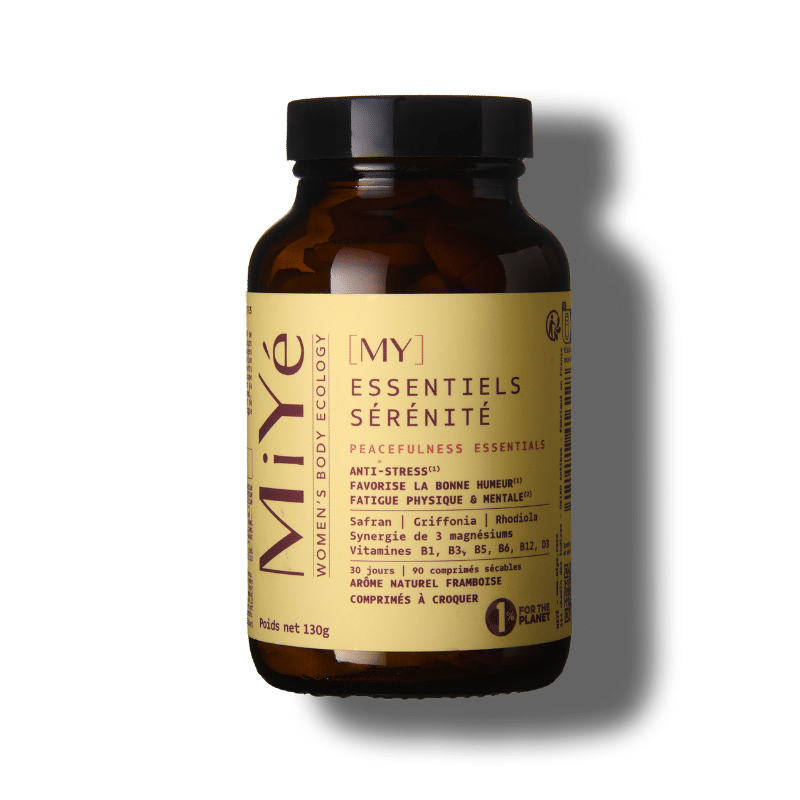
Saffron
Nicknamed "the mood spice", it helps stabilise emotions and reduce irritability and anxiety.
→ Glossary
Rhodiola
Ideal for physical or mental fatigue, it supports energy levels and improves resistance to stress.
→ Glossary
Griffonia
A natural source of 5-HTP, a precursor to serotonin, it helps regulate mood and promotes better sleep.
→ Glossary
Rosemary
Known for its digestive and detoxifying properties, it supports the liver and contributes to healthy digestion.
→ Glossary
Vitamin B1
Essential for the proper functioning of the nervous system, it contributes to energy production and helps reduce fatigue.
→ Glossary
Going further on PMS
To deepen your understanding of PMS and discover tips for better managing its symptoms, we invite you to consult our dedicated articles. These resources will provide you with practical advice on symptom management, product recommendations, as well as information on best practices to improve your menstrual and general comfort.
Our care from puberty to post-menopause
Organic Products
Clean formulas, with ingredients from organic farming, selected to respect your body and your cycles.
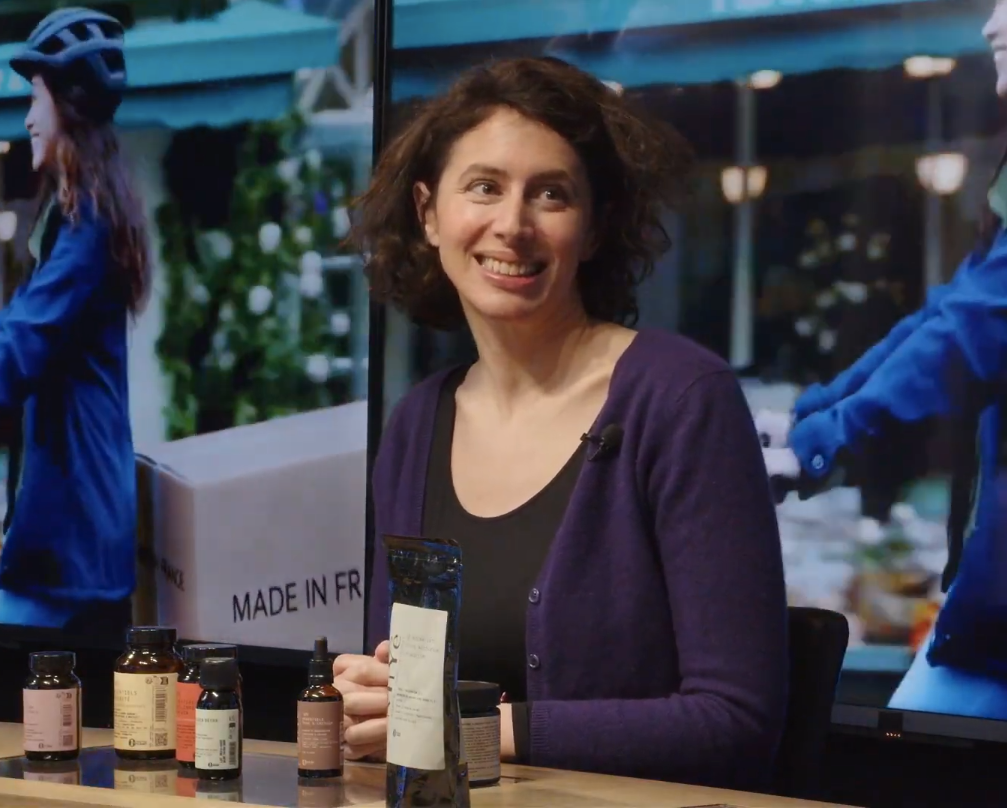
Made in France
Products designed and manufactured in France, in compliance with the most demanding standards of quality and traceability.
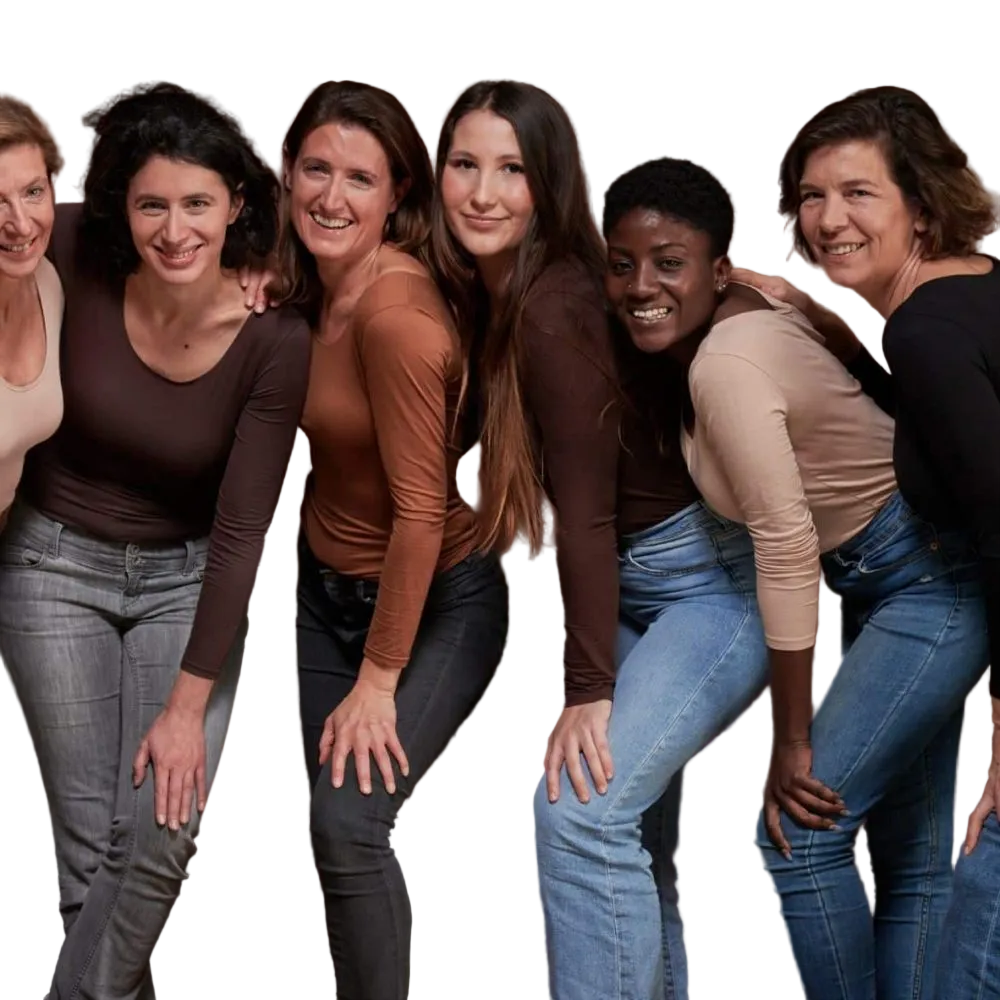
By women for women
Expertise dedicated to female hormonal balance, based on science, listening and the real needs of women.