



SUMMARY
- How to cope with the return of menstruation after baby ?
- What happens in our bodies when our periods return ?
- Which hormones play an important role after childbirth?
- How do you manage hormonal and emotional changes ?
- How can we cope with the return of our periods ?
- What are the right things to do ?
- CONCLUSION
- MIYE X PERDIEME
- SOURCES:








How to cope with the return of menstruation after baby ?
The return of menstruation after pregnancy is a crucial time for many women. This postpartum phase can vary considerably depending on various physiological and individual factors. Understanding these changes and knowing how to manage them is essential for a smooth transition to this new menstrual cycle.
What happens in our bodies when our periods return ?
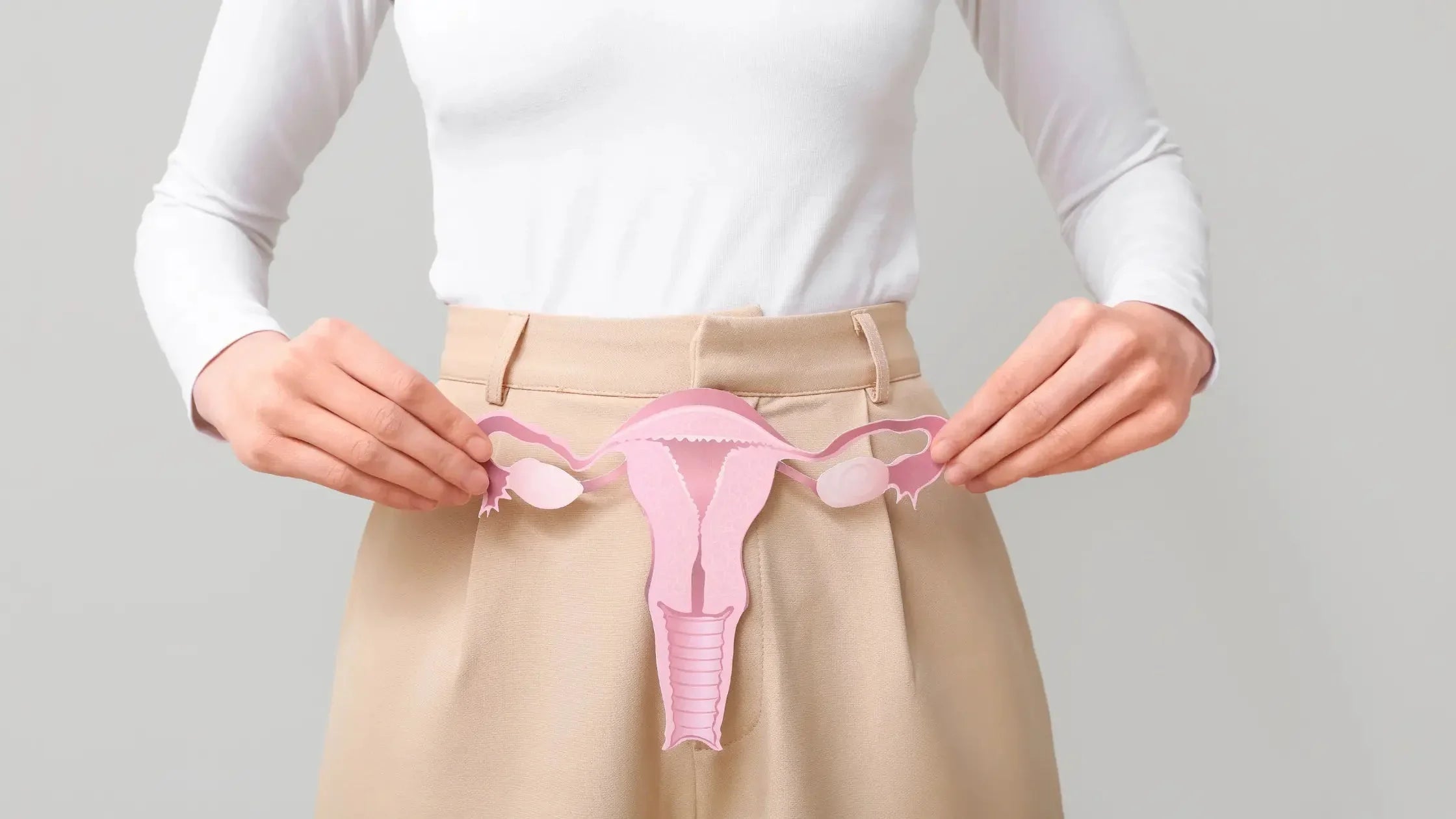
The return of menstruation after childbirth, known as the “return of childbirth”, is influenced by various factors, including hormones, breastfeeding and the contraceptive method used. On average, the first postpartum menstrual period may appear between 6 weeks and 3 months after delivery, but this varies enormously from one woman to another.
Menstrual recovery varies from one woman to another and from one pregnancy to another. What is certain is that, after childbirth, a woman will experience a brownish discharge called lochia. This abundant, clot-rich discharge can last for several days. Lochia are uterine discharges of blood, fluid and mucous fragments, reflecting the healing of the uterine wound left by the expulsion of the placenta after childbirth. This physiological phenomenon lasts 2 or 3 weeks, a little less if the baby is breast-fed.
Around the twelfth day after childbirth, the discharge is often more abundant, without being followed by a resumption of the menstrual cycle: this is called the “little return of diapers”. This is due to healing of the uterus and the discharge of waste products.
Then comes the return of menstruation. If the woman is not breast-feeding, the return of menses occurs six to eight weeks after the birth of the child. If the woman is breast-feeding, the return of childbirth occurs later: either after the end of breast-feeding or, if breast-feeding is prolonged, around 3 months after delivery. According to the National Institute of Health and Medical Research (INSERM), the return of menstruation after childbirth can be delayed by breastfeeding, as this can suppress ovulation and thus delay the reappearance of menstruation.

Which hormones play an important role after childbirth?
- Oxytocin: This hormone is crucial during childbirth, as it promotes uterine contractions during labor and the expulsion of the placenta. After delivery, oxytocin continues to be secreted, helping the uterus to return to its normal size (uterine involution) by promoting uterine muscle contractions and the reduction of the wound where the placenta was attached. This helps reduce blood flow to this area and minimize bleeding.
- Progesterone: During pregnancy, progesterone is produced in large quantities to support uterine growth and maintain the uterine lining. After delivery, when the placenta is expelled, progesterone levels drop rapidly, helping to trigger the excretion of lochia by allowing the uterine lining to detach and recover.
- Estrogens: These hormones, which increase during pregnancy, decrease after childbirth. Lower estrogen levels are also associated with the onset of lochia. The drop in estrogen after childbirth helps trigger the healing process of the uterus and uterine lining, leading to the expulsion of lochiae.
- By interacting and gradually decreasing after delivery, these hormones play an essential role in the natural physiological process that enables the uterus to recover and heal after pregnancy and childbirth.
How do you manage hormonal and emotional changes ?
The return of menstruation after pregnancy can be accompanied by significant hormonal changes. This can affect mood (according to the National Association for Psychiatric Research, these hormonal changes can be linked to mood disorders such as postpartum depression), energy and general well-being. Some women may experience more intense premenstrual symptoms, while others may experience heavy bleeding or increased menstrual pain. A study by the French National Research Agency (ANR) has highlighted the importance of postpartum hormonal variations in the return of menstruation.
How can we cope with the return of our periods ?
Taking care of yourself: Giving importance to self-care is crucial. A healthy lifestyle, including a balanced diet, regular exercise and time to relax, can help alleviate menstrual symptoms.
Medical consultation: If menstruation is excessively painful, or if persistent depressive symptoms are present, consulting a medical professional is essential for advice and treatment.
Stress management: Stress management can be beneficial in alleviating premenstrual symptoms. Relaxation techniques such as meditation or yoga can help.
What are the right things to do ?
When menstruation returns after childbirth, it is advisable to avoid certain practices to promote optimal recovery of the body and minimize the risk of complications:
- Early sexual relations: It's advisable to wait until the doctor gives the go-ahead, usually after the postpartum visit, before resuming sexual relations. This allows the body to fully recover, notably by allowing time for lochia to cease and avoid infections.
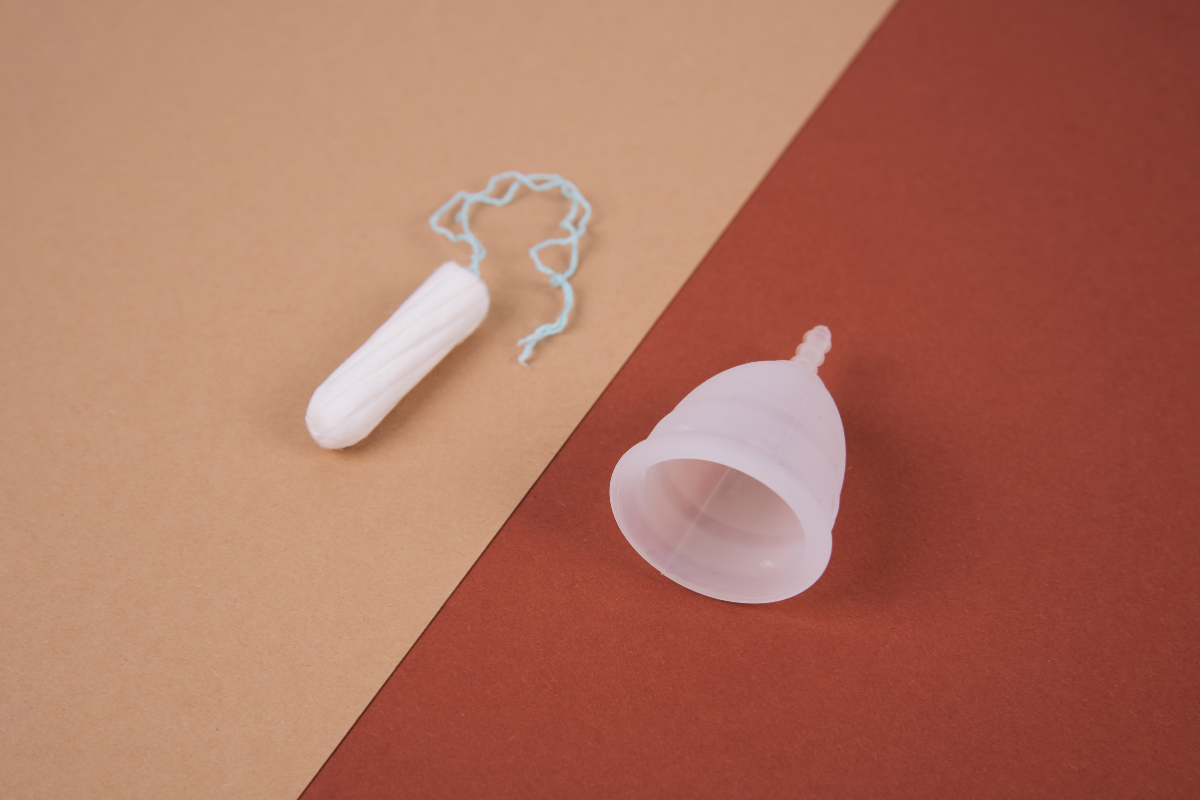
- Tampons: Avoid using tampons when menstruation returns after childbirth. Tampons can increase the risk of infection, especially when the uterus is still healing. Use menstrual panties instead.
- Public baths or swimming pools: It is advisable to avoid public baths or swimming pools for the first few weeks after giving birth to reduce the risk of infection.
- Intense physical activity: For the first few weeks after giving birth, it's advisable not to engage in intense exercise or physical activity, especially if you're bleeding heavily. It's important to allow your body to recover and strengthen gradually.
- Neglecting postpartum care: It's crucial to follow medical advice and take care of yourself during this period. Make sure you get plenty of rest, maintain a healthy diet and stay hydrated.
CONCLUSION
The return of menstruation after pregnancy is an individual process. It's essential to listen to your body, take care of yourself and seek professional support if necessary to get through this postpartum phase in a healthy, balanced way.
Remember, this information in no way replaces professional medical advice. If you have any questions or concerns, we recommend that you consult a qualified health professional.
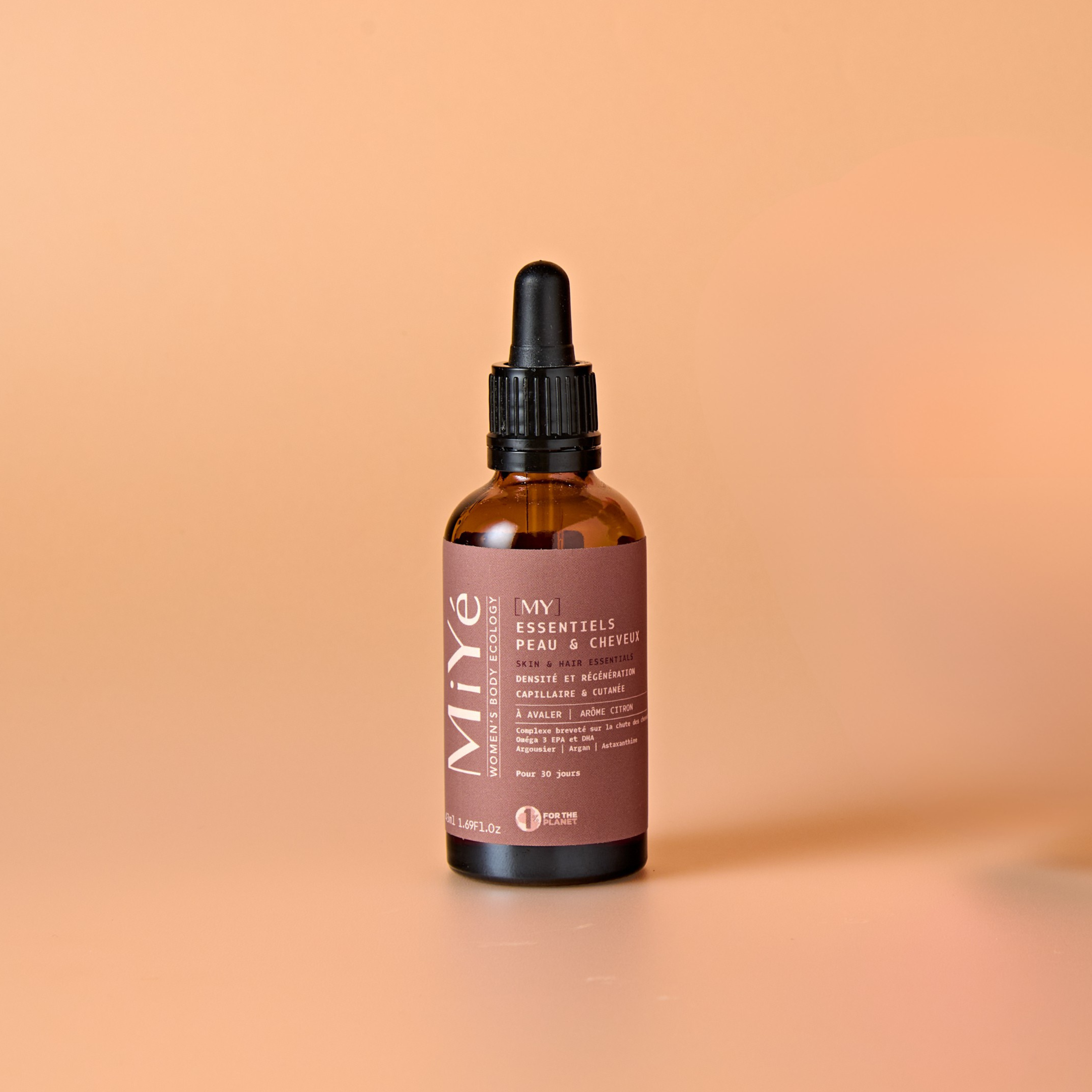
MIYE X PERDIEME
MiYé and Perdième have decided to combine their expertise to bring you
The box includes:
SOURCES:
- National Institute of Health and Medical Research (INSERM)
- National Research Agency (ANR)
- National Association for Research in Psychiatry
- https://www.doctissimo.fr/html/sexualite/hygiene-feminine/articles/gr_6502_retour_couche.htm
- https://www.bepanthengamme.fr/futures-mamans/retablissement-et-sante/vos-regles-apres-laccouchement
- https://www.dictionnaire-medical.fr/definitions/1002-lochiae/
- Learn more about lochia: https://www.perdieme.com/blogs/infos/lochies-saignements-post-partum

Caroline LANSON, co-founder of the Miyé brand, is passionate about plants and well-being: she has over 20 years of experience in developing skincare and food supplements in various laboratories and has also trained in naturopathy.
Share:
Dietary Supplements in France: How to Find Your Way
What are the benefits of saffron ?