














The benefits of Shiatsu
What is shiatsu ?
Shiatsu” is a Japanese word coined in the early 20th century meaning ” finger pressure”.
Shiatsu is a Japanese art of touch that has its origins in the age-old traditions of touch, massage and traditional Asian medicines.
Since the 1950s, it has been recognized as a medicine in its own right and enshrined in the Japanese constitution.
In France, we still have a long way to go to achieve such recognition of this practice…
“the basic principle of shiatsu is that everything is connected”.
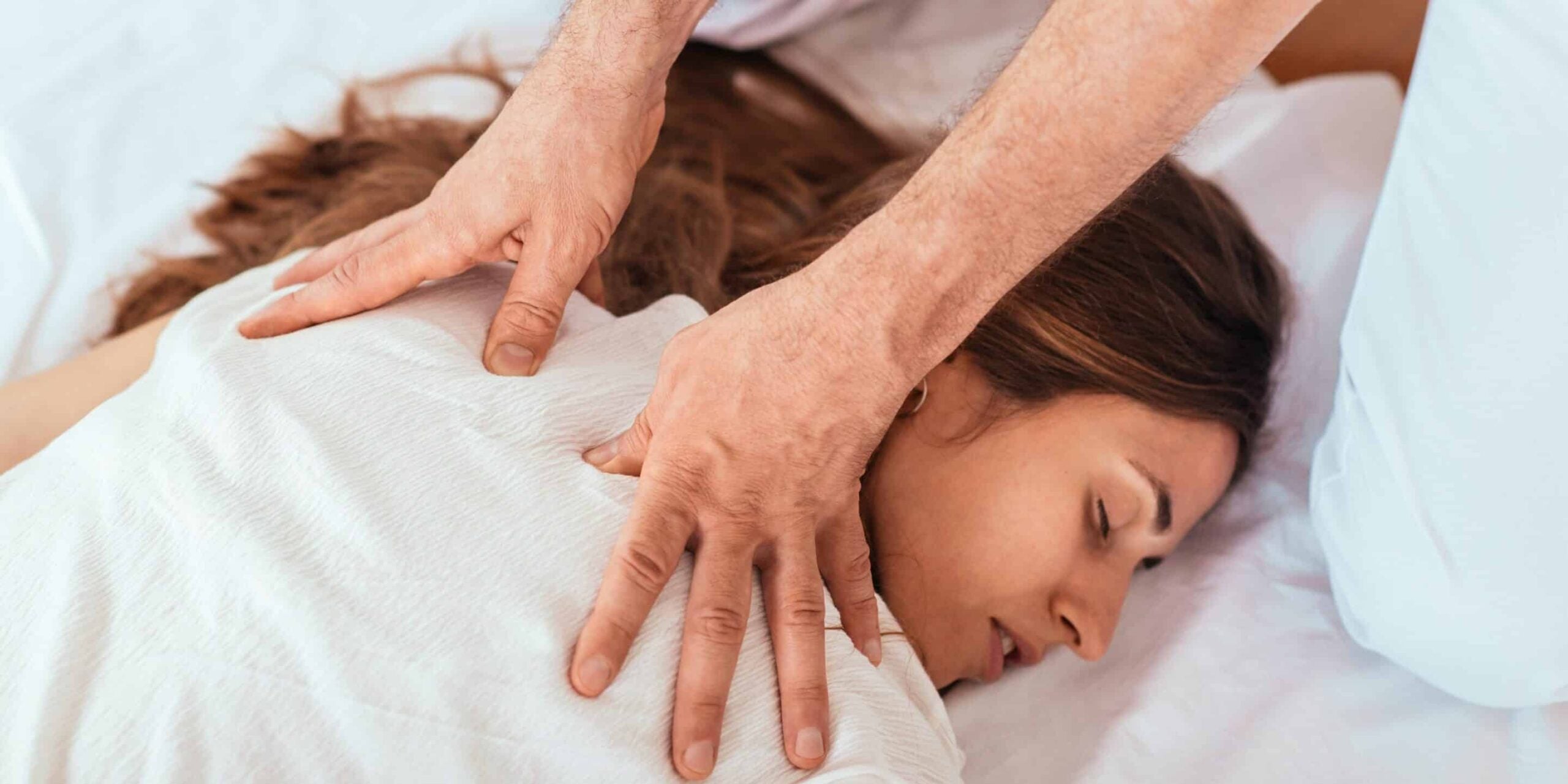
That’s why, during a shiatsu session, you’ll receive pressure with your thumbs and palms all over your body, as well as gentle stretching and mobilization of the joints.
How does it work?
Shiatsu works on four levels:
– Anatomical: we press on muscles, sometimes bones
– Physiological: we stimulate the autonomic nervous system, which regulates homeostasis (the body’s system of self-regulation and self-healing).
– Energetic: we work on the acupuncture meridians, the circulation path of vital energy (Ki).
– Emotional: in oriental energetics, each organ is linked to an emotion. By working on this organ through direct and/or indirect pressure (meridian), excess emotions are released. A saturated organ is one that functions less well; a liberated organ is one that will function optimally.
Clearly, shiatsu has a global action on the body and perfectly integrates the concept of the “mind-body link”.
Shiatsu helps people to better manage their stress and vital energy.
Nervous and endocrine systems – self-regulation of metabolic balance
The nervous and endocrine systems are the body’s two major regulatory systems. They are interconnected and in permanent relationship:
– the nervous system is “hard-wired” with neurons
– the endocrine system works “wi-fi”, as its messages circulate in the bloodstream but have no specific anatomical routes.
The nervous system responds quickly, while the endocrine system responds more slowly but with greater permanence.
These two systems jointly regulate metabolic balance.
Our mind is not aware of its own self-regulation.
Since you’ve been reading this article, have you thought about asking your heart to beat or your pancreas to secrete the right dose of insulin for the absorption of glucose from your last meal? These functions are handled by the “autonomic” nervous system, which works in tandem with your endocrine system to maintain the body’s vital functions at optimum levels.
As we’ve seen, shiatsu acts on the autonomic nervous system (especially when applying pressure along the spine); in turn, it acts on the endocrine system, soothing or stimulating it according to the body’s needs.
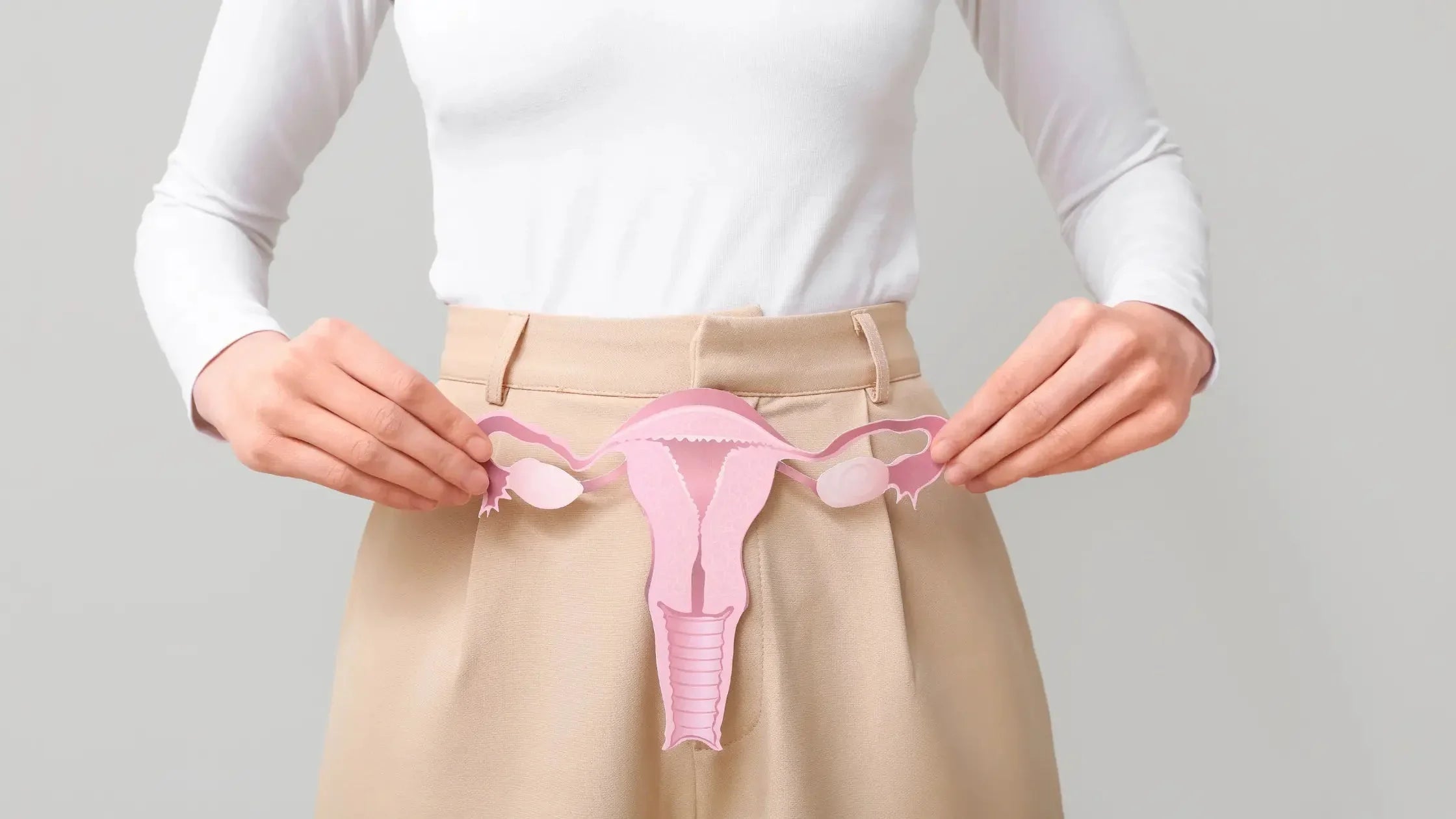
The benefits of shiatsu for certain female endocrine disorders
Shiatsu produces excellent results on chronic menstrual pain, by relaxing pelvic zones and calming the intensity of nervous messages.
Shiatsu has no direct effect on hot flushes during menopause. On the other hand, since we know that shiatsu has a calming effect on stress, stress being a factor which accentuates hot flushes, we can deduce thatshiatsu will help to reduce hot flushes (frequency and intensity) through its action on stress.
Shiatsu has no direct effect on thyroid disorders either.
That said, by working appropriately on the cervical spine, shiatsu can have an interesting effect in addition to conventional treatments.
Are there protocols for endocrine and/or nervous disorders?
My answer is yes and no.
Yes, we know the key zones involved in certain disorders and how to work on them.
“BUT EVERY WOMAN IS UNIQUE”.
Every woman has her own way of reacting to a situation. Somewomen may experience intestinal cramps after a stressful event, while others may experience headaches, heartburn or nausea.
Standard protocols cannot be used to alleviate these problems. The shiatsu professional is familiar with these “standard protocols”, but they will not be applied to the letter, precisely to respond to your uniqueness and specificity. Each shiatsu treatment is unique, because it’s made for you and only you.
Relaxation protocol for use at home
Here’s a little relaxation protocol you can offer yourself:
– Lie on your back, head resting on a small cushion, legs bent, soles of feet flat on the floor.
– Keep in mind that when you apply these pressures, you must exhale without holding your breath with your lips, in a continuous and gentle manner.
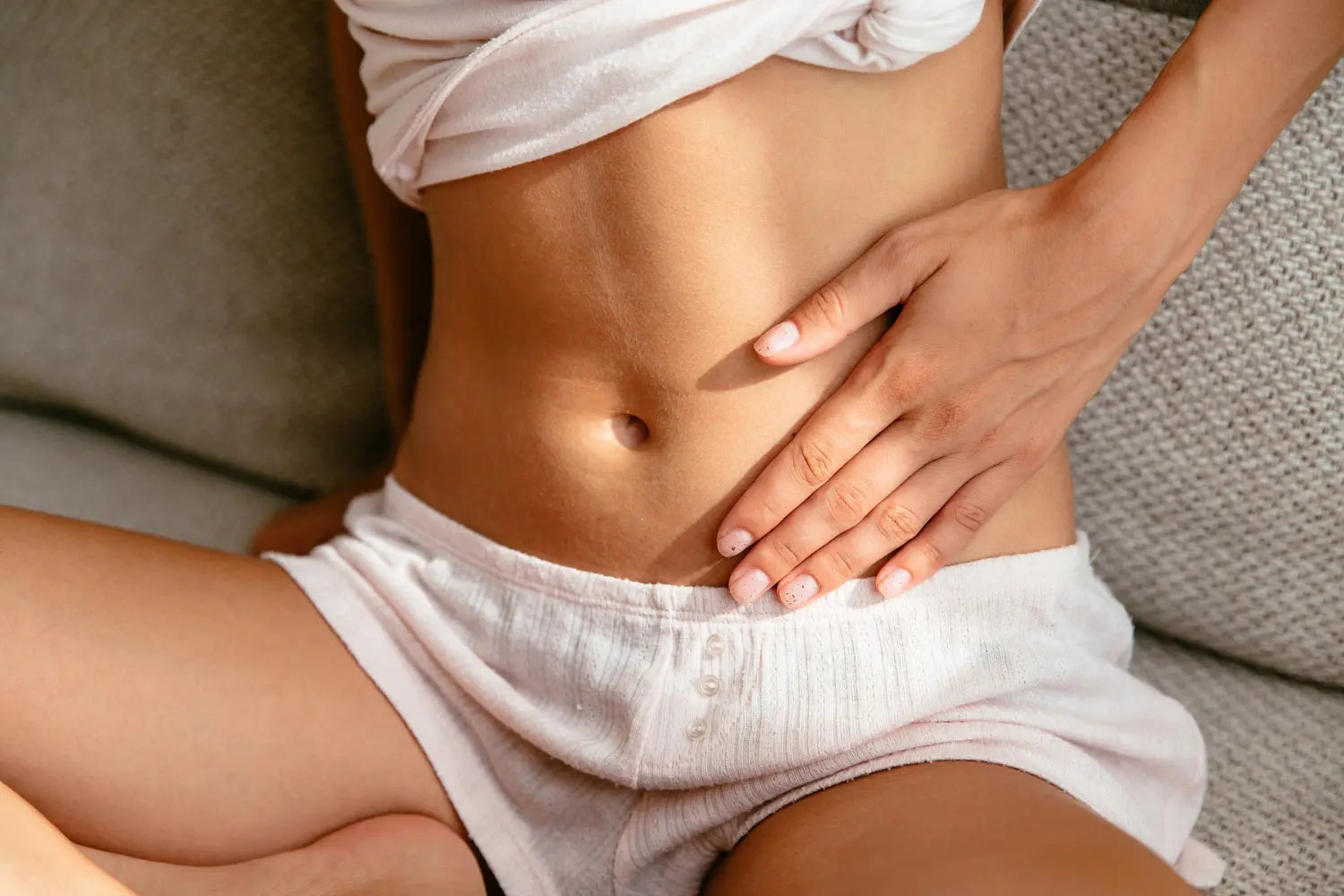
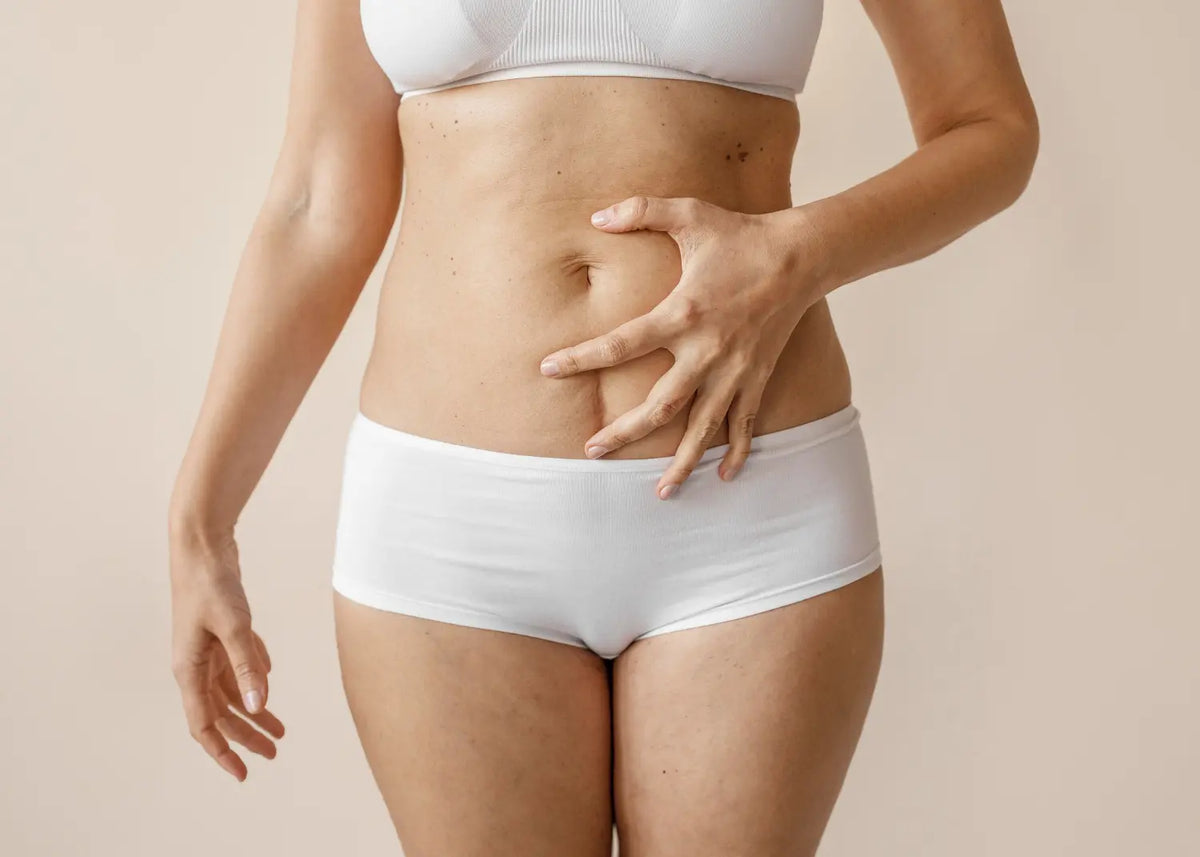
– Using the 4 fingers of your hands, reach for your solar plexus, which is located at the mouth of your stomach, at the end of the sternum in the center of your trunk. Press down until the end of the exhalation. Repeat three times.
– Then, with each breathing cycle, lower your fingers and move the pressure until you come to rest on your pubic symphysis (pubis).
– Using the same pressure pattern with the 4 fingers of your hands and on the exhale, you’ll start on your right and work your way up, forming an arc of a circle back to the starting point (solar plexus), which will run along the bones of your pelvis and ribcage.
– Then continue the arc down your left side until you reach the pubic symphysis again.
– Repeat this complete path as many times as you like.
– Place your hands flat on your navel.
– Move back and forth, in waves, from one side to the other, without lifting your hands.
– Place your hands flat on your navel again and take five conscious breaths.
– Don’t forget to thank yourself for this gift!
A few precautions, however:
– This protocol is not suitable for pregnant women.
– Wait at least 30 minutes after a meal before applying these pressures.
– Do not use this protocol if you have a fever, or if you have undergone abdominal surgery within the last three months.
WARNING: shiatsu does not replace medical treatment. Always talk to your doctor if you feel your current treatment needs to be adapted.
Take care of yourself!

Share:
Hormonal imbalance: What are the signs of a hormonal imbalance in women?