









Trustpilot
Search

Hot flashes: How to prevent and relieve them naturally?

Written by Caroline Lanson

Published on
Updated on
Hot flashes
Hot flashes
Hot flashes can be particularly annoying, especially during the menopause. Fortunately, natural methods exist to prevent and relieve them. From dietary adjustments to herbal remedies and relaxation techniques, it's possible to reduce their frequency and intensity. In this article, discover our tips for managing these symptoms naturally and regaining your daily comfort.
SUMMARY
  1. Understanding hot flashes
  2. Links with female hormonal problems
  3. Discover our natural solutions to prevent hot flashes:
  4. A breath of fresh air: outdoor activities to soothe hot flushes

Discover your hormonal profile in just a few clicks!

TAKE THE TEST

Understanding hot flashes

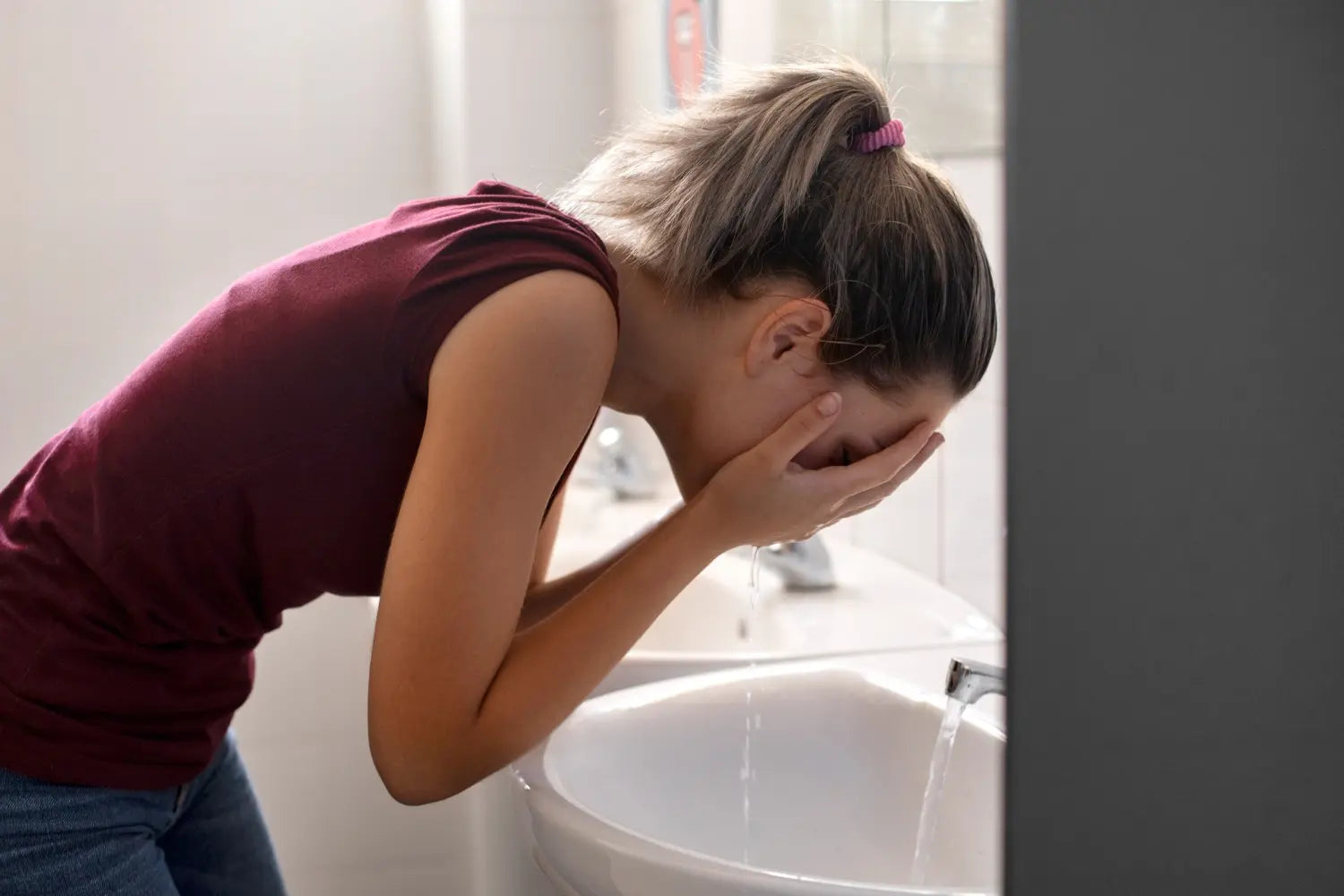
Hot flashes , also known as night sweats when they occur during sleep, are sudden, temporary episodes of intense heat, often accompanied by skin rashes, which mainly affects the upper part of the body.

They are generally felt on the face, neck and chest. 40 to 70% of women are affected

HOT FLASHES

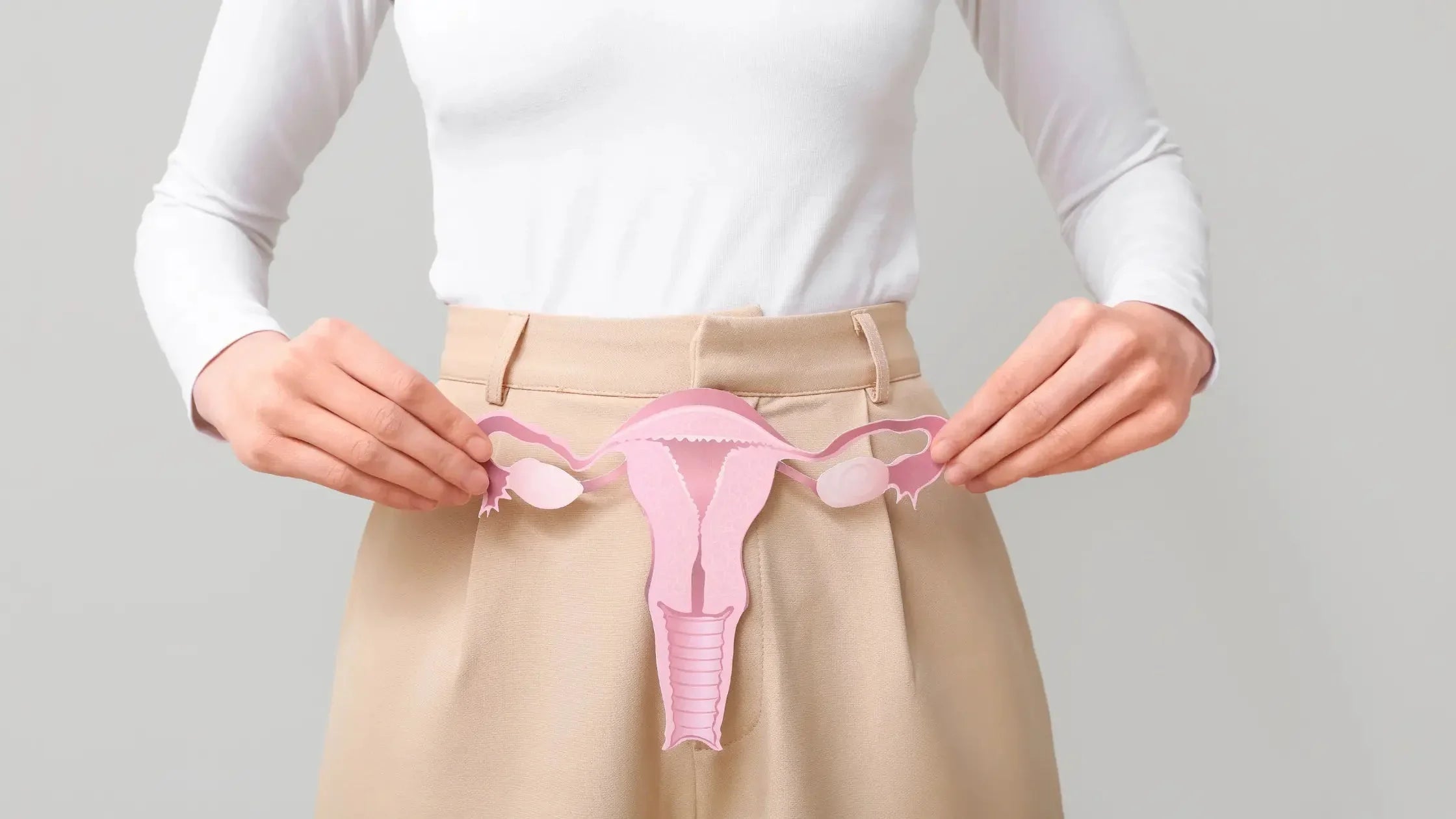
Hot flushes, often associated with the menopausal period in women, have their origins in hormonal imbalances.

More specifically, fluctuating levels of estrogen and progesterone, key hormones in the menstrual cycle, play a key role.

When these hormones enter a transition phase, the body reacts by triggering these sudden episodes of intense heat. These flushes, although undesirable, are actually signals that the body is adapting to these hormonal changes.

So, understanding these links with female hormonal problems is essential to tackling hot flashes naturally and effectively.

Hot flushes can have a significant impact on the quality of life of the women who experience them. In addition to immediate physical discomfort, these intense heat episodes can lead to sleep disruption, affecting recovery and vitality on a daily basis.

As menopausal women who suffer from hot flushes will tell you, this is the biggest inconvenience of menopause. They can affect many aspects of your life, from the quality of your sleep to your social relationships.

But don't worry; there are several solutions you can implement to relieve hot flushes.

Learn how to control them, so that menopause doesn't make you feel cold or hot!

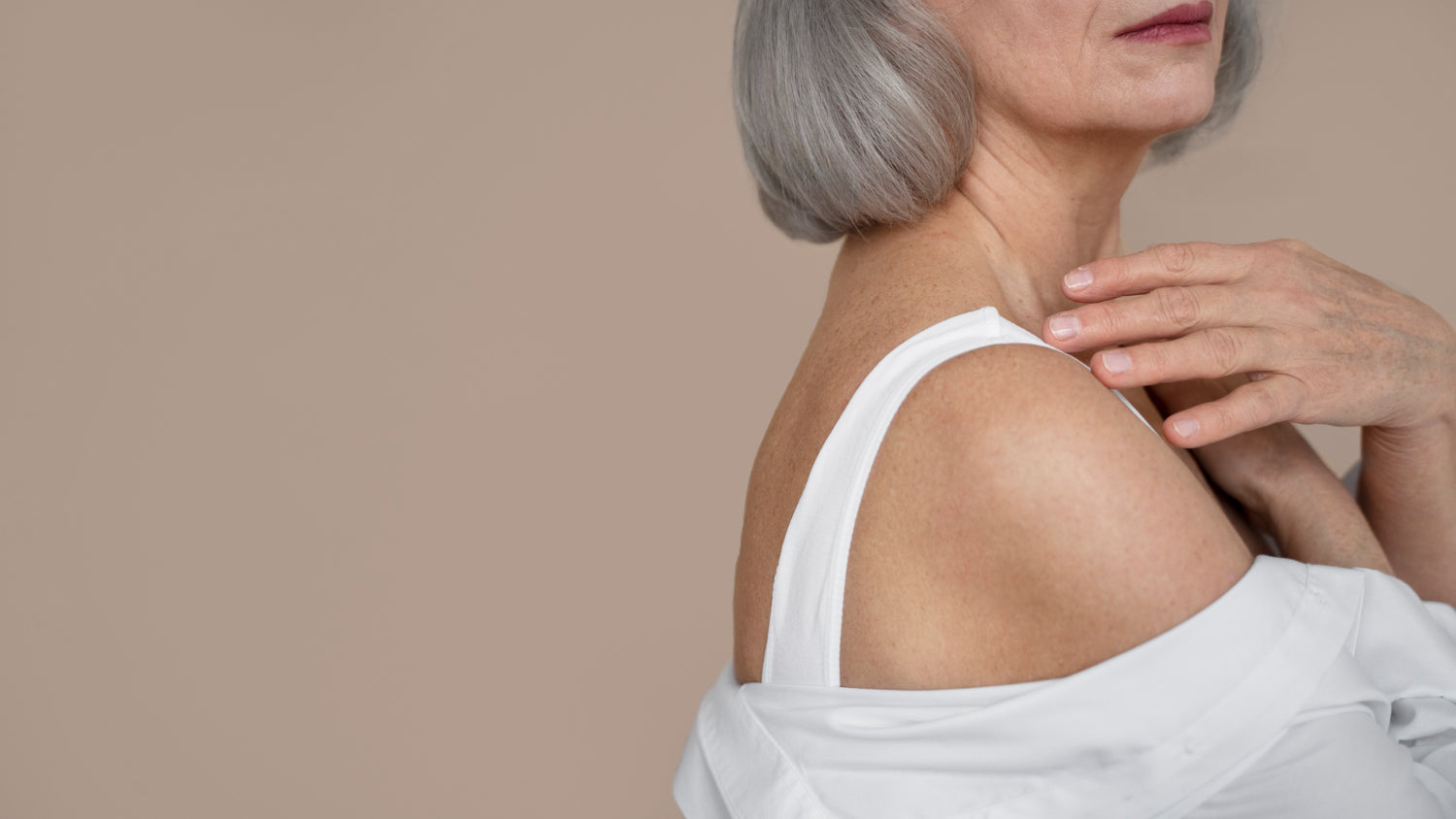
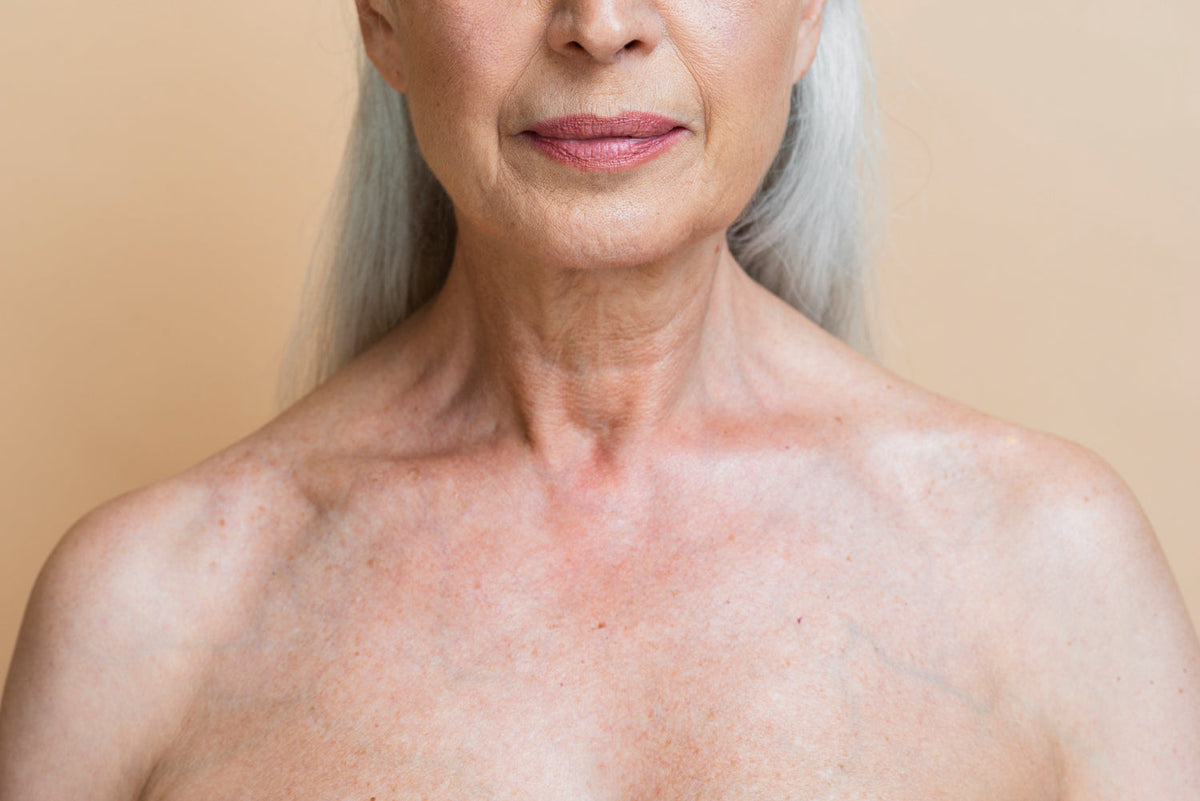
woman's shoulder

Discover our natural solutions to prevent hot flashes:

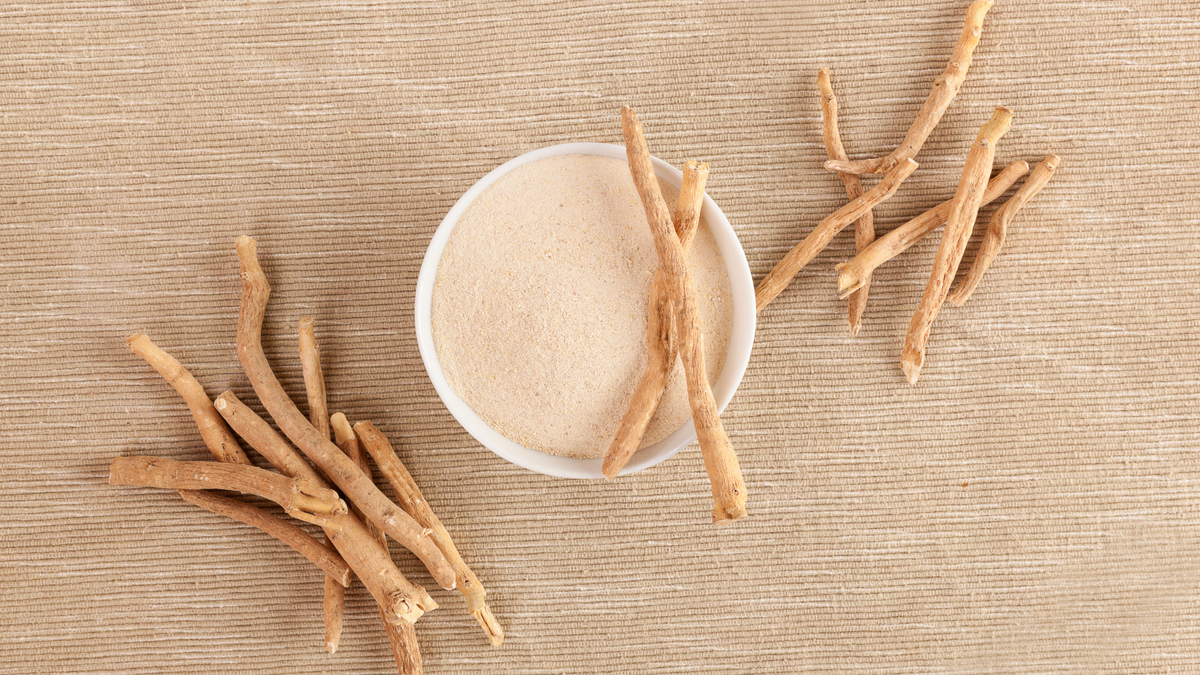
Fortunately, there are natural ways to cope with hot flashes. A balanced diet rich in phytoestrogens such as soy, linseed and vegetables can help maintain stable estrogen levels. Incorporating herbs such as red clover or chaste tree, renowned for their hormone-regulating properties, can also help alleviate these symptoms.

  • Your allies against hot flashes

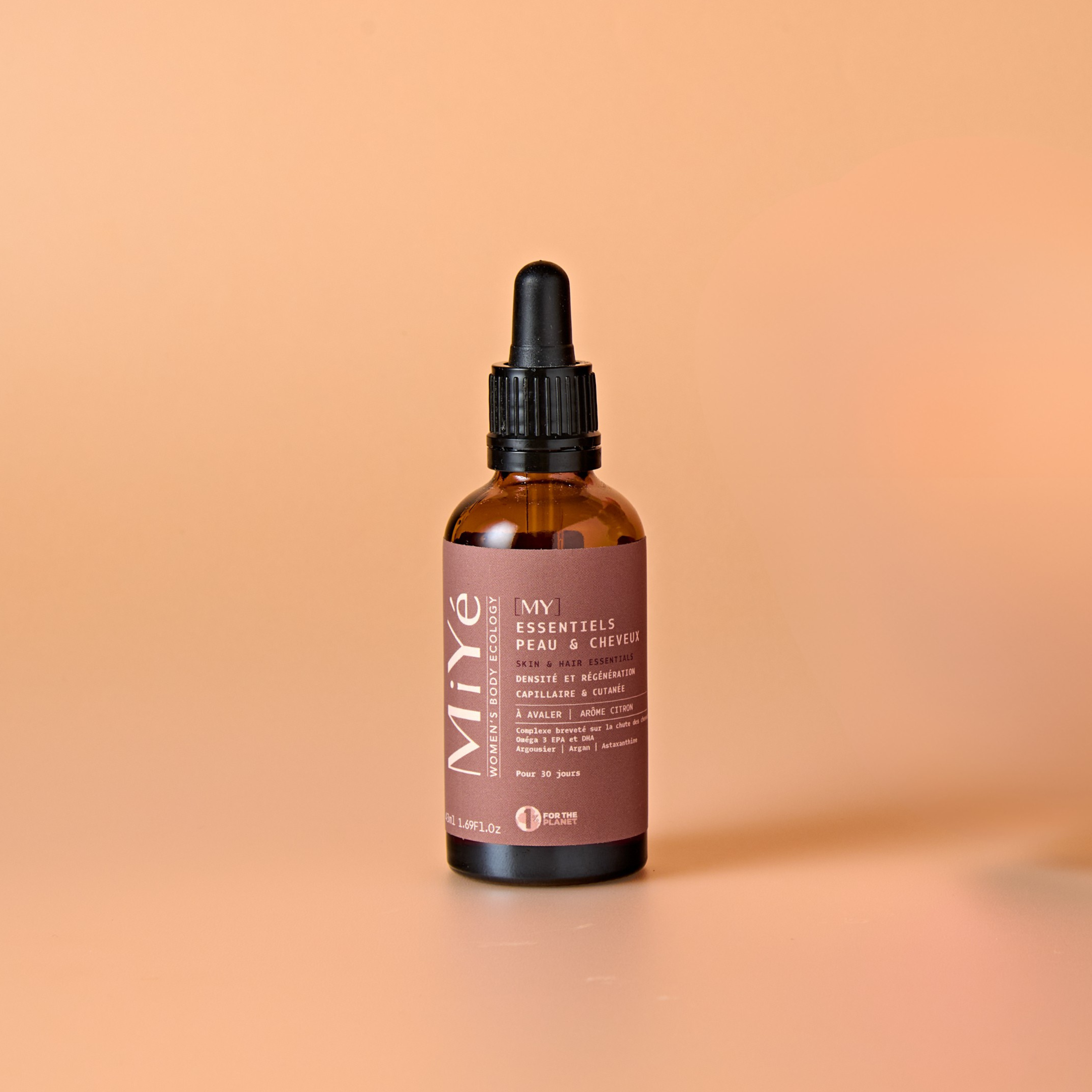
SOS 4 Action Mist has been formulated to moisturize, refresh and protect the skin from free radicals. It is ideal for women whose skin changes during their cycle, and is ideal for hot flashes and/or redness.

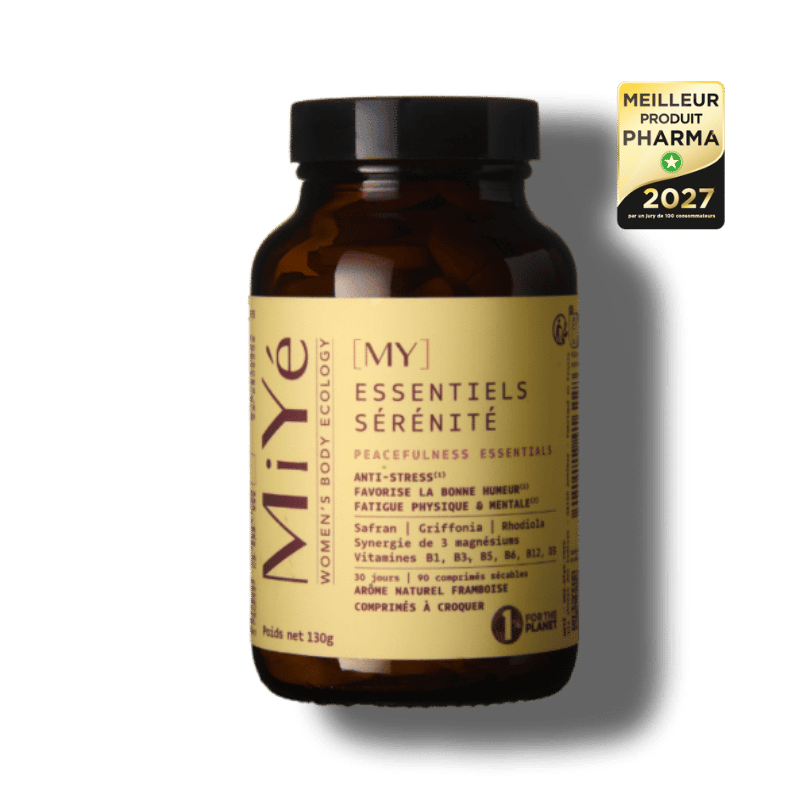
A dietary supplement adapted to women's cycles, specially developed to support women during hormonal variations (premenstrual syndrome, perimenopause…) leading to emotional and physical imbalances (fatigue, mental fog), preserve their hormonal balance and strengthen our metabolism against oxidative stress and inflammation.

  • Customer-proven results

Many women have reported significant improvements, whether in terms of more peaceful sleep, reduced fatigue and mental fog, or greater emotional stability.

100% of testers reported a positive effect on their sleep and comfort during cycles.


FEMALE BALANCE

A breath of fresh air: outdoor activities to soothe hot flushes

To soothe menopausal hot flashes , natural solutions can make all the difference.

Adopting an active lifestyle can go a long way. Regular sporting activities, such as yoga and swimming, are known to regulate body temperature and improve blood circulation, thus reducing the intensity of hot flushes.

Likewise, spending time outdoors can promote a more stable hormonal balance. Walking, hiking or simply taking a moment to relax in nature can be very effective ways of relieving these uncomfortable symptoms.

Combining these activities with a balanced diet and relaxation techniques such as meditation can form a powerful package for managing hot flushes in a natural, serene way.

By understanding the mechanisms of hot flushes and their links with hormonal fluctuations , we can tackle these intense heat episodes naturally and effectively. They shouldn't be an obstacle to a fulfilling life.

With solutions such as a balanced diet, appropriate supplements and outdoor activities, we can alleviate these symptoms and regain daily comfort.

Don't let hot flashes dictate the pace of your life.

Take the kidneys and live your menopause with peace of mind .

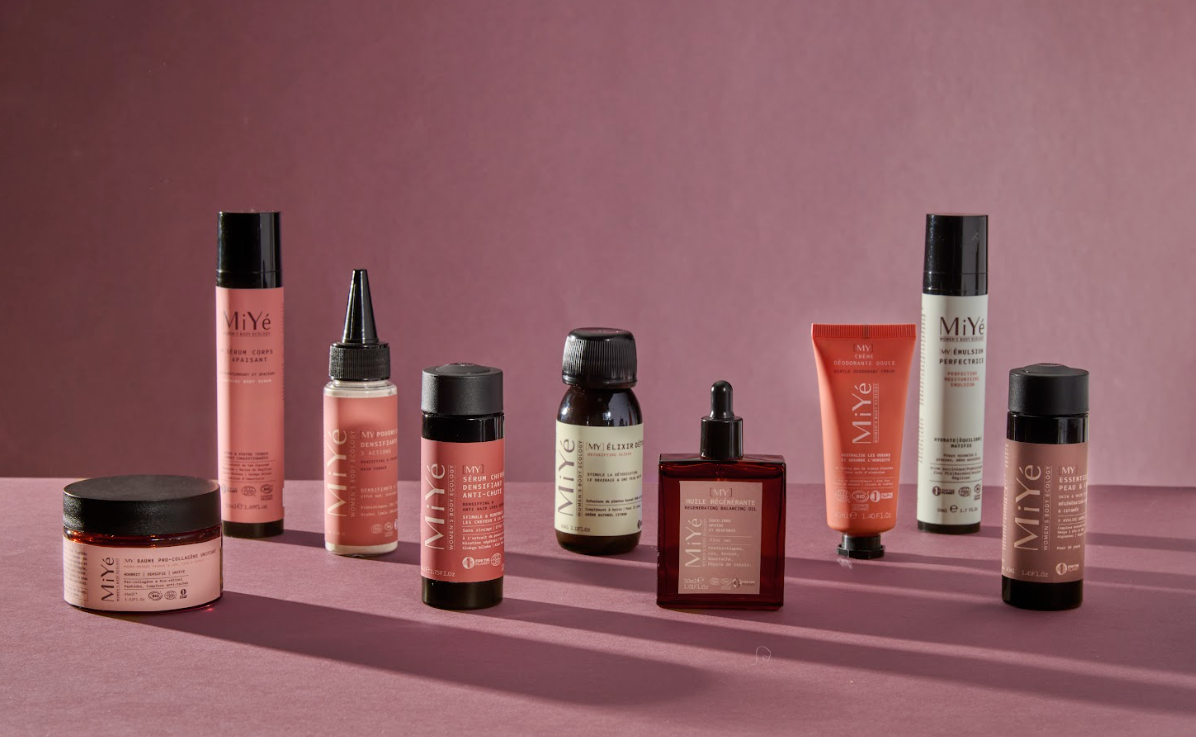
MiYé Products

sources

Menopause: https://lamenopause.fr/chiffres-clefs-de-menopause/

World Health Organization: https://www.who.int/en/news-room/fact-sheets/detail/menopause

National Geographic: https://www.nationalgeographic.fr/sciences/2022/12/est-il-possible-de-guerir-les-bouffees-de-chaleur-un-trait-serait-a-notre-portee

Brunet, Menopausal hot flashes: more than just a heat wave: https://www.brunet.ca/sante/conseils-sante/les-bouffees-de-chaleur-a-la-menopause-bien-plus-qu-une-simple-canicule/

RELATED ARTICLES

inconforts physiques liées aux hormonesjambes lourdes
jambes lourdes et chaleur
  • 0 comments

Heavy legs and heat: the hidden role of hormones and natural remedies

The effect of heat: to regulate its internal temperature, the body dilates blood vessels (vasodilation). This relaxation of the vein walls slows down blood return to the heart, causing pooling, swelling, and a heavy sensation in the lower limbs.

The influence of hormones: fluctuations in estrogen levels increase vascular permeability and promote water retention, making women more prone to heavy legs.

Natural remedies: physical activity, a balanced diet, dry brushing, and the use of botanical extracts offer a holistic approach to soothe inflammation and restore a feeling of lightness.

Read more

Les ingrédients et bioactifs naturels
Phytothérapie et ménopause : les plantes vraiment efficaces pour t'accompagner
  • 0 comments

Herbal medicine and menopause: the truly effective plants to support you

To address the symptoms of menopause, herbal medicine offers natural support based on plant extracts. As a dietary supplement for menopause, its aim is to gradually support hormonal balance and overall comfort, not to replace medical treatment, but to complement it in a scientifically documented manner.

Read more

Dérèglements hormonaux
comment savoir si on est ménopausée
  • 0 comments

How do you know if you're menopausal ? Symptoms, age, and tests to find out for sure

Menopause is officially confirmed after 12 consecutive months without a period, in the absence of any other cause (pregnancy, birth control pills, medical condition). If there is any doubt, particularly before age 45 or while using contraception, a blood test measuring FSH and estradiol levels can confirm the diagnosis. Several warning signs (hot flashes, irregular cycles, sleep disturbances) can be present well before this definitive cessation of menopause.

Read more

Dérèglements hormonaux
comment perdre du poids à la ménopause
  • 0 comments

Menopause and weight gain : why our body changes and how to regain balance

Menopause and weight gain are often associated as two simultaneous events. In reality, the first pounds usually appear during perimenopause, this transitional period that begins as early as 42-45 years of age, several years before menstruation ceases permanently. Even at this stage, hormonal fluctuations are already significant: cycles become irregular, estrogen levels vary erratically before gradually declining. These variations are enough to trigger a redistribution of body fat and a noticeable metabolic slowdown.

Read more

Digestion
postbiotique
  • 0 comments

Postbiotics : Everything you need to know about these compounds that are beneficial for your health

Postbiotics are molecules and fragments resulting from the activity of probiotics. Although inanimate, they exert measurable beneficial effects on the host's health. Unlike probiotics, which are live microorganisms consumed to rebalance the gut flora, postbiotics refer to preparations of inactivated bacteria or metabolites (short-chain fatty acids, peptides, polysaccharides, etc.). They interact directly with the microbiota, the intestinal mucosa, and the immune system, and, via the gut-brain pathway, influence overall well-being. Recognized by the International Scientific Association for Probiotics and Prebiotics (ISAPP), they represent an emerging and complementary approach to digestive health.

Read more

Dérèglements hormonaux
4 types de sopk
  • 0 comments

The 4 types of PCOS: how to identify yours to better treat it

Accurately identifying your PCOS subtype allows treatment to be tailored to the underlying causes: insulin resistance, adrenal hyperandrogenism, low-grade inflammation, or simply the post-pill transition. This targeted approach not only improves cycle regularity and fertility but also helps prevent metabolic and cardiovascular complications.

Read more

Dérèglements hormonauxRègles
couleur des regles signification
  • 0 comments

What do the different colors of your period mean ? Understanding your flow

The color of menstrual blood naturally changes throughout the cycle, primarily due to the amount of time the blood is exposed to oxygen and the rate at which it is expelled from the uterus. At the beginning of the flow, the blood is often bright red: it is fresh, oxygenated, and flows quickly. Later, as the flow slows, the blood remains longer in the uterus or vagina, oxidizes, and turns darker shades, such as burgundy or dark brown. Observing the color of your period helps you learn to interpret your body's signals and distinguish between what is normal and what might require medical attention.

Read more

Dérèglements hormonauxInconforts physiques liés aux hormones
Fatigue avant et pendant les règles : pourquoi votre corps s'épuise chaque mois (et comment y remédier naturellement)
  • 0 comments

Fatigue before and during menstruation: why your body gets exhausted every month (and how to remedy it naturally)

Key takeaways Fatigue during periods is hormonal: the sudden drop in estrogen and progesterone at the end of the cycle reduces energy (up to -30%) and affects around 75% of women. The cycle directly influences your energy: there is a...

Read more

Dérèglements hormonauxInconforts physiques liés aux hormones
Pourquoi mes règles empirent-elles ? Causes et solutions naturelles
  • 0 comments

Why are my periods getting worse ? Causes and natural solutions

Key takeaways Increasing inflammation : over time, the body produces more prostaglandins → stronger uterine contractions + lack of oxygen → more intense pain. Hormonal imbalance : excess estrogen vs progesterone makes the uterus more sensitive and amplifies pain (up...

Read more

Dérèglements hormonauxInconforts physiques liés aux hormones
Ménopause et brouillard mental : Qu'est-ce que le brain fog ?
  • 0 comments

Menopause and brain fog: What is brain fog ?

Menopausal brain fog, also known as mental fog, refers to the feeling of a cluttered mind, characterized by forgetfulness, difficulty concentrating, and slowed thinking. You are not alone: many women experience these symptoms during the transition to menopause, often due to the drop in estrogen levels.

Read more