






A FREE product of your choice from 80€ of purchase
Search

What are the harmful effects of hot water on skin microbiota ?

Written by Nina Cecchi

Published on
Updated on
peau
peau
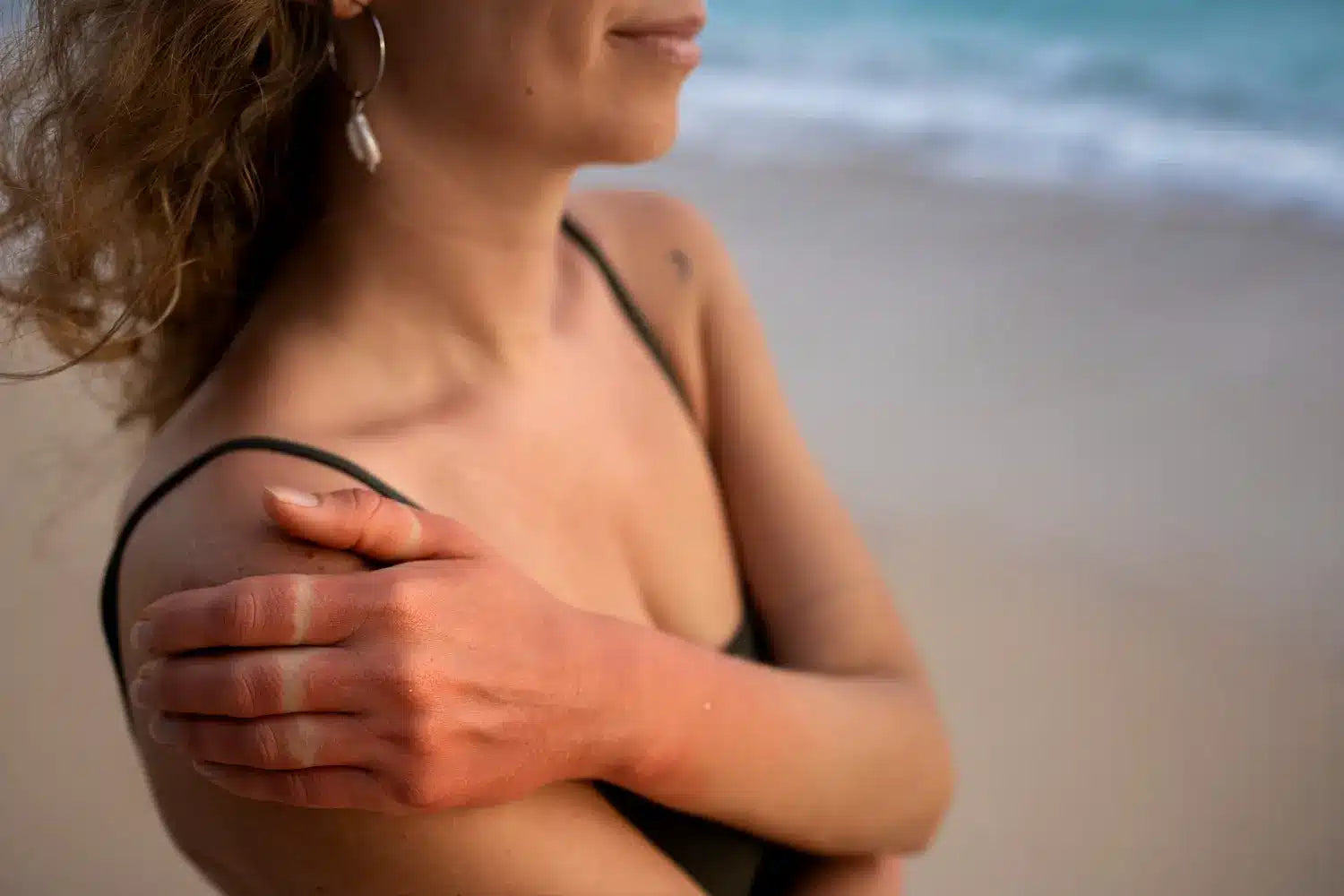
Hot water may seem pleasant in the shower, but it can have harmful effects on the skin's microbiota. By destroying the skin's natural oils and upsetting the microbial balance, hot water can cause dryness, irritation and increased sensitivity. Find out why it's important to choose lukewarm water to preserve the health of your skin and its microbiota.
SUMMARY
  1. How can hot water damage your skin’s microbiota ?
  2. What is skin microbiota ?
  3. The harmful effects of hot water on the skin
  4. What happens during menopause ?

Discover your hormonal profile in just a few clicks!

TAKE THE TEST

How can hot water damage your skin’s microbiota ?

We all know that hot water can be soothing, especially after a stressful day.
But did you know that hot water can do more harm than good to your skin’s microbiota?
Let’s find out why, and what you can do to minimize the damage.

peau

What is skin microbiota ?

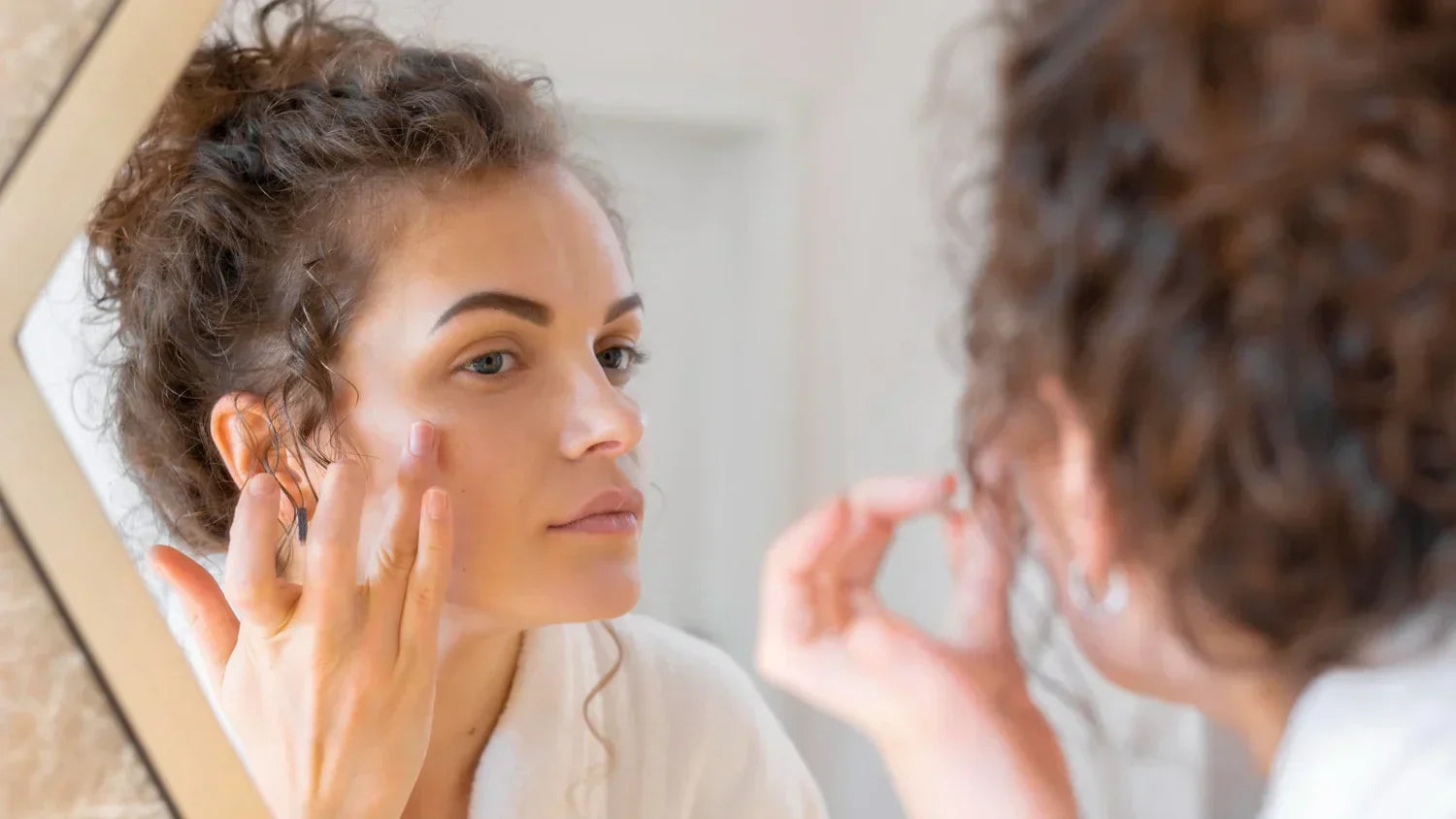
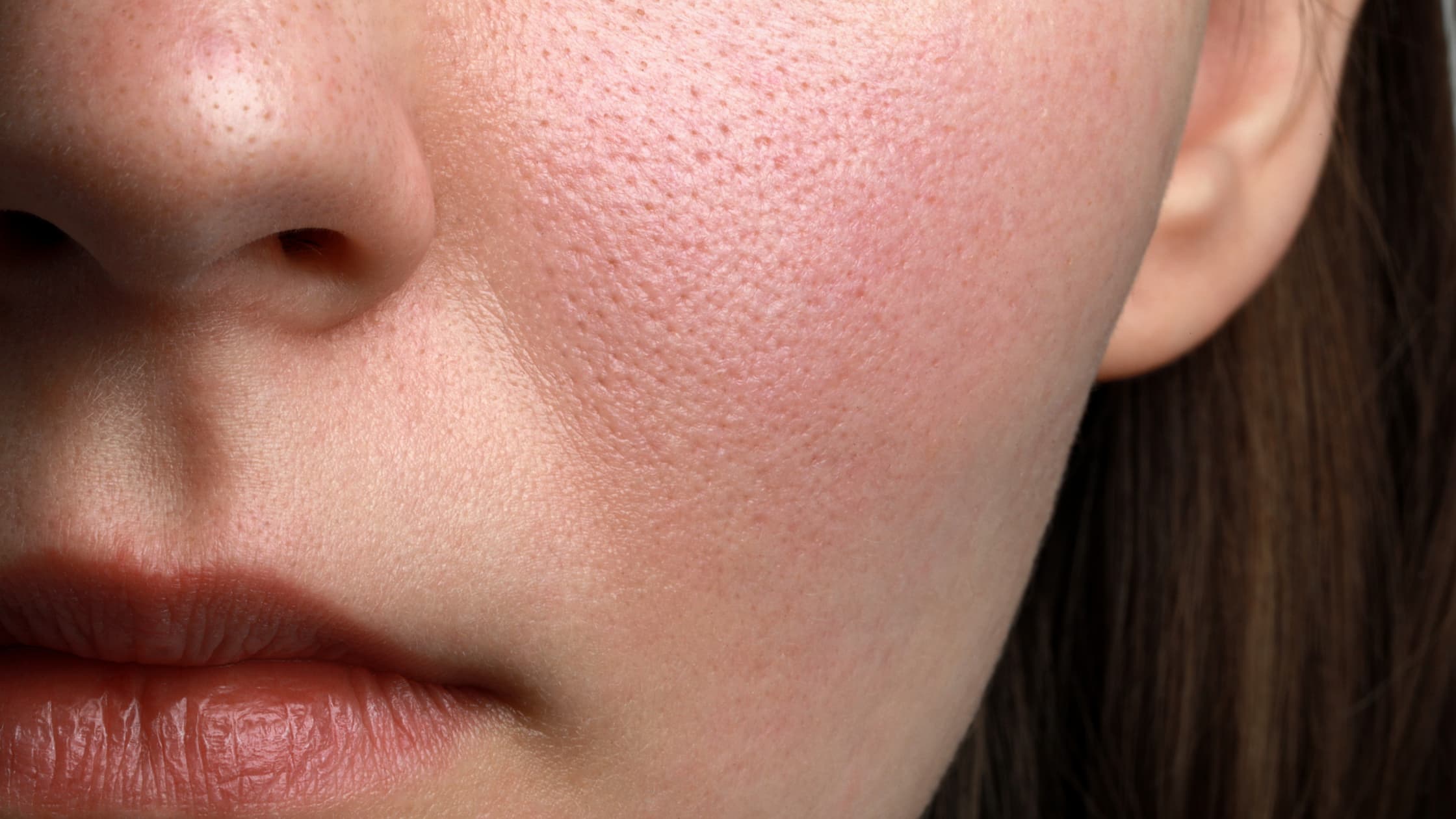
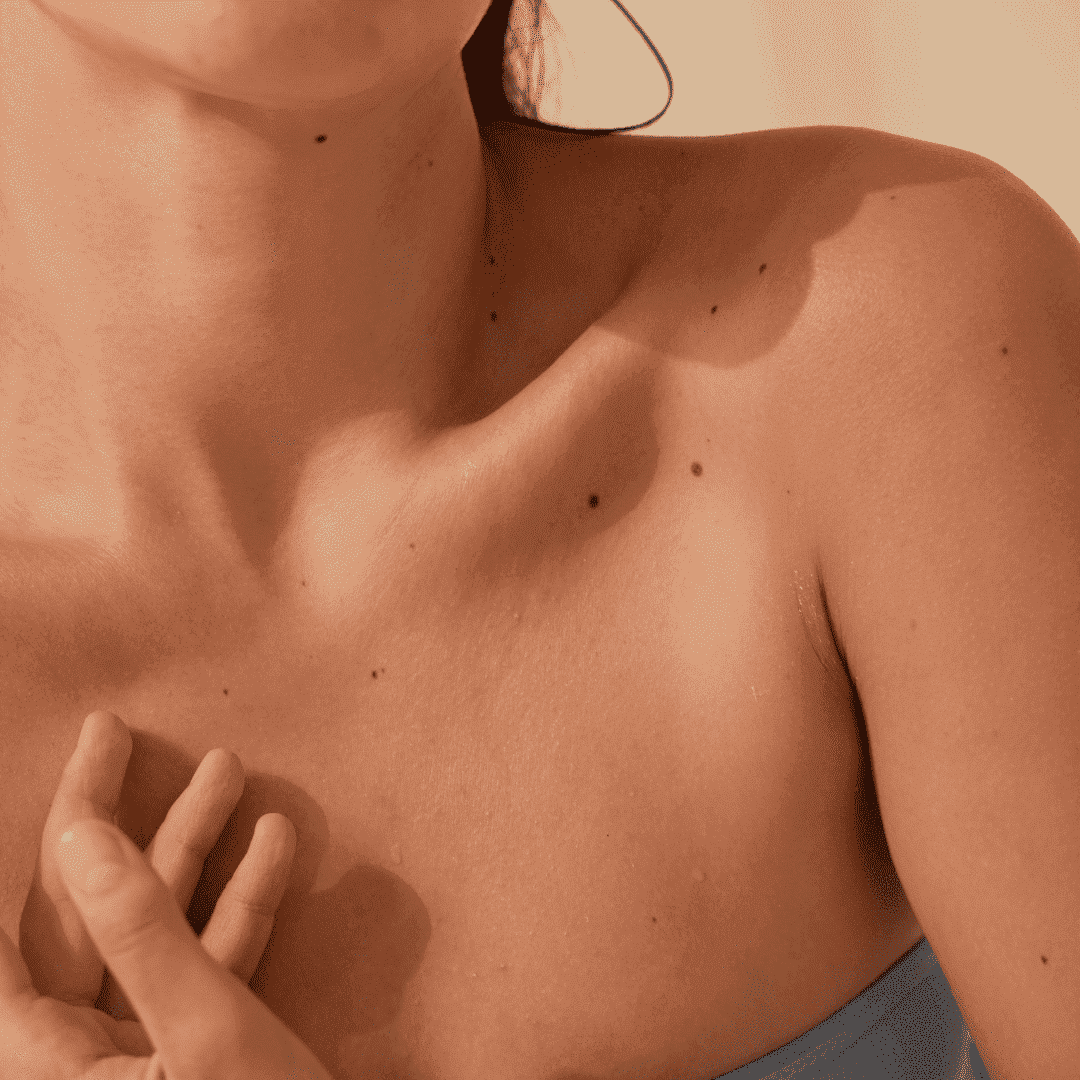
The cutaneous microbiota is made up of the many micro-organisms: bacteria, fungi and viruses that live on our skin. This unique ecosystem protects us from harmful pathogens and also contributes to the proper functioning of the skin, which means it’s very important to take steps to preserve it.

The skin microbiota is an individual marker, as it varies quantitatively and qualitatively from one person to another. Variables such as age, gender, immune system, pH, temperature and humidity will modify the composition of the skin’s microbiota.

In other words, the skin microbiota is the external part of the human organism’s microbiota, commonly referred to as the biofilm. It is often referred to as the “second genome”, as the microorganisms that make it up far exceed the host in genomic mass. It is also often referred to as “cutaneous flora”. The skin of an adult is home to an average of 1,000 billion bacteria, and 1,000 species of fungi, viruses and arthropods. This microbiota lives on the surface and in the superficial layers of the epidermis, creating a complex ecosystem.

Its main function is to protect the skin against the invasion of opportunistic bacteria, both pathogenic and non-pathogenic, while stimulating the cutaneous immune system, promoting our well-being.

The harmful effects of hot water on the skin

Unfortunately, hot showers are not very good for the skin’s microbiota. Long, frequent exposure to hot water can eliminate beneficial bacteria while upsetting your skin’s pH balance. This can make you more vulnerable to infections and other skin problems such as acne or eczema. What’s more, some studies suggest that high temperatures can even promote inflammation in the body.

What happens during menopause ?

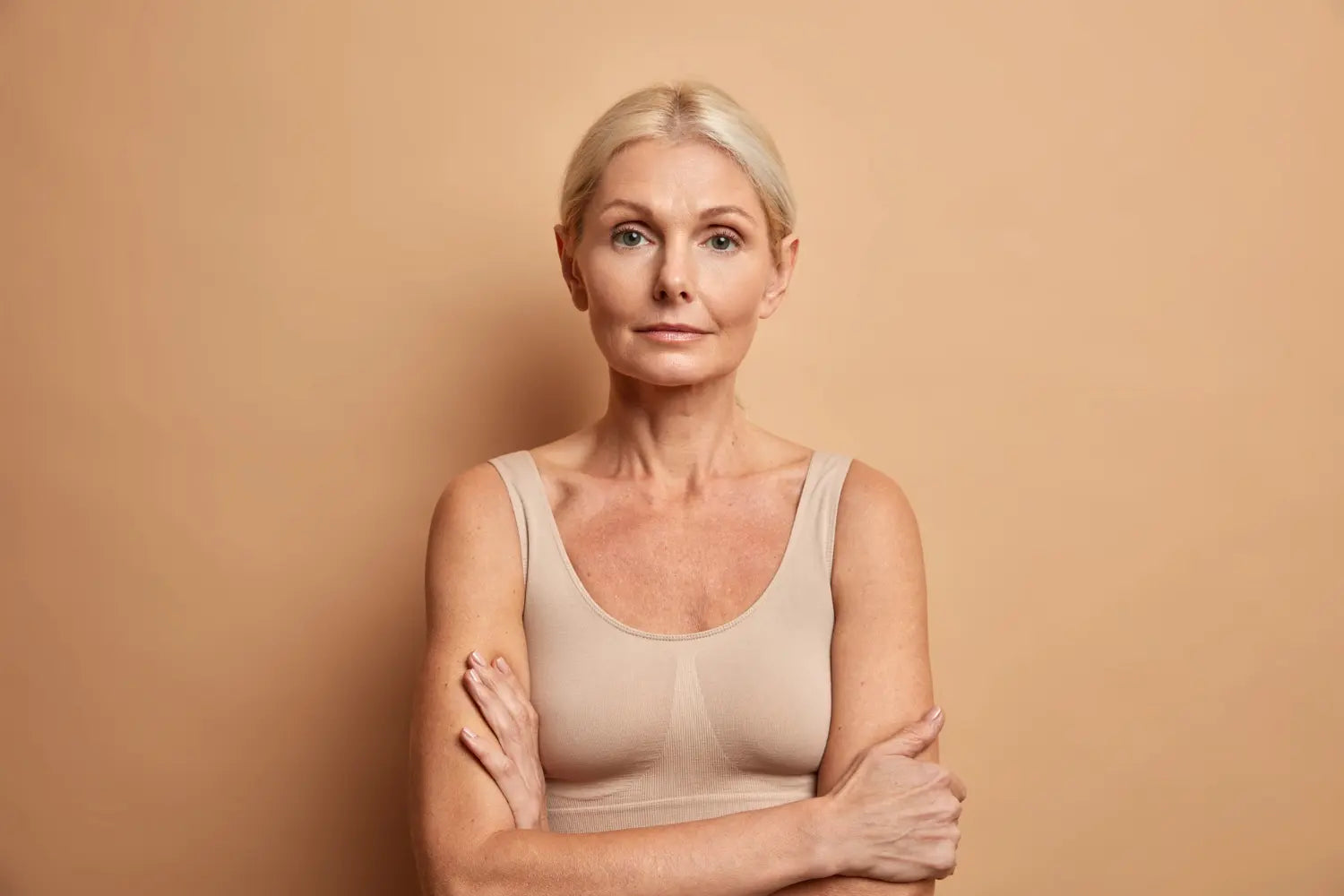
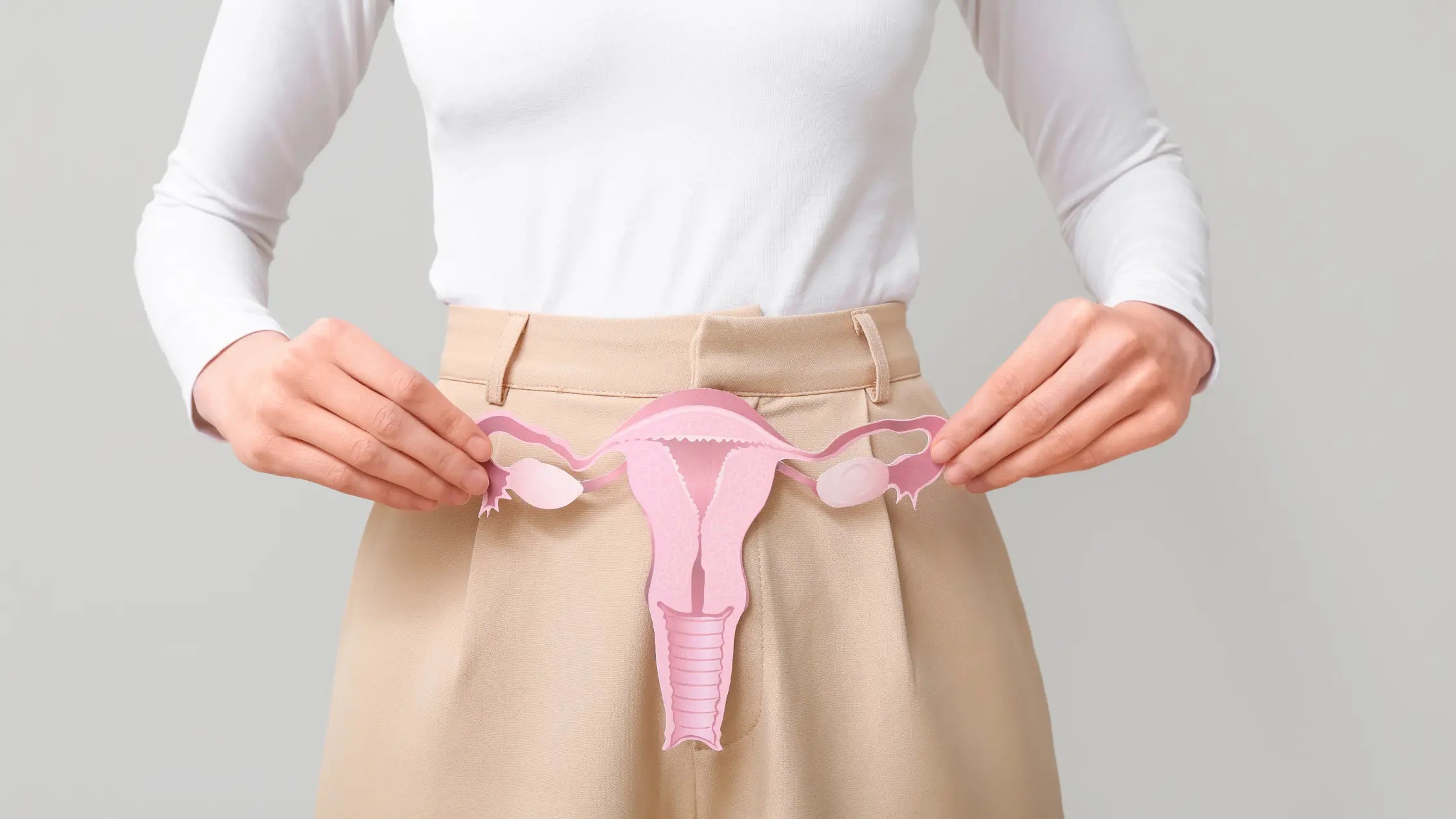
The menopause is characterized by the cessation of ovarian function. The ovaries no longer produce estrogen, leading to a number of bodily changes, such as the end of menstruation, hot flushes and night sweats. These hormonal changes also cause intimate changes, including vaginal dryness and an unbalanced microbiota.

The menopause promotes intimate dryness, and some women may experience itching, irritation or even a burning sensation in the vagina. They may also become susceptible to vaginal infections accompanied by odorous discharge.

  • Strengthen your microbiota with probiotics:

Several studies have shown that oral or vaginal probiotic supplementation in menopausal women restores normal levels of lactobacilli in the vaginal microbiota.

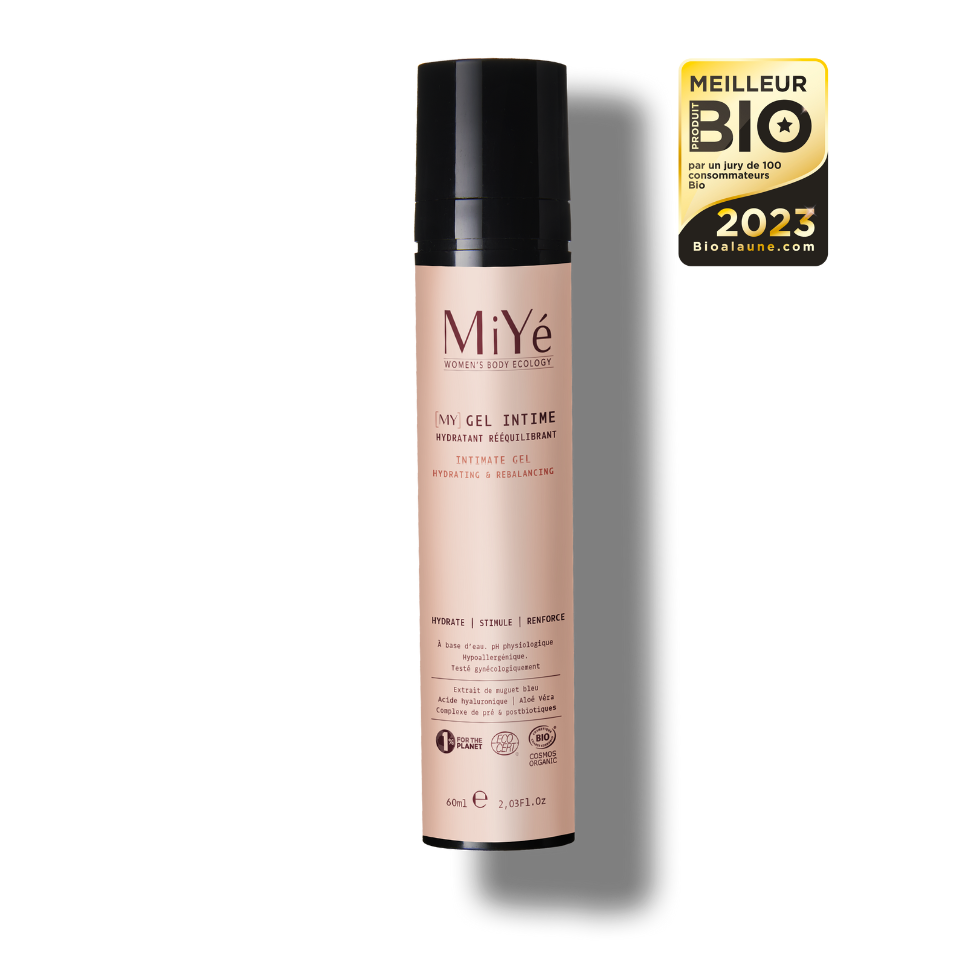
You can find our 1st intimate care product, intimate gel Intimate Gel, designed to improve intimate comfort and feminine well-being.


Mini gels intime

Gels différence taille

  • Take care of your intestinal microbiota:

People with skin conditions have an altered gut microbiota, suggesting a link between gut and skin microbiota. A healthy digestive system is therefore a good starting point for healthy skin.

  • Preserve the regeneration of skin microbiota that takes place at night, by choosing gentle products.

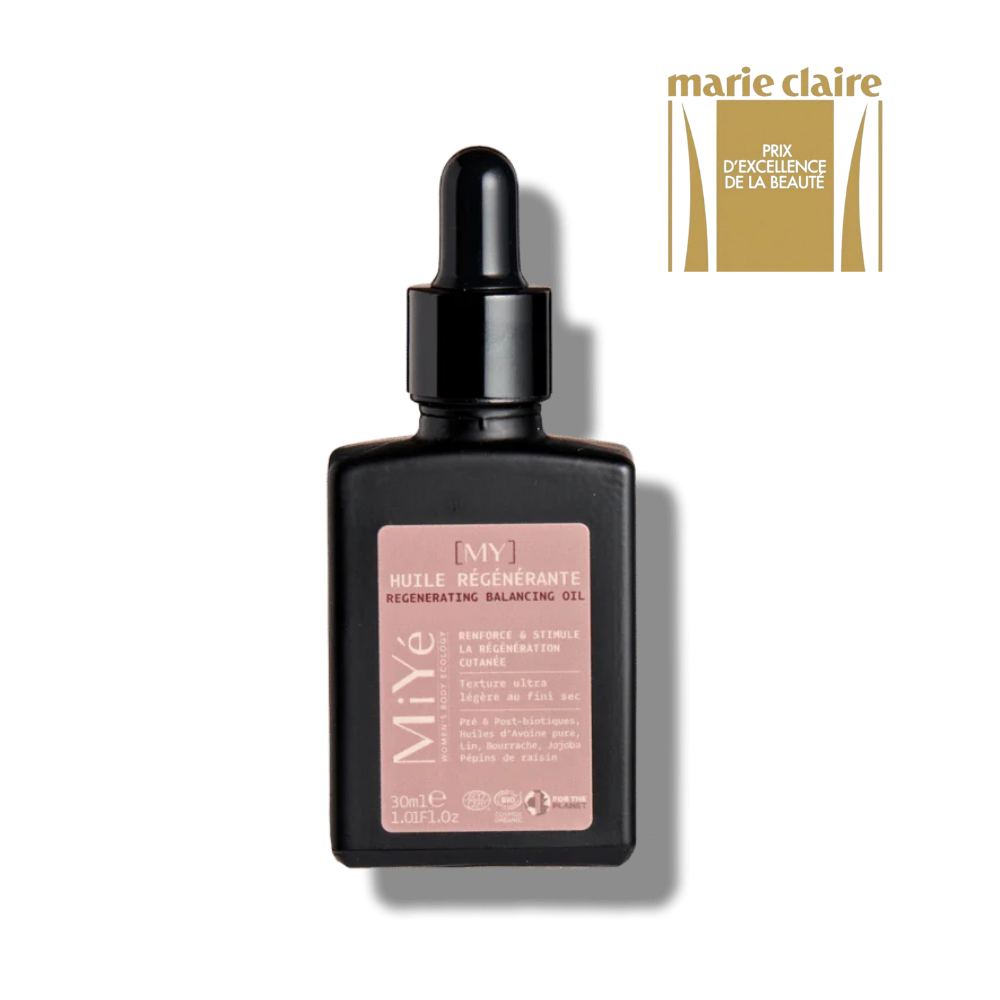
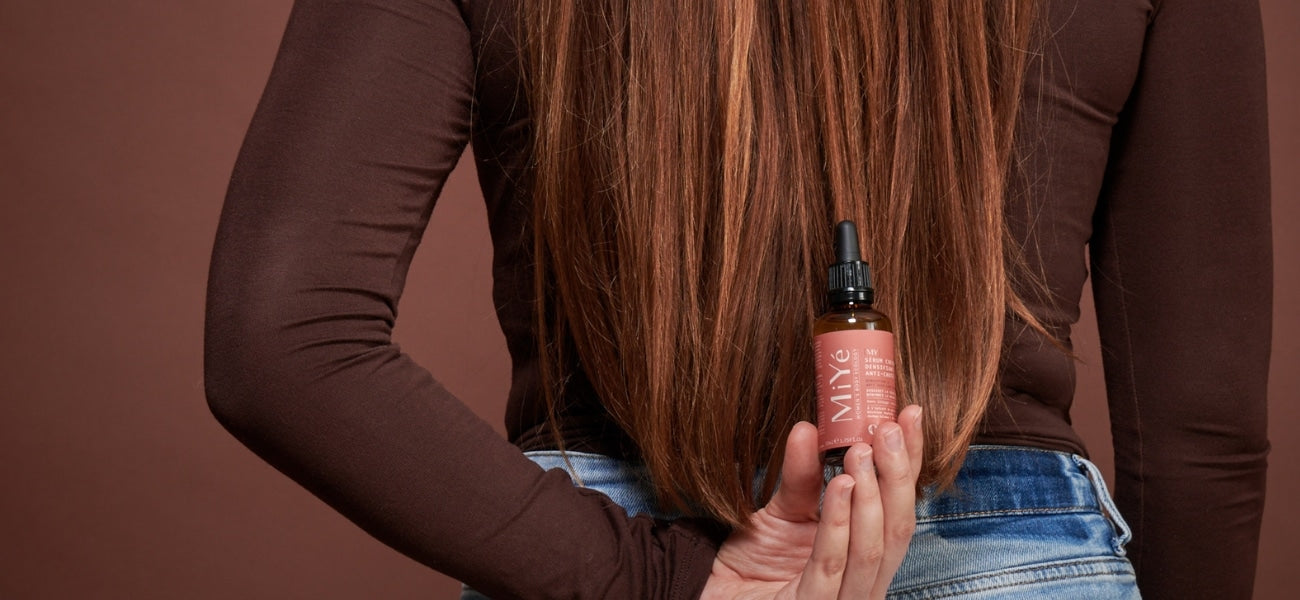
Take a look at our Regenerating Oil, designed to preserve the balance of the skin’s microbiome, combat oxidation and stimulate the skin’s regeneration mechanisms.


Huile

Did you know ?
Most dermatologists recommend 2/3 cat toilets a week rather than showers!
Leave a comment

Please note, comments need to be approved before they are published.

This site is protected by hCaptcha and the hCaptcha Privacy Policy and Terms of Service apply.

RELATED ARTICLES

Dérèglements hormonauxDigestion
endobelly endométriose
  • 0 comments

Endobelly: When endometriosis causes a bloated stomach

Do you regularly experience abdominal pain and bloating ? This discomfort, often called endobelly, affects more than 90% of women with endometriosis. You may experience intense bloating, abdominal pain, digestive issues (constipation, diarrhea, nausea), and a abdomen that can give the impression of pregnancy. These symptoms often worsen around your period. Behind this bloating lie inflammation related to endometriotic lesions, hormonal fluctuations, adhesions, and even an altered gut microbiota. You might sometimes mistake it for irritable bowel syndrome, but the synchronization with your menstrual cycle is a valuable clue.

Read more

Dérèglements hormonauxInconforts physiques liés aux hormones
nausées règles
  • 0 comments

Why do you experience nausea before and during your period ?

Why do these nausea symptoms accompany menstruation? That's the question, and the answer is clear: hormonal changes disrupt the body and trigger a digestive storm that affects so many women worldwide. If your energy is evaporating and your stomach is silently clenching, you belong to a large, discreet group. This discomfort is far from trivial; it disrupts routines, alters appetites, and interrupts sleep.

Read more

Dérèglements hormonauxDigestion
digestion difficile remède grand mère
  • 0 comments

Indigestion: Natural and effective home remedies

Do you sometimes feel like your digestion takes too long, or that your stomach is bloated or painful? Simple remedies, such as a pinch of baking soda in a large glass of water, a drop of diluted peppermint essential oil, or an infusion of artichoke and black radish, can quickly bring relief. These family traditions, passed down through generations, work gently to soothe your digestive system and reduce bloating and water retention.

Read more

Dérèglements hormonauxInconforts physiques liés aux hormones
ventre gonflé règle
  • 0 comments

Bloating before menstruation: hormonal causes and solutions

If you've ever experienced bloating before or during your period, know that you're not alone. Many women experience this discomfort linked to the hormonal fluctuations of the menstrual cycle. You're probably familiar with that feeling of a tight stomach, as if your body is trying to retain every last drop of water, making your abdomen feel heavy and uncomfortable. This "bloating period" affects many women, whether they have a completely "normal" cycle or suffer from endometriosis, sometimes referred to as "endo belly," with its associated pain and bloating.

Read more

Dérèglements hormonauxInconforts physiques liés aux hormones
syndrome du gros ventre
  • 0 comments

Why do we talk about the "big belly syndrome" in women ?

The "bloated belly" syndrome in women manifests as a swollen abdomen that often feels uncomfortable. This phenomenon can be linked to various factors: digestive disorders such as irritable bowel syndrome, celiac disease, or endometriosis; hormonal fluctuations related to the menstrual cycle or menopause; water retention; stress; or even an accumulation of abdominal fat. If you experience bloating after meals, abdominal pain, or slower digestion, it's natural to wonder what's really behind this swollen belly.

Read more

Dérèglements hormonauxDigestion
ventre hormonal
  • 0 comments

Hormonal belly in women: understanding and taking action

The "hormonal belly" refers to an accumulation of deep abdominal fat, often linked to hormones in women. During menopause, the drop in estrogen facilitates the storage of visceral fat around the organs, and excess cortisol during periods of stress further exacerbates this phenomenon. This fat, being more inflammatory and metabolically active, can make localized weight loss particularly challenging.

Read more

Dérèglements hormonauxInconforts physiques liés aux hormones
ventre gonflé stress
  • 0 comments

Stress and bloating : the impacts on your well-being

If you experience bloating due to stress, know that stress is often the cause of these bloating and intestinal gases. Indeed, chronic stress, through the release of cortisol, disrupts your digestive system: it slows gastrointestinal motility, unbalances your gut microbiota, and can lead to constipation or abdominal pain.

Read more

Dérèglements hormonauxInconforts physiques liés aux hormones
ventre gonflé et dur
  • 0 comments

Bloated and hard stomach : understanding and relieving these digestive problems

A bloated and hard stomach is often caused by a buildup of gas in the digestive system. This can be linked to an unsuitable diet, the consumption of carbonated drinks, digestive upset, or stress. Using dietary supplements to support good digestion can help alleviate these symptoms. These factors lead to bloating and abdominal distension.

Read more

Dérèglements hormonauxPeau et cheveux
Comment hydrater la peau sèche à la ménopause naturellement ?
  • 0 comments

How to naturally hydrate dry skin during menopause ?

If you suffer from dry skin, know that it's a common phenomenon. This problem stems from an estrogen deficiency, which reduces the skin's natural hydration. This period also leads to a decrease in the production of collagen and hyaluronic acid, essential for elasticity and hydration.

Read more

Peau et cheveux
xérose sénile
  • 0 comments

How to treat senile xerosis and moisturize your skin ?

Senile xerosis refers to dry skin caused by aging. With age, the skin's natural moisture decreases, the hydrolipidic film deteriorates, and the skin barrier becomes less effective, leading to marked dryness. This xerosis manifests as rough, tight, and often uncomfortable skin, particularly on the limbs and face. It is important to understand the causes, symptoms, and appropriate care for this senile skin dryness in order to maintain the health and comfort of your skin.

Read more