





SUMMARY





















What is perineum pain in females ?
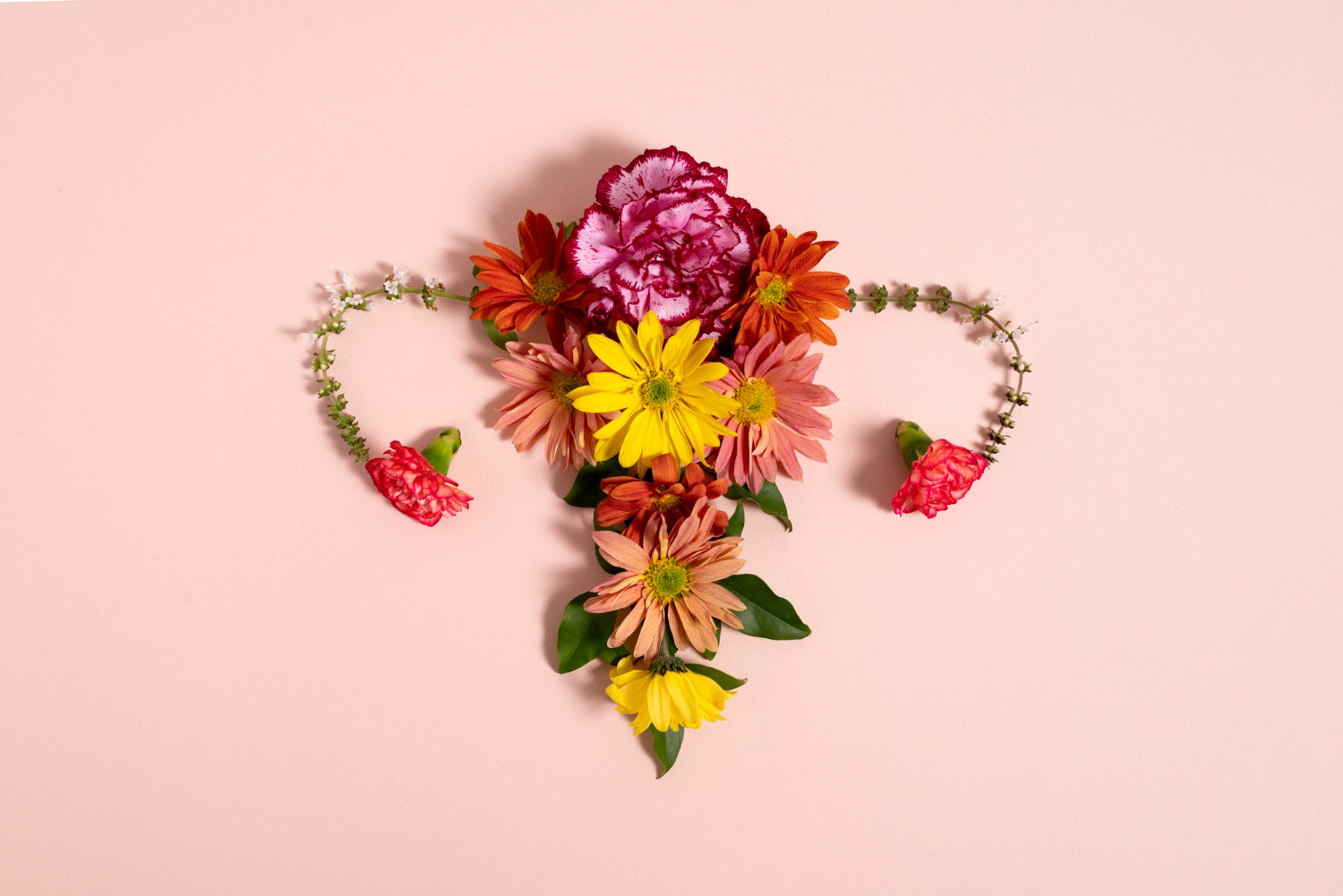
The perineum, also known as the pelvic floor, is made up of several muscles and ligaments stretching from the pubis to the coccyx. It is present in both men and women. Often ignored and neglected, it can be the cause of many health problems. Today, however, there are many simple and fun ways to care for it at home.

Your perineum has a number of functions which it tries, as best it can, to fulfil despite its daily over-solicitation.
- Genital support
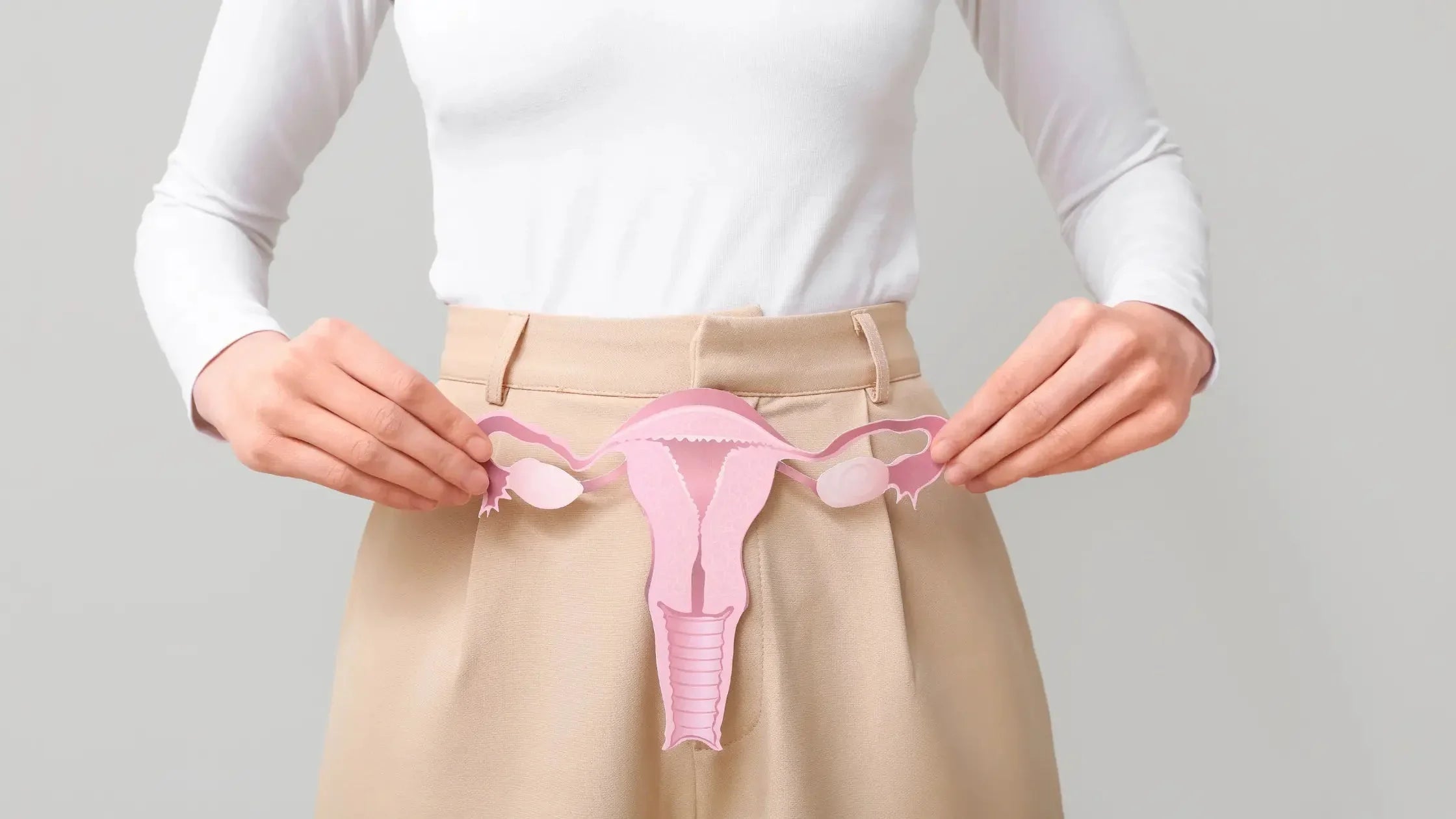
The perineum resembles a small, more or less taut hammock. It supports and holds the bladder, uterus, vagina and rectum in place in our pelvis. If it slackens too much, you can say hello to organ descent (yes, it doesn’t just happen to other people, and an unhealthy perineum is one of the leading causes of prolapse).
- Role in continence and evacuation processes
The perineum is involved in micturition (the act of urinating) and defecation. It’s what enables us to urinate and defecate correctly. When you go to the toilet, certain pelvic muscles relax to allow urine or faeces to pass, then contract when you’re finished. If your perineum is weakened, you may experience leakage of urine or gas.
- Influences the quality of sexual relations
The benefits of a toned perineum during intimate relations are numerous! These include:
- Longer, more powerful and more numerous orgasms
- Better sensations for both partners
- Increased natural lubrication of the vagina
What factors influence the perineum ?
Hormonal factors
The perineum undergoes many changes over the course of a woman’s life, particularly as a result of the hormonal variations that occur in our bodies at different stages of our lives.
Pregnancy and childbirth
During pregnancy, a woman’s body is turned upside down by hormonal variations.
The increased production of estrogen stimulates the production of new cells, not only in the placenta and breasts, but also in the skin and hair (yes, pregnancy can make you more beautiful). While this hormonal variation can have positive repercussions for the mother-to-be, it can also have “negative” aspects.
During pregnancy, the hormone relaxin acts on the joints and ligaments to relax and soften the tissues of the perineum. The main aim is to prepare the perineum for childbirth! The muscles of the perineum will therefore naturally relax to facilitate childbirth. Can’t you see why this is a bad thing? If the perineum relaxes to facilitate the passage of the baby, it will no longer be able to fulfill one or more of its roles properly. Pregnancy brings a whole host of surprises, and the occasional accidental leak can change your daily routine.
For all these reasons, it’s vital for a woman to re-train her perineum after pregnancy, as it won’t be able to regain its original tone in a snap of the fingers, and will need a little help (hello post-partum perineal reeducation!).
The onset of menopause
As we age, muscle tissue naturally becomes looser. With the onset of menopause, the drop in hormones (particularly estrogen) can have a negative impact on tissue tone, including that of the perineum. This is also why wrinkles appear with age.
The menopause is a period when the risk of bladder weakness increases, so it’s important to be a little more vigilant, and not to trivialize the occurrence of a few drops of urine in the panties during a laugh, a sneeze or some other effort.
Pelvic floor dysfunction
Pelvic floor dysfunction (PFD) is a common condition that occurs when the muscles and tissues supporting the pelvic organs, including the perineum, become weak or dysfunctional. The pelvic floor plays a crucial role in bladder control, bowel movements, and sexual function. When these muscles are compromised, it can lead to various symptoms such as incontinence, pelvic pain, and discomfort during intercourse.
Causes of Pelvic Floor Dysfunction :
- Childbirth: Vaginal deliveries can strain the pelvic floor muscles, leading to PFD.
- Chronic Constipation: Constant straining during bowel movements can weaken the pelvic floor.
- Aging: As we age, the muscles naturally weaken, increasing the risk of dysfunction.
- Obesity: Excessive weight can place additional pressure on the pelvic organs and muscles.
Symptoms of Pelvic Floor Dysfunction :
- Inability to control urination (urinary incontinence)
- Difficulty with bowel movements or a sensation of incomplete evacuation
- Lower back pain or discomfort in the pelvic region, including the perineum
- Pain during sexual intercourse
Treatment Options for Pelvic Floor Dysfunction :
- Physical Therapy: Specialized exercises and techniques can help strengthen the pelvic floor muscles.
- Medications: Certain drugs can alleviate symptoms like pain or bowel issues.
- Surgery: In severe cases, surgical interventions may be necessary to restore proper function.
- Lifestyle Changes: Weight management, a high-fiber diet, and avoiding heavy lifting can improve symptoms.
Understanding pelvic floor dysfunction is essential for anyone experiencing symptoms in the perineum or pelvic region. Early diagnosis and treatment can significantly improve quality of life.
Other risk factors
There are also other risk factors which influence perineal tone and which do not depend directly on hormones, such as :
- practising sports with jerky movements or repeated impacts
- obesity and overweight, which place a heavy load on pelvic muscles
- chronic constipation and the repeated bouts it causes
- carrying heavy loads, which increases abdominal pressure
- smoking, which can induce chronic coughing and excess pressure on the perineum
All these factors overstrain the perineum and can impact its tone, leading to relaxation.
What are the symptoms of a relaxed perineum ?
When your perineum is too relaxed and no longer sufficiently toned, it can no longer perform its functions properly. As a result, you may experience bladder weakness outside of urination. It’s a much more common problem than you might think, with nearly 6.5 million women in France suffering from urinary incontinence!
In more serious cases, if the perineum is too weak, organ descent can also occur. One or more organs descend into the vagina, and may even literally protrude outside the vulva. A cystocele, for example, occurs when the bladder begins to descend, or a rectocele when the rectum is involved.
If your perineum is too relaxed, certain symptoms may immediately alert you, such as :
- leakage of urine or gas
- heaviness in the lower abdomen
- the appearance of a ball in your vulva
- pain or lack of sensation during intercourse
IF you recognize yourself, don’t wait any longer and go and see a healthcare professional who can help you establish the diagnosis and set up a treatment to help you.
Re-education to strengthen the perineum
The good news is that it’s never too late to start looking after your perineum. Perineal reeducation is an excellent way of strengthening your perineum . No matter what your age, whether you have children or not, whether you’ve just given birth, whether you’re menopausal… everyone can do reeducation to strengthen their perineum.
It can be carried out following an incontinence problem, or simply as a preventive measure . Perineal reeducation can be carried out using a variety of methods by a healthcare professional, and for some years now has been possible at home, with the Emy solution.

Muscle your perineum with the Emy solution
The Emy perineal probe is connected to a fun mobile application, enabling you to do perineal rehabilitation at home, at your own pace. Emy is based on the biofeedback principle: you contract your perineum, the probe detects your movements and transmits them to the app. You can then see your effort in real time on your smartphone! Medical exercises to strengthen your perineum are performed in the form of games: launch a rocket, catch ducks, pick apples… all thanks to the strength of your perineum!
With this solution, strengthening your perineum becomes fun and motivating! What’s more, Emy is a French medical device with clinically proven effectiveness. After just 3 weeks’ training, users experience improved tone, less bladder weakness and better sensations during intercourse! So, what are you waiting for? Join the community of users who have decided to take control of their perineum!
And of course, we’ve thought of a promotional code just for you, so you can try it out: MIYE20 gives you 20 euros off your Emy!
5 tips to keep your perineum toned
If you’re not yet convinced of the benefits of toning up your perineum, here are a few tips you can adopt on a daily basis to care for and protect your perineum.
- Eat a healthy, balanced diet to avoid constipation and excess weight.
- Maintain a healthy lifestyle: avoid tobacco and alcohol (which irritate the bladder).
- Protect your perineum by practicing sports: avoid high-impact sports that over-strain the perineum.
- Do regular exercises to strengthen your perineum
- Before each effort (carrying a heavy load, coughing, sneezing, etc.) remember to contract your perineum.


![[MY] Gel intime hydratant rééquilibrant](http://www.miye.care/cdn/shop/files/Design_sans_titre_11.png?v=1788166395&width=3797)
![Tube [MY] Gel intime hydratant rééquilibrant petit format](http://www.miye.care/cdn/shop/files/Design_sans_titre_10.png?v=1788166467&width=2025)
Share:
Rebalancing your diet: key steps to changing your habits sustainably
Mastodynia, causes and solutions to relieve breast pain