



A FREE product of your choice from 80€ of purchase
Search

Did you know, postpartum version?

Written by Nina Cecchi

Published on
Updated on
Le saviez-vous, version post-partum ?
SUMMARY
  1. What is Postpartum ?

Discover your hormonal profile in just a few clicks!

TAKE THE TEST

What is Postpartum ?

podcast cover

Postpartum is the somewhat barbaric name for the period after childbirth, which extends from the end of labor until the "return of menstruation," in other words, the first period after pregnancy. This is a period that can sometimes be painful for some women (body changes, reduced libido, drop in hormones, breast and perineal pain, etc.).

The main manifestations of postpartum

  • Mood swings

During this period, the mother experiences several mood states. The baby blues, different from postpartum depression, which affects between 15 and 20% of new mothers, is a period of frequent emotional destabilization, linked in particular to the hormonal drop. Indeed, it is a "depression" that occurs after childbirth, during the baby's first year. It is a hormonal "storm" that causes several of these symptoms: fatigue, headaches, drop in pregnancy hormones, etc.

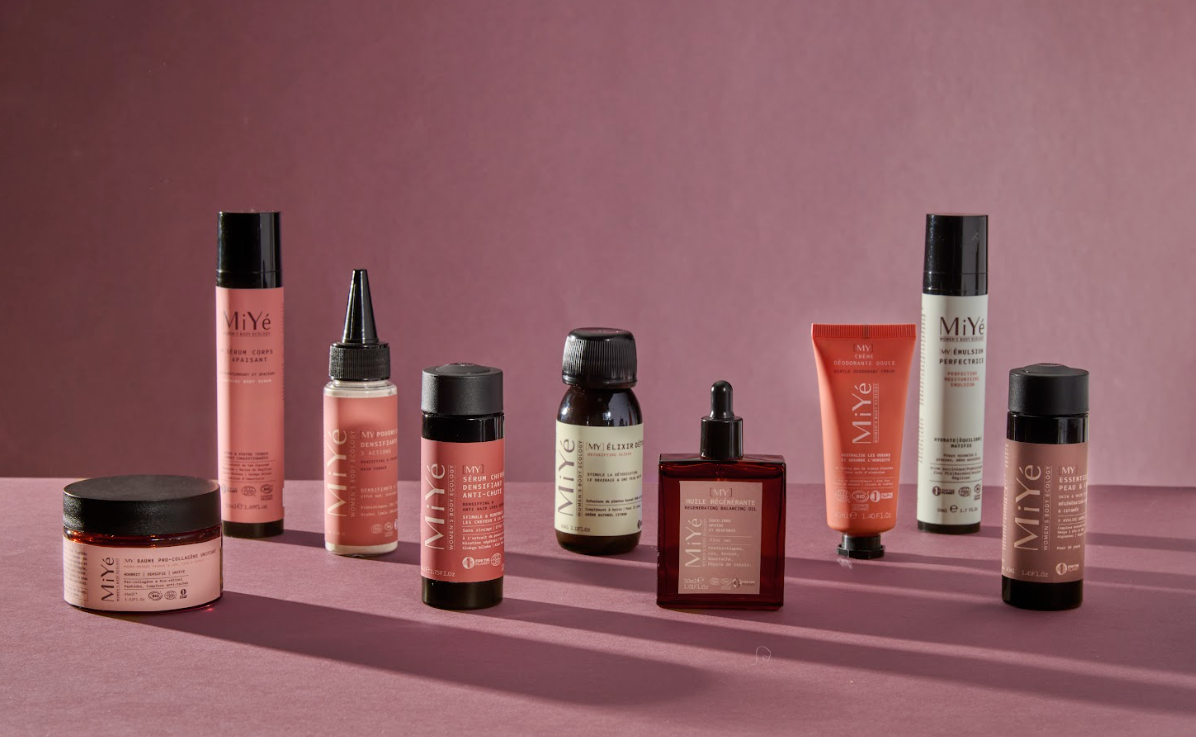
Several remedies are recommended, such as taking time for yourself, taking care of your body, massaging yourself, and in particular thanks to happy cycles body serum 50ml , which is a decongestant and soothing massage serum for tense areas (breasts, legs, stomach, etc.).

  • Physical and mental fatigue

During the postpartum period, a woman experiences several discomforts and changes within her body. Constant exhaustion due to the arrival of the baby, the drop in hormones, and the body's recovery can occur throughout the newborn's first year.

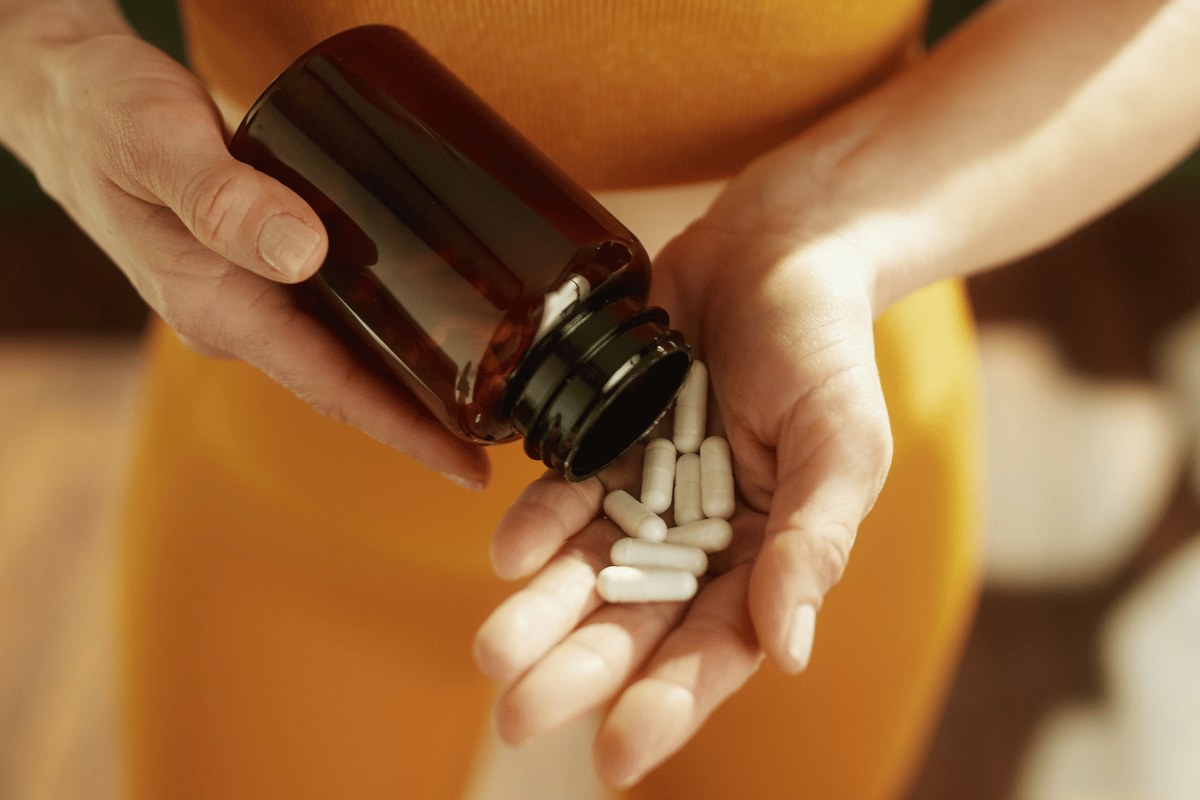
There are dietary supplements, such as female hormonal balance Or Serenity Essentials adapted to female cycles, to support women and/or young mothers with emotional and physical imbalances.

The postpartum period is the most painful for a new mother, both physically and mentally. Don't worry, ladies, it's normal. It's just as normal as lochia.

  • Intimate discomfort

Did you know? Lochia is a vaginal discharge that occurs in women following childbirth, even after a cesarean section. It serves to expel various pregnancy residues. Lochia stops between the second and sixth week postpartum.

This drop in hormones, also due to lochia, can cause a decrease in vaginal secretions plus pain related to the episiotomy.

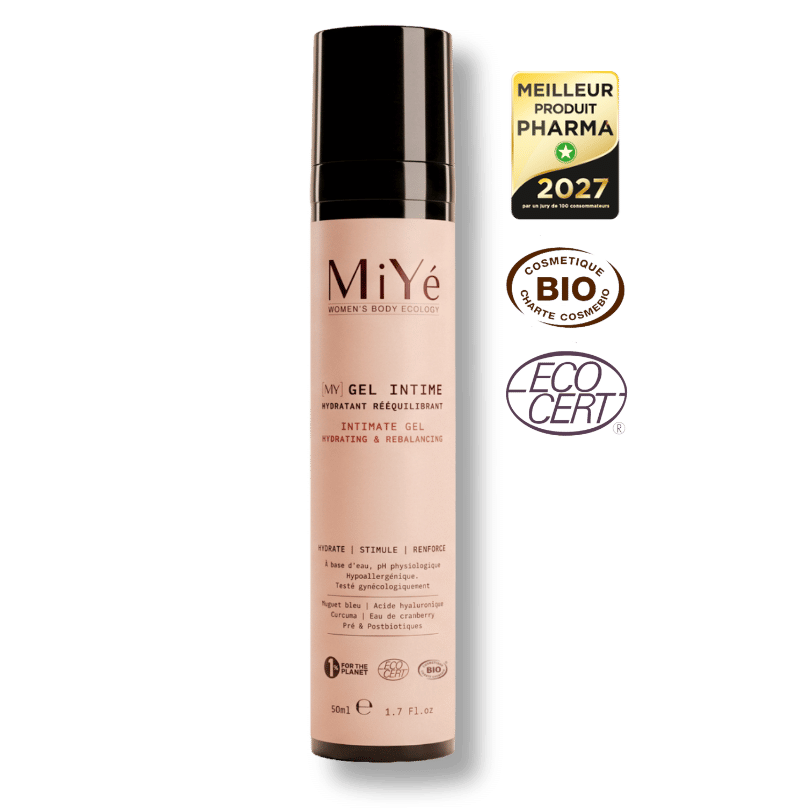
This is why we recommend this rebalancing moisturizing intimate gel 60 ml , a moisturizing and rebalancing intimate gel. It provides comfort, hydration, strengthening and stimulation of the intimate area.

Remember to quickly do your perineal rehabilitation, it is essential!

You can watch our live broadcast with Paul Grandemange, physiotherapist and co-founder of Fizimed, on perineal rehabilitation during the postpartum period.

live

  • Breast pain

Breast pain is also very common in women during breastfeeding due to the rise in milk. Remember to hydrate yourself to prevent the skin from feeling too tight. You can then apply happy cycles body serum 50ml , in the form of a massage, so that breast pain fades, and which is concentrated in natural decongestant and anti-inflammatory active ingredients.

NB: Ladies, remember to rinse your breasts before breastfeeding your baby after applying the serum, as it is a non-food product.

The main thing to remember: Postpartum is a stage of life that can be experienced with ups and downs, it is important that you anticipate it and take time for yourself during this period, to better experience it and therefore protect yourself and be a better mother in the end. This is why MiYé has concocted a special Postpartum pack to help you experience this period as best as possible. It is composed of an intimate gel Rebalancing moisturizing intimate gel 20 ml and anti-hair loss thickening serum anti-hair loss thickening hair serum 100ml.

Mamma Miyé Pack

Watch our live broadcast with Delphine, from the blog @deedeeparis, about her experience during the postpartum period.

And you, do you have any experiences to share about your postpartum?

Leave a comment

Please note, comments need to be approved before they are published.

This site is protected by hCaptcha and the hCaptcha Privacy Policy and Terms of Service apply.

RELATED ARTICLES

Digestion
Comment soulager vos ballonements naturellement et efficacement ?
  • 0 comments

Comment soulager vos ballonements naturellement et efficacement ?

Comment apaiser naturellement et efficacement vos ballonnements ? Pour un soulagement rapide, mettez une goutte d’huile essentielle de menthe poivrée dans une cuillère à café d’huile végétale, puis massez doucement votre ventre en cercles, dans le sens des aiguilles d’une...

Read more

Dérèglements hormonauxDigestion
endobelly endométriose
  • 0 comments

Endobelly: When endometriosis causes a bloated stomach

Do you regularly experience abdominal pain and bloating ? This discomfort, often called endobelly, affects more than 90% of women with endometriosis. You may experience intense bloating, abdominal pain, digestive issues (constipation, diarrhea, nausea), and a abdomen that can give the impression of pregnancy. These symptoms often worsen around your period. Behind this bloating lie inflammation related to endometriotic lesions, hormonal fluctuations, adhesions, and even an altered gut microbiota. You might sometimes mistake it for irritable bowel syndrome, but the synchronization with your menstrual cycle is a valuable clue.

Read more

Dérèglements hormonauxInconforts physiques liés aux hormones
nausées règles
  • 0 comments

Why do you experience nausea before and during your period ?

Why do these nausea symptoms accompany menstruation? That's the question, and the answer is clear: hormonal changes disrupt the body and trigger a digestive storm that affects so many women worldwide. If your energy is evaporating and your stomach is silently clenching, you belong to a large, discreet group. This discomfort is far from trivial; it disrupts routines, alters appetites, and interrupts sleep.

Read more

Dérèglements hormonauxDigestion
digestion difficile remède grand mère
  • 0 comments

Indigestion: Natural and effective home remedies

Do you sometimes feel like your digestion takes too long, or that your stomach is bloated or painful? Simple remedies, such as a pinch of baking soda in a large glass of water, a drop of diluted peppermint essential oil, or an infusion of artichoke and black radish, can quickly bring relief. These family traditions, passed down through generations, work gently to soothe your digestive system and reduce bloating and water retention.

Read more

Dérèglements hormonauxInconforts physiques liés aux hormones
ventre gonflé règle
  • 0 comments

Bloating before menstruation: hormonal causes and solutions

If you've ever experienced bloating before or during your period, know that you're not alone. Many women experience this discomfort linked to the hormonal fluctuations of the menstrual cycle. You're probably familiar with that feeling of a tight stomach, as if your body is trying to retain every last drop of water, making your abdomen feel heavy and uncomfortable. This "bloating period" affects many women, whether they have a completely "normal" cycle or suffer from endometriosis, sometimes referred to as "endo belly," with its associated pain and bloating.

Read more

Dérèglements hormonauxInconforts physiques liés aux hormones
syndrome du gros ventre
  • 0 comments

Why do we talk about the "big belly syndrome" in women ?

The "bloated belly" syndrome in women manifests as a swollen abdomen that often feels uncomfortable. This phenomenon can be linked to various factors: digestive disorders such as irritable bowel syndrome, celiac disease, or endometriosis; hormonal fluctuations related to the menstrual cycle or menopause; water retention; stress; or even an accumulation of abdominal fat. If you experience bloating after meals, abdominal pain, or slower digestion, it's natural to wonder what's really behind this swollen belly.

Read more

Dérèglements hormonauxDigestion
ventre hormonal
  • 0 comments

Hormonal belly in women: understanding and taking action

The "hormonal belly" refers to an accumulation of deep abdominal fat, often linked to hormones in women. During menopause, the drop in estrogen facilitates the storage of visceral fat around the organs, and excess cortisol during periods of stress further exacerbates this phenomenon. This fat, being more inflammatory and metabolically active, can make localized weight loss particularly challenging.

Read more

Dérèglements hormonauxInconforts physiques liés aux hormones
ventre gonflé stress
  • 0 comments

Stress and bloating : the impacts on your well-being

If you experience bloating due to stress, know that stress is often the cause of these bloating and intestinal gases. Indeed, chronic stress, through the release of cortisol, disrupts your digestive system: it slows gastrointestinal motility, unbalances your gut microbiota, and can lead to constipation or abdominal pain.

Read more

Dérèglements hormonauxInconforts physiques liés aux hormones
ventre gonflé et dur
  • 0 comments

Bloated and hard stomach : understanding and relieving these digestive problems

A bloated and hard stomach is often caused by a buildup of gas in the digestive system. This can be linked to an unsuitable diet, the consumption of carbonated drinks, digestive upset, or stress. Using dietary supplements to support good digestion can help alleviate these symptoms. These factors lead to bloating and abdominal distension.

Read more

Dérèglements hormonauxPeau et cheveux
Comment hydrater la peau sèche à la ménopause naturellement ?
  • 0 comments

How to naturally hydrate dry skin during menopause ?

If you suffer from dry skin, know that it's a common phenomenon. This problem stems from an estrogen deficiency, which reduces the skin's natural hydration. This period also leads to a decrease in the production of collagen and hyaluronic acid, essential for elasticity and hydration.

Read more