

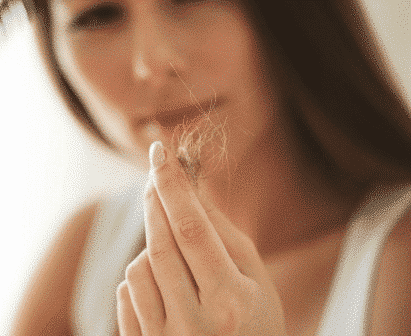













Hair loss can be a sign of deep hormonal imbalance, such as hypothyroidism (in this account, Hashimoto's thyroiditis).
The first signs appeared gradually: weight gain, fatigue, sleep disturbances, stress and hair loss during her studies.
Inflammation and food intolerances were identified, revealing a link between gut health, inflammation and hormonal imbalance.
Lifestyle changes were put in place: an adapted diet, elimination of certain foods (gluten, dairy, soy…), reduction of toxins and the use of more natural products.
By addressing the root causes (nutrition, inflammation, lifestyle), overall wellbeing and hair loss gradually improved.
When my daughter started losing her hair a few years ago…
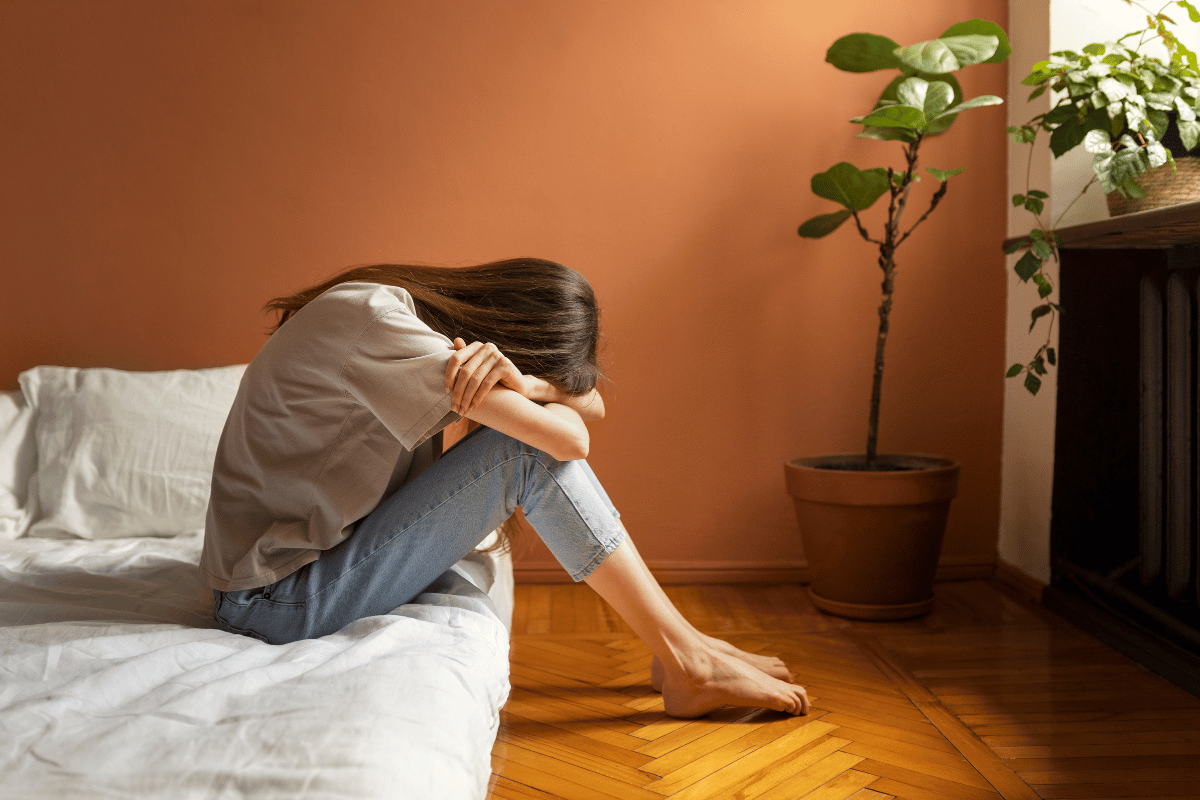
In tears and desperate, she said to me: “Mum, the Universe is taking away all my power, my strength and my beauty, everything I loved about myself!”
She had just turned 19 at the time. Some time later, we realised her body was not well.
She was going through a significant physical and psychological imbalance that was causing a hormonal upheaval, difficult to support through conventional medicine alone.
I often found myself thinking that by keeping a closer eye on my teenage daughter, her lifestyle, her stress, her diet, I might have been able to act sooner. I had in particular been concerned about her taking the oral contraceptives her doctor had recommended during her final year of secondary school.
The first symptoms
It all began with weight gain, spots on her face and a lack of sleep, which led us to stop the pill immediately. But the imbalance had already taken hold.
During her first year at university, her hair began to fall out gradually, and she was becoming increasingly tired, low in mood and stressed about her exams.
After carrying out every possible test, we consulted endocrinologists who confirmed our concerns, revealing Hashimoto's hypothyroidism.
We were familiar with the conventional approach to this situation, but my daughter and I wished to explore complementary avenues alongside medical monitoring.
I began piecing the information together like a puzzle:
elevated antithyroid antibodies, vitamin D deficiency, elevated cortisol levels, constipation, bloating, irritability, sleep difficulties, water retention… it all formed a coherent picture.
We began to modify her diet, but not knowing exactly what she could eat, I removed meat and fats. She was eating fruits and vegetables, a lot of raw foods, juices, goat's cheese and fish, but her weight did not decrease despite two hours of intensive daily exercise.
Then one day, while massaging her hair, I noticed her scalp was visibly irritated. I had a feeling and said to her: “I think your hair is showing us that there is something your body does not tolerate, perhaps an intolerance, a lack of enzymes, or several factors affecting your balance.”
The first results
Two days later, we sent a blood sample to a specialist laboratory to request a food intolerance test covering 300 ingredients, additives and preservatives, including Candida albicans.
The results confirmed our intuitions. As a therapist, I knew that inflammation, particularly intestinal, could trigger a cascade of imbalances of all kinds, including hormonal ones.
The dietary protocol based on eliminating the ingredients she was intolerant to (dairy, eggs, nuts, gluten, soy) was put in place, and the results were remarkable: 10 kg lost in 2 months.
She was less tired, her good mood and her energy were gradually returning.
We also changed her toothpaste (fluoride-free, to reduce the inflammatory load), her shower and shampoo products (free of harsh chemicals). We introduced essential oils in scalp massage, and eliminated alcohol, sugar, gluten and industrial products, moving to exclusively organic consumption.
Through my menus and recipes, she learned to cook for this new way of living and continues to this day to see the benefits.
This is a personal and individual account, shared for informational purposes only. Any modification to or discontinuation of medical monitoring must be carried out under the supervision of a healthcare professional. MiYé does not in any way recommend interrupting a prescribed medical follow-up.
By Claudia Stroia,
Holistic therapist and micronutritionist

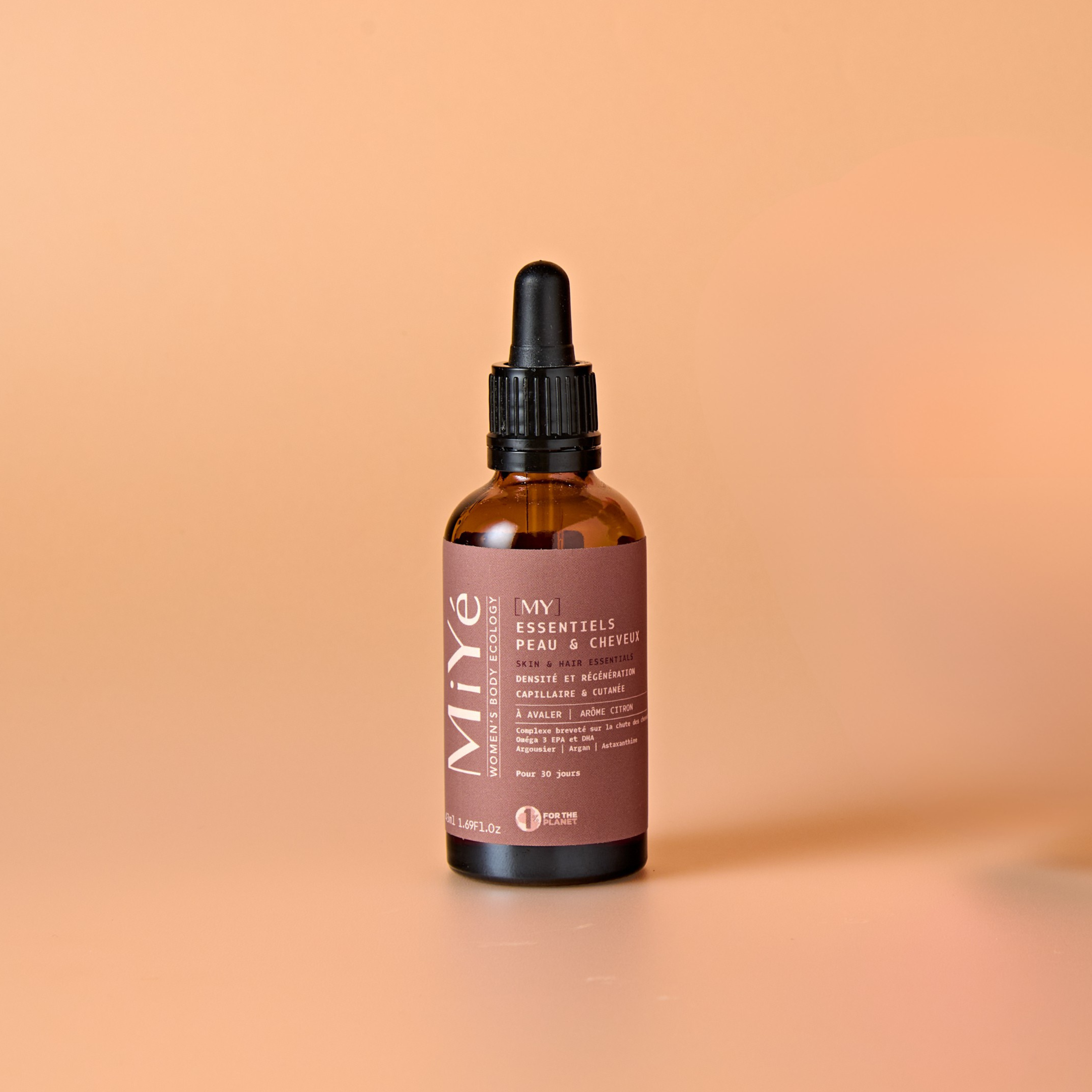
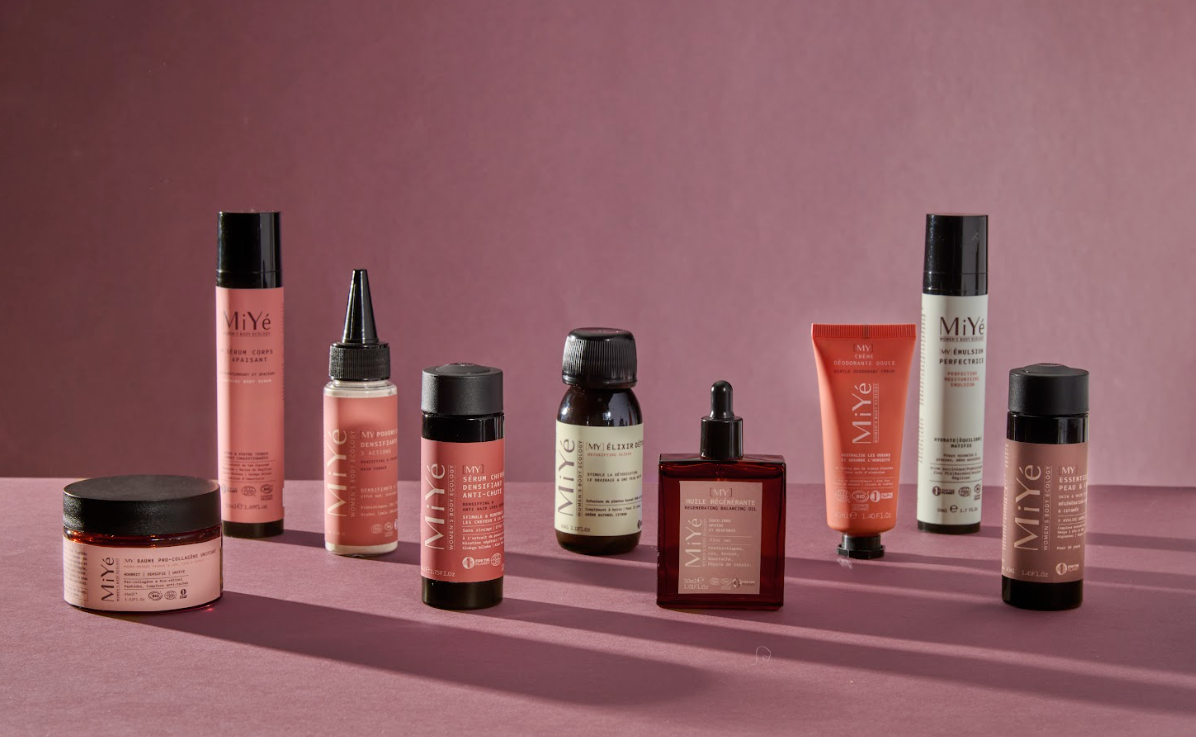
This certified organic hair serum has been specially formulated to support hair vitality and density, while contributing to soothing the scalp and encouraging hair growth from the root. 50 ml dropper bottle.
Does hypothyroidism cause hair loss?
Yes, it is common.
A lack of thyroid hormones slows the hair growth cycle, leading to diffuse shedding and hair that becomes finer, drier and more prone to breakage.
How to support hair loss in cases of hypothyroidism?
The priority is to consult a healthcare professional to support thyroid imbalance. In addition to medical monitoring:
a nutrient-rich diet (iodine, zinc, iron, B vitamins)
stress and sleep management
gentle and appropriate hair care
Once hormonal balance is supported, shedding may gradually slow down.
Does hair grow back in cases of hypothyroidism?
Yes, in most cases.
Hair loss is often reversible, but regrowth takes time (several months), as the hair cycle gradually normalises.
What are the symptoms of significant hypothyroidism?
Signs can include:
intense fatigue and general slowdown
unexplained weight gain
sensitivity to cold
dry skin, puffy face
mood or concentration difficulties
These symptoms reflect a general slowing of metabolism. If in doubt, consult your doctor.

![Tube [MY] Sérum densifiant anti-chutes pour cheveux, et ses macarons finaliste du prix d'excellence de la beauté marie-claire, bio et Ecocert](http://www.miye.care/cdn/shop/files/Visuels_shop_85.png?v=1773305224&width=1000)
Share:
Why can our hair deteriorate?
Anne Sophie's menopause story