





A FREE product of your choice from 80€ of purchase
Search

What are the harmful effects of hot water on skin microbiota ?

Written by Nina Cecchi

Published on
Updated on
peau
peau
Hot water may seem pleasant in the shower, but it can have harmful effects on the skin's microbiota. By destroying the skin's natural oils and upsetting the microbial balance, hot water can cause dryness, irritation and increased sensitivity. Find out why it's important to choose lukewarm water to preserve the health of your skin and its microbiota.
SUMMARY
  1. How can hot water damage your skin’s microbiota ?
  2. What is skin microbiota ?
  3. The harmful effects of hot water on the skin
  4. What happens during menopause ?

Discover your hormonal profile in just a few clicks!

TAKE THE TEST

How can hot water damage your skin’s microbiota ?

We all know that hot water can be soothing, especially after a stressful day.
But did you know that hot water can do more harm than good to your skin’s microbiota?
Let’s find out why, and what you can do to minimize the damage.

peau

What is skin microbiota ?

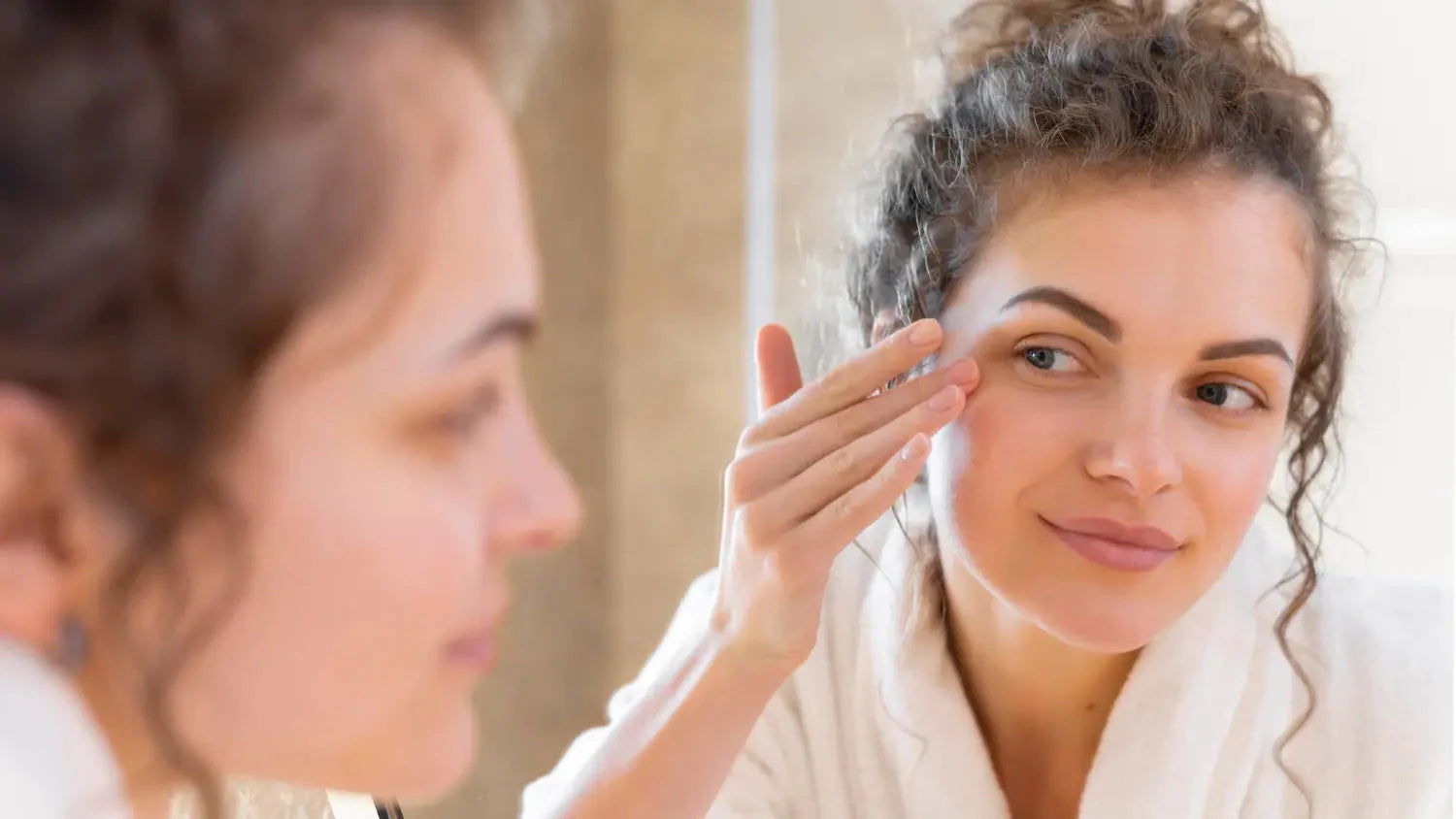
The cutaneous microbiota is made up of the many micro-organisms: bacteria, fungi and viruses that live on our skin. This unique ecosystem protects us from harmful pathogens and also contributes to the proper functioning of the skin, which means it’s very important to take steps to preserve it.

The skin microbiota is an individual marker, as it varies quantitatively and qualitatively from one person to another. Variables such as age, gender, immune system, pH, temperature and humidity will modify the composition of the skin’s microbiota.

In other words, the skin microbiota is the external part of the human organism’s microbiota, commonly referred to as the biofilm. It is often referred to as the “second genome”, as the microorganisms that make it up far exceed the host in genomic mass. It is also often referred to as “cutaneous flora”. The skin of an adult is home to an average of 1,000 billion bacteria, and 1,000 species of fungi, viruses and arthropods. This microbiota lives on the surface and in the superficial layers of the epidermis, creating a complex ecosystem.

Its main function is to protect the skin against the invasion of opportunistic bacteria, both pathogenic and non-pathogenic, while stimulating the cutaneous immune system, promoting our well-being.

The harmful effects of hot water on the skin

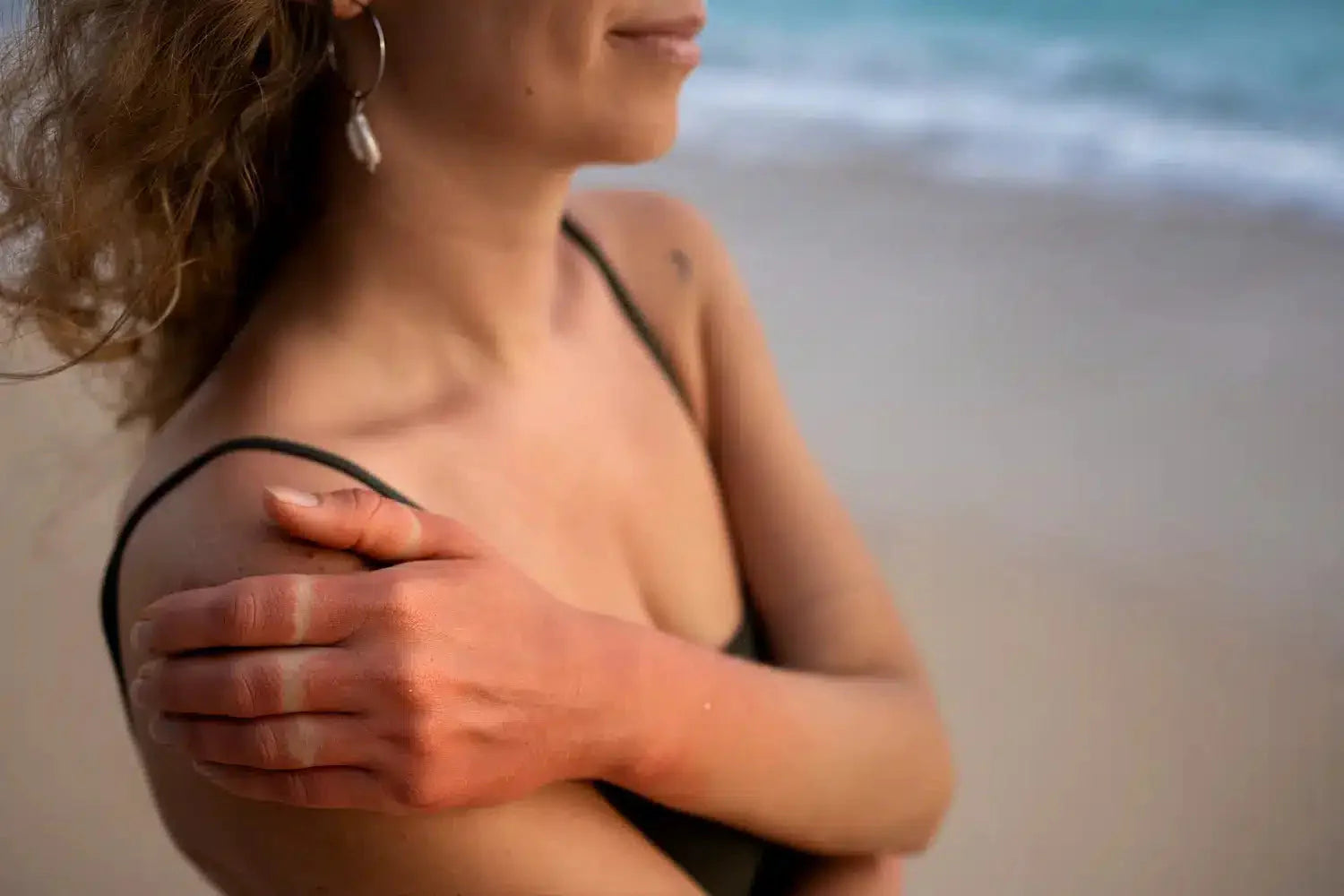
Unfortunately, hot showers are not very good for the skin’s microbiota. Long, frequent exposure to hot water can eliminate beneficial bacteria while upsetting your skin’s pH balance. This can make you more vulnerable to infections and other skin problems such as acne or eczema. What’s more, some studies suggest that high temperatures can even promote inflammation in the body.

What happens during menopause ?

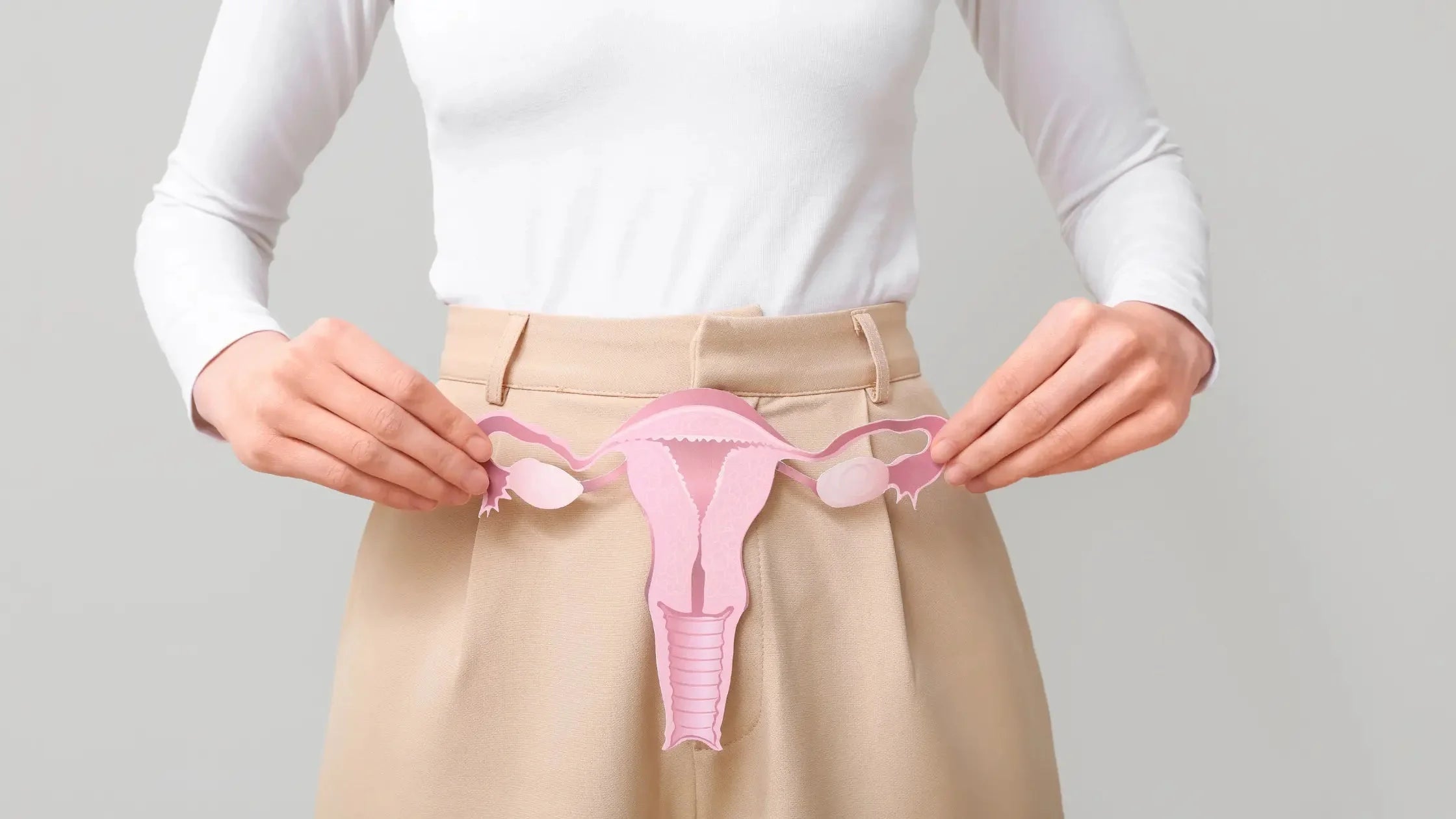
The menopause is characterized by the cessation of ovarian function. The ovaries no longer produce estrogen, leading to a number of bodily changes, such as the end of menstruation, hot flushes and night sweats. These hormonal changes also cause intimate changes, including vaginal dryness and an unbalanced microbiota.

The menopause promotes intimate dryness, and some women may experience itching, irritation or even a burning sensation in the vagina. They may also become susceptible to vaginal infections accompanied by odorous discharge.

  • Strengthen your microbiota with probiotics:

Several studies have shown that oral or vaginal probiotic supplementation in menopausal women restores normal levels of lactobacilli in the vaginal microbiota.

You can find our 1st intimate care product, intimate gel Intimate Gel, designed to improve intimate comfort and feminine well-being.


Mini gels intime

Gels différence taille

  • Take care of your intestinal microbiota:

People with skin conditions have an altered gut microbiota, suggesting a link between gut and skin microbiota. A healthy digestive system is therefore a good starting point for healthy skin.

  • Preserve the regeneration of skin microbiota that takes place at night, by choosing gentle products.

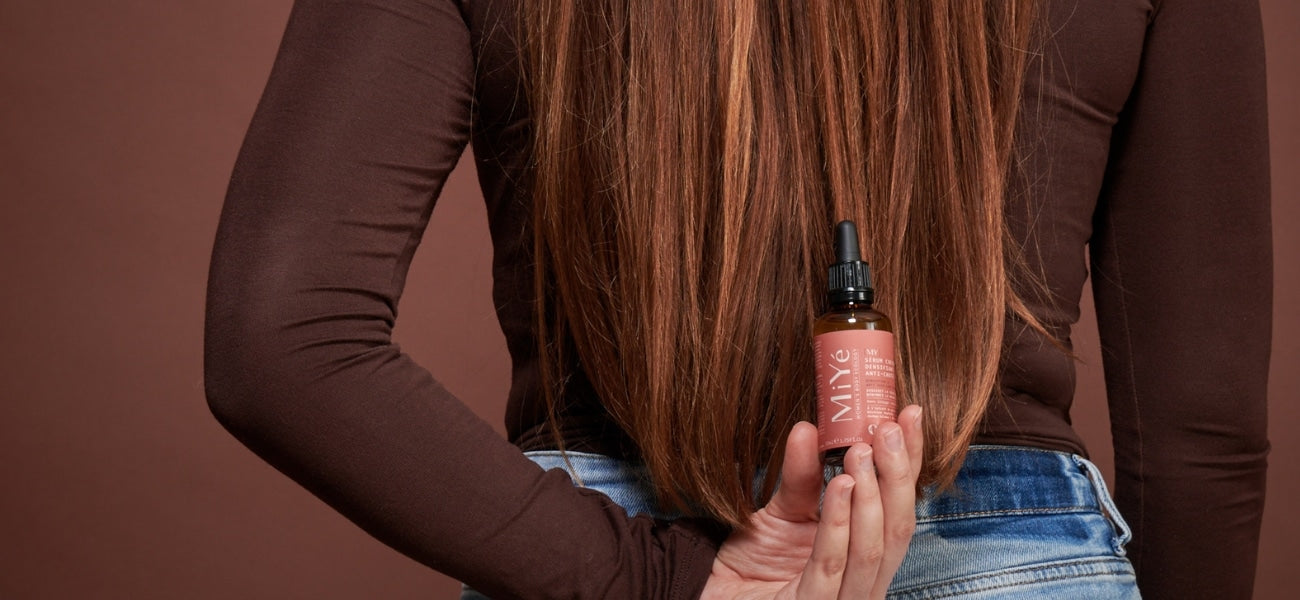
Take a look at our Regenerating Oil, designed to preserve the balance of the skin’s microbiome, combat oxidation and stimulate the skin’s regeneration mechanisms.


Huile

Did you know ?
Most dermatologists recommend 2/3 cat toilets a week rather than showers!
RELATED ARTICLES

Dérèglements hormonauxInconforts physiques liés aux hormones
Pourquoi mes règles empirent-elles ? Causes et solutions naturelles
  • 0 comments

Why are my periods getting worse ? Causes and natural solutions

Key takeaways Increasing inflammation : over time, the body produces more prostaglandins → stronger uterine contractions + lack of oxygen → more intense pain. Hormonal imbalance : excess estrogen vs progesterone makes the uterus more sensitive and amplifies pain (up...

Read more

Dérèglements hormonauxInconforts physiques liés aux hormones
Ménopause et brouillard mental : Qu'est-ce que le brain fog ?
  • 0 comments

Menopause and brain fog: What is brain fog ?

Menopausal brain fog, also known as mental fog, refers to the feeling of a cluttered mind, characterized by forgetfulness, difficulty concentrating, and slowed thinking. You are not alone: many women experience these symptoms during the transition to menopause, often due to the drop in estrogen levels.

Read more

Dérèglements hormonauxInconforts physiques liés aux hormones
Quelles sont les meilleures postures pour soulager la douleur pendant les règles ?
  • 0 comments

What are the best positions to relieve menstrual pain ?

When your period arrives, a few simple postures can really help reduce pain. By lying down, relaxing your abdominal muscles, and promoting blood circulation in your pelvis, you can effectively alleviate cramps and contractions. These exercises, often inspired by yoga or gentle movements, offer natural relief: whether you're in the fetal position on your side, sitting upright in a chair, or in child's pose (Balasana), they can help you without necessarily resorting to medication.

Read more

DigestionInconforts physiques liés aux hormones
Adénomyose et ventre gonflé : comprendre ce symptôme pour mieux le vivre au quotidien
  • 0 comments

Adenomyosis and bloating: understanding this symptom to better manage it on a daily basis

Key takeaways Adenomyosis is a uterine condition in which endometrial cells infiltrate the uterine muscle, causing inflammation, pain, and thickening of the uterus. It can lead to a “hormonal” bloated belly, linked to inflammation, water retention, and an increase in...

Read more

Bouffée de chaleur sans ménopause : comprendre les causes et soulager naturellement
  • 0 comments

Bouffée de chaleur sans ménopause : comprendre les causes et soulager naturellement

Hot flashes are not limited to menopause: they can appear at any age, often linked to hormonal fluctuations, stress, or certain medical conditions. Several factors can trigger them, such as premenstrual syndrome, postpartum, thyroid disorders, certain medications, or everyday factors...

Read more

Dérèglements hormonaux
Reconnaître les premiers signes de la ménopause et apprendre à mieux vivre avec
  • 0 comments

Recognizing the early signs of menopause and learning to live better with them

Perimenopause often begins with irregular cycles (more spaced-out, heavier or shorter periods), a sign of a gradual decline in estrogen. Menopause is defined after 12 months without a period, when the ovaries stop releasing eggs and produce fewer hormones. The...

Read more

Digestion
Comment soulager vos ballonements naturellement et efficacement ?
  • 0 comments

How to relieve your bloating naturally and effectively ?

How can you naturally and effectively relieve your bloating? For fast relief, put one drop of peppermint essential oil in a teaspoon of vegetable oil, then gently massage your belly in circular motions, clockwise. You will feel gas being released,...

Read more

Dérèglements hormonauxDigestion
endobelly endométriose
  • 0 comments

Endobelly: When endometriosis causes a bloated stomach

Do you regularly experience abdominal pain and bloating ? This discomfort, often called endobelly, affects more than 90% of women with endometriosis. You may experience intense bloating, abdominal pain, digestive issues (constipation, diarrhea, nausea), and a abdomen that can give the impression of pregnancy. These symptoms often worsen around your period. Behind this bloating lie inflammation related to endometriotic lesions, hormonal fluctuations, adhesions, and even an altered gut microbiota. You might sometimes mistake it for irritable bowel syndrome, but the synchronization with your menstrual cycle is a valuable clue.

Read more

nausées règles
  • 0 comments

Why do you experience nausea before and during your period ?

Why do these nausea symptoms accompany menstruation? That's the question, and the answer is clear: hormonal changes disrupt the body and trigger a digestive storm that affects so many women worldwide. If your energy is evaporating and your stomach is silently clenching, you belong to a large, discreet group. This discomfort is far from trivial; it disrupts routines, alters appetites, and interrupts sleep.

Read more

Dérèglements hormonauxDigestion
digestion difficile remède grand mère
  • 0 comments

Indigestion: Natural and effective home remedies

Do you sometimes feel like your digestion takes too long, or that your stomach is bloated or painful? Simple remedies, such as a pinch of baking soda in a large glass of water, a drop of diluted peppermint essential oil, or an infusion of artichoke and black radish, can quickly bring relief. These family traditions, passed down through generations, work gently to soothe your digestive system and reduce bloating and water retention.

Read more